
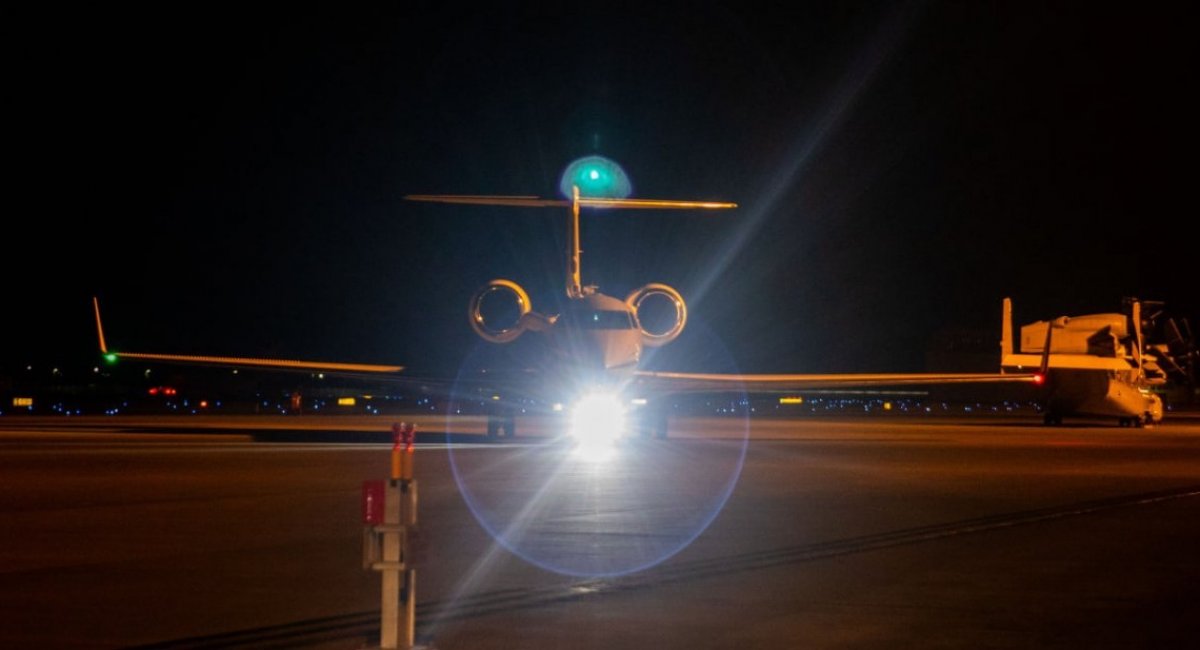
Spy planes and other specialized aviation equipment of American military found themselves under threat of flight ban. And all because U.S. may revoke certification of Canadian-made aircraft.
Corresponding threat sounded from White House in social media as response to Canada's refusal to certify American Gulfstream. When Breaking Defense tried to clarify whether this applies only to civilian or also military, the U.S. president's administration saw no difference between them.
Read more: Gripen Beat Rafale In Colombia At $220M Each: F-16 And Typhoon Didn't Provide Full Data
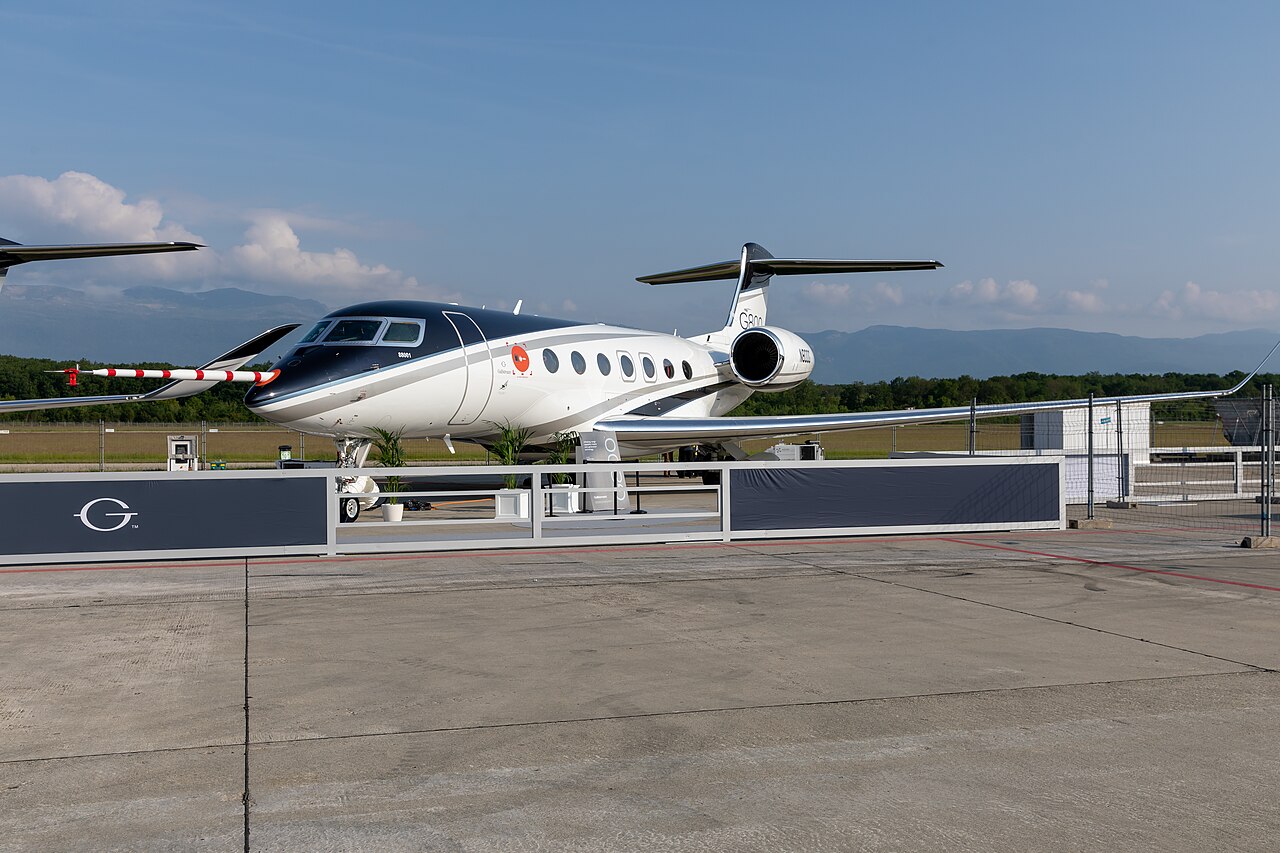
Defense Express adds that refusal from Canadian aviation regulators is related to the fact that new aircraft from Gulfstream didn't pass separate tests of some elements. Most sources indicate that specifically this concerns fuel system freezing, which can lead to accident.
U.S. Federal Aviation Administration (FAA), which is responsible for civil aviation, gave manufacturer an exemption that allows operation while final tests are being prepared and conducted. At the same time, their colleagues from Canada refused to do this, which caused quite emotional reaction from Americans.
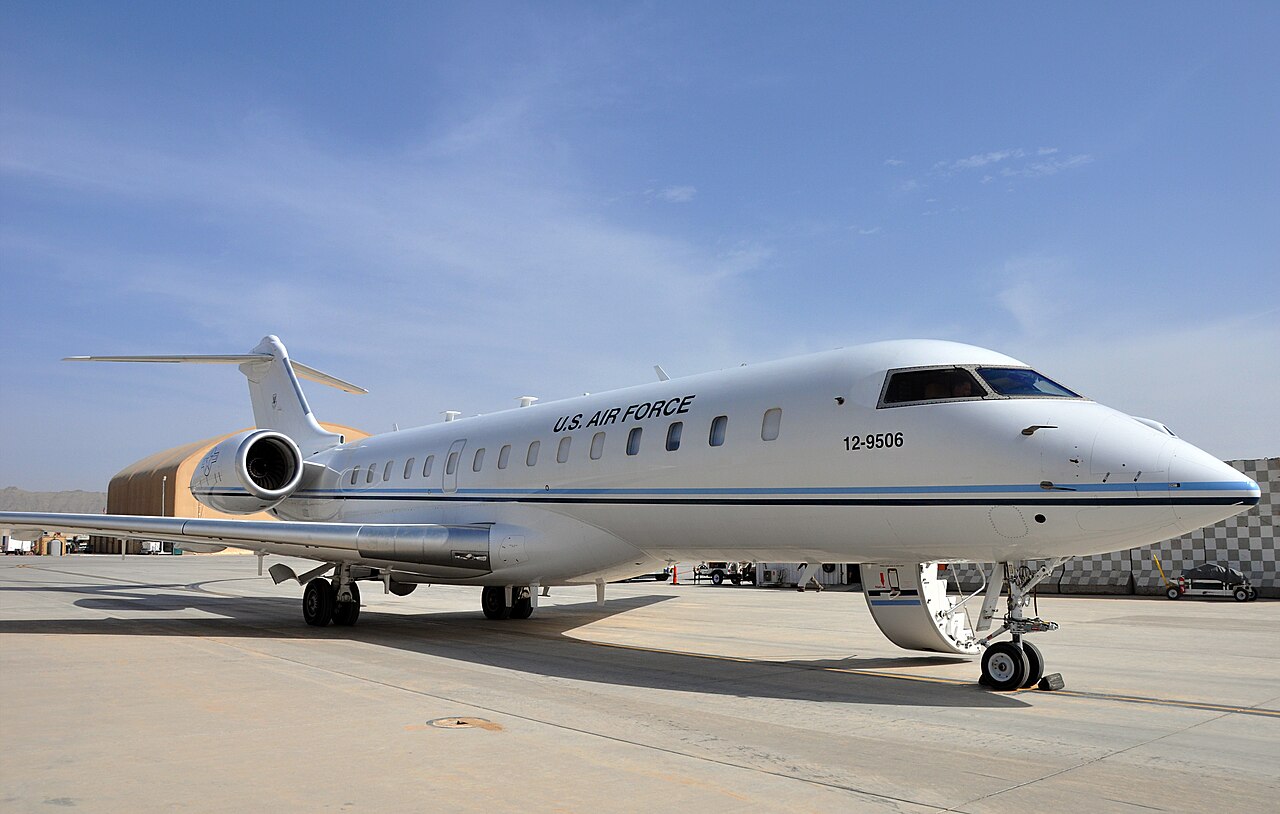
Interestingly, U.S. military has separate parallel aircraft certification processes relative to civilian FAA. Thus, both directions may not be affected simultaneously, considering defense capability needs and certain absurdity of situation.
At the same time, White House has greater influence on military regulators than on civilian federal agency. So if desired, theoretically suspension of Canadian aircraft operation specifically there is possible.
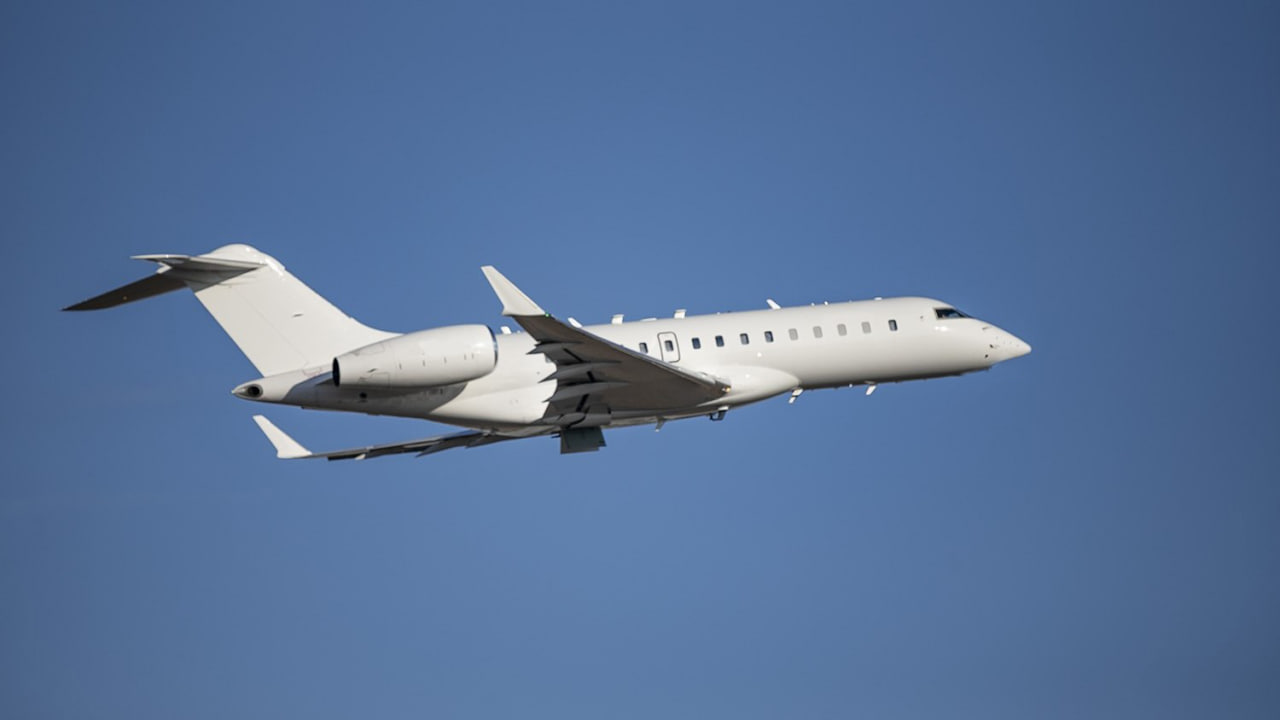
Regarding scale of potential problem, currently U.S. Air Force, for example, operates E-11 BACN air communications node based on Bombardier Global 6000. From other Canadian manufacturers there's De Havilland DHC-8, which became base for P-9A Pale Ale patrol aircraft. In Army it's much larger scale, because Bombardier Global 6500 became basis for reconnaissance aircraft under HADES, ARES and ATHENA programs. While ARTEMIS observation and target designation aircraft is based on Bombardier Challenger.
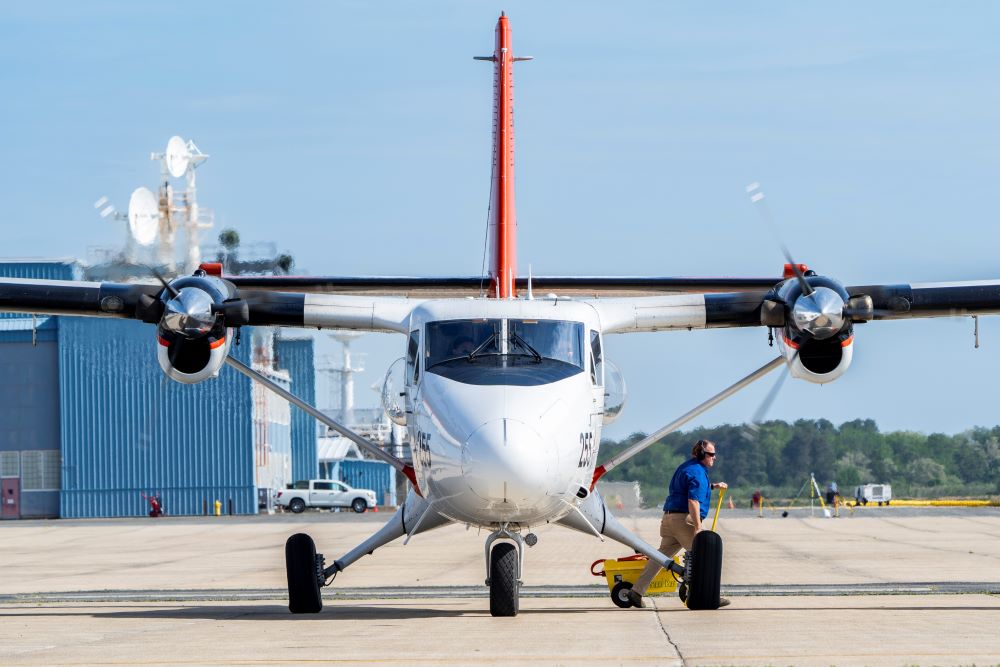
U.S. Navy relies on Canadian UV-18 Twin Otter, NU-1B Otter and U-6A Beaver for various training tasks. And this is all just Canadian aircraft, because it’s unknown whether potential ban will touch helicopters, where additional list emerges.
Since replacing all this quickly won't work, will require large spending of funds and time, as well as redesigning certain programs, it's very doubtful that American military will support ban. Quite likely similar position exists in civilian segment.
Considering that U.S. market is very large and important, Canadian government and its aircraft manufacturing companies are actively cooperating to solve problem. Of course, there are other customers, such as Swedish GlobalEye AEW aircraft, but this won't be able to save from loss.
Concluding, it's worth noting that so far we have threat from White House, which they reinforce with potential tariffs, without any practical actions. Quite likely that everything will remain on paper, especially considering U.S. administration's readiness to retreat from its statements at will.
Read more: U.S. Ramps Up THAAD Interceptor Missile Production Fourfold to Avoid Losing to Iran, But It's Still Not Enough