


The Dutch Ministry of Defense aims to rapidly enhance the protection of its navy's frigates. The Ministry of Defense informed the House of Representatives that, "due to the urgent need to improve protection levels," it plans to procure a floating decoy system for the Dutch navy.
The Ministry of Defense said in a letter that Royal Netherlands Navy ships are deployed daily to protect both the Netherlands and its allies, and are equipped with a range of defense systems to counter enemy aircraft, missiles, and drones.
Read more: HMS Dragon Breaks Down Days After Cyprus Arrival as Cascade of Problems Exposes Royal Navy's Critical State
"At the same time, some components of these systems are less well-equipped to deal with rapidly evolving threats at sea. Modern guided missiles can easily detect 'old' decoys. Therefore, to ensure the operational readiness and resilience of our ships, existing systems must be modernized and, where necessary, expanded with new self-defense capabilities," the Dutch Defense Ministry emphasizes.
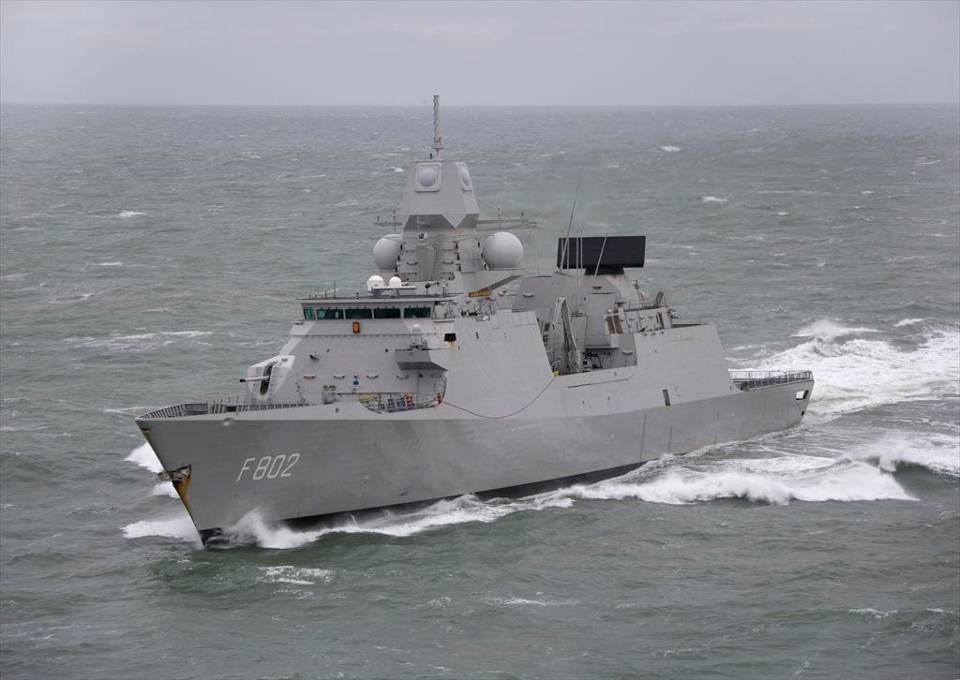
For this reason, the Netherlands intends to expand the multi-layered self-defense capabilities of its ships. This involves equipping the De Zeven Provinciën-class frigates and the Karel Doorman-class multi-purpose frigates with decoy systems.
The Dutch Ministry of Defense states that equipping ships with decoy systems will be a cost-effective way to strengthen frigate defenses and that the project is expected to cost less than €250 million.
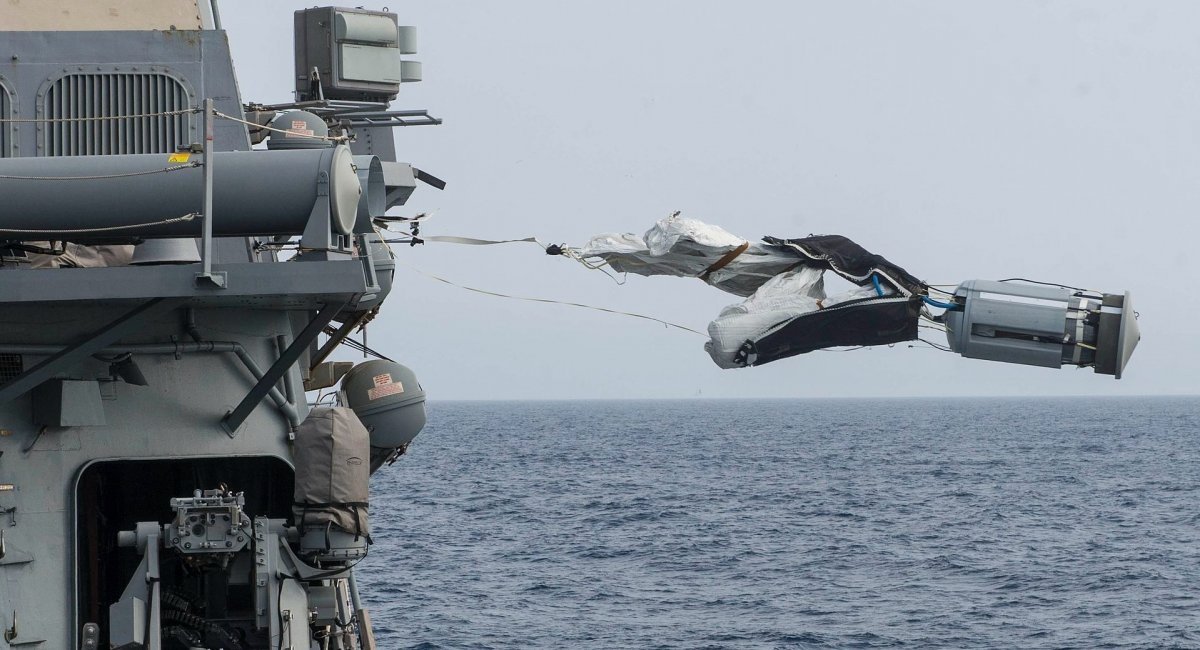
Ship decoys work as follows: when needed, a vessel launches a floating decoy that mimics a strong radar signal or heat source. The decoy is designed to deceive enemy missiles, which may mistake it for a real ship and strike it instead.
One example is the Naval Decoy IDS300, which simulates targets such as a British Type 45-class destroyer or an American Arleigh Burke-class destroyer.
The decoy is launched from one of four platforms installed on the ship, deploys within seconds, and can remain afloat for about three hours.
Read more: Admiral Grigorovich Frigate Escorts Shadow Fleet Tankers in English Channel as russia Fears Ukrainian Maritime Drones