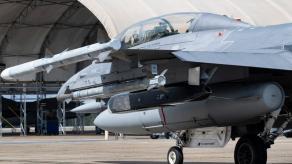
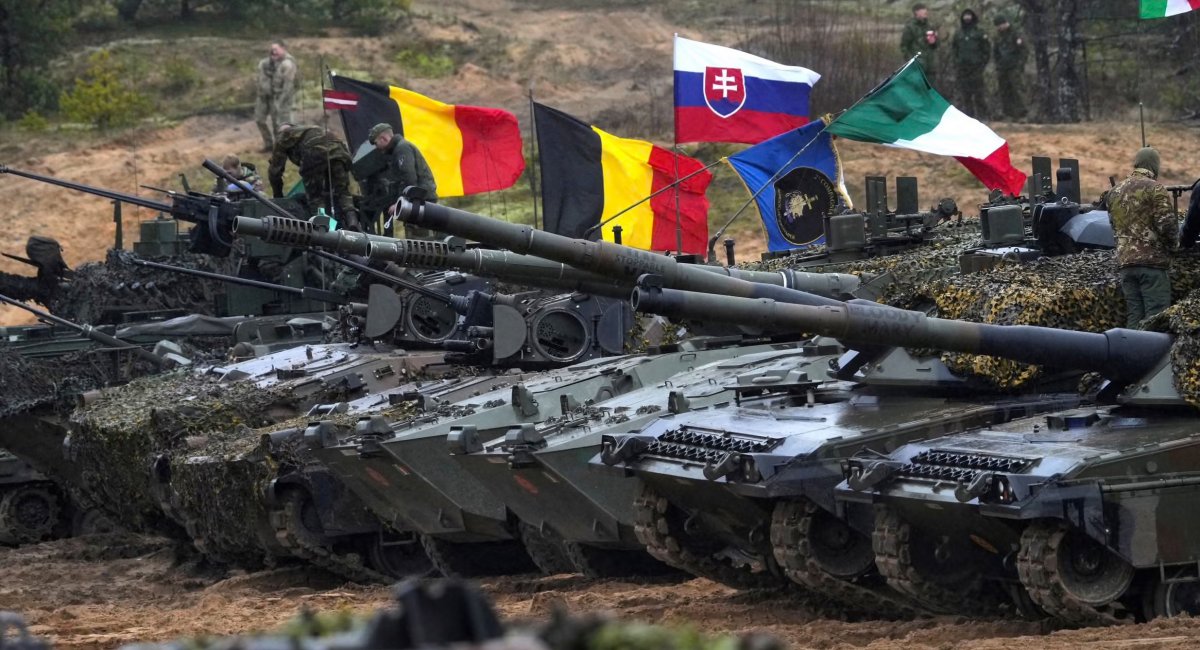
Whether NATO is ready for direct confrontation with russia — a question that seemed remote just a few years ago is now being raised openly by European politicians, military commanders, and intelligence officials.
The latest round of debate was triggered by Poland's prime minister, who said russia could be ready to move against an Alliance member within months, and questioned whether NATO's collective defense mechanism would respond quickly and effectively enough if that moment arrived.
Read more: Ukrainian Prime Unit Destroys russian Grad MLRS, D-30 Guns, MT-LB vehicle, and EW System (Video)
The question sat at the center of the 18th Kyiv Security Forum, held April 23–24 in Kyiv and experts were sharply divided on what moscow is actually capable of, and where escalation is heading.
Former MI6 chief Richard Moore argued that russia's current provocations, information pressure, and psychological operations are not chaotic. They fit precisely within the Gerasimov doctrine, which prescribes destabilizing an adversary through fear, political pressure, and alliance-splitting before any kinetic move. "We should understand russian motivation — why they are doing this. But even more important is how the Alliance will respond. If the response is weak or slow, the russians will draw their own conclusions," Moore said. In his reading, what is underway is a test of NATO's resolve before any direct military confrontation begins.
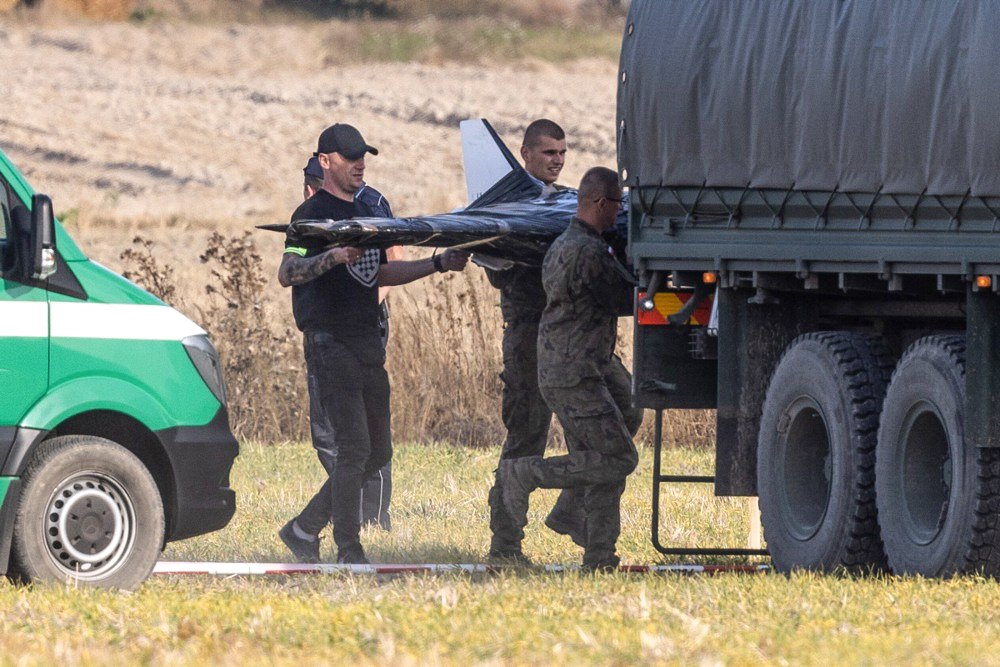
Others at the forum urged against overstating russia's current capacity. Estonian Ambassador to Israel and former Deputy Director of Estonia's Foreign Intelligence Service Andres Vosman noted that the war against Ukraine has significantly constrained moscow's ability to mount new large-scale operations. russia's main forces remain tied to the Ukrainian front which keeps the Kremlin's hands bound in other regions.
Former Chairman of the NATO Military Committee Admiral Rob Bauer added a different constraint: russia, he argued, can no longer make strategic decisions fully independently, given its growing dependence on China. In his view, it is Beijing that will significantly shape whether further escalation is even possible. But Bauer's most pointed remark was about the Alliance itself. "The West has woken up — but there is still a very long way to go," he said, in what amounted to one of the forum's most concise summaries of NATO's current condition. After decades of relative stability, Europe has begun to grasp that large-scale war on the continent is no longer a theoretical scenario.
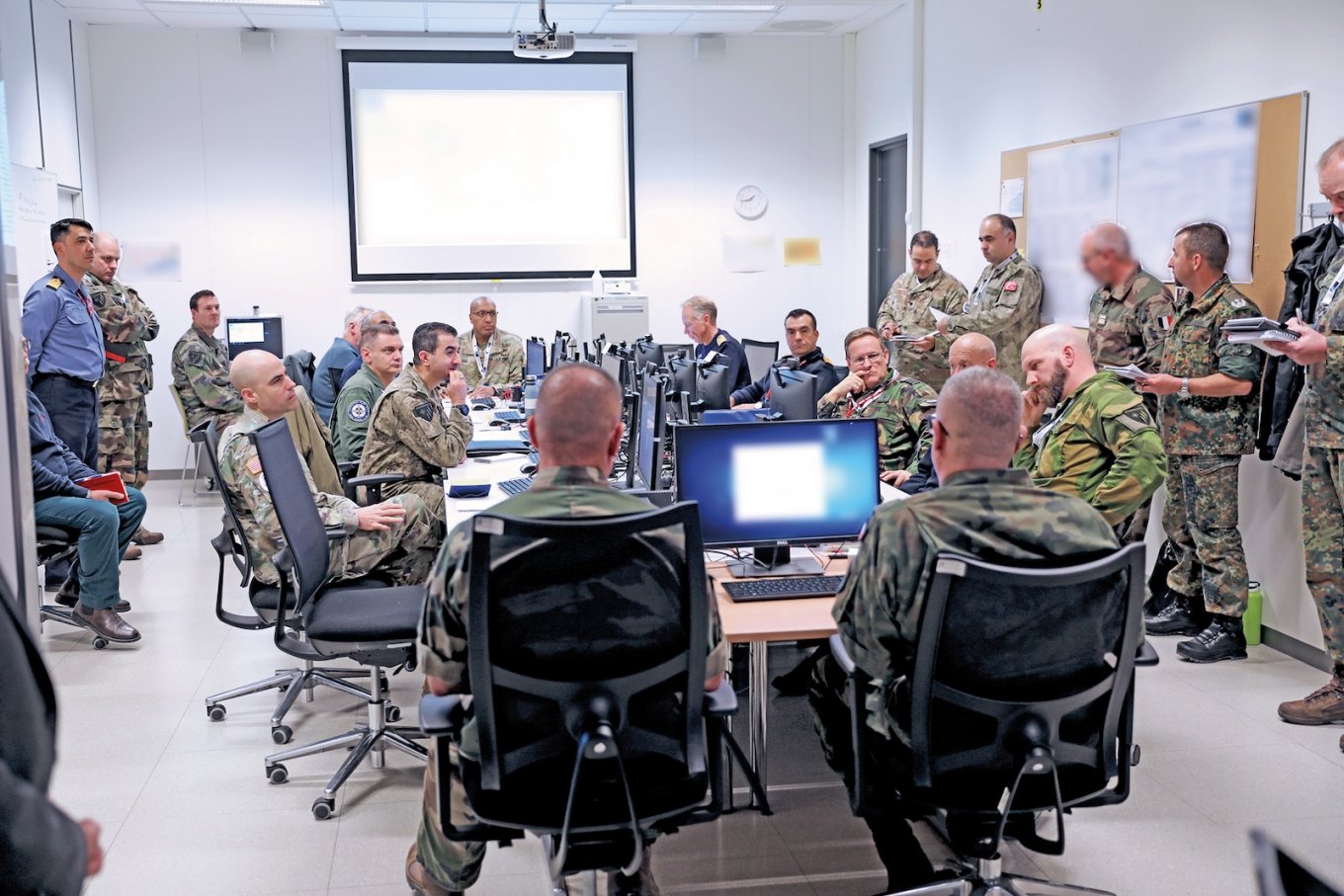
Yet NATO enters this moment of reckoning with serious vulnerabilities. Former U.S. Ambassador to Ukraine Steven Pifer pointed to growing debate in Washington about reducing America's international role — and even about a possible withdrawal from the Alliance altogether. A weakening of U.S. presence, he said, would be a serious blow to European security: American military forces in Europe remain the primary deterrent against further russian expansion.
Even if Europe were forced to defend itself, the resources are not there, a point driven home at the forum and in subsequent comments to Defense Express by Fabrice Porthier. "Europe has intentions, but they still need to be much more concrete. We don't have a resource-centric strategy," he noted. Right now, many governments are significantly increasing defense spending.
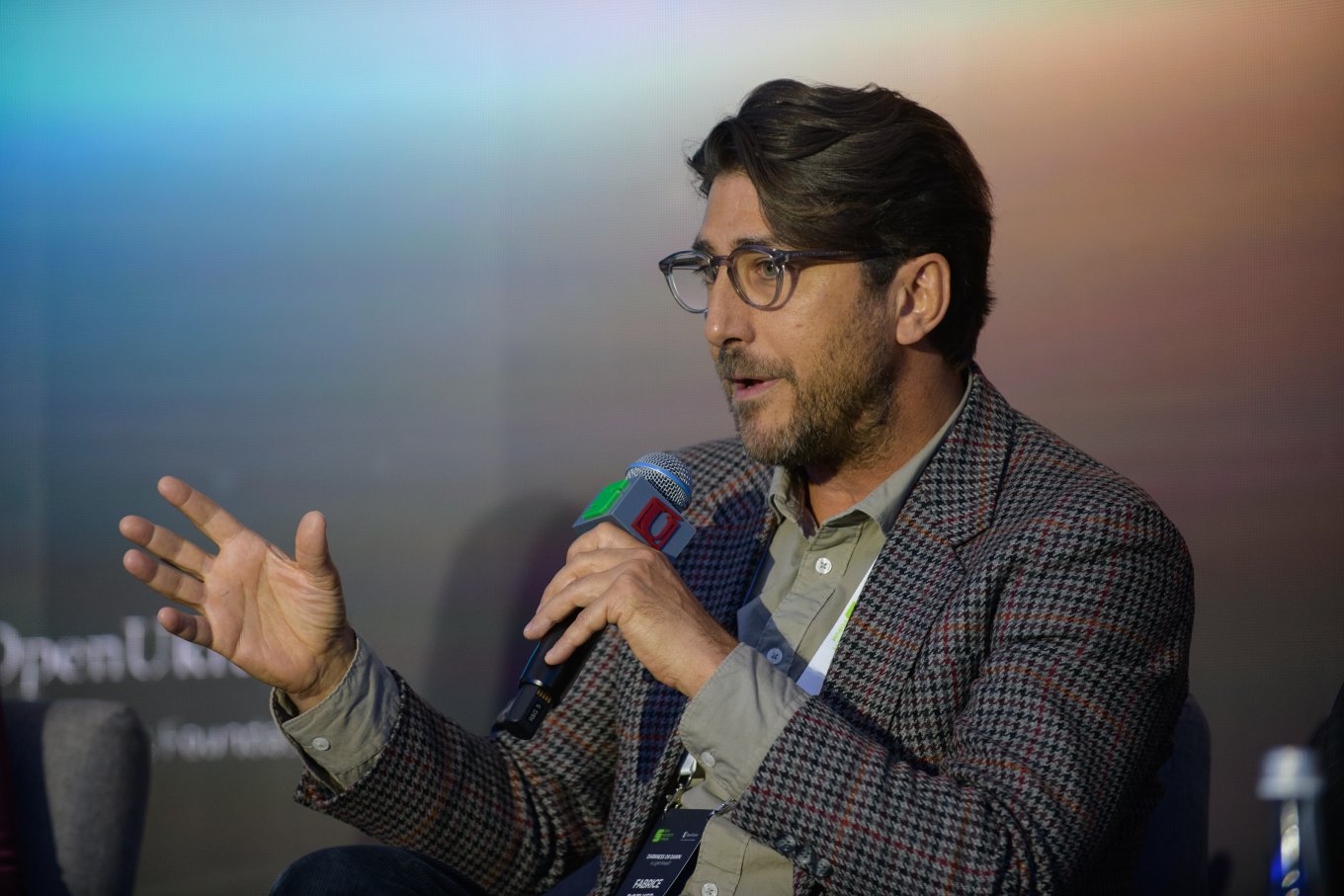
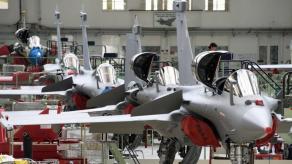
But the problem is that this money is going into traditional sectors — ground weapons, aircrafts for example. And that creates a stockpile problem. We have Tomahawks, but not enough of them. The bottom line: the entire European continent, including the United Kingdom, holds approximately seven-ten days' worth of missile stockpiles for high-intensity warfare. Despite modern aviation and capable naval forces, Europe is not prepared for a prolonged conflict without adequate ammunition reserves.
What the Kyiv Security Forum made clear is that the West no longer treats direct conflict with russia as an abstract scenario. Forum participants were broadly united that russia poses a genuine threat to European security while remaining divided on how soon moscow could translate that threat into action. On one point, however, the international experts present were in full agreement: Europe is currently not capable of adequately deterring russia by military means alone, and must do everything possible to build that capacity.
What a credible deterrent looks like in practice, Europe's neighbors have been watching for four years. Ukraine — outgunned, outmanned, facing the largest nuclear arsenal on the planet — has held russia's main forces in place and systematically degraded its military and economic potential. It is the clearest demonstration available that a determined country can sustain resistance against a much larger adversary. That lesson, more than any forum declaration, may be one of the most important thing the Kyiv Security Forum had to offer.
Read more: Airbus Wants to Turn A400M Into Carrier for 12 Cruise Missiles Like Taurus – Could It Be Relevant for Ukraine?