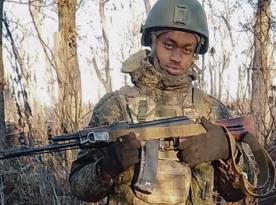
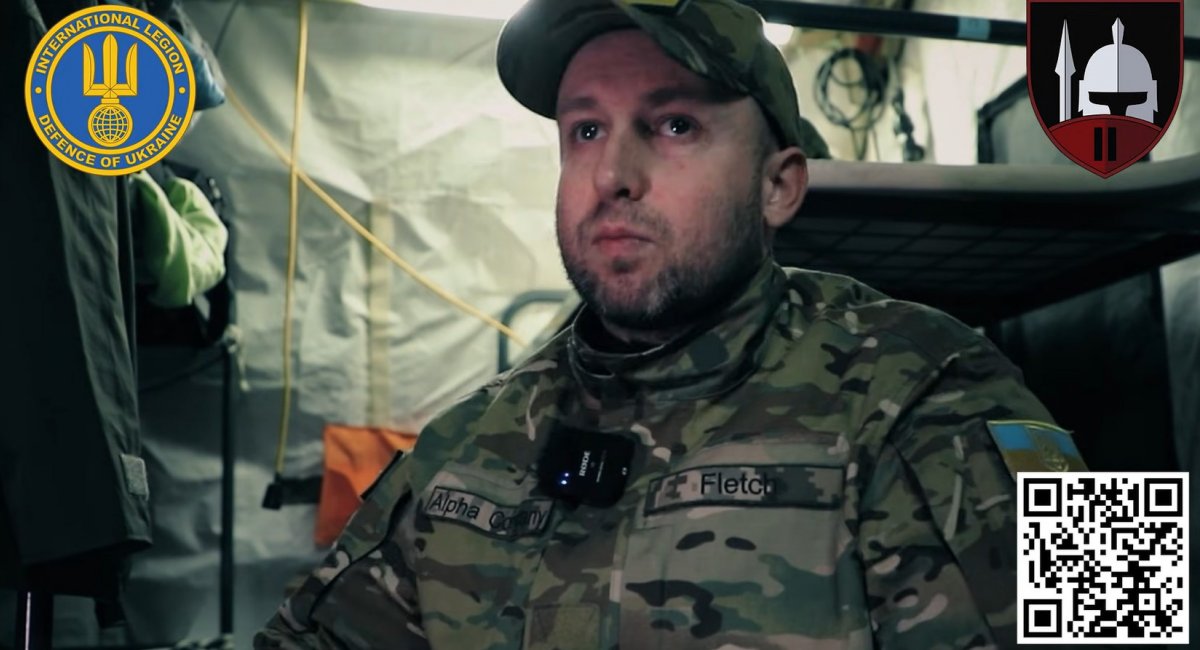
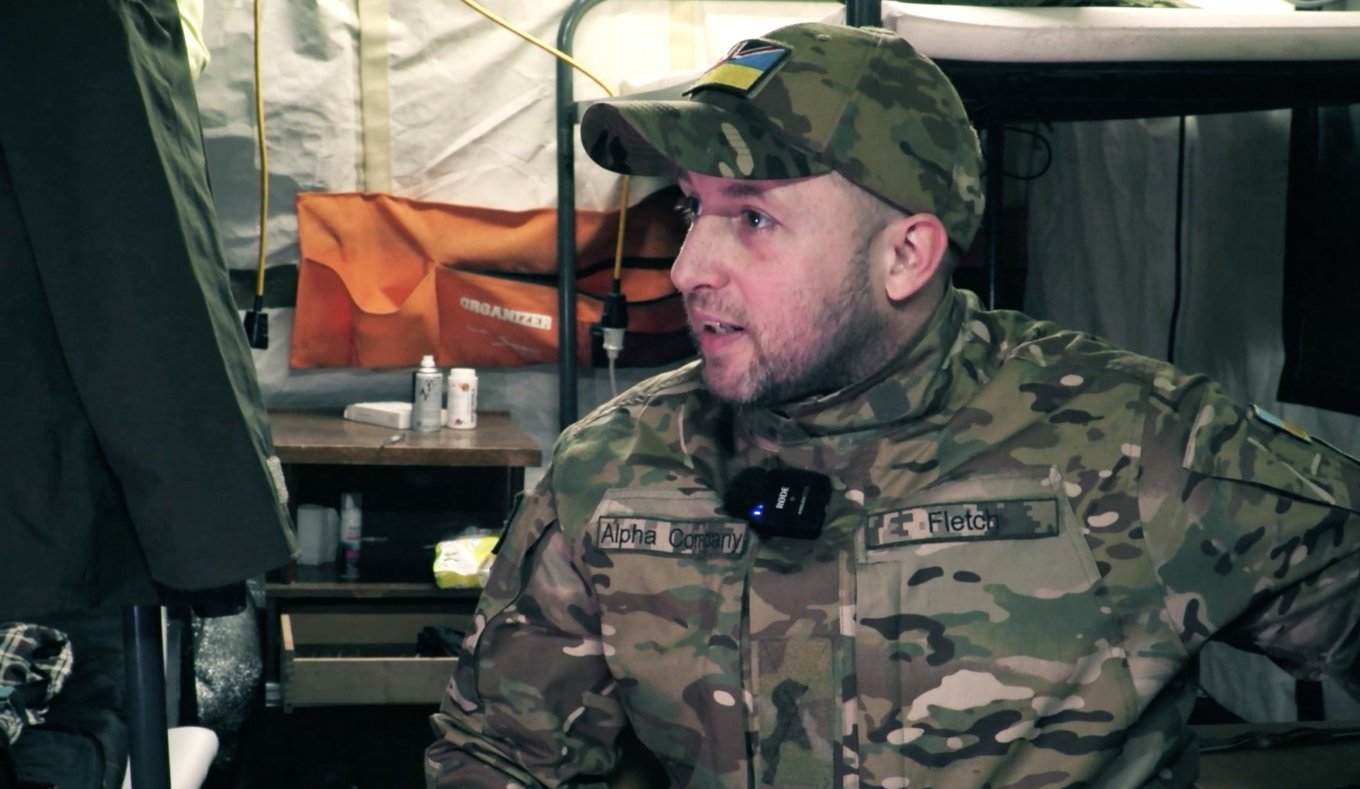
Dangerous rescue operations in the most remote corners of our planet, neutralizing the effects of pandemics, providing assistance after volcanic eruptions and other natural disasters, fighting against russian occupiers in Ukraine, artillery hell, close-range automatic weapon firefights, concussions, and injuries. These difficult experiences changed the legionnaire physically. From an athletic vegetarian, he turned into a strong meat-eater, changed his hairstyle and appearance. Despite this, the warrior remains a bright and strong personality, faithful to his principles. Everything about this man is impressive: his academic knowledge of history and human nature, the incredible burden of other people's pain in his heart, and his chivalrous ruthlessness towards his own injuries and losses. His strongest and most painful impression, and at the same time his call to take up arms against the russian invaders, remains the terminally ill Ukrainian children from a hospice in the Kharkiv region during an air raid under russian missile and drone strikes.
Fletcher was on the ocean coast after a grueling rescue mission when the large-scale russian invasion began:
Read more: International Legion for the Defense of Ukraine Stands Shoulder to Shoulder with Ukrainians
"I was living a carefree life on the beach, and as soon as the full-scale invasion began, I realized that I had to take part in repelling it. I had a mindset that allowed me to throw myself into the storm rather than run away from it. And I wanted to live a purposeful life again, because before settling in Thailand, I was a disaster relief worker in Indonesia. My friends had a gym, we trained orphans, I helped rebuild infrastructure after earthquakes, landslides, and mudslides. I realized that I would never forgive myself if I didn't try to get involved and be useful.
Almost immediately after arriving in Ukraine, Fletcher applied to join the International Legion. Given the fierce nature of the fighting and his lack of military experience, he was advised to use his skills as a civilian rescuer. Ukraine impressed the Briton at first sight and from the very first breath:
– Kharkiv, the fortress of Kharkiv, or impregnable Kharkiv, whichever you prefer. At first, I wanted to come here and help my friends, who were actually two exiles from russia. One of them now has a British passport, the other an American one. They will never be welcome in their home country. They were dissidents and spent the first year of the war helping Ukrainian refugees find housing, shelter, food, and other necessities. But they worked in the West, and I knew I had to be in the East.
I volunteered in kitchens in Kharkiv, cooking food, delivering it, and distributing it in schools and hospitals. I worked during blood drives and charity school events, and traveled to villages that had no electricity due to bombing. We were just a small cog in a big machine. But we went out and distributed food, and my friends organized entertainment and played games with the children. There were basketball hoops, dancing, and children—from tiny little people, little girls and boys, to slightly older people.
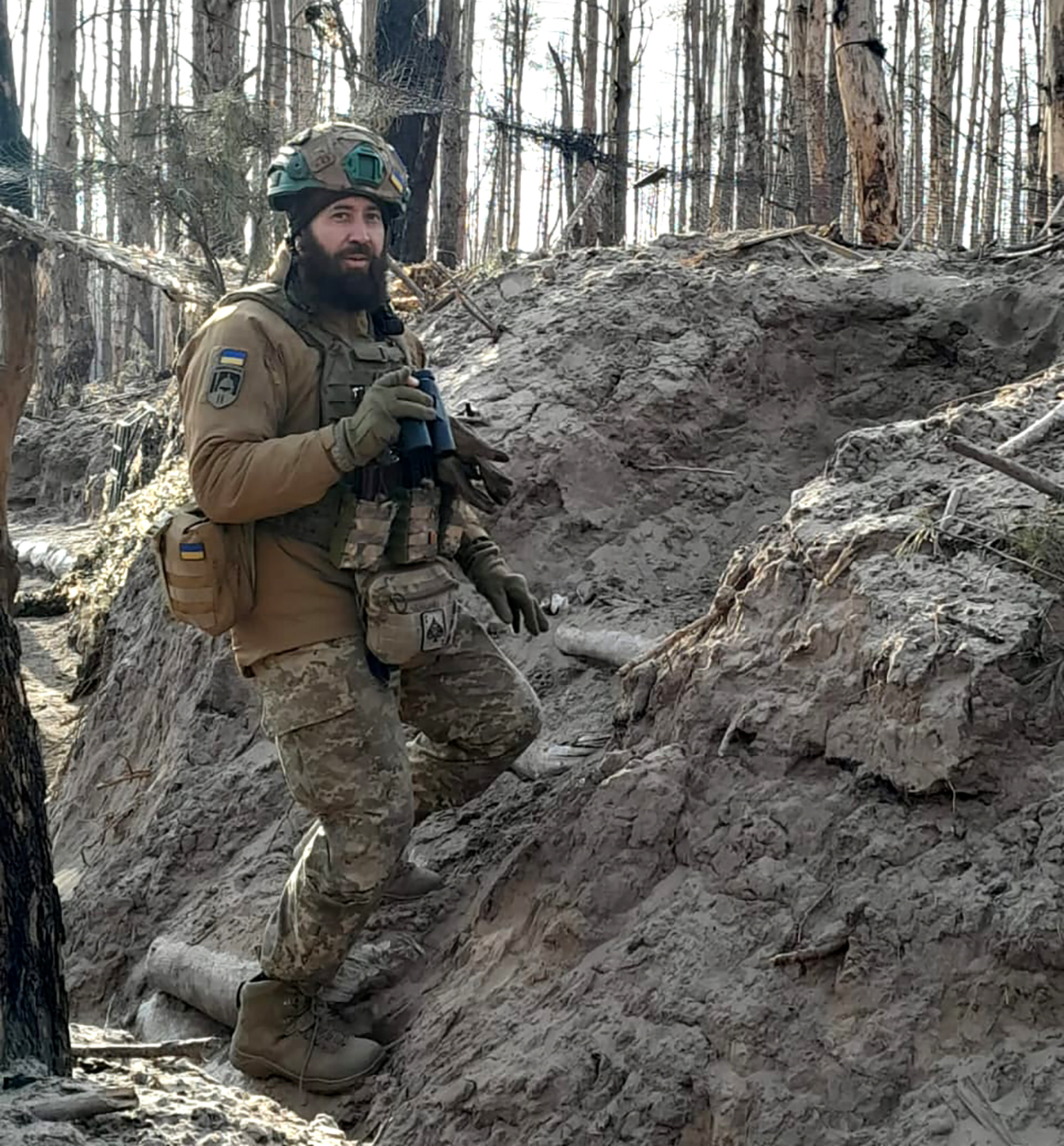
During these trips, a series of situations arose that forced Fletcher to insist on his decision and get himself enlisted in the International Legion.
– I started working with the Push Jump team. They traveled and held events in schools and hospitals. I served food while they entertained children in hospices. Children who were seriously ill and dying. Nothing hardens the heart and makes you want to hurt the enemy like being surrounded by seriously ill children, many of whom are dying and have a short life expectancy. And then the air raid sirens start, and you have seriously ill disabled children in your arms who are in a state of stress. It's just a terrible situation. This is the side of war that outside observers don't always see, and even people who are involved in the armed struggle. They don't see the terror that disabled children live in.
Everyone knows the famous video footage from Mariupol, shot by an AP (Associated Press) journalist. The journalist who filmed “20 Days in Mariupol” received video footage from the maternity hospital. And then Lavrov and all those russian scumbags came out and said that these were fake actors, a fake hospital, fake news. Everyone saw the footage of the mother who lost her child and died because of the bombing of the maternity hospital. But on a smaller or larger scale, this was happening everywhere, throughout the East, from North to South. And it continued to happen long after the siege of Mariupol.
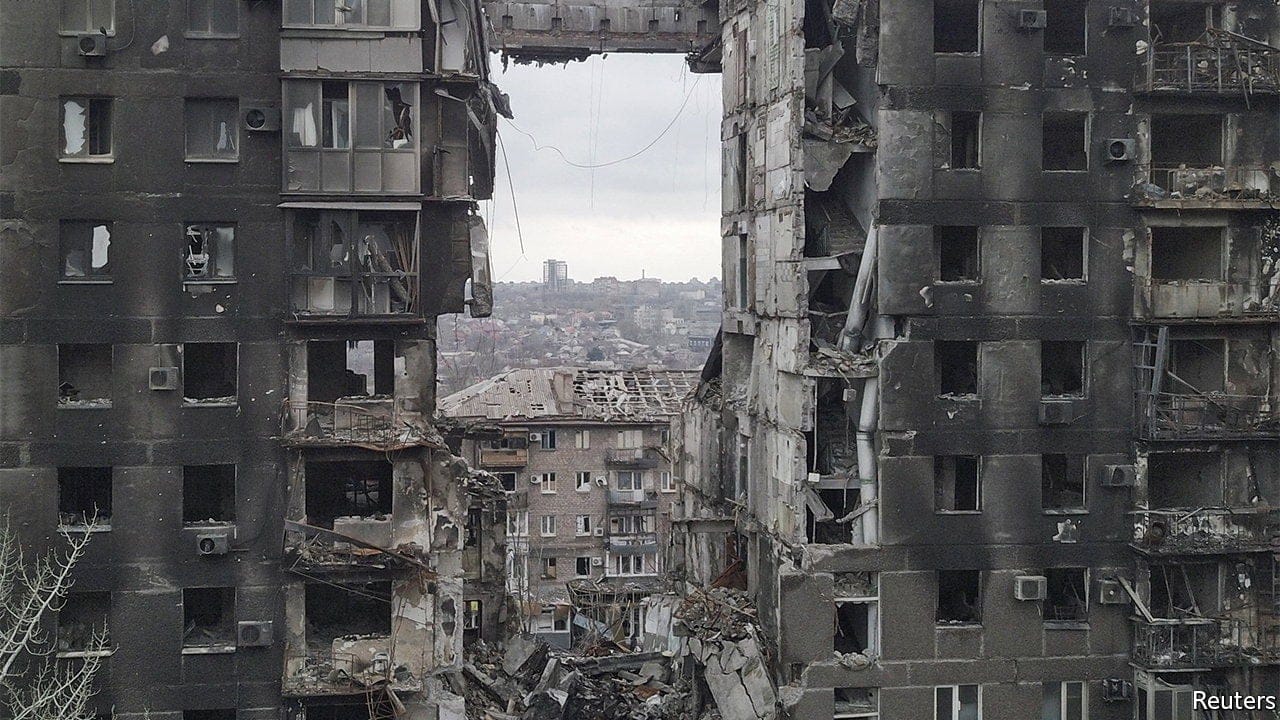
A year after his first attempt to join the Legion, Fletcher was no longer working in the kitchen, but his friend Francis, a Red Cross representative, told him that he was going to Chasiv Yar. The humanitarian situation there was dire. People in the bomb shelters had run out of food and were forced to catch and fry rats.
The very thought of people hiding in basements and eating rats is just horrible. So we went around to different factories, collected food, and tried to deliver it. But the combat situation was so difficult that my friends and I were not allowed to pass, even with the international Red Cross certificates they had, because this trip would have been suicide. So all the medical supplies remained in the hospital in Konstantynivka.
And then a russian S-300 missile exploded in the middle of a nearby market, killing 26 civilians. Several dozen civilians were injured. They were all completely innocent people who were just going to the market, a normal Saturday market, going about their business. They just happened to be very close to the front line, in a city on the front line, and the missile ended their lives and destroyed the lives of their families, who now have to bear this pain. All this pain is not only for the people who died. It spreads. So, the market in Konstantynivka was bombed, and we had just left medical supplies at the hospital in Konstantynivka. We couldn't even get to Chasiv Yar to bring food there. And we knew that people there were eating rats. And I just realized that I couldn't live with myself if I just continued to do volunteer work. When the summer offensive had just failed, the Ukrainian Armed Forces needed manpower. They needed people. So I reapplied for military service, and this time, in September 2023, I was accepted.
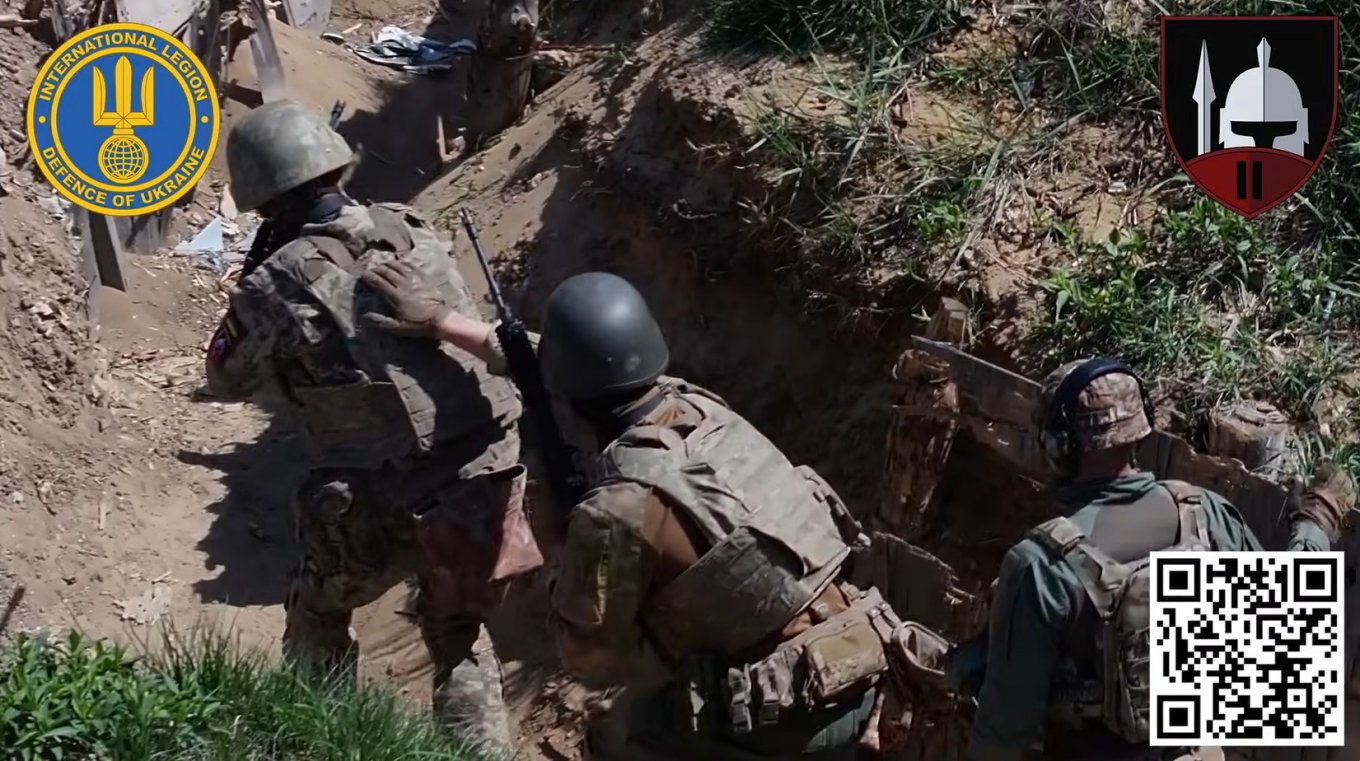
After a year in Ukraine, dangerous volunteer work in an active combat zone, and extensive communication with various people, both military and civilian, Fletcher formed a firm intention to join the International Legion.
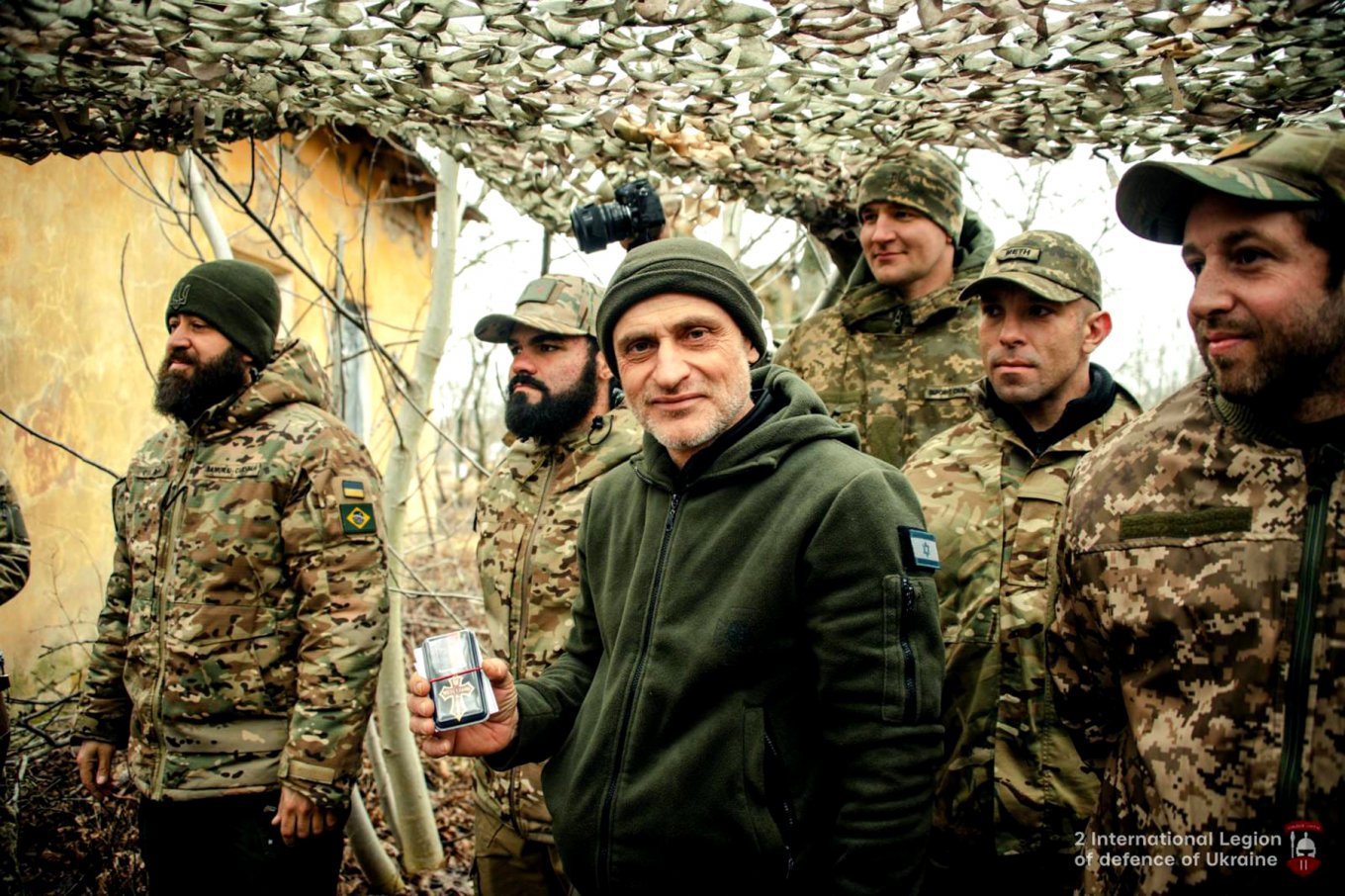
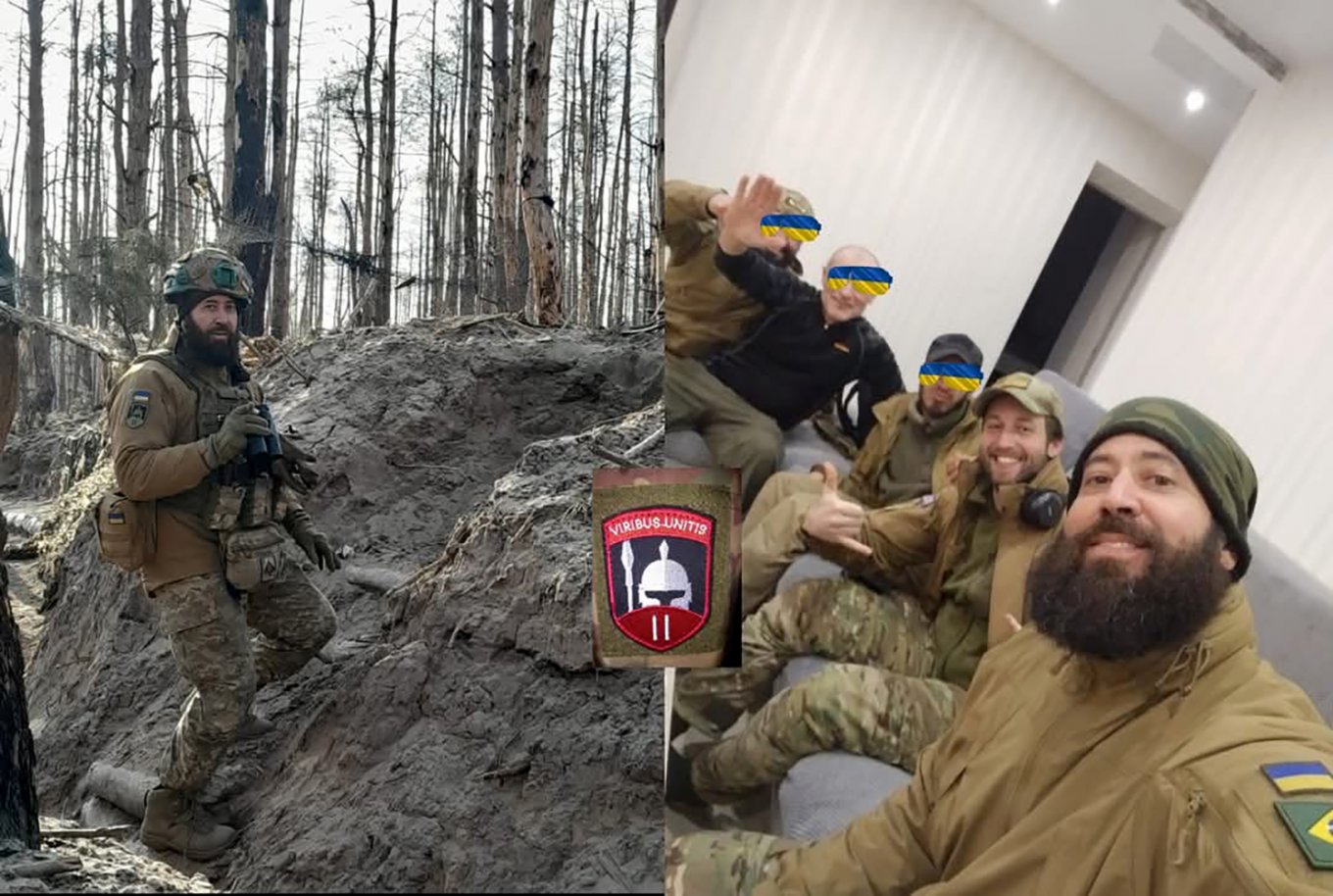
"At first, I was sent to Azov in September 2023. But then I asked to be transferred to the Legion itself, that is, to one of the three combat battalions. At first, I was going to join the first one, but then my Brazilian friends joined the second one. It was a bit unusual, but communication was not a problem because I am English and I speak Spanish.
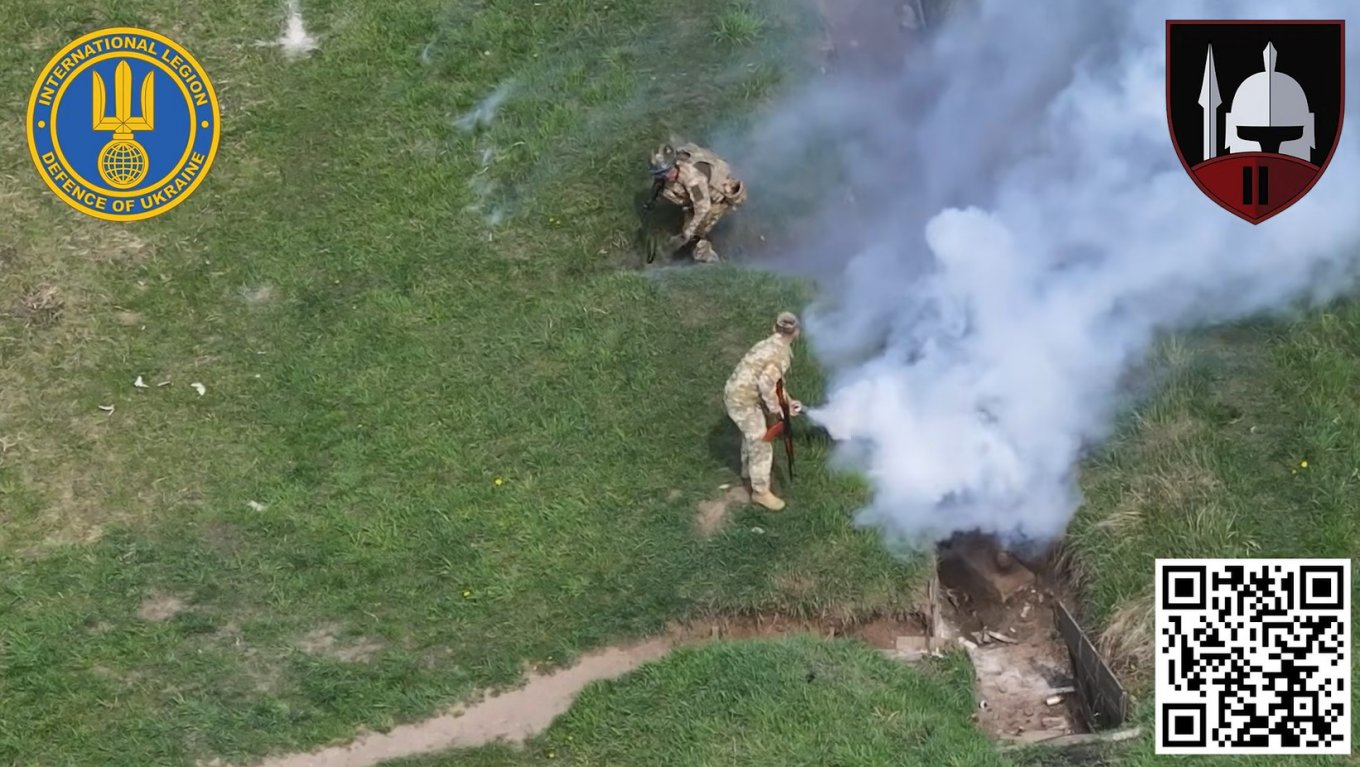
Fletcher has a dozen difficult combat missions behind him. During each of them, in addition to artillery shelling and drone attacks, there were close-range firefights with the enemy.
I only had two cases where contact was minimal. But then you dig and repair positions, build new forward positions, and they are still shelling, drones are still flying, that is, indirect fire continues. But yes, I would say that during seven or eight missions, there were quite frequent battles involving small arms. They infiltrated at night because our sector in Luhansk was very close to them. And we were obviously vulnerable to their superiority in human resources, drones, and firing capabilities. And when the enemy only needs to sneak up on you, when they can be at your positions in 10-15 seconds of running or walking crouched down, then obviously you are always vulnerable.
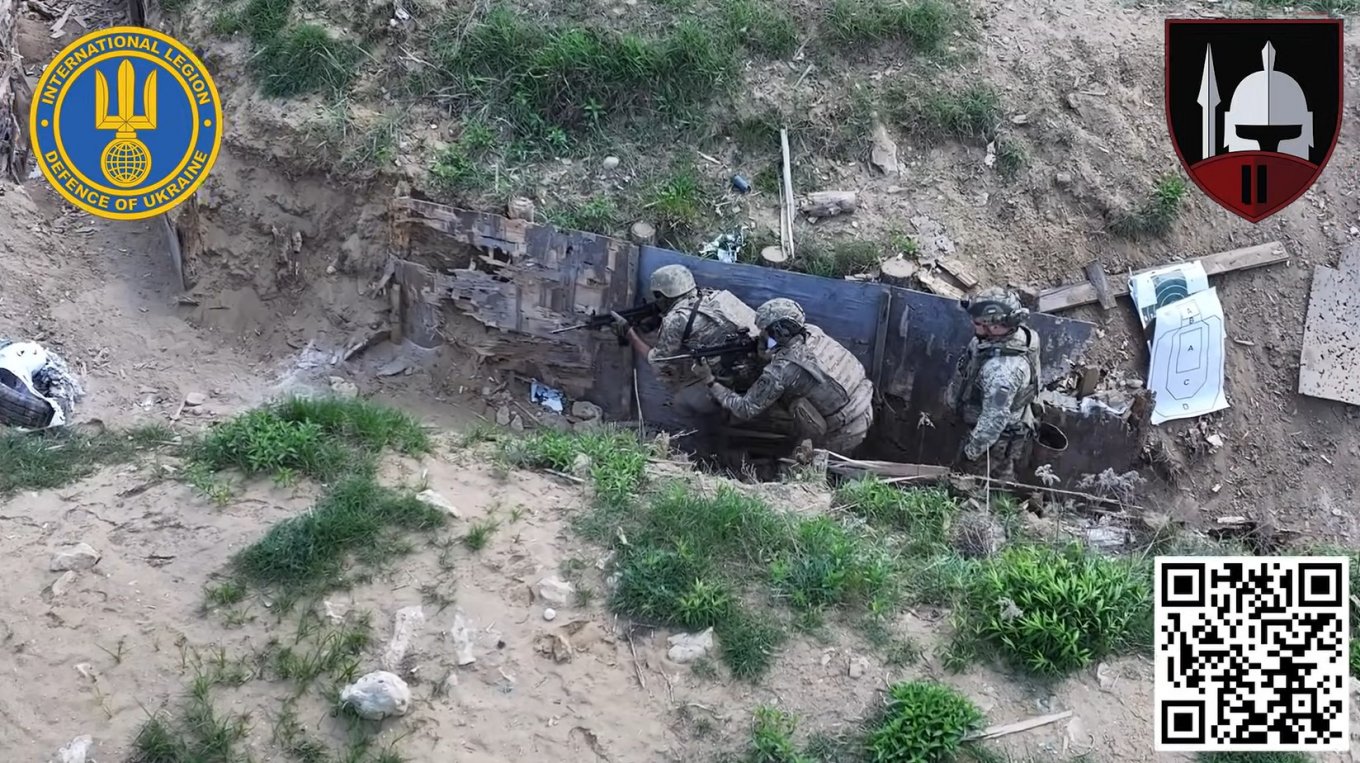
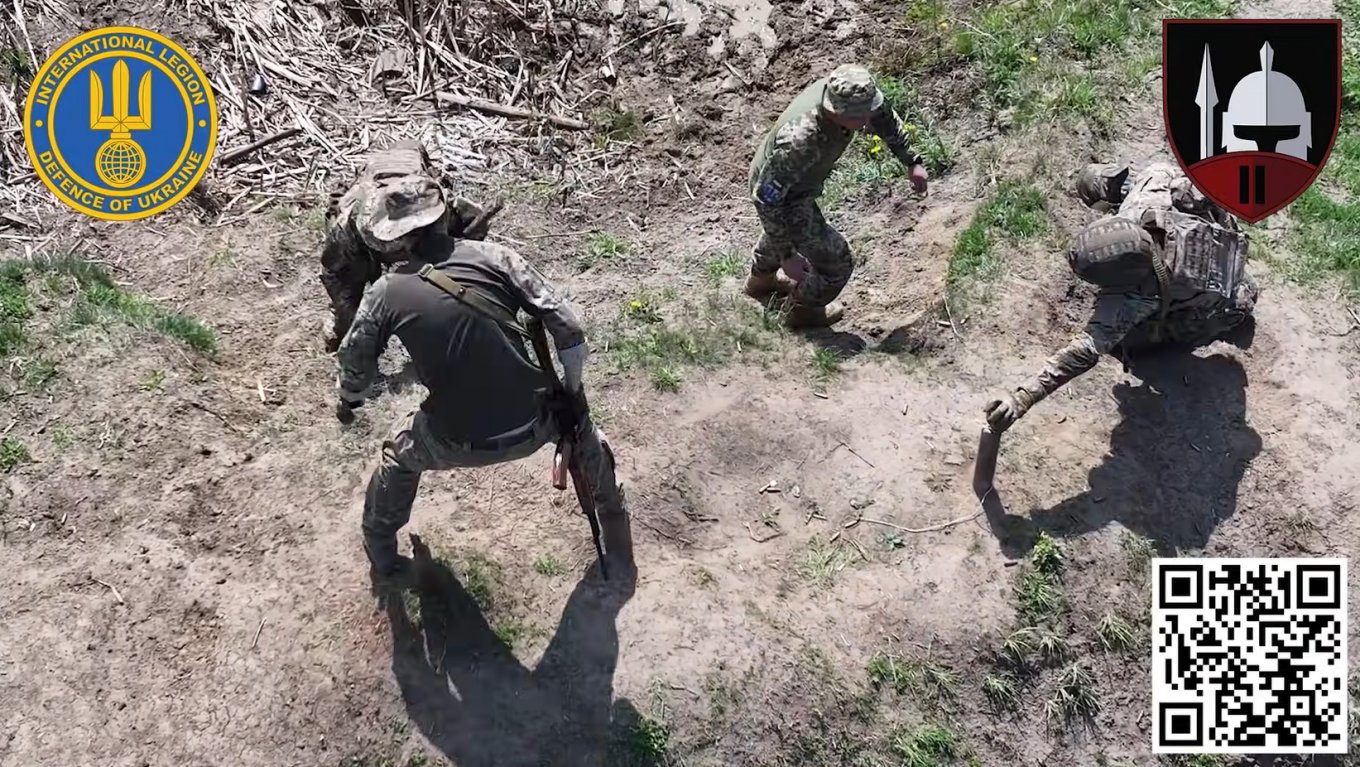
The circumstances under which Fletcher was able to survive and accomplish his combat missions clearly characterize him as a strong, indomitable warrior and a highly skilled fighter. This is exactly how his comrades describe him in battle. But the Briton himself speaks very modestly about his combat skills, with a touch of self-irony:
"I would probably be lying if I called myself skilled. I don't know, just a ‘digger’. I dug, shot, and occasionally launched something that exploded. I'm afraid I wasn't a very versatile, multifaceted operative. I was just a simple soldier.
Unfortunately, the extreme stress and fierce fighting took their toll on his health.
"During at least five of the ten missions, I had a brain hemorrhage. I told myself, 'Fletch, it's okay. A concussion, under such circumstances, is normal, as always. Come on, fight! After all, it always happened during contact.
But his comrades began to notice the deterioration in the soldier's health. The legionnaire insisted that everything was fine with him and refused to leave his combat position. Then, in order to understand what was happening, his platoon commander came to him.
My platoon commander came up to me and conducted an experiment with my fingers. I was confused by this simple experiment. I said, “Well, I know you have fingers, but I don’t know how many you raised.” So he took me out of rotation. I said, “Okay, let me go. I'll sign the papers, go back to England, and get treatment.“ But the battalion commander at the time didn't agree: ”No, you're my soldier. You deserve free treatment here or abroad. I'll send a medic with you to the Kharkiv Military Hospital."
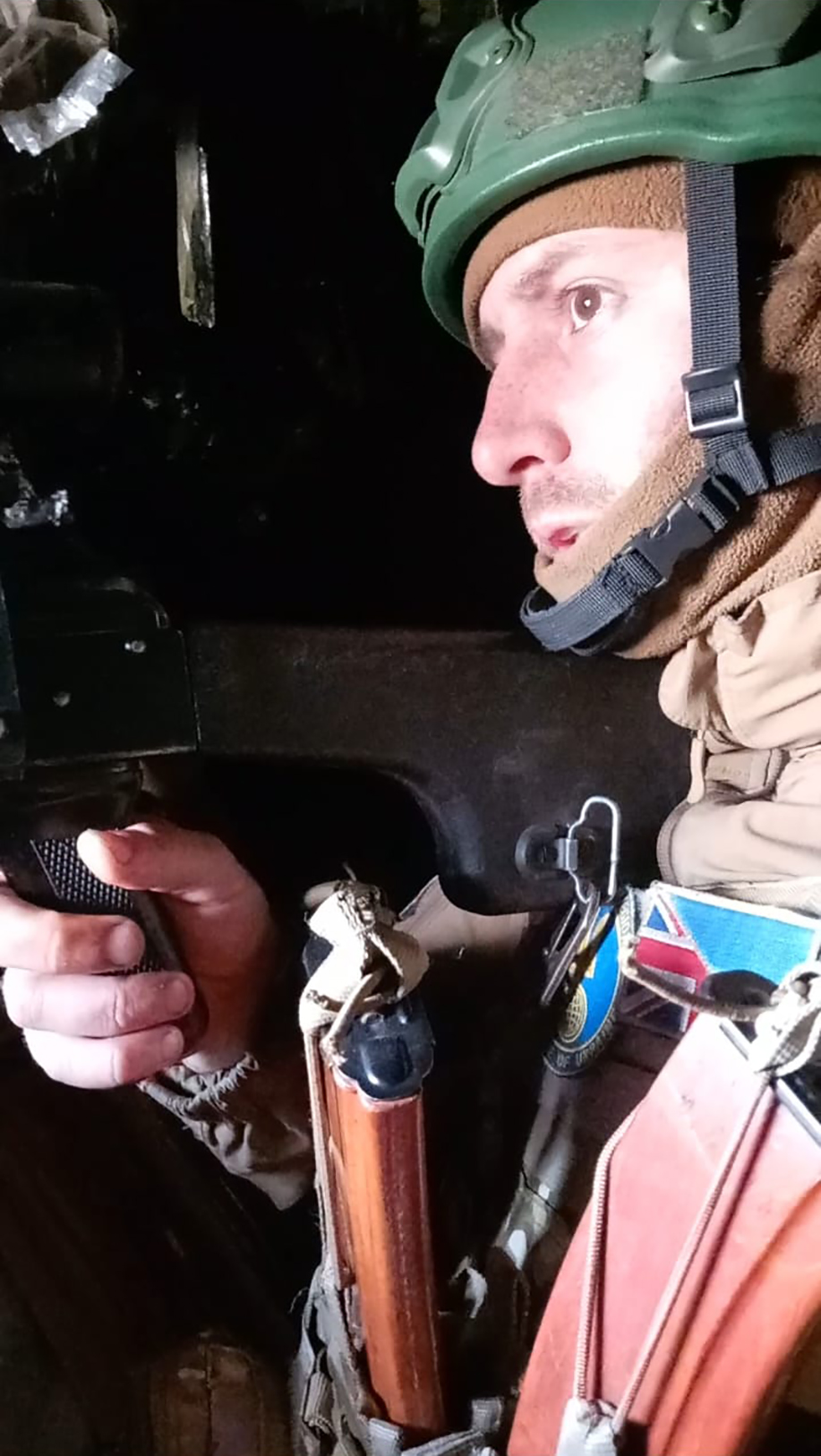
For Fletcher, defending Ukraine from russian invasion is not just a general concept or a war of “good against evil.” The legionnaire has a literal academic knowledge of history and is very familiar with the contexts and specific events of both the past and the present. His decision to take up arms was a well-thought-out and conscious one.
No one here will ever forget the suppression of Ukrainian independence, collectivization, the Great Terror, the Gulag, the Holodomor, and the cultural war that was waged over language. I mean, a significant part of my social circle is in Kharkiv. We had a language club in an art gallery. Poets and musicians came from Kharkiv and the surrounding Kharkiv region and shared their poems, live music, and theatrical performances, all in Ukrainian. In a Russian-speaking or “Kharkiv-speaking” city. But now all the art here is in Ukrainian. Because they know how insidious russian propaganda has worked over the centuries. When they were told: “Let the local peasants speak the local language, but if you want to be in Kharkiv, if you want to be in the city, if you want to be a resident of a metropolis, cultured and refined, doing business with sophisticated people and connoisseurs, then you must speak russian.” And generation after generation, this seeps in. It's a war on culture, not to mention the fact that so many artists, poets, musicians, and writers were sent to the Gulag or executed during stalin's time.
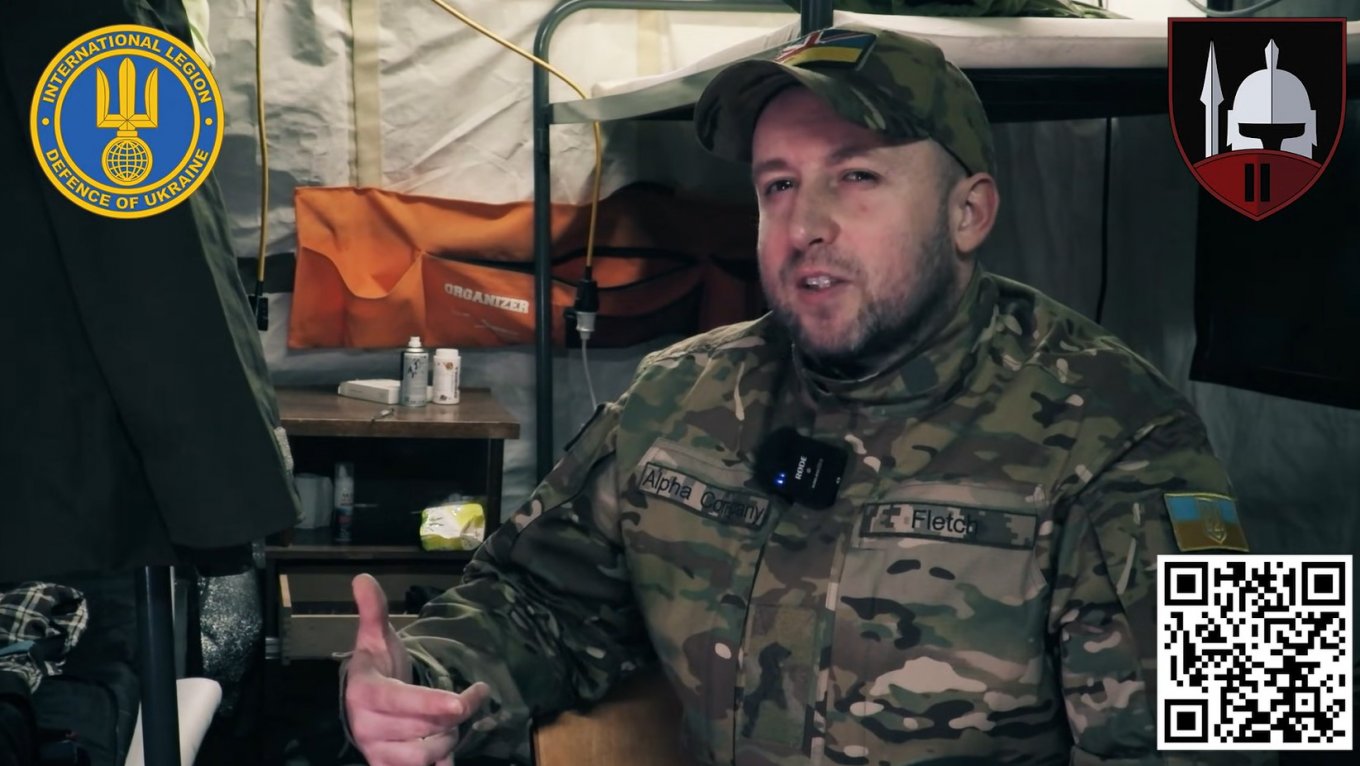
Fletcher understands the realities of modern warfare and the current behavior of the evil russian empire no less than he understands the facts of historical past: the victims of Lyman, Mariupol, Yahidne, Bucha, Irpin, Izyum, and countless other places where there were mass graves and spontaneous killings, spontaneous gang rapes, and torture chambers set up in basements cannot be forgiven. The russian military occupation is not gentle, it is not friendly. There are random killings, random rapes, and random torture. All of us, every soldier I know, we see footage of captured soldiers, and in some cases, even civilians. We have seen footage of the Wagner Group castrating people with box cutters. We have seen people being beheaded, their heads sawed off with machetes. We have all seen the atrocities that the russians are committing against Ukrainian civilians and soldiers. Look at Yahidne. This is just one village. All the inhabitants of this village, more than 300 people, were placed in one basement room. Women were ruthlessly raped, and men were tortured and killed. They were kept in this torture chamber for a month and a half. And this is just one village.
The legionnaire is well aware of the realities of combat. So the question about advice for people who intend to join the military evoked conflicting emotions in him.
I knew that in many units that were on the front line, the casualty rate at that time was between 60 and 90%. And I knew that I would be killed or wounded, because sooner or later it happens to everyone. Young Ukrainians really must fight for their future. It's not for me to say, I have no right to force anyone. I don't think it's ethical to force people to fight. But maybe more of you should want this, because many of you need it. Without resistance from good, the victory of evil is a foregone conclusion. And this resistance must be in the material world.
Our meeting took place in a field camp tent. In addition to combat injuries, from which the legionnaire had not yet recovered, he was suffering from a viral cold. However, the effects of bleeding in the brain, a body temperature of 40 degrees, and the conditions of a winter field camp did not prevent the soldier, upon learning that journalists wanted to talk to him, from meeting the film crew “in full regalia.” After a shower, perfectly shaven, in a clean, ironed uniform and with awards. And that's him in a nutshell. Fletcher. A true Brit. A fearless defender of Ukraine. A legionnaire of the Free World. A man with a big heart who feels the pain and suffering of others, but never bows his head to his own trials. He can be wounded, but no force in the world can break him.
Text: Volodymyr Patola
Photos, video: Oleksandr Los, Yevhen Malienko, Volodymyr Patola, archive of the 2nd International Legion for the Defence of Ukraine
Video editing: Oleksandr Los
You can learn more about the International Legion of Defense of Ukraine and join them on the official website at: https://ildu.mil.gov.ua/
Read more: Warrior Tells Polish Journalists About 1st International Legion of Defense of Ukraine, Its Mission, russia-Ukraine War