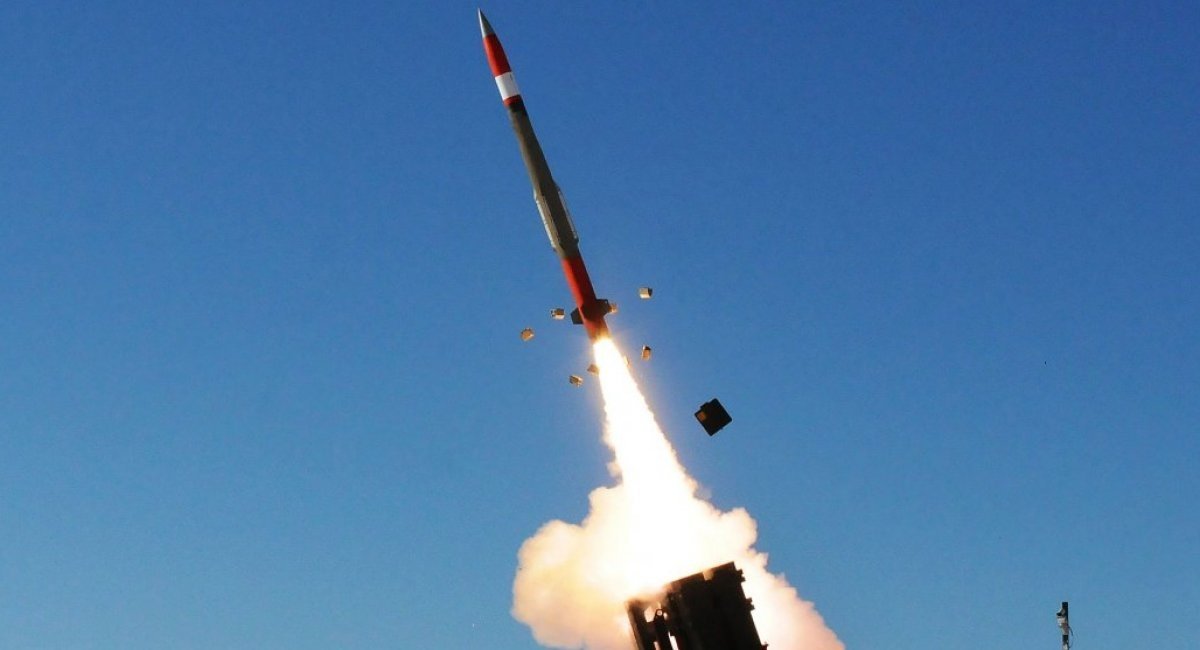
Lockheed Martin has been awarded a $4.761 billion fixed-price Pentagon contract to produce PAC-3 MSE interceptors for the Patriot air defense system. These weapons are used to intercept russian Iskander-M and Kinzhal ballistic missiles.
The U.S. Army will allocate approximately $265 million of the total amount for procurement in fiscal year 2026. An additional $4.496 billion will be allocated to the deal under the Foreign Military Sales (FMS) program.
Read more: Mysterious 200km AIM-260 JATM Gets 3x Funding Boost, Serial Production Starts 2027 Despite Recent Delays
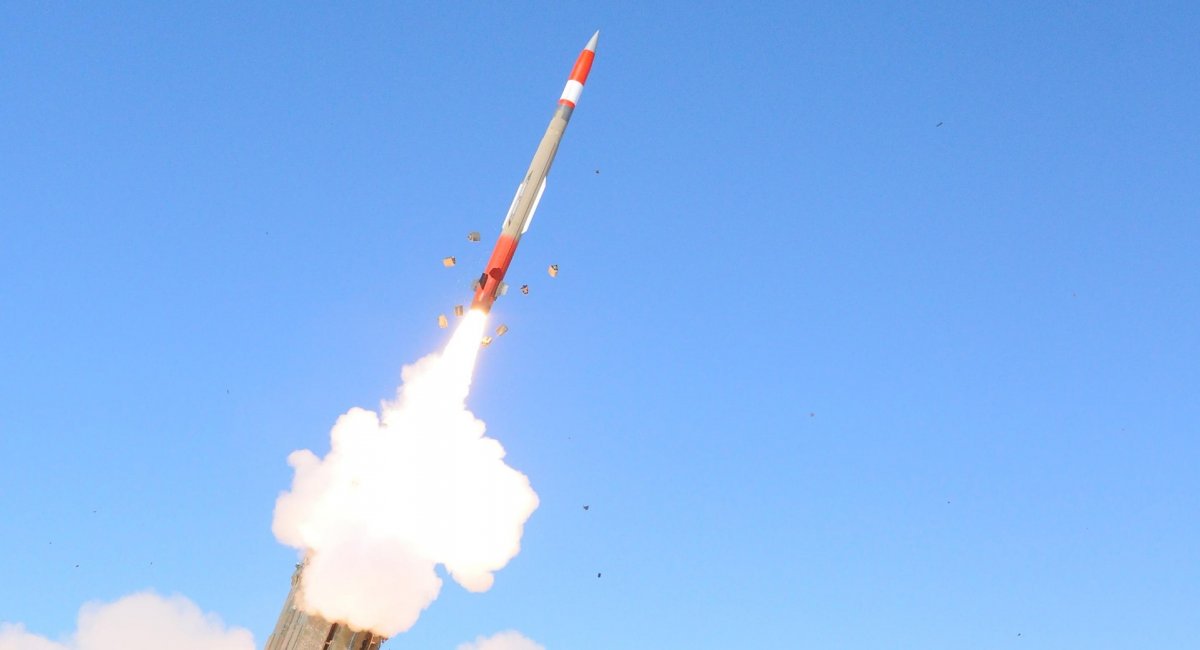
In addition to the interceptors, the agreement covers all related services, equipment, software, technical planning, project management, and manufacturing. The project is scheduled to run through June 30, 2030, covering a period of just over four years.
An analysis of the contract's funding indicates that the majority of the funds are allocated to export orders. In other words, the missiles under this contract are intended for foreign customers.
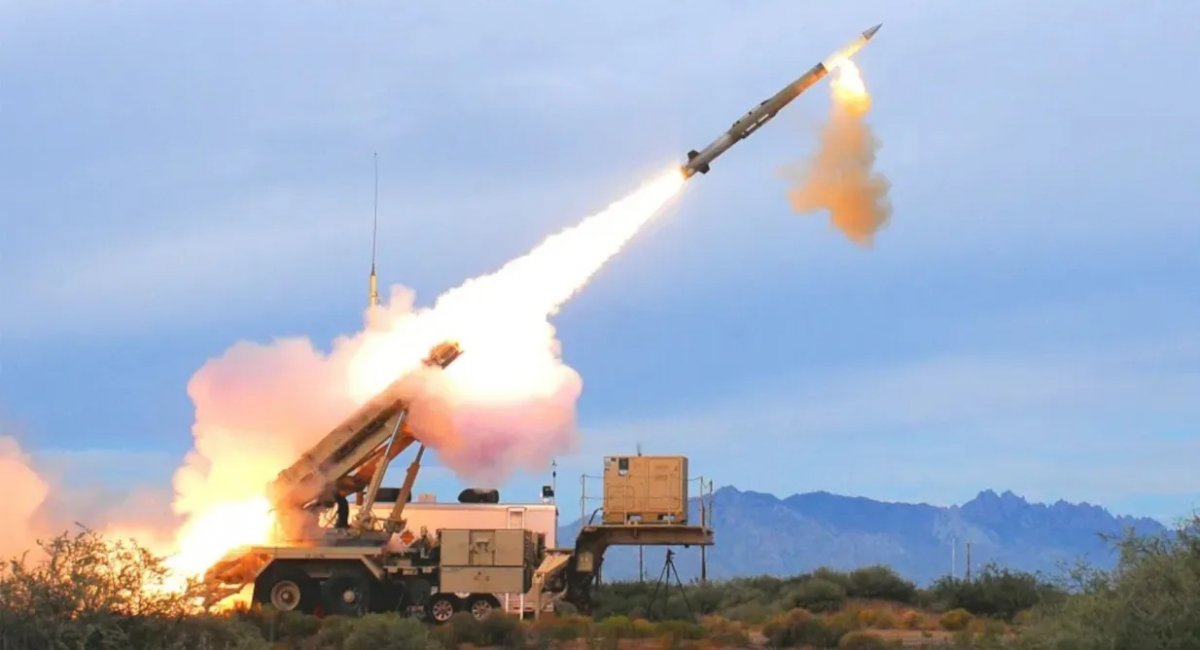
It should be noted that the U.S. Navy plans to order 405 PAC-3 MSE missiles in 2027 for $1.7 billion, equating to approximately $4.19 million per unit. Based on the same calculation, the current $4.761 billion contract would cover approximately 1,136 interceptors.
In 2025, production reached 620 missiles per year, and a framework agreement was signed to triple output over a seven-year period. This expansion also includes components such as seekers.
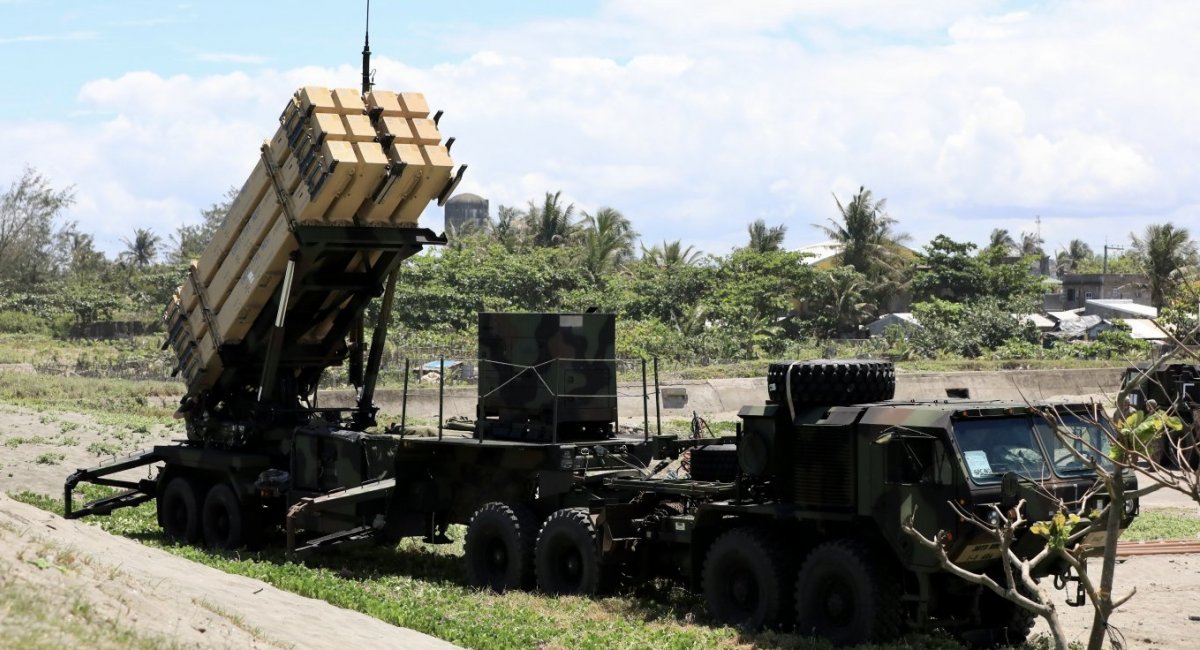
Currently, the PAC-3 MSE is the primary and most effective proven system used by the United States and its partners, including Ukraine, to counter ballistic missiles. It is important to note that at least two interceptor missiles are required for a single interception.
Since a large number of interceptors were used up during the war with Iran, the U.S. is actively working to ramp up production. Full funding is likely to be included in the record $1.5 trillion defense budget for 2027.
Read more: Spain to Hunt Shaheds Even With 1970s Anti-Aircraft Guns if Forced to Defend Its Skies