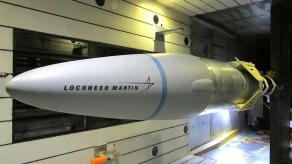



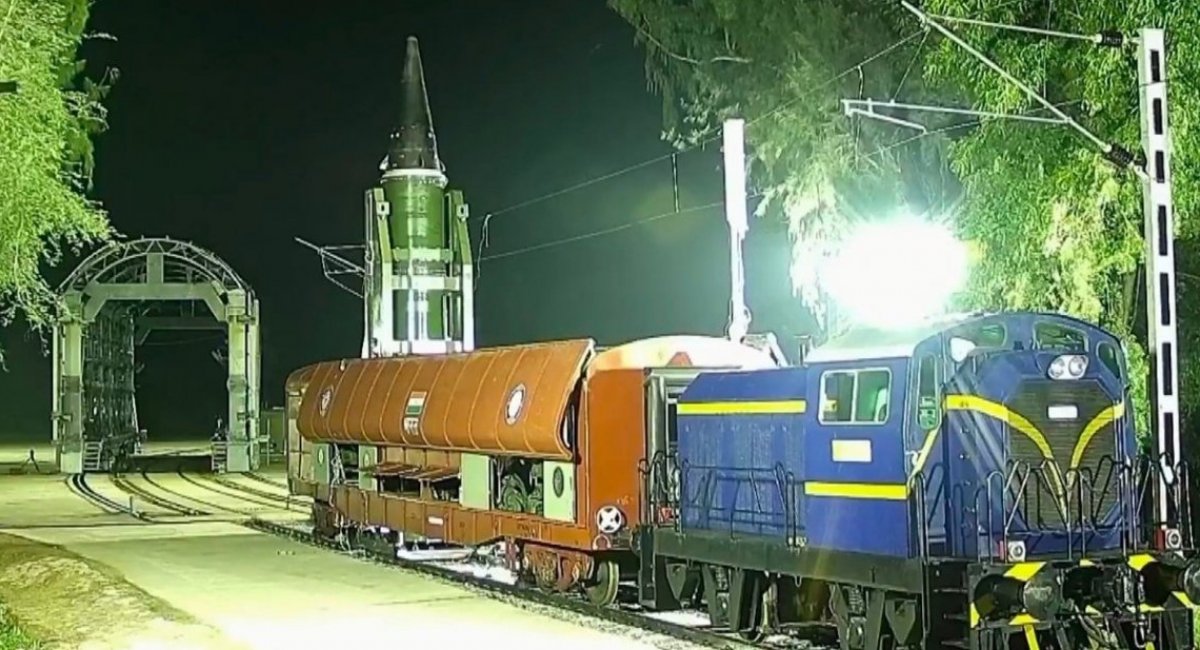
In September 2025, India conducted a successful launch of the medium-range Agni-P ballistic missile deployed on a rail platform. Since Agni-P belongs to the medium-range ballistic missile class, comparisons with russia’s Oreshnik missile immediately come to mind.
The analogy here is not entirely complete: Agni-P's maximum launch range is up to 2,000 kilometers (for Oreshnik it is 5,500 kilometers), though in both cases we are talking about a two-stage solid-fuel ballistic missile with a 1,500-kilogram warhead. However, far more interesting here is precisely the question of why Indians decided to put their Agni-P medium-range ballistic missile on a rail, and whether such a solution will become widespread, considering the cheaper option of a wheeled chassis.
Read more: Italy Eyes F-35 Highway Operations as Critical War Capability, Implementation Proves Complex
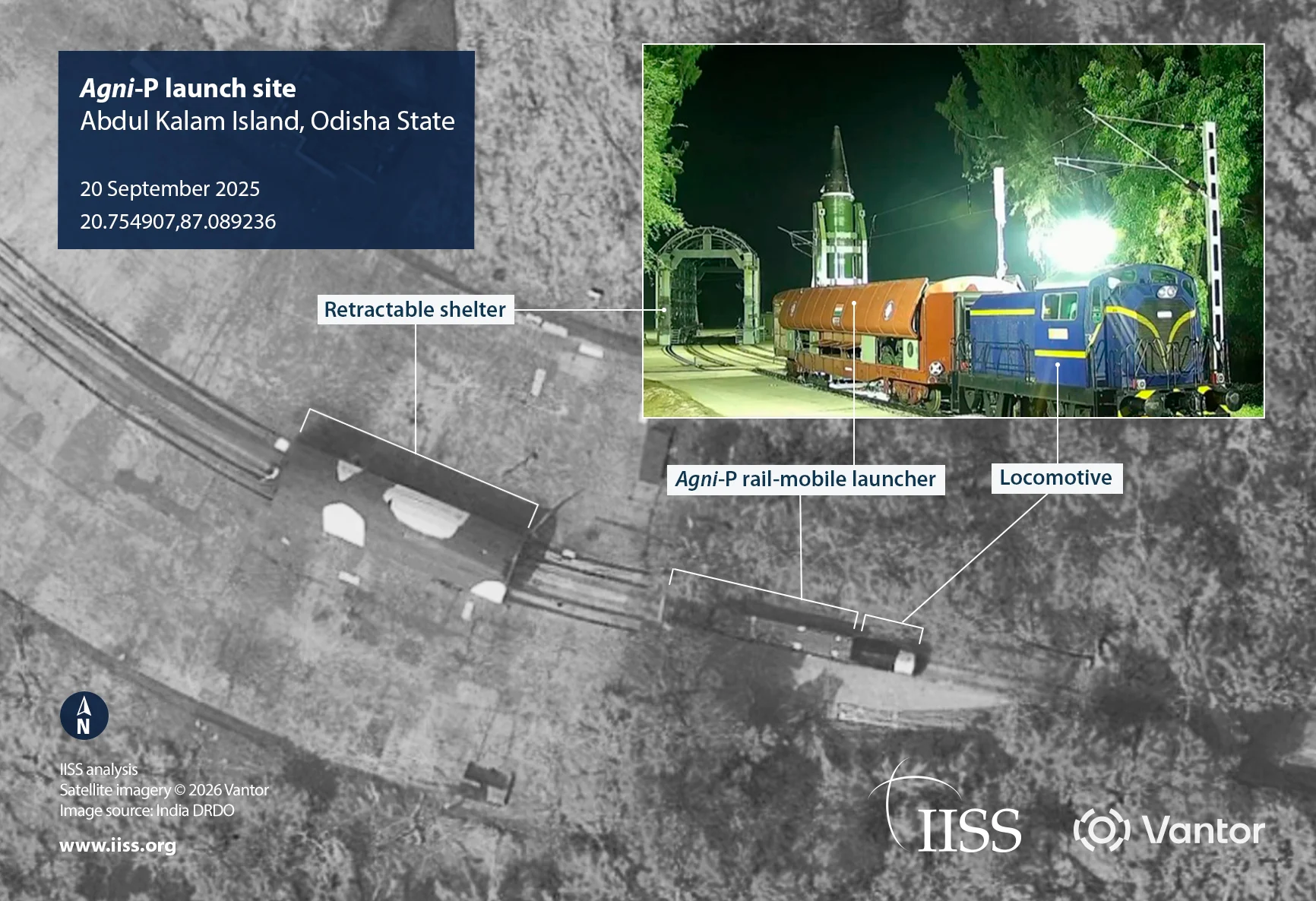
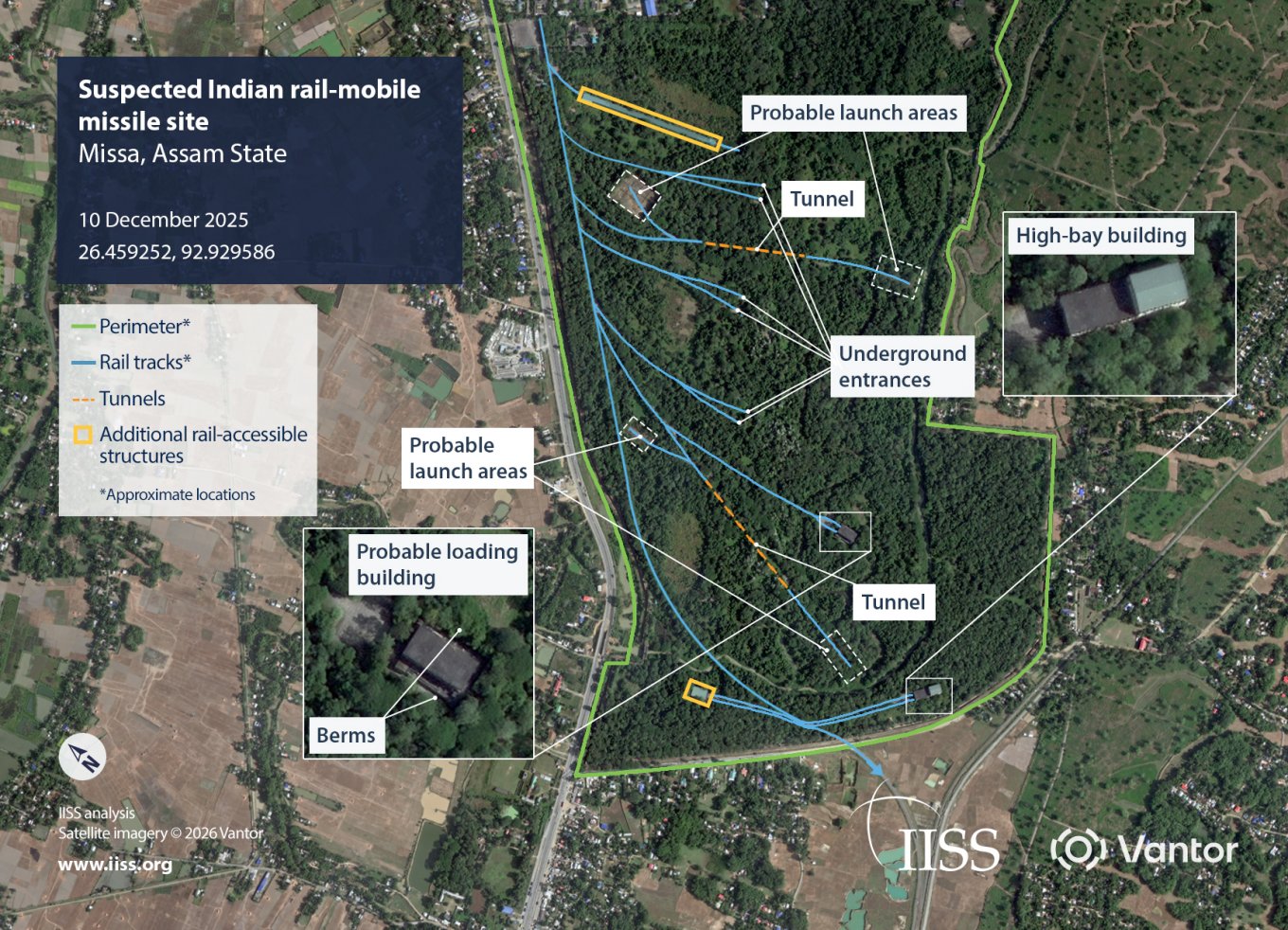
Experts from the authoritative International Institute for Strategic Studies (IISS) drew attention to this Indian military-industrial development in their publication "On track: India's rail-based Agni-Prime". In brief, the essence is as follows.
The decision to put a medium-range ballistic missile on rail may be interesting for India itself, if only considering the country's terrain features, mountainous terrain predominates there, and the quality of the road network leaves much to be desired. Railways in India are extensive, predominantly electrified, and reliance specifically on rail communications may paradoxically provide better mobility and flexibility than using wheeled chassis for medium-range ballistic missiles.
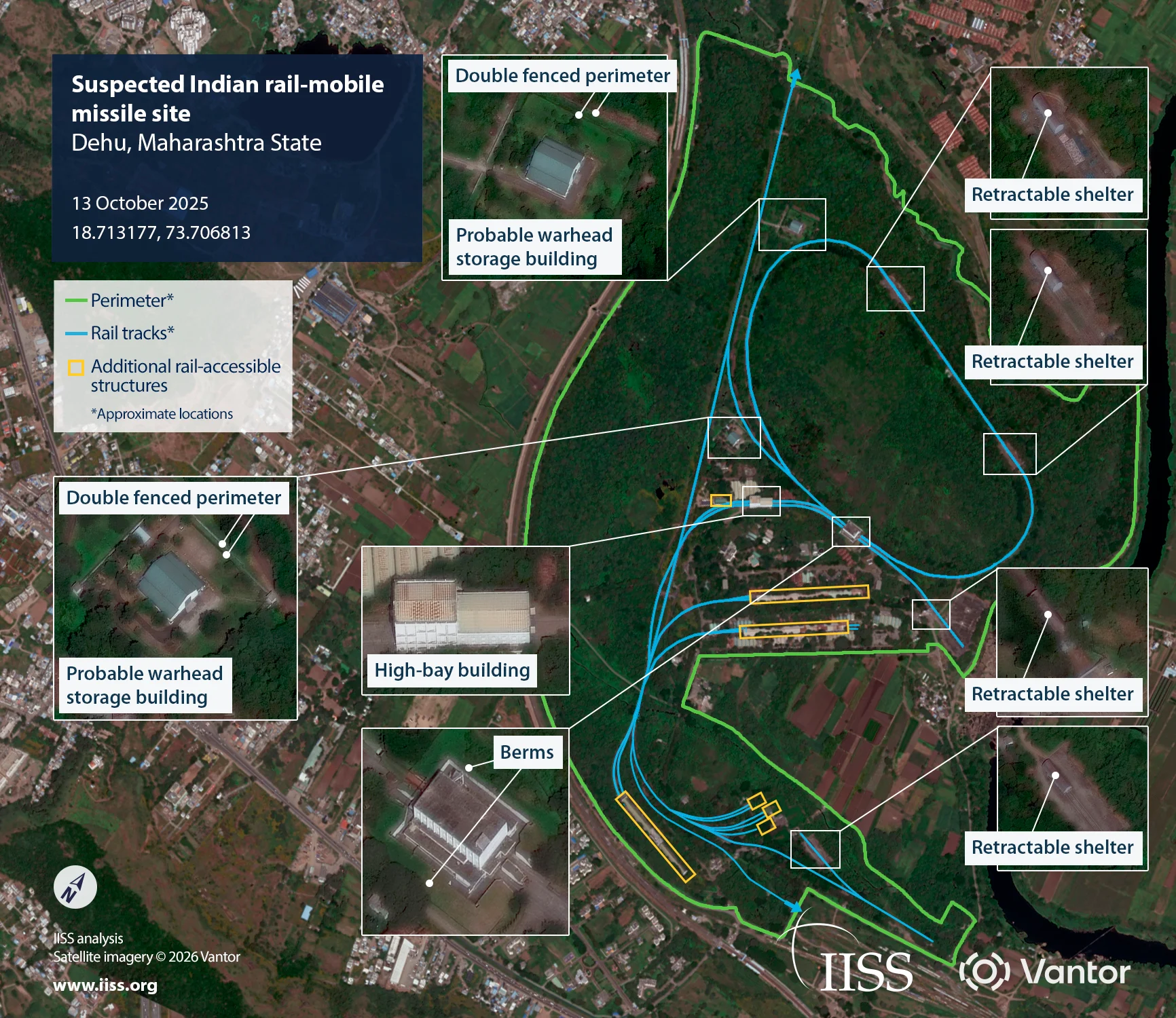
Based on satellite imagery analysis, IISS authors identified at least two facilities where rail-based Agni-P missiles may be based. The first is in Dehu, 700 kilometers from the Pakistan border; the second is in Missi, near the China border.
The very fact that India has medium-range ballistic missiles with a rail-basing option attracts attention because examples of similar projects can be counted on one hand. From this list, only the Soviet Molodets rail-mobile missile system with RT-23 ICBMs became serial. Next, we should recall the unrealized American rail complex project for LGM-118 Peacekeeper ICBMs (retired in 2005).
China studied the conceptual possibility of deploying DF-41 intercontinental ballistic missiles on rail; however, in practice, this project was not implemented.
North Korea in 2021 conducted tests of a rail launcher for the KN-23 ballistic missile. However, this work also did not receive further development.
Ivan Kyrychevskyi, serviceman of the 413th Regiment of the Unmanned Systems Forces "Raid", expert at Defense Express
Read more: Japan Showcases Unusual Cylindrical NEC-LR-02T AESA Radar: Key Advantages and Its Appeal to Middle East