Standing in front of a Le Triomphant-class nuclear submarine capable of carrying 16 ballistic missiles, French President Emmanuel Macron announced a shift toward enhanced nuclear deterrence.
During his speech at the strategic naval base of Île-Longue on the west coast, he announced that France would expand its nuclear arsenal while no longer disclosing its size.
Read more: Fast, Cheap, and Quality: France Proves You Can Only Pick Two With Sub-€1,000 Training Drones
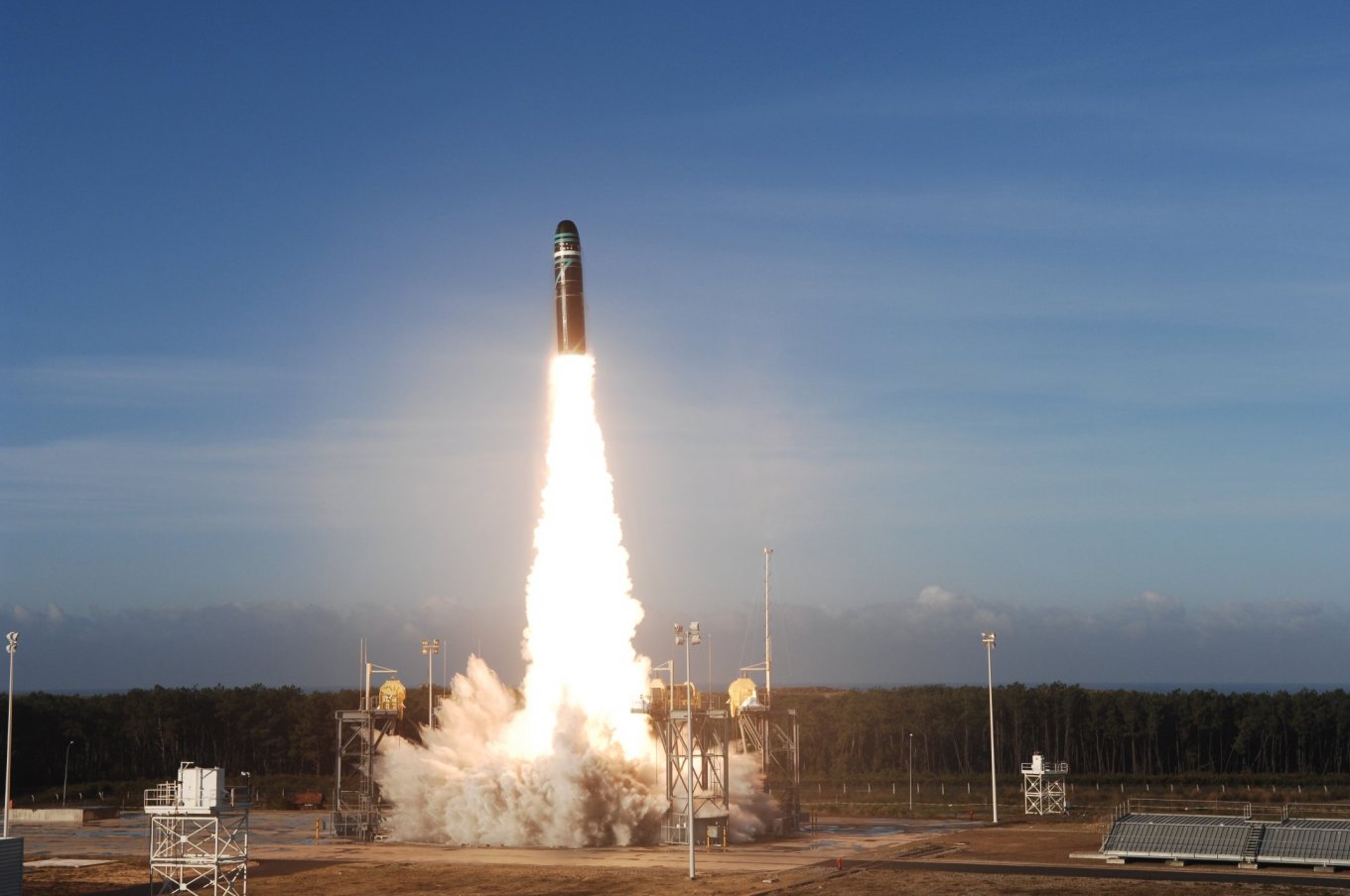
Currently, France's nuclear arsenal consists of 240 TN75 warheads with a yield of 110 kt, along with new TNO warheads with a yield of 100 kt, both deployed on M51 submarine-launched ballistic missiles. In addition, there are 54 TNA warheads with yields of 100–300 kt for ASMP supersonic missiles, which have a range of 500–600 km.
Overall, the size of France's "nuclear umbrella" is limited. Each M51 missile currently carries six warheads, although it can carry up to ten. At the same time, France has four Le Triomphant-class strategic missile submarines, each capable of carrying 16 ballistic missiles. This means that France has only 40 intercontinental ballistic missiles partially equipped with nuclear warheads, or 2.5 submarines.
The standard number of warheads for four submarines would be 384 if six warheads per missile are maintained or 640 if each missile is fully armed. Meeting this maximum would require a 2.6-fold increase in M51 nuclear warheads for these tasks alone.
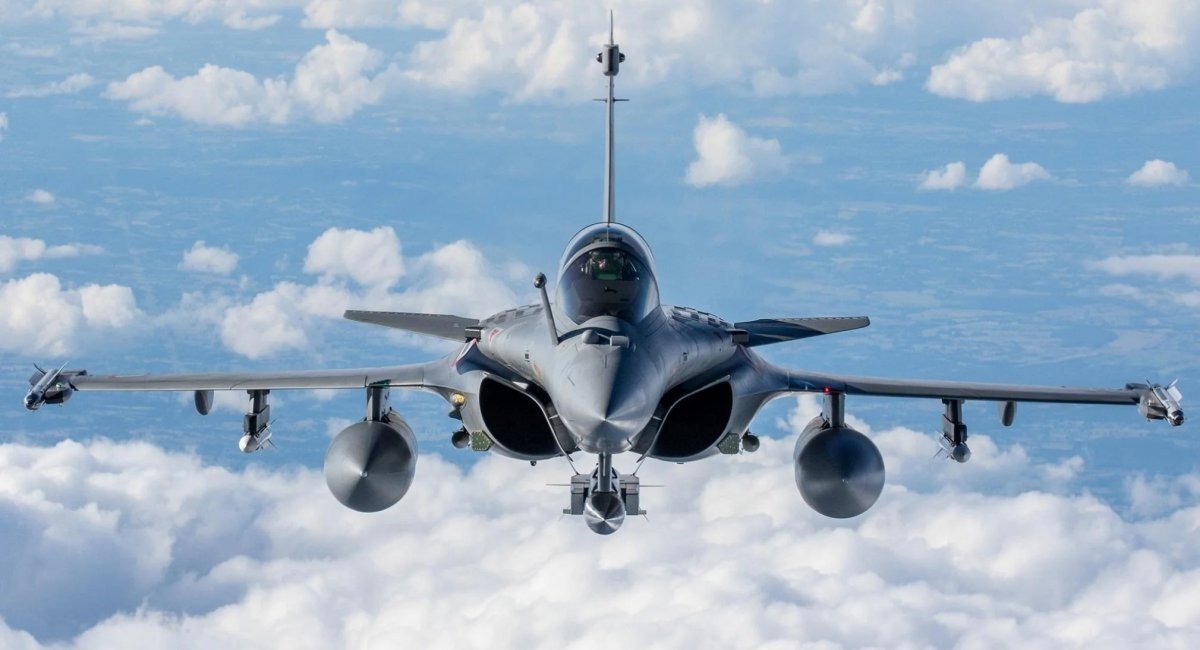
The 54 TNA warheads for ASMP air-launched missiles are also tied to the number of nuclear-capable Rafale aircraft, of which the French Air Force has only 20. The missile will also be deployed on specific Rafale M aircraft variants for use on aircraft carriers.
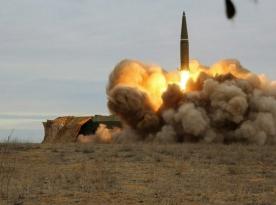
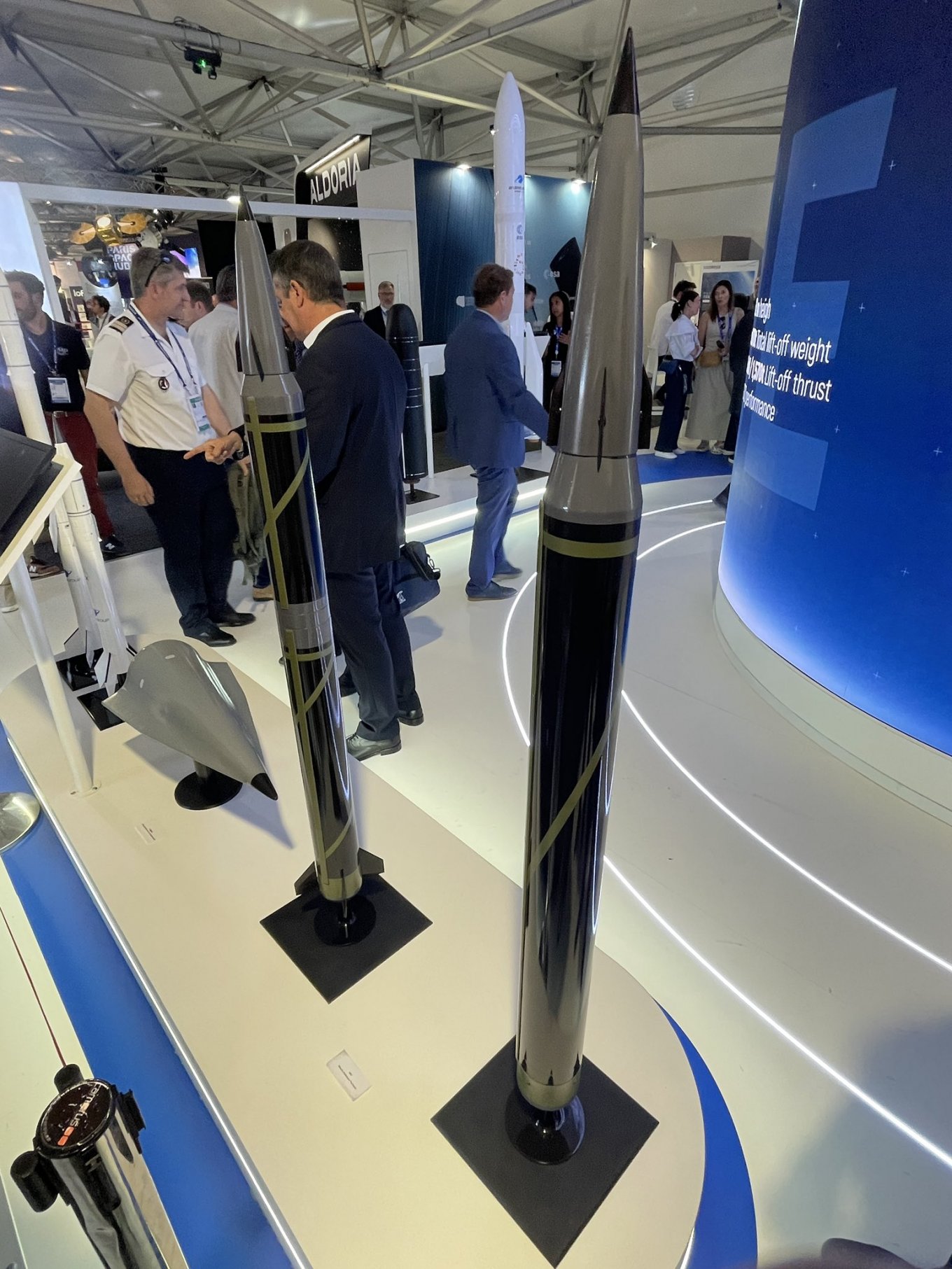
In addition, France is developing a medium-range ballistic missile, the MBT (Missile Balistique Terrestre), designed to strike targets up to 2,000 km away. It should also be considered as a nuclear weapon delivery system. This means that France will also need to develop warheads for the missile, although it is not expected to enter service before 2030.
In other words, given current security realities, an expansion of France's nuclear arsenal is expected. At the same time, the announced plan for enhanced deterrence is somewhat broader and already involves allies—not to share technology, but solely to allow the deployment of France's nuclear forces on their territory if necessary.
Currently, eight European countries have agreed to it: Germany, Great Britain, the Netherlands, Belgium, Greece, Denmark, Sweden, and Poland. At the same time, France deployed three Rafale fighter jets to Poland in September 2025 in response to provocations involving russian Gerbera drones.
The deployment of ground-based ballistic missiles could enable France to strike not only from its own territory, which would reach only St. Petersburg and Smolensk, but also from Polish soil, extending the range to Arkhangelsk and Kazan. That is why Paris and Kyiv could work together on this, increasing the potential strike range to russian rear areas including Yekaterinburg and Chelyabinsk.
Read more: How Many Missiles Iran Launched, How Much It Cost to Stop Them, and How Long Before Patriot Interceptor Stocks Recover?