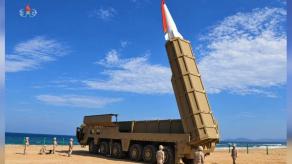



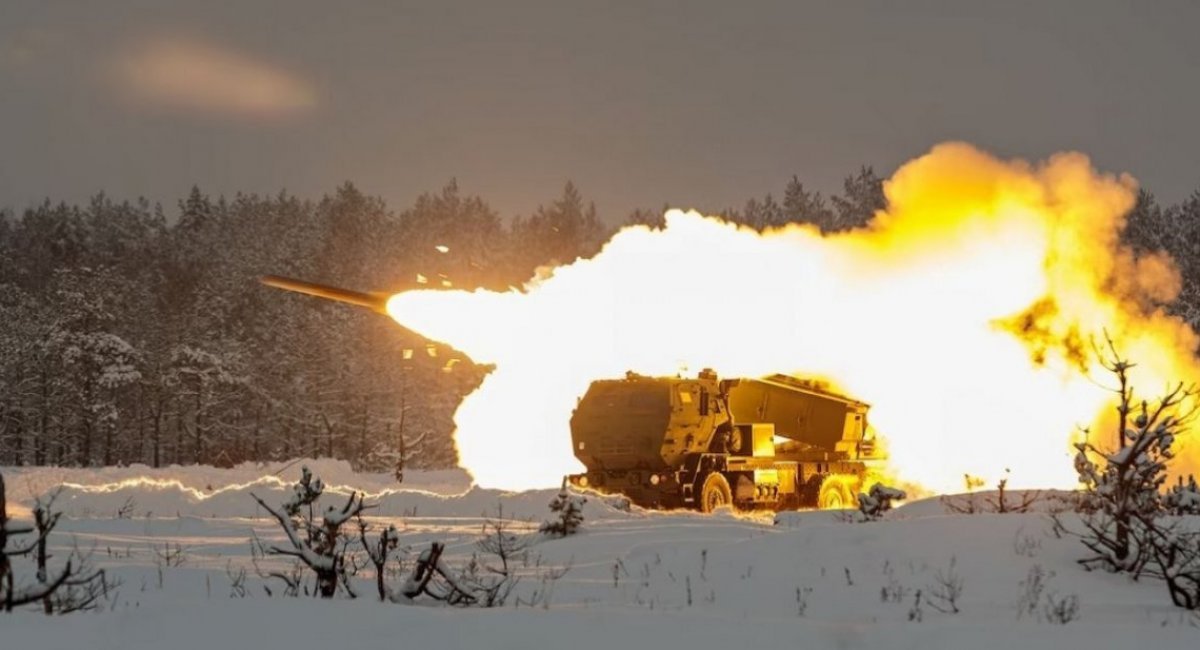
U.S. military personnel have tested an experimental method of manually reloading launcher pods with new 120 mm Direct Support Fires Technology (DSFT) rockets compatible with the M142 HIMARS. The aim is to reduce the logistical burden, although the concept resembles the Soviet BM-21 Grad approach.
The training was conducted at Fort Sill under the supervision of the U.S. Army Combat Capabilities Development Command Aviation & Missile Center (DEVCOM AvMC). Feedback from NCO personnel involved in the trials has already been passed directly to the developer.
Read more: NATO Moves from Single AWACS Platform to "System of Systems" After Lessons from Ukraine and Iran
This raises important questions. The M270 MLRS and HIMARS typically use preloaded pods containing six 227 mm GMLRS rockets, two PrSM missiles, or a single ATACMS missile. This approach significantly reduces reload time, as the launcher only needs to swap entire containers.
This concept dates back to the Cold War. It enabled rapid “shoot-and-scoot” operations against advancing Soviet forces while allowing crews to reload autonomously without dedicated resupply vehicles.
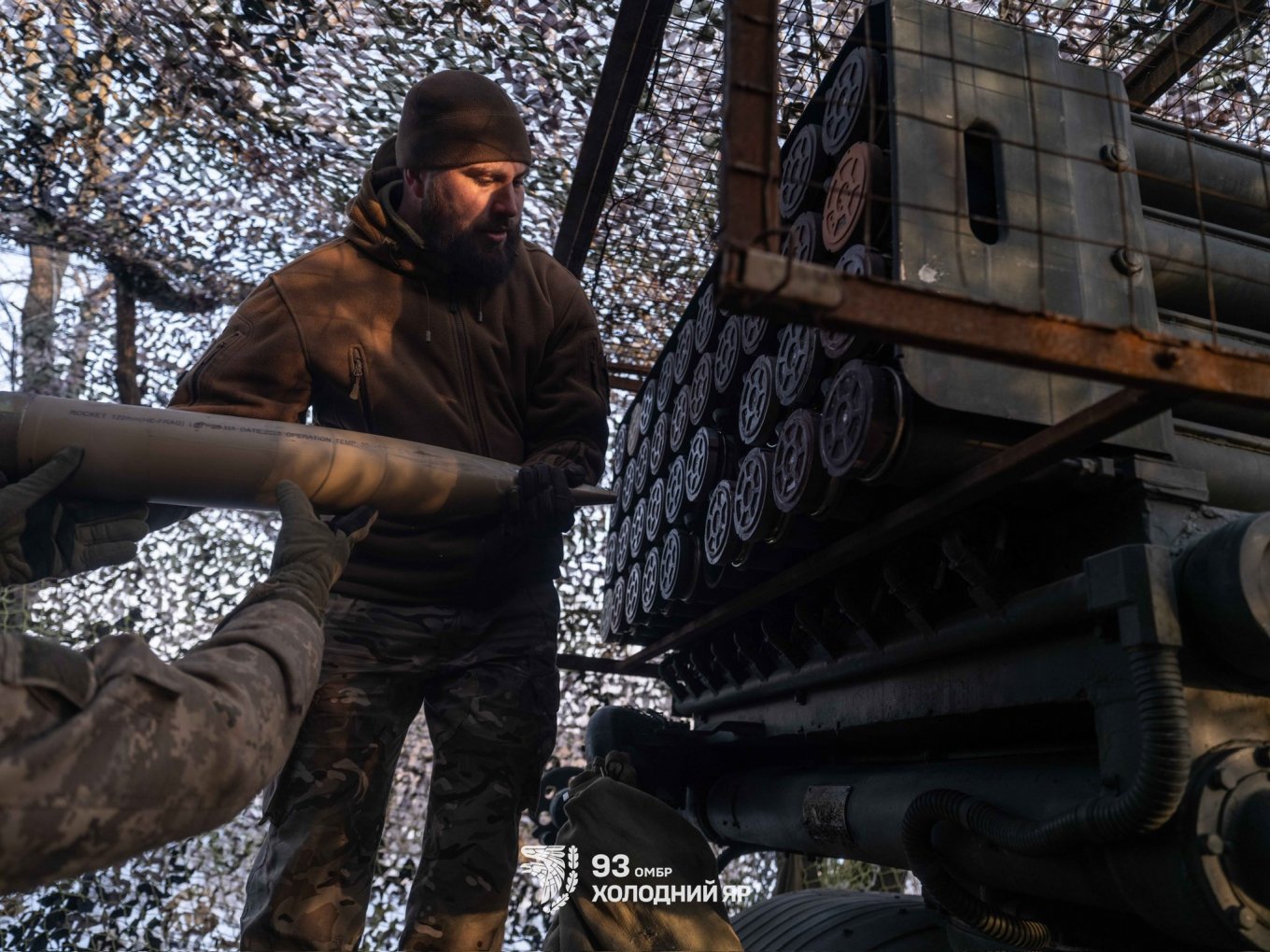
However, with the introduction of 120 mm DSFT rockets, the U.S. is not only developing a lighter, shorter-range system (estimated at 30–40 km), but is also considering loading rockets individually into the launcher. This raises concerns about survivability and reduced mobility due to the shorter engagement range.
At the same time, it is possible that manual loading refers primarily to assembling rocket pods in rear areas rather than reloading launchers in the field. In that case, rockets could be delivered in more compact packaging and loaded into pods locally, reducing dependence on factory-prepared containers.
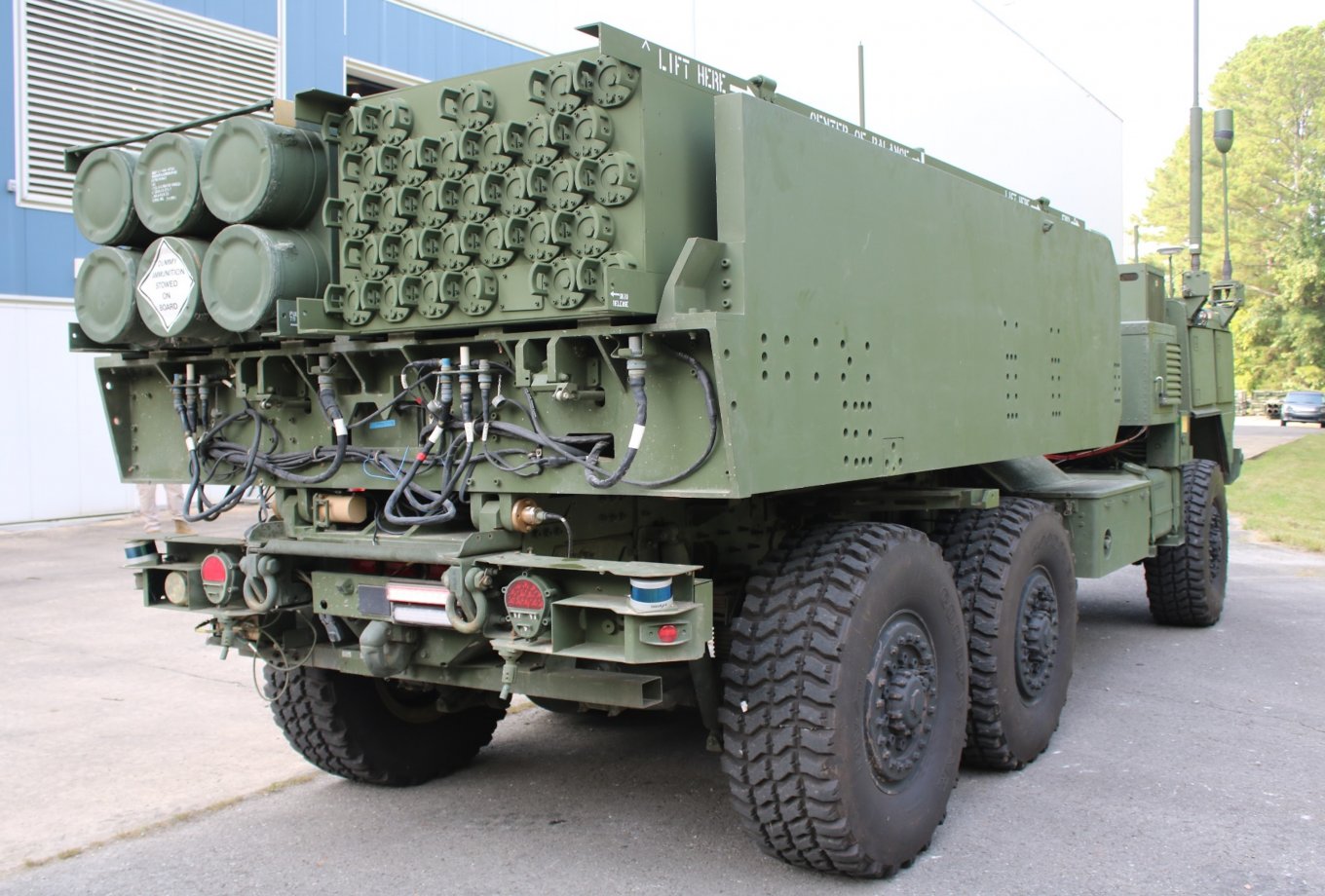
It should be noted that manual handling is only feasible for smaller 120 mm rockets due to their size. Larger munitions, such as GMLRS, still require mechanized loading. This method could therefore serve as a backup option when standard pod replacement is not possible.
Overall, manual loading of individual rockets may provide logistical flexibility and an additional contingency option. However, it comes with clear trade-offs. It increases reload time, reduces strike tempo, lowers automation, and raises the vulnerability of the launcher during reloading.
Read more: AGM-188A Rusty Dagger Missile Created for Ukraine Was Successfully Integrated Into F-16 - The First Photos Released