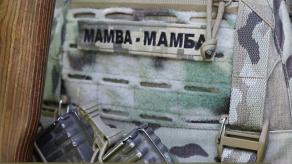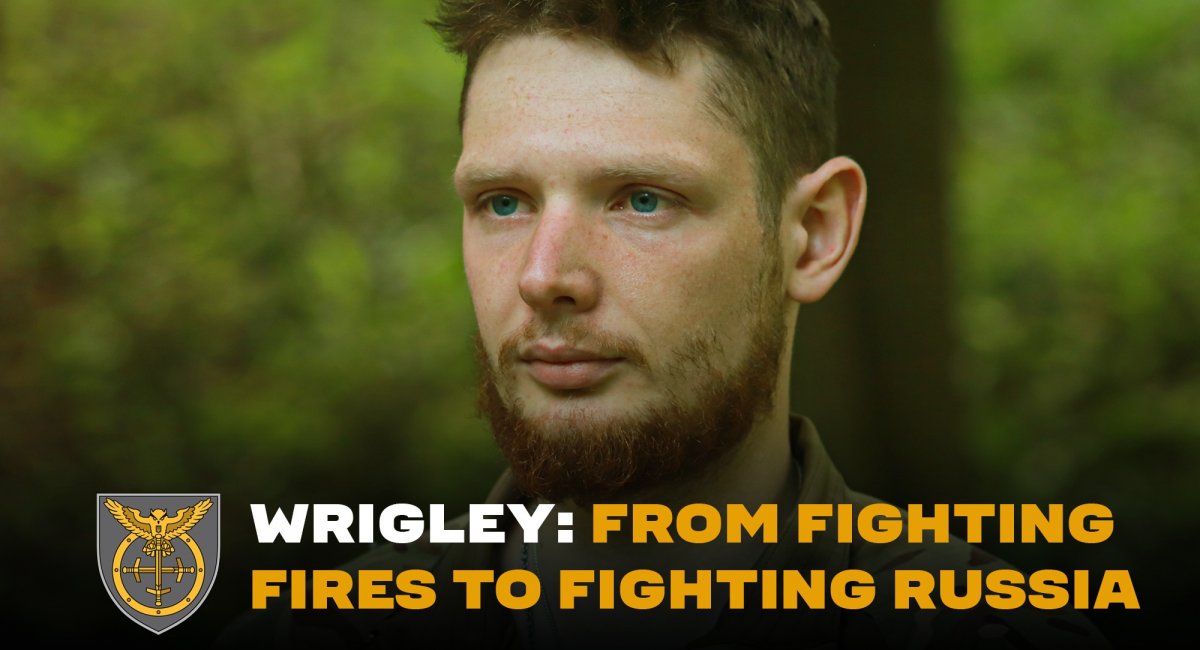
Wrigley has joined the 3rd International Legion for the Defense of Ukraine to protect the innocent. And it is not just a slogan or a noble phrase to him — it is a personal principle he lives by and is willing to act on, no matter the cost:
“I wasn't sure if coming here was the right choice at first. But being here has only strengthened my conviction. The women and children don’t deserve what they’re forced to endure every single day, and I’m glad I came.”
Read more: International Legion for the Defense of Ukraine Stands Shoulder to Shoulder with Ukrainians
The 24-year-old Welshman has been in the Legion for around four and a half months at the time of the interview. Even in that short span of time, Wrigley went through an overwhelming amount of life-defining experiences. And of course, the first time he came face-to-face with the enemy is something that will always be etched into his memory:
“Because of their use of drones, the enemy stayed hidden, so we didn’t actually see them until they stepped out. To survive in that situation, I laid down suppressive fire and helped my team pull back while they continued to suppress the enemy.”
When you find yourself just about seven metres away from the enemy, it can be pretty scary for most people. In that moment, though, Wrigley was full of adrenaline:
“The whole situation was extremely dangerous, because even as we were withdrawing, they began targeting our positions with mortars and artillery. And when those couldn’t reach us, they sent in six or seven drones, each carrying two payloads. We had to keep running, stay combat-fit, and make sure every member of the team was okay on the way back.”
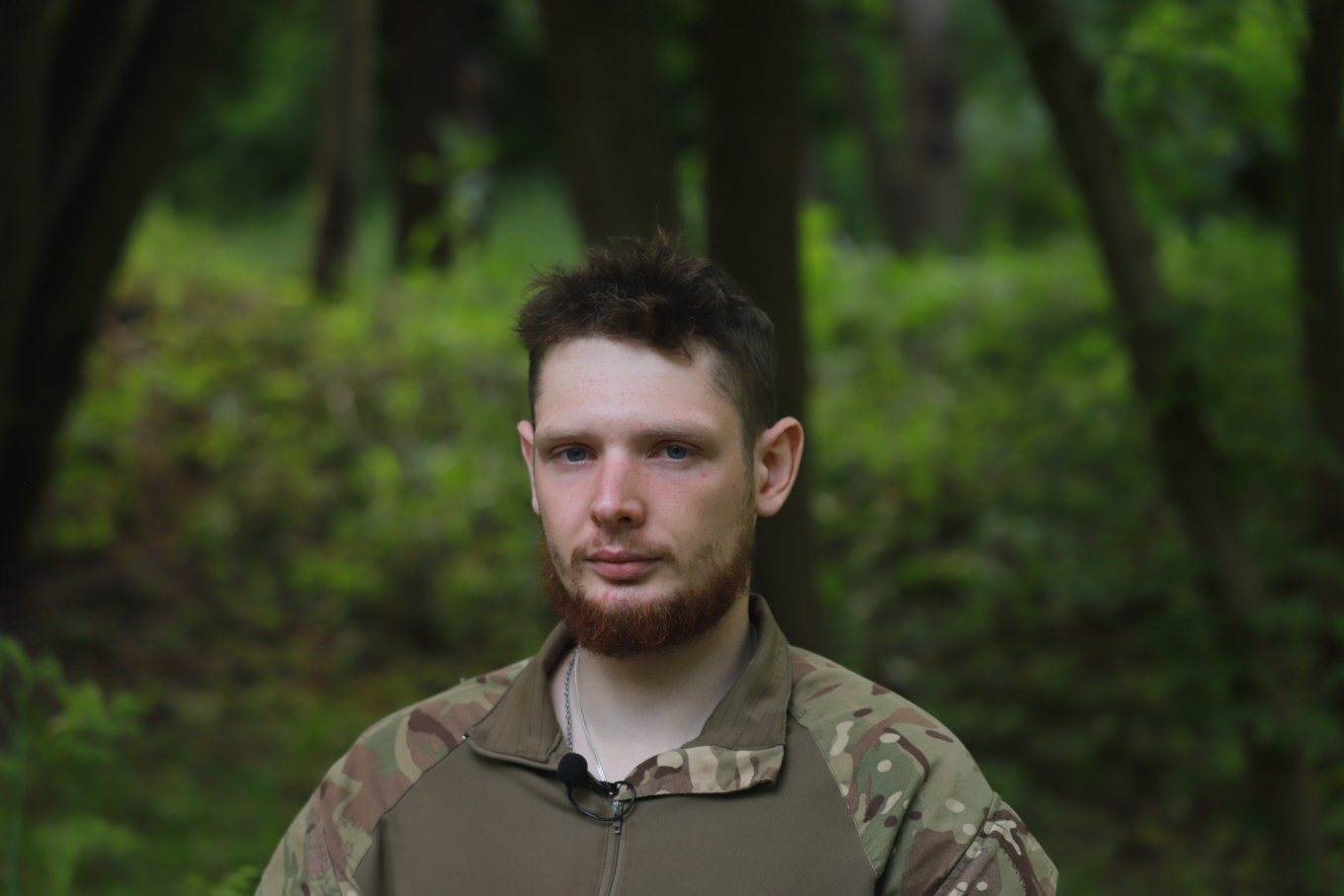
Another story Wrigley shared with us illustrates the vital importance of medical skills in this war. On the battlefield, every fighter must be part soldier, part medic — because survival often depends on seconds. Knowing how to stop bleeding can make the difference between life and death — not only for yourself, but for the man fighting next to you:
“We were on a mission when one of my best mates was hit by a mortar. We had to perform what we call care under fire. While we were there, I used gauze and an Israeli bandage because he had wounds to his back and his foot.”
Wrigley and his teammates had to carry their wounded brother six to seven kilometres out of the danger zone, with drones following them the entire way. Fortunately, moving under the cover of the trees made it much harder for the drones to pinpoint their exact position:
“However, drones were still dropping grenades, and mortars were landing nearby. At one point, there were FPVs in the area as well, so we had to stop and take cover. Once we finally made it back to safety, we reached the triage point, where my mate received medical care, including shrapnel removal and stitching.”
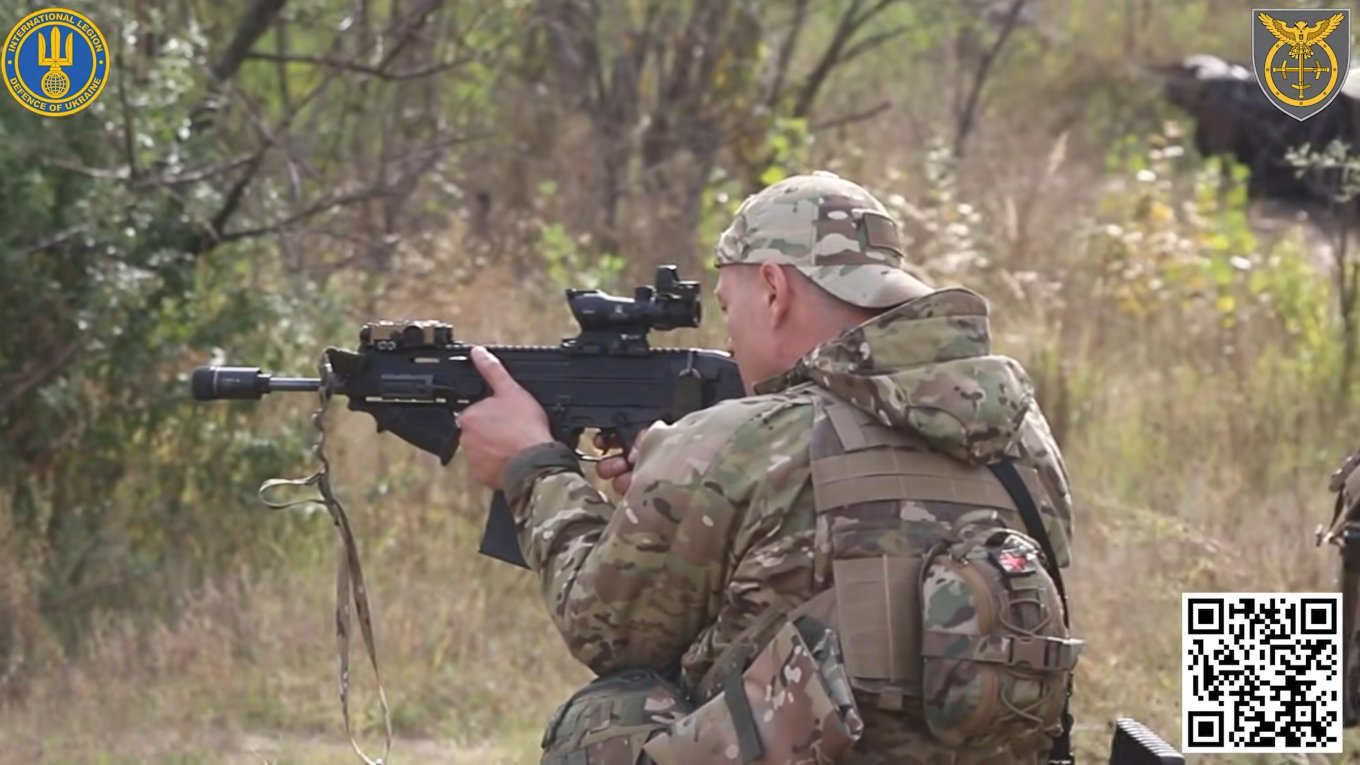
Enemy drones have become the biggest curse of this war. We’ve already described the momentwhen Wrigley and his brothers-in-arms came face-to-face with an FPV drone while riding in the back of a pickup truck. The moment they shot that drone down will stay with him forever — but there are many more drone encounters that linger in memory:
“Most of the time, it’s all about drones. Whether you’re assaulting, on a reconnaissance mission, or simply walking back to a safe location — the drones are everywhere, and they’re the main threat in this war. They drop big bombs, grenades, C4; sometimes it’s thermobaric, sometimes even napalm. And now they also use those drones to watch us and triangulate mortar and artillery fire onto our positions.”
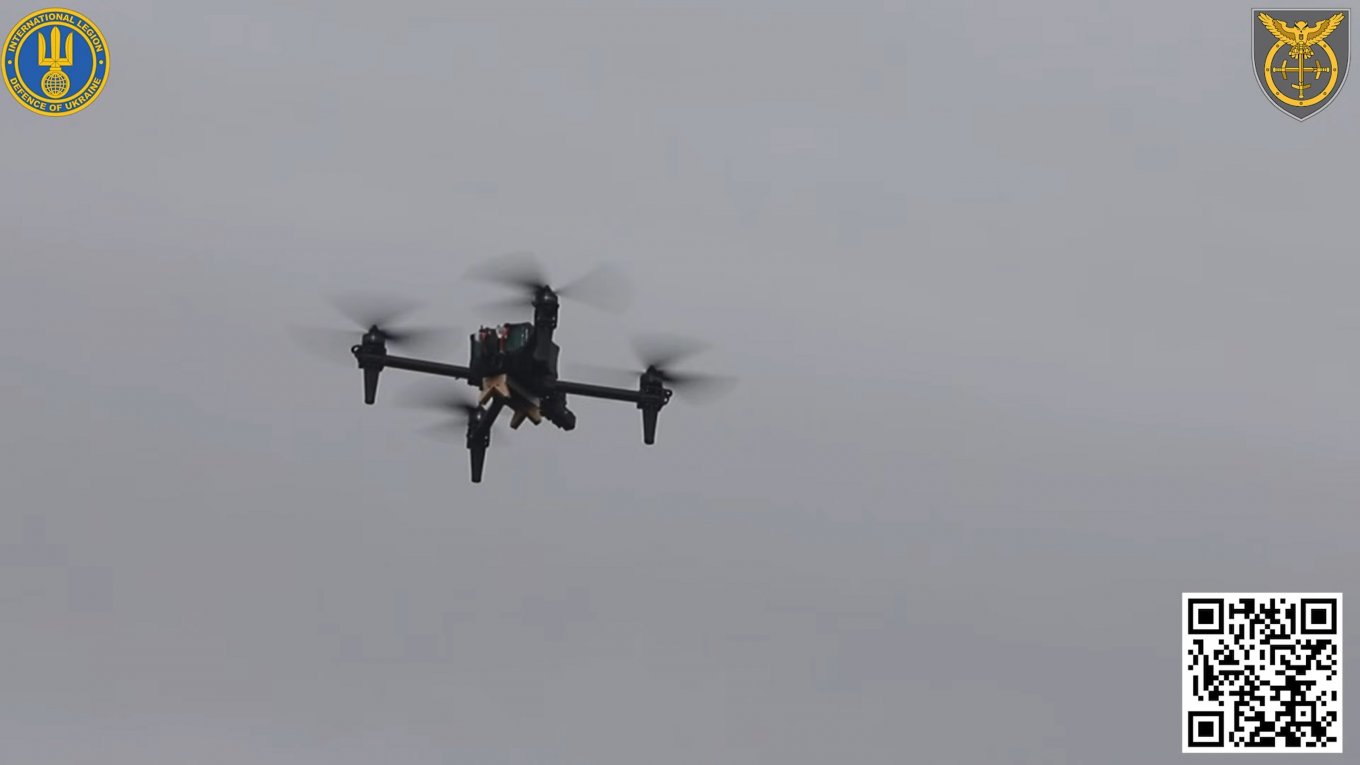
Drawing from countless encounters, Wrigley outlined practical advice and real combat scenarios that can help you survive. Here are the key lessons — what to do, what to avoid, and how to outsmart the enemy in the sky:
“Remain calm, keep your eyes open, stay proactive, and stay nimble. You don’t always have to run, but you always have to watch. If you can spot the drone, warn everyone else and move toward the trees for cover. If there are no trees and you’re out in the open, you need to maintain distance between yourself and the drone — keep moving and look for any kind of cover. The best protection is underground, in bunkers or blindages. And if you can’t reach those, use whatever concealment you have to the best of your ability.”
War is a constantly evolving challenge, changing its shape and demands with every new phase. That’s why Wrigley emphasizes the importance of continuous training and self-improvement — to stay adaptable, sharpen skills, and remain truly combat-ready when it matters most:
“You can’t come here and be lazy. You need to stay proactive and keep yourself in shape. I recommend running, push-ups, pull-ups, and sit-ups. You have to be strong both physically and mentally. Always push past your limits — and if you do come, just be ready for war.”
Learn more about the International Legions for the Defense of Ukraine and find out how to join here.
Text: Dmytro Tolkachov
Photos & Video: Volodymyr Patola
Video Editing: Oleksandr Los
Read more: Experience of Ukraine's International Legions in Using Smoothbore Rifles on Modern Battlefield