Immediately after the April 7 ceasefire announcement between the U.S. and iran, russia and iran significantly intensified Caspian Sea shipping.
OSINT specialist Cecilia Sykala spotted this using maritime traffic tracking services, visually showing the difference in vessel quantities.
Read more: Czech Primoco UAV Building $36M Production Complex to Scale to 300 Drones Annually, Includes Pilot Training Center
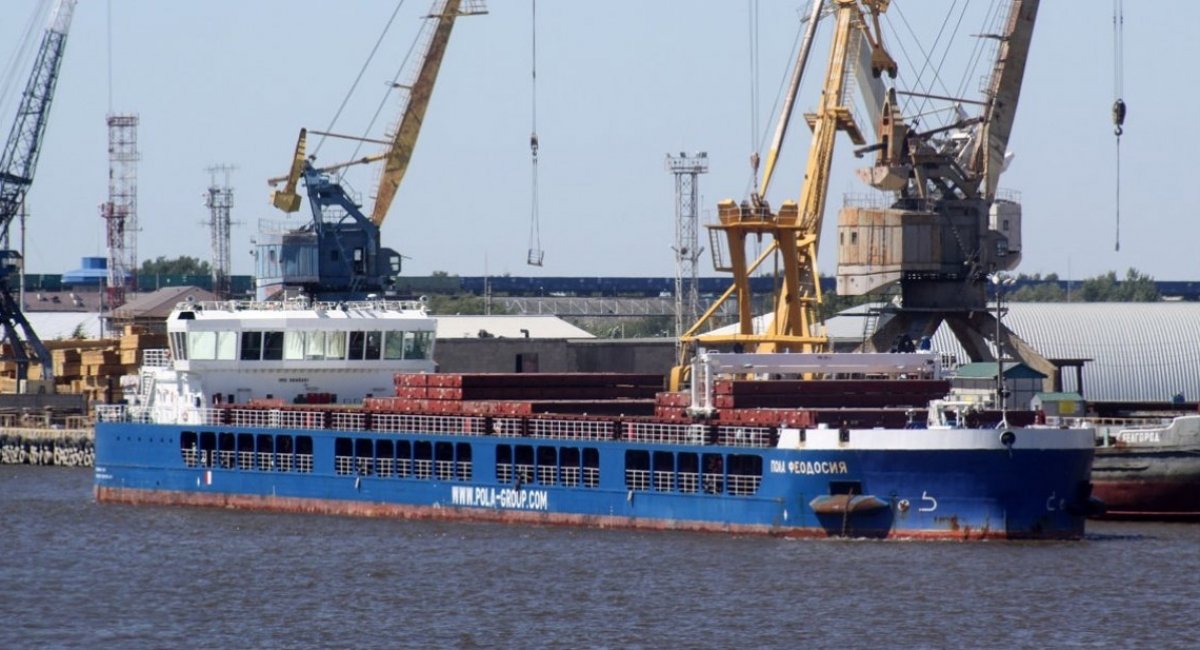
Defense Express notes that at publication moment, directly in Amirabad port in the Caspian Sea's southeastern part, according to services, three russian cargo ships are located: Pola Yaroslava, Pola Feodosia and Baku Breeze.
At this iranian port roadstead are cargo ships Pola Sofia, Valentin Emirov, Kalitva, Omskiy 109, Pano 05. Approaching is Port Olya 2. This not counting iranian vessels as well as russian and iranian tankers. Additionally, several more vessels do not transmit data regarding affiliation.
According to GUR MOU database, among listed vessels all Pola… ships belonging to russian company Pola Rise are under Ukrainian and U.S. sanctions. Port Olya 2 cargo ship and other MG-Flot company vessels, including Valentin Emirov, were spotted in direct military cargo transportation.
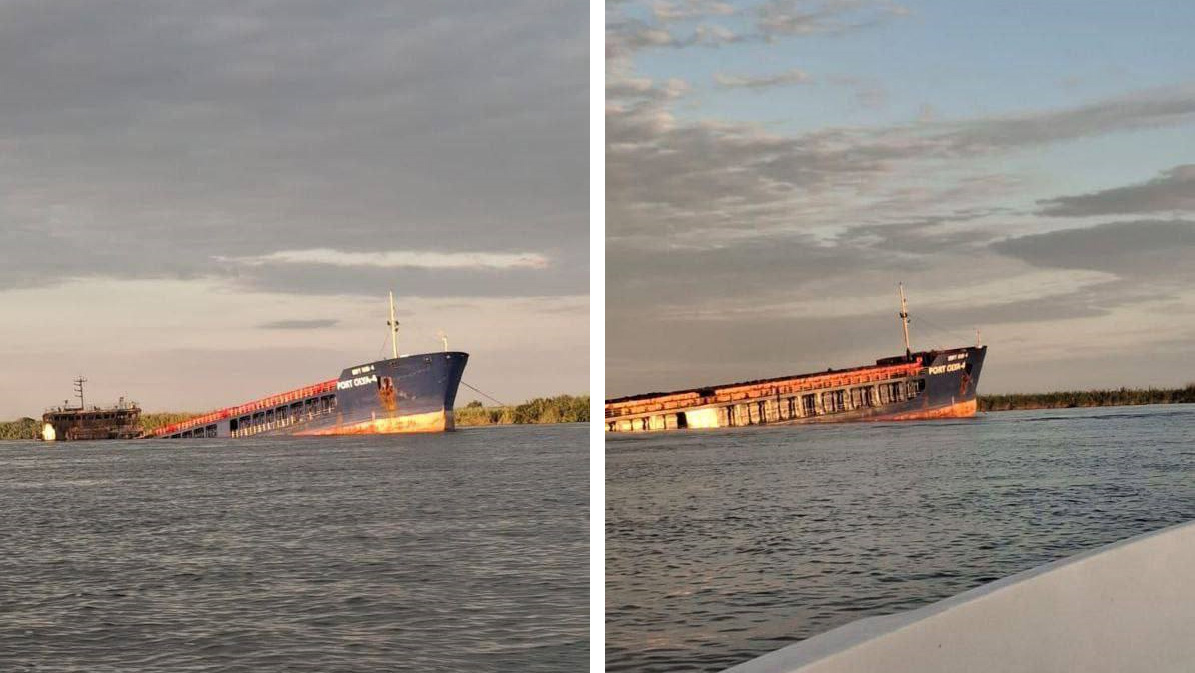
At the same time, Port Olya 4 was successfully destroyed by Ukraine's Defense Forces in August 2025 while transporting Shahed-136 drones, components for their production in russia, ammunition and other weapons from iran to russia.
Omskiy 109 belongs to More Reka Service company cargo ships, which according to database information transported ammunition from iran to russia on Omskiy-119 and Omskiy-103 vessels. Pano… vessels were used for stealing Ukrainian grain from still-occupied territories.
Overall, such clustering of russian and iranian vessels is also explained by Amirabad port remaining the only intact large iranian Caspian Sea port after Israel attacked Bandar-Anzali on southwestern iranian Caspian coast March 18.
Currently unknown what specifically russian vessels are transporting, but the strike pause may quite possibly be used by Tehran to receive all necessary russian weapons by sea. Specifically, Moscow transferring anti-aircraft missiles, MANPADs and other air defense assets as well as components for producing long-range drones, ballistic missiles, or ready samples would not be surprising.
Read more: Ukrainian Forces Strike Oil Platforms in Caspian Sea Nearly 1,000 km from Front Line