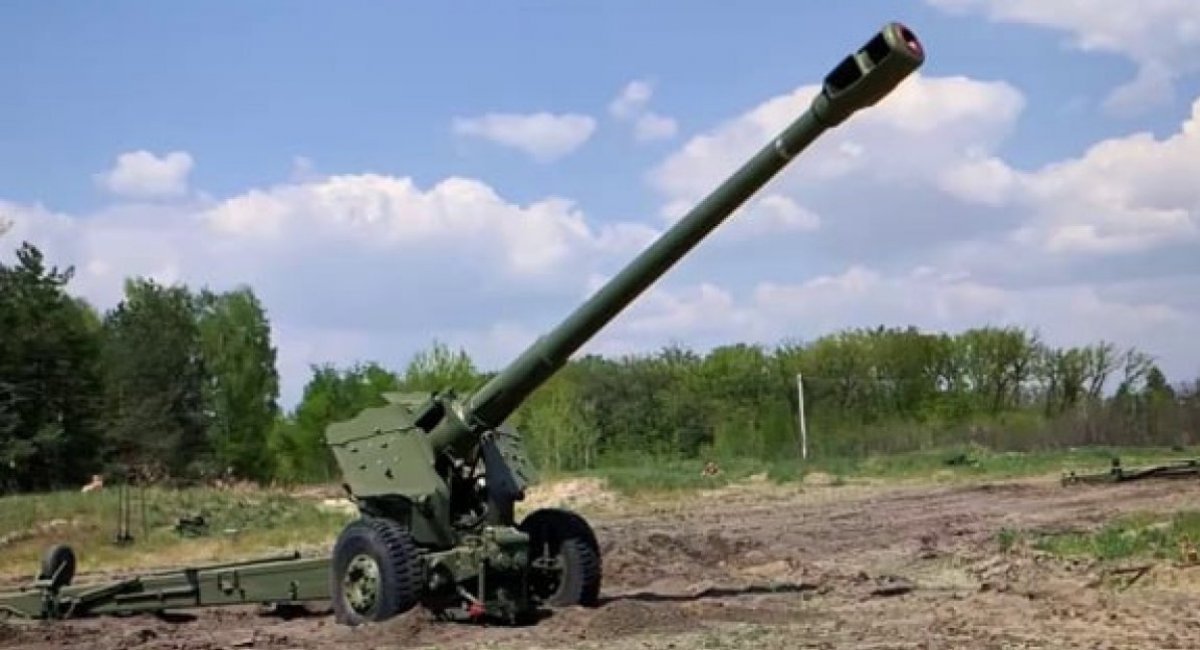
Ukraine is developing, and has already begun testing, a new 155mm Marta towed howitzer, with a barrel length of 39 calibers. At first glance, this may seem counterintuitive, as its firing range will be shorter than that of the Bohdana, which is equipped with a 52-caliber barrel. However, there is a clear and practical explanation for this decision.
The first factor is overall size. A more compact artillery system offers improved mobility and can be transported using lighter vehicles, simplifying deployment to firing positions. In addition, reduced dimensions facilitate camouflage, which under current combat conditions is often even more critical than speed of movement.
Read more: 105 mm Artillery Ammunition to Be Produced in Ukraine as Early as 2026 — Ukrainian Armor Details Planned Output
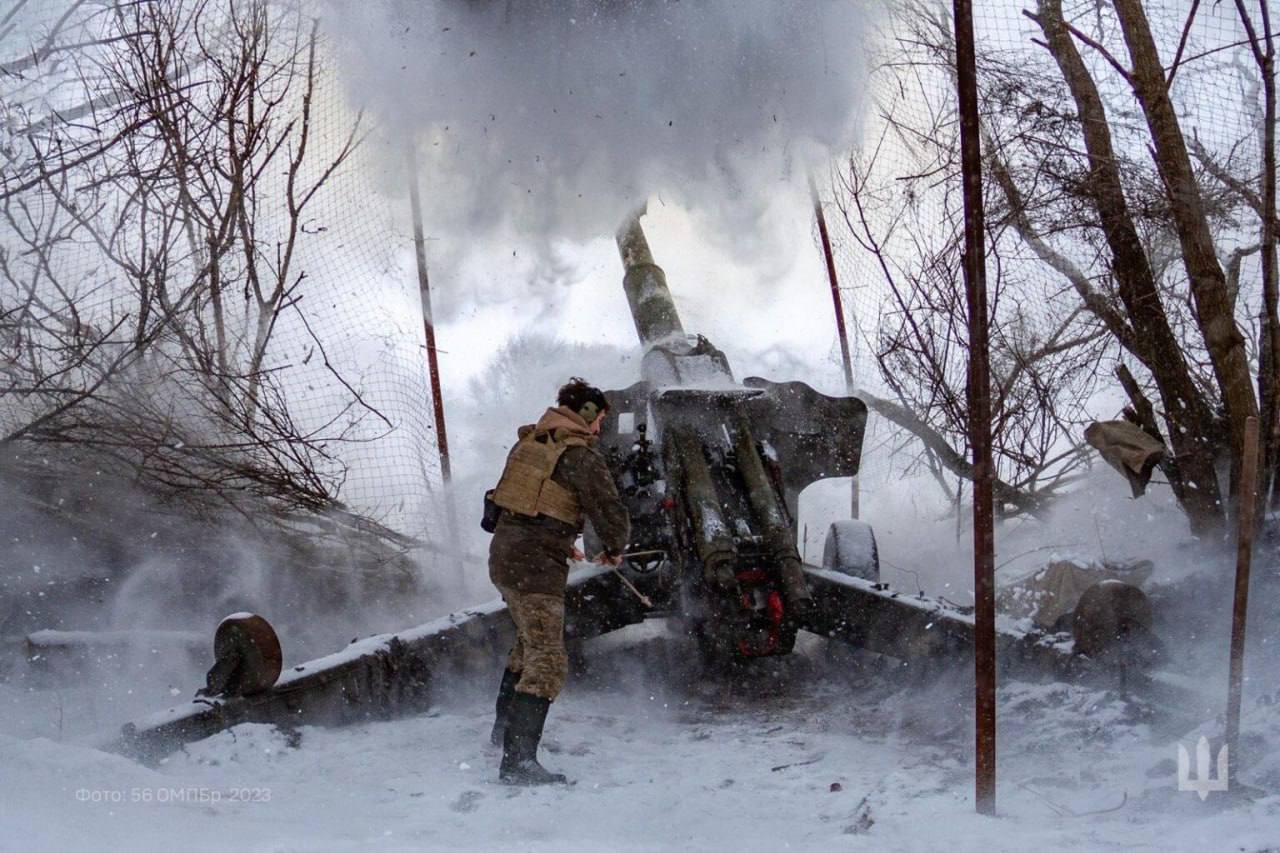
Another important consideration is that a lighter howitzer can potentially be mounted on legacy gun carriages, such as those from the Soviet-era 152 mm D-20 gun-howitzer. This would make it possible to replace outdated systems still in service while reducing costs by reusing existing components—an approach similar to the Bohdana-BG, which is mounted on carriages from the Hyacinth-B.
However, size alone is not the decisive factor. Equally important is the type of 155 mm ammunition in widespread use, primarily the M107 shell. These rounds were designed to achieve their maximum effective range when fired from a 39-caliber barrel. As a result, both the projectile and its propellant charge are insufficient to fully exploit the potential of a 52-caliber barrel.
This is largely due to the fact that these munitions entered mass production in the 1960s and were already considered outdated by the 1970s. Nevertheless, they continue to be manufactured today and remain the most common type of ammunition for 155 mm artillery, despite the availability of more modern alternatives such as the M795.
Another noteworthy nuance is that artillery systems with 52-caliber barrels typically feature larger chambers designed for more powerful propellant charges. When smaller charges are used, this can further reduce the effective firing range.
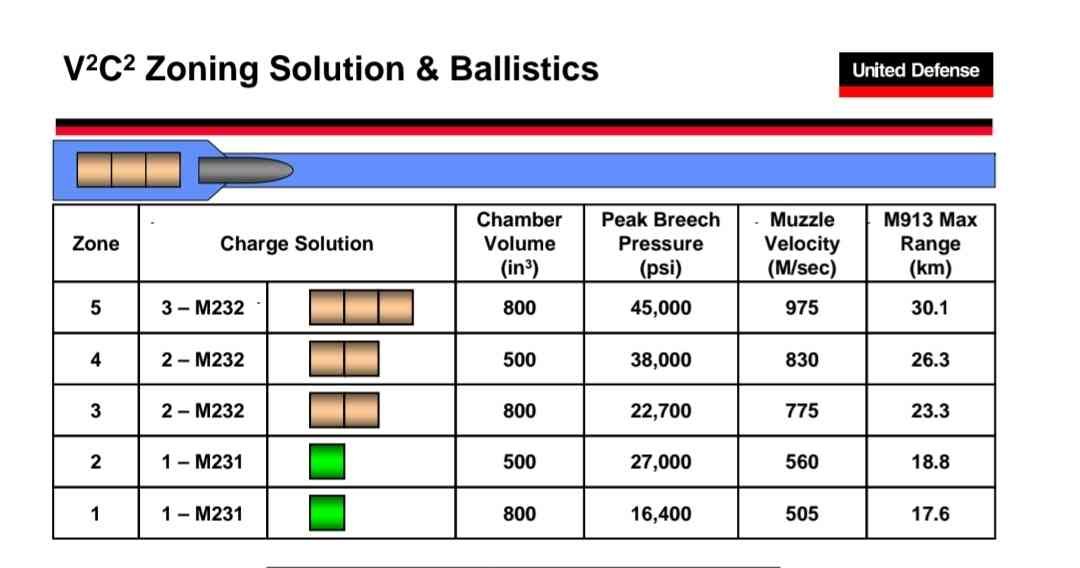
As a result, systems with longer barrels, such as the 52-caliber Bohdana howitzer, nominally offer greater range, but this advantage cannot be fully realized when firing older ammunition types. By contrast, the Marta howitzer, with its 39-caliber barrel, is fully optimized for such shells.
In short, there is a clear rationale for developing shorter-barrel artillery systems within Ukraine's domestic defense industry today. At the same time, the rapid evolution of strike drones, whose ranges continue to grow, raises questions about the long-term relevance of such howitzers—particularly after the war, when further standardization around the Bohdana platform is expected.
Read more: Ukraine Is Developing an Analog of the U.S. AN/TPQ-36 Radar and Modernizing Zoopark-3