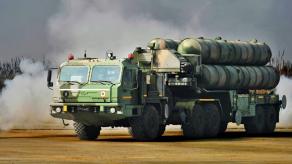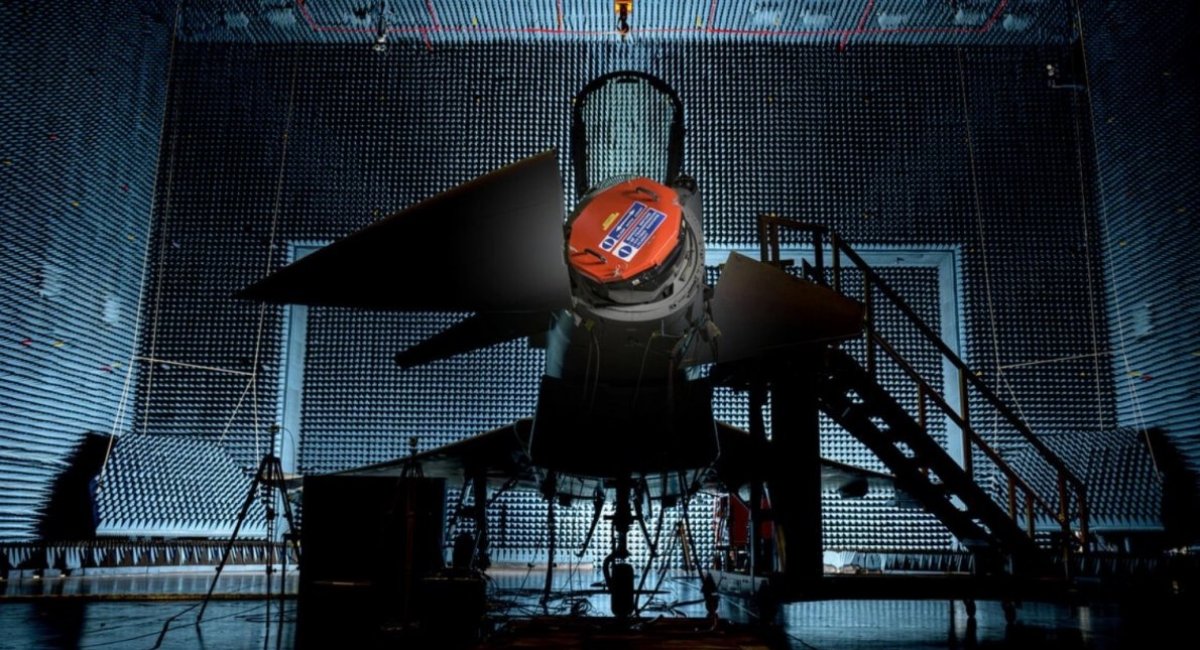
The United Kingdom has committed £453.5 million (approximately $609 million) to launch the serial production of new European Common Radar System Mk2 (ECRS Mk2), a key upgrade intended to significantly enhance the combat capabilities of Eurofighter Typhoon fighter. The investment reflects London's focus on countering modern aerial threats, including russian drones, advanced fighter aircraft such as Su-35S, and long-range air defense systems like S-400.
According to BAE Systems, the radar will be produced in cooperation with Leonardo, with a total of 38 serial ECRS Mk2 units planned. Together with two previously built prototypes, the radars will equip all 40 British Eurofighter Typhoon fighters of the Tranche 3 series. Entry into service is expected by the end of the decade, around 2030, as part of the broader Eurofighter Phase 4 Enhancement program being developed jointly with partner nations.
Read more: American Commando Select APC Production Once Tailored for Afghanistan Is Now Being Revived for Ukraine
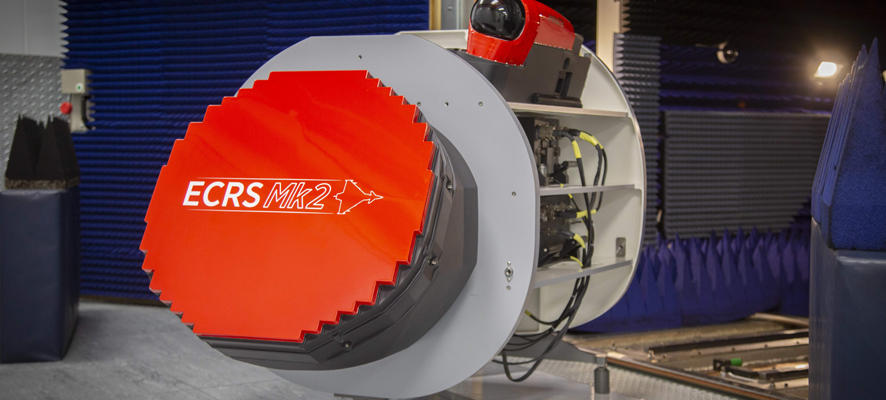
Production responsibilities are divided between the two companies. Leonardo will manufacture the radar systems at its facilities in Edinburgh and Luton, while BAE Systems will handle integration and installation on the aircraft at its site in Lancashire. In October 2025, the UK government confirmed that total development spending on the radar program had already reached about $3.09 billion, underlining the scale and strategic importance of the effort.
The ECRS Mk2 is an advanced active electronically scanned array (AESA) radar designed not only for improved detection and tracking but also for sophisticated electronic warfare roles. Developers emphasize its enhanced ability to operate in contested environments, including suppressing or degrading enemy air defense systems. These capabilities are particularly relevant against modern, layered air defenses and high-performance aerial targets.

BAE Systems has explicitly linked the radar's development to real-world security challenges, including russia's extensive use of drones against Ukraine and repeated airspace violations near NATO borders. In this context, upgraded British Typhoon fighters equipped with ECRS Mk2 are expected to be optimized primarily to counter russian platforms such as Su-35S and systems like S-400, strengthening NATO's air deterrence posture.
The investment also reflects the UK's broader force structure choices. Britain is no longer purchasing new Eurofighter Typhoon fighters, instead prioritizing upgrades to its existing fleet while expanding its inventory of U.S.-made F-35A and carrier-capable F-35B fighters. This approach is intended to maintain credible air power while awaiting the future sixth-generation fighter under the Global Combat Air Programme (GCAP), whose projected costs are extremely high.

Despite the lack of new domestic Typhoon orders, the UK has managed to sustain its fighter aircraft industrial base. The British assembly line narrowly avoided closure thanks to a high-value export contract for 20 Eurofighter Typhoon fighters for Türkiye. Against this backdrop, the ECRS Mk2 program not only enhances military capability but also helps preserve critical aerospace expertise until the next generation of combat aircraft becomes a reality.
Read more: Patriot, David's Sling, or SAMP/T: What Can €1 Billion Buy Against Iskander-M, Kinzhal Missiles?