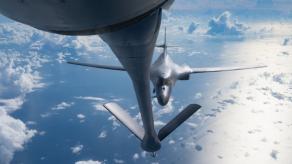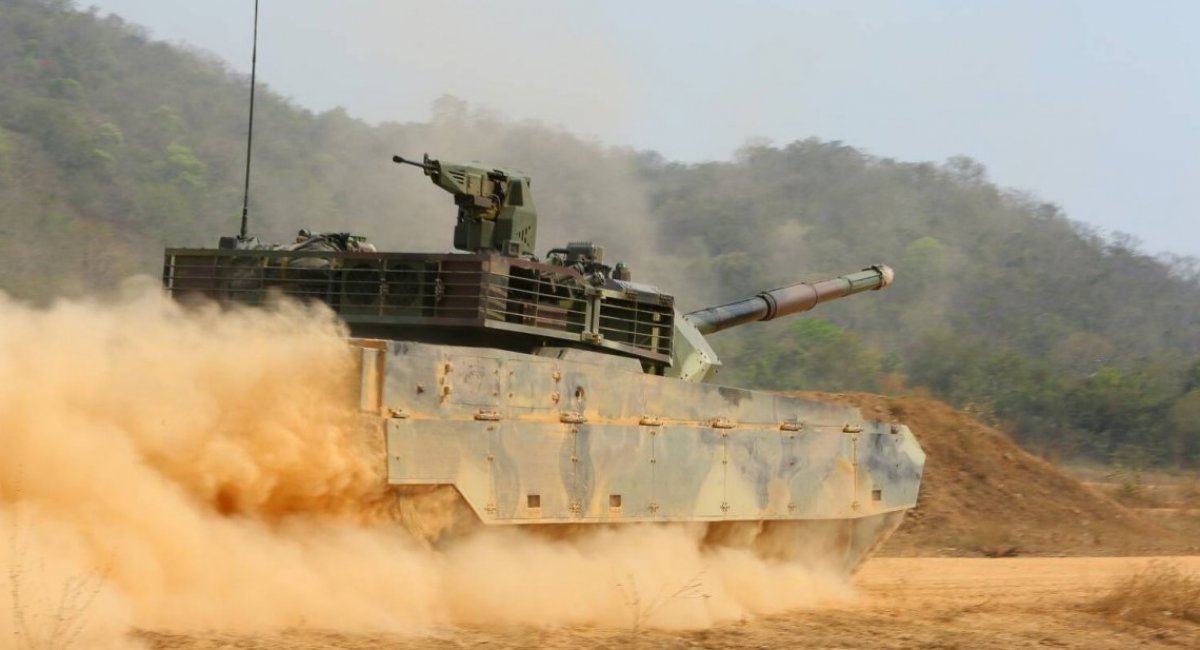
Chinese weapons are actively conquering new niches in the global market, often displacing russians in the category of cheap but still dangerous means. At the same time, doubts are beginning to emerge about the quality of the weapons themselves and their support.
Calibre Defence emphasizes this in material in which they recall various cases of breakdowns and poor reliability of Chinese-origin systems. And very often, problems manifested during combat operations, putting user countries at risk.
Read more: russia Is Losing One of Its Key Arms Buyers in Asia: Tectonic Shift in Global Arms Market
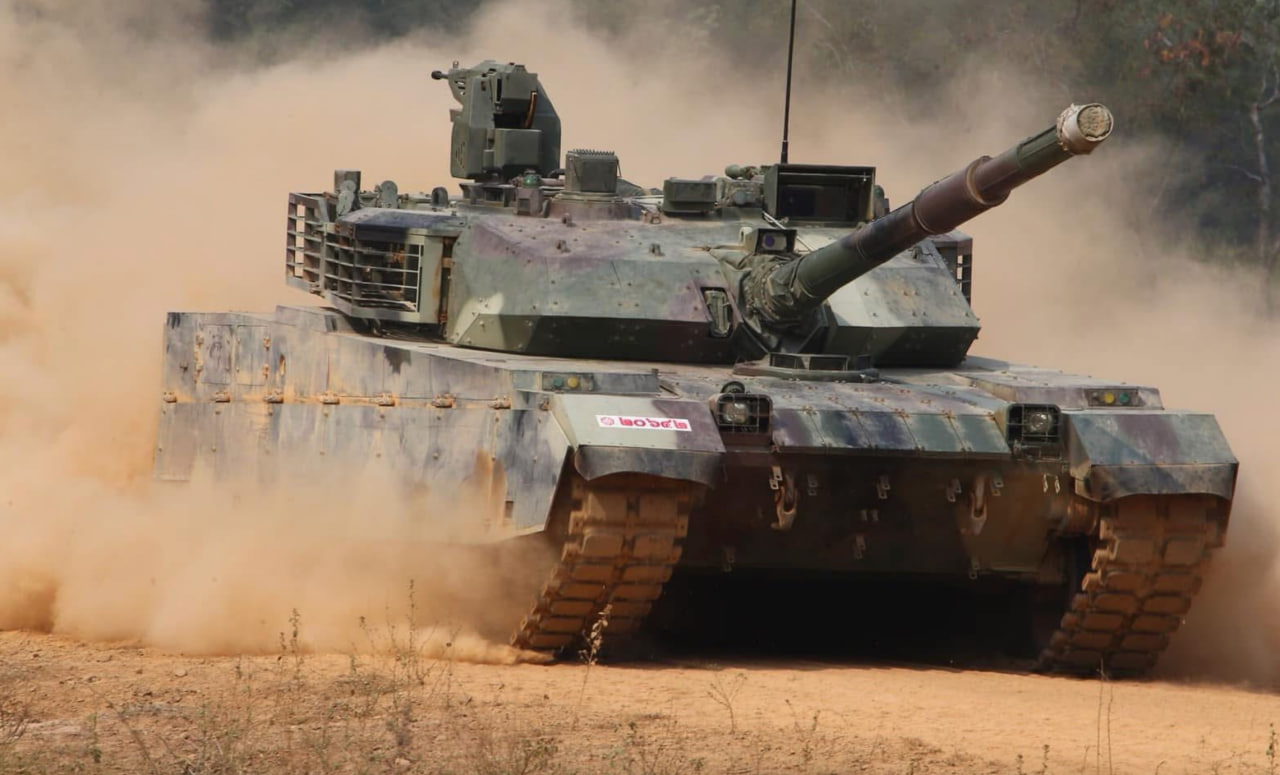
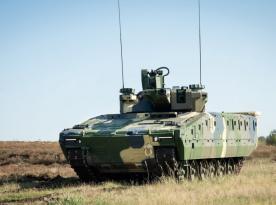
First, attention is drawn to tanks for Thailand, experience with which began in 1988 with the arrival from China of Type 69-II, which was later than the M48s, already obsolete at that time. However, if latter are still used, Type 69 was removed from service back in 2004, and most were later scrapped.
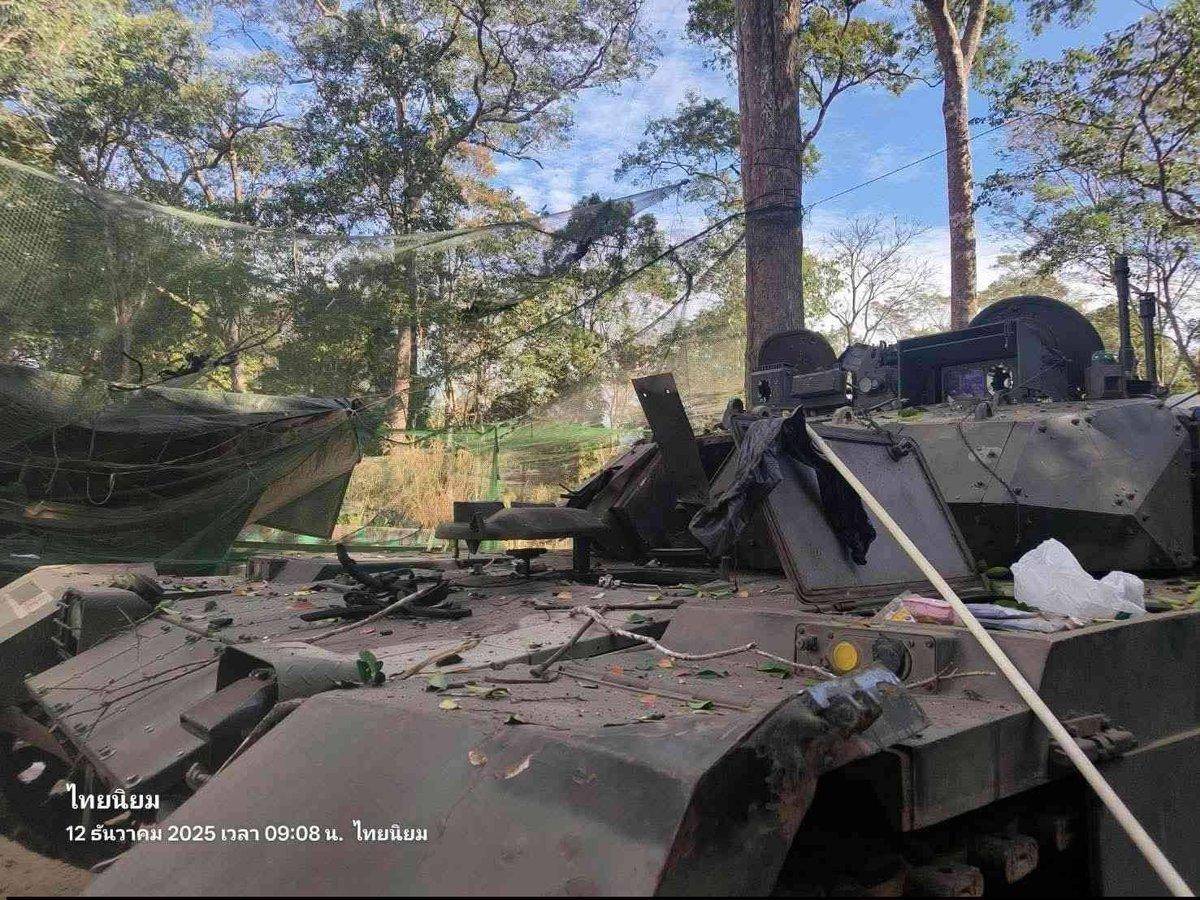
Next, a somewhat more current story about VT-4 is cited, which, during clashes with Cambodia in 2025, demonstrated very low reliability. For example, a story is cited of a burst barrel on a 125mm gun, which had too few resources. Interestingly, problems with these tanks were also reported in Nigeria, indicating the issue isn't specific to the operational peculiarities of one country.
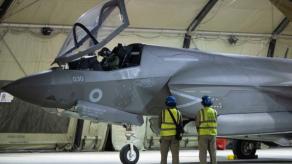
If we talk about aircraft, the JF-17 is mentioned, which is jointly developed and manufactured with Pakistan. So, in 2022, Myanmar was forced to ground most of its brand-new fighters due to fuselage cracks and radar issues. Also, supposedly, on-board computers weren't capable of capturing beyond-horizon targets. Note that all this doesn't prevent increased demand for this aircraft.
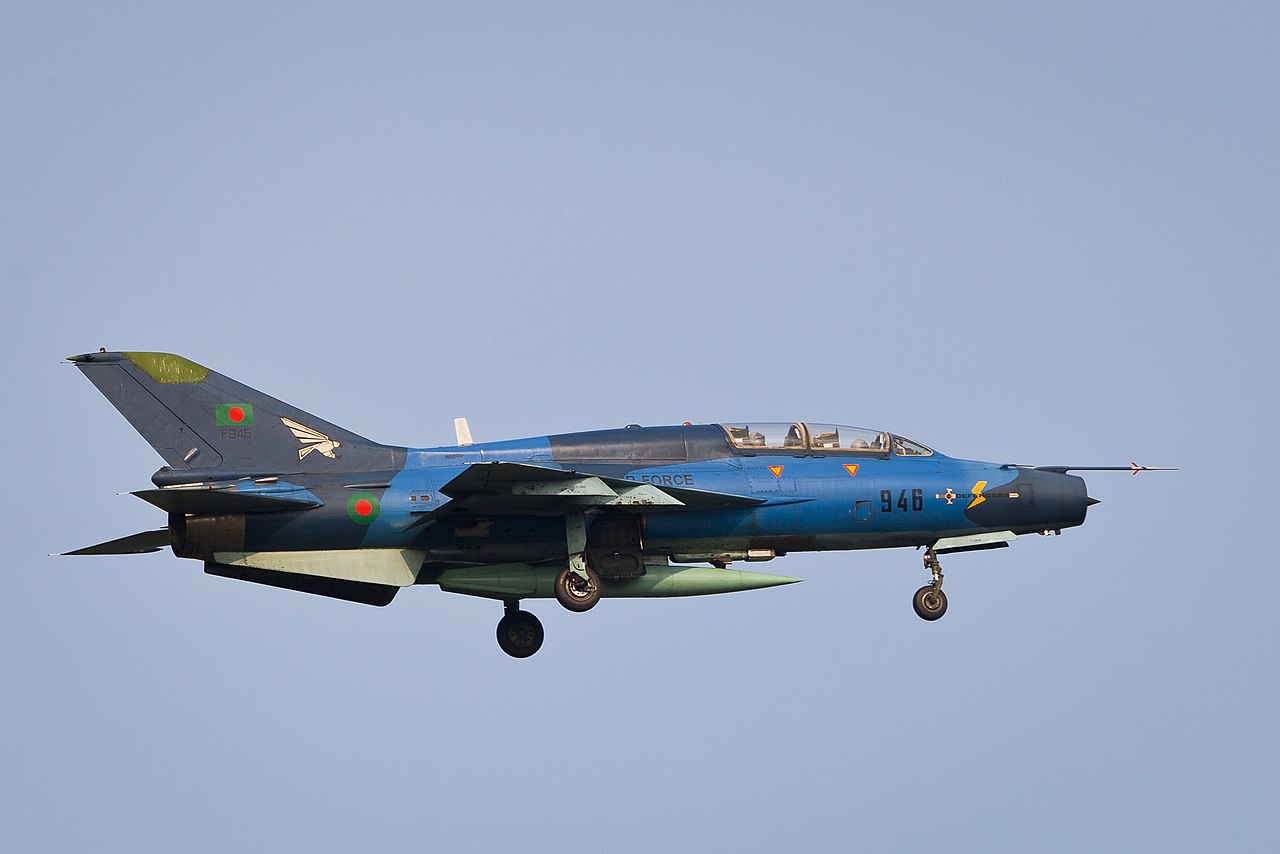
Another interesting example is the F-7 series aircraft, at least five of which from the Bangladesh Air Force crashed from 1994 to 2006. In 2020, replacement also began with the Chinese K-8W. Still, problems began there with armament and avionics, which, overall, led to a formal complaint about aircraft assembly quality and the availability of spare parts.
Crashes also haunt drones. So, in 2019, Iraq purchased 20 used CH-4B UAVs from Jordan, and already during the first years of use, 8 of them crashed. And rest withdrawn to reserve, because getting spare parts for them proved very problematic.
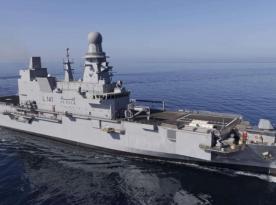
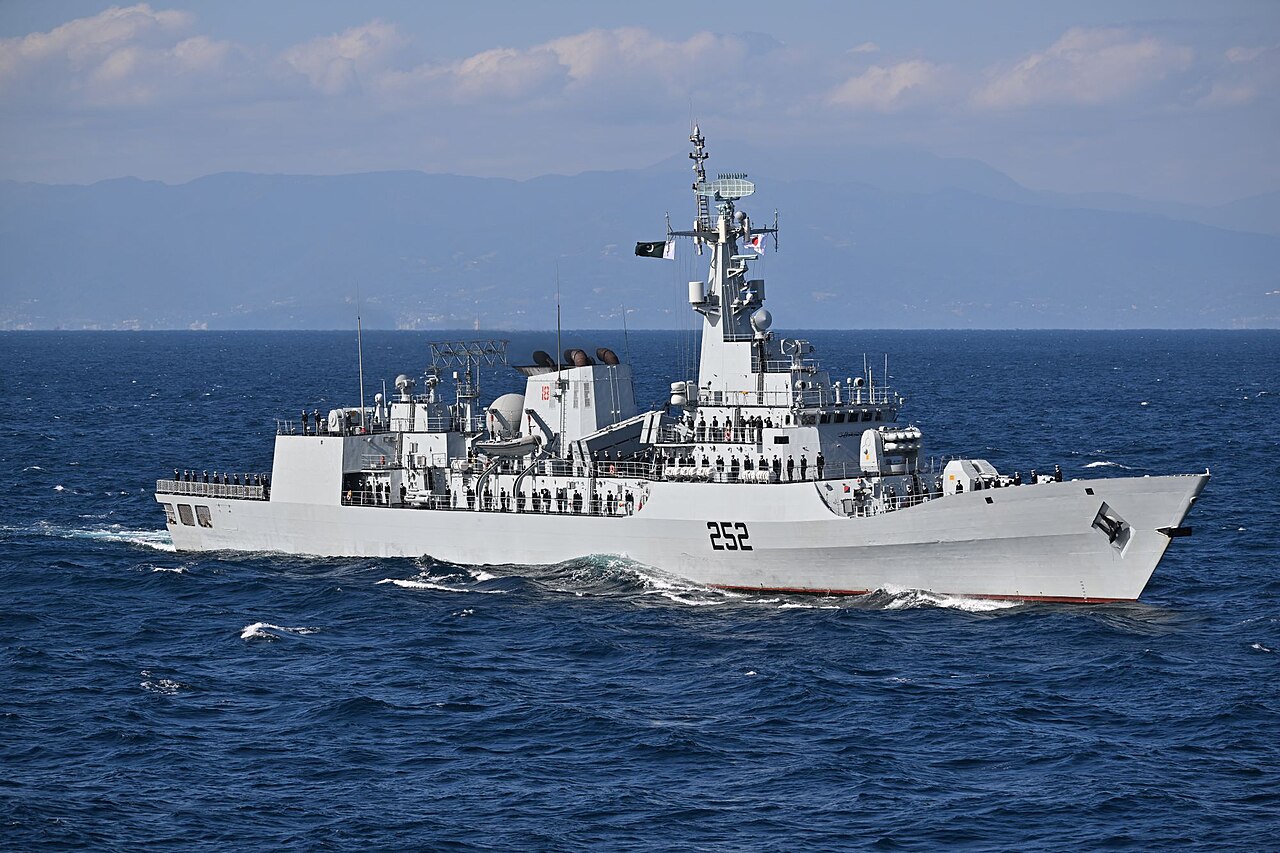
Regarding the fleet, according to some reports, Chinese F-22P frigates in the Pakistani fleet experienced engine and radar failures, and the FM-90(N) SAM system couldn't engage targets. Bangladesh also complained that components for ships transferred by China often broke.
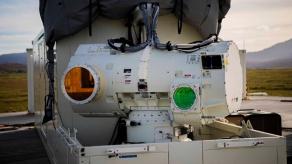
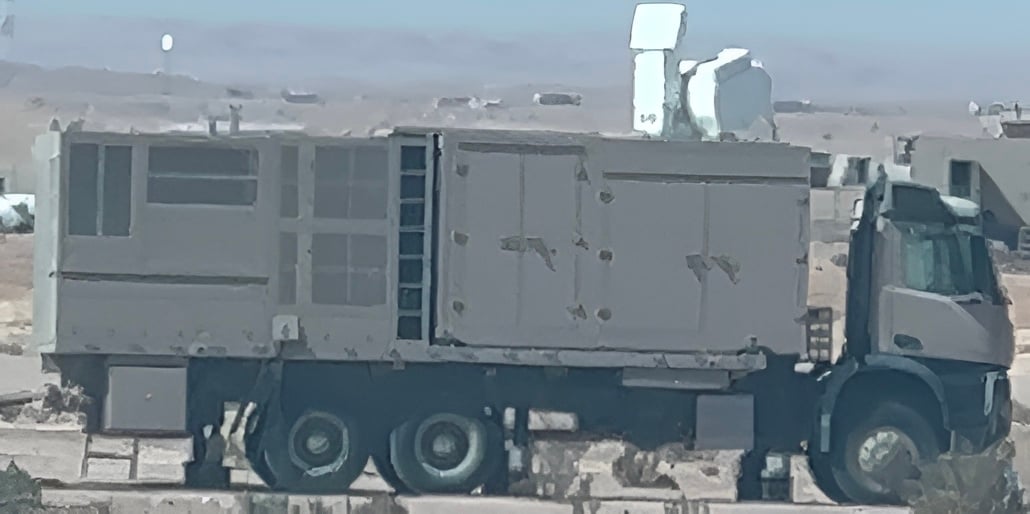
Examples close with Saudi Arabia's experience with the Silent Hunter laser from the SkyShield complex. So, to destroy a drone, they might need up to 15-30 minutes, and the overall system wasn't ready for operation in the Arabian Peninsula environment.
From all these stories, a conclusion is drawn that, although there are many operational nuances and accidents occur, it is most likely that there is a problem with quality control during weapons manufacturing in China. Also, the required level of support and spare parts supply isn't provided for the normal operation of already sold means.
Defense Express notes that the overall conclusion is indeed very logical, especially in support of the issue. Modern weapons are very complex, so without the ability to service them, breakdowns will start occurring, and combat readiness will fall. Also, note that China may have such problems only for export orders.
An important nuance regarding the above-mentioned stories is that many of them were reported with references to anonymous sources, so verifying them is sometimes impossible. Moreover, the authors were sometimes from Indian media outlets, which, for quite obvious reasons, may present information that is not entirely truthful.
However, there are still enough mentions to suggest that defense products from China have quality issues, especially in subsequent support. However, it's unknown whether this can influence the choices of many countries, which often cannot afford other alternatives.
Read more: Romania, U.S. Train Abrams, Bizonul Tanks Without Drone Protection Despite FPV Era Reality