


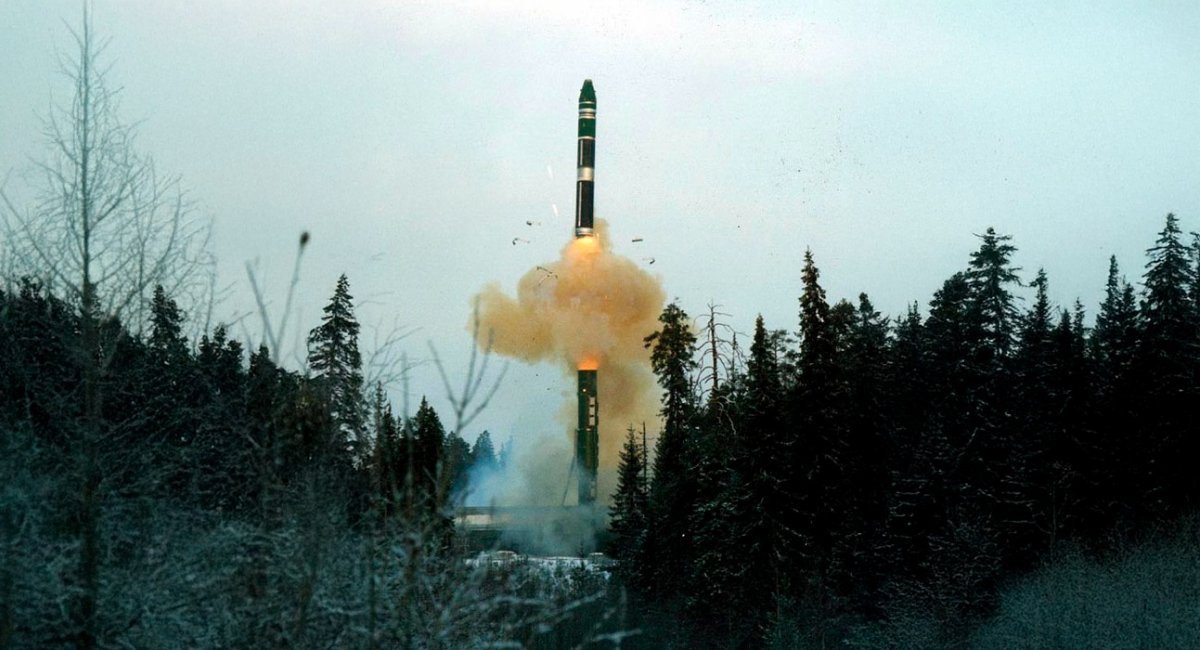
If we speak about long-range ballistic weapons for Ukraine, beyond urgently fixing production of solid propellant and motors for a notional Sapsan tactical missile system — which means establishing a new, highly protected plant using modern technologies deep in the rear — another question arises: what propellant exactly should be manufactured there?
The rocket's dimensions, range and payload capacity (including the warhead) depend directly on propellant performance. With roughly the same airframe, different propellants can give you a missile that flies 300 km, 500 km or even 1,000 km.
Read more: Ukraine's Sapsan Ballistic Missile Moves to Serial Production After Successful Combat Use
This piece continues the account by Zinoviy Pak, Doctor of Chemical Sciences, professor and former head of the Research & Production Association Soyuz, a developer of solid rocket motors for ballistic missiles. Pak — who lives in Slovenia and for two years has been awaiting Ukrainian citizenship without result — authored the solid propellants for missiles such as the RT-2PM Topol ballistic missile (NATO reporting name SS-25 Sickle), the R-39 and the RT-23.
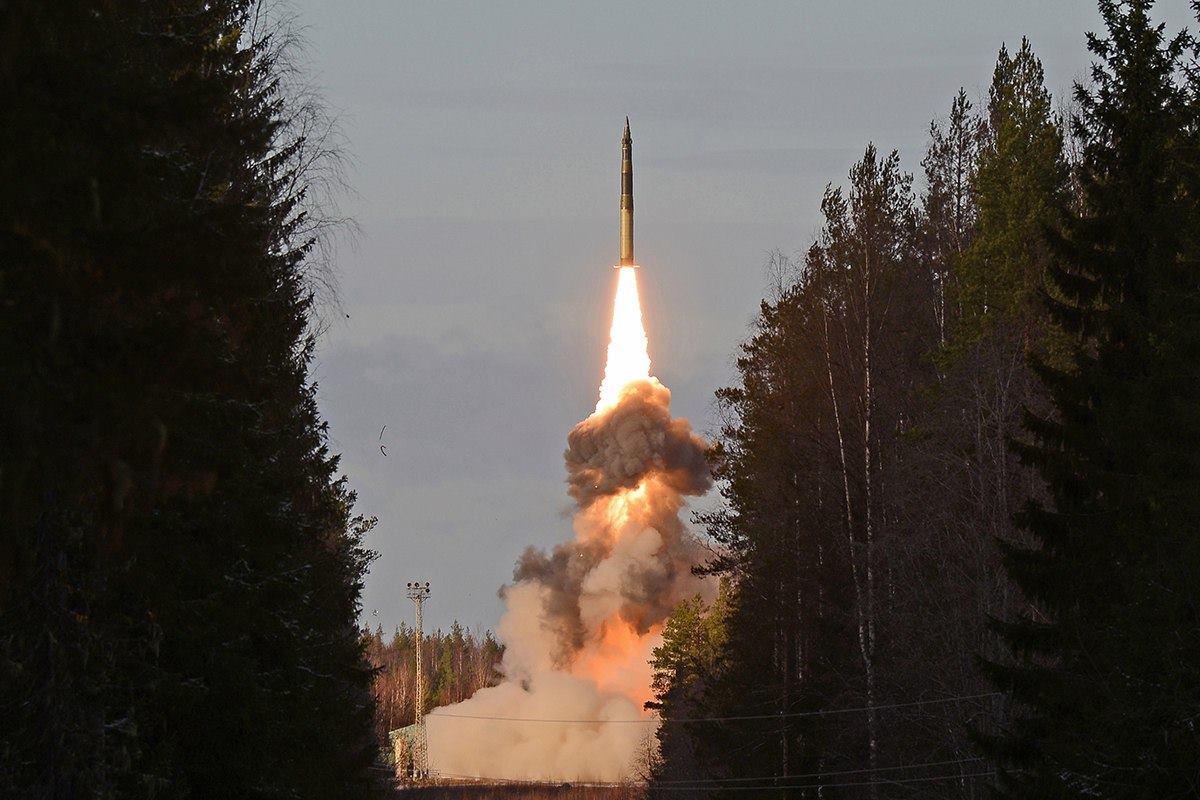
"In 1971 the USSR discovered ADN (ammonium dinitramide) after a task was set for the Institute of Organic Chemistry of the USSR Academy of Sciences. I took that new molecule as a basis and began developing a wholly new class of rocket propellants. The United States discovered ADN some 20 years later and secured an international patent for it — something we were unable to do because the Soviet work was secret. By the time the Americans published ADN, the Soviet Union had already organized industrial production of ADN-based rocket propellants, and new missiles had entered the Strategic Rocket Forces," Zinoviy Pak recalls.
The new solid propellant proved more energetic than previous formulations. That enabled Design Bureau Pivdenne to develop a new generation of intercontinental ballistic missiles and to narrow the technological gap with the United States, which had been a limiting factor given the "weakness" of earlier propellant types. The three-stage solid-propellant RT-23 was the missile developed with this new fuel.
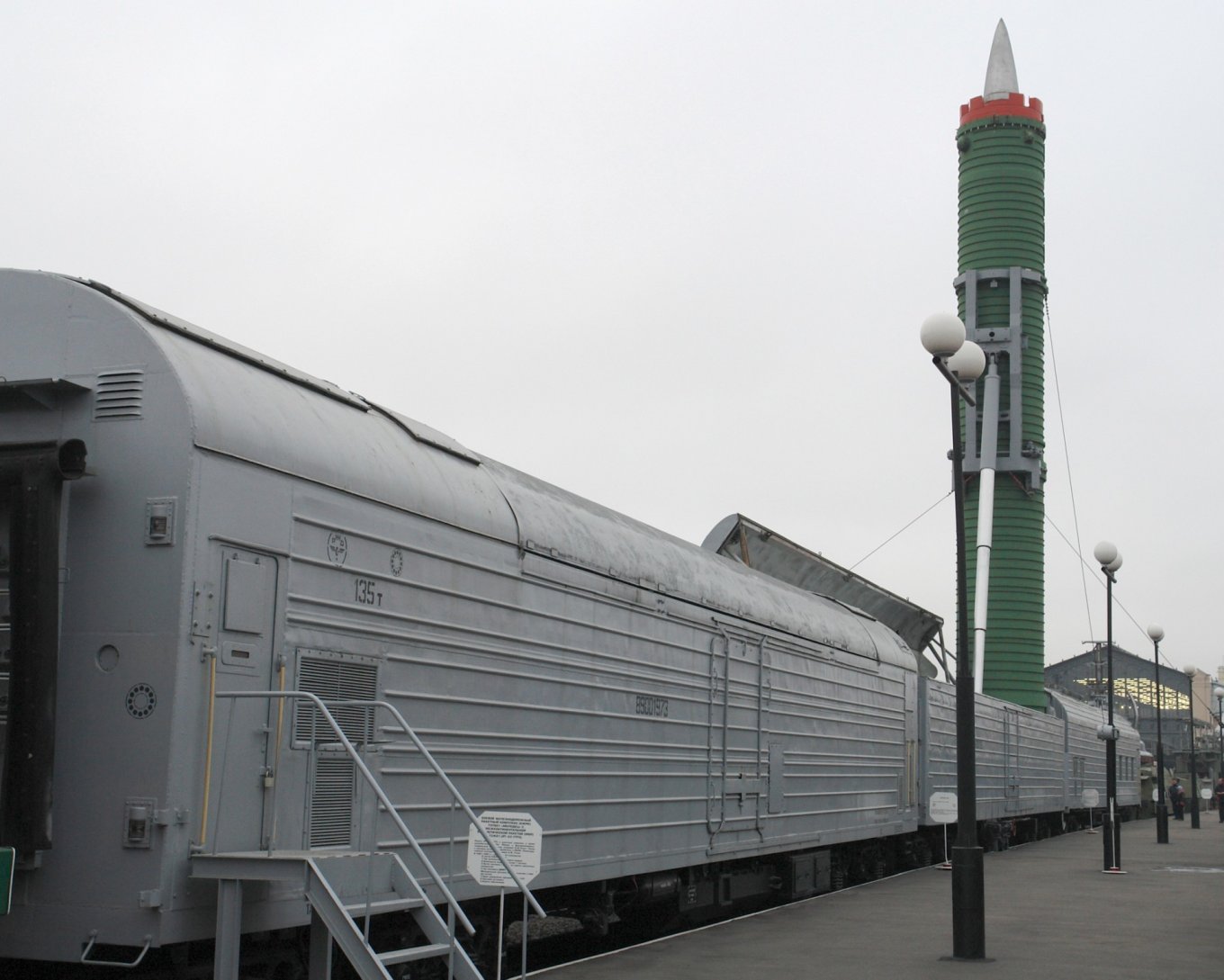
The RT-23 is better known in its rail-based version (index 15Zh60), but there was also a silo variant (15Zh61). The missile's lead designer was Design Bureau Pivdenne (chief designer V. Utkin); manufacturer was the Pavlohrad Mechanical Plant. These missiles had a launch mass of roughly 104.5 tonnes, a payload composed of 10 independently targeted warheads of 55 kt each, and a range up to 10,100 km. They were in service from 1989 to 2003.
Forty-six 15Zh61 silo missiles were deployed in Ukraine as part of the 43rd Rocket Army. After Ukraine's denuclearization, decommissioning of these missiles began. The first and second stages were disposed of at the Pavlohrad chemical plant by solvent leaching (hydro-washing), while the third stage was destroyed in russia by incineration. The leaching technology was later deemed unacceptable because of the high risk of explosion.
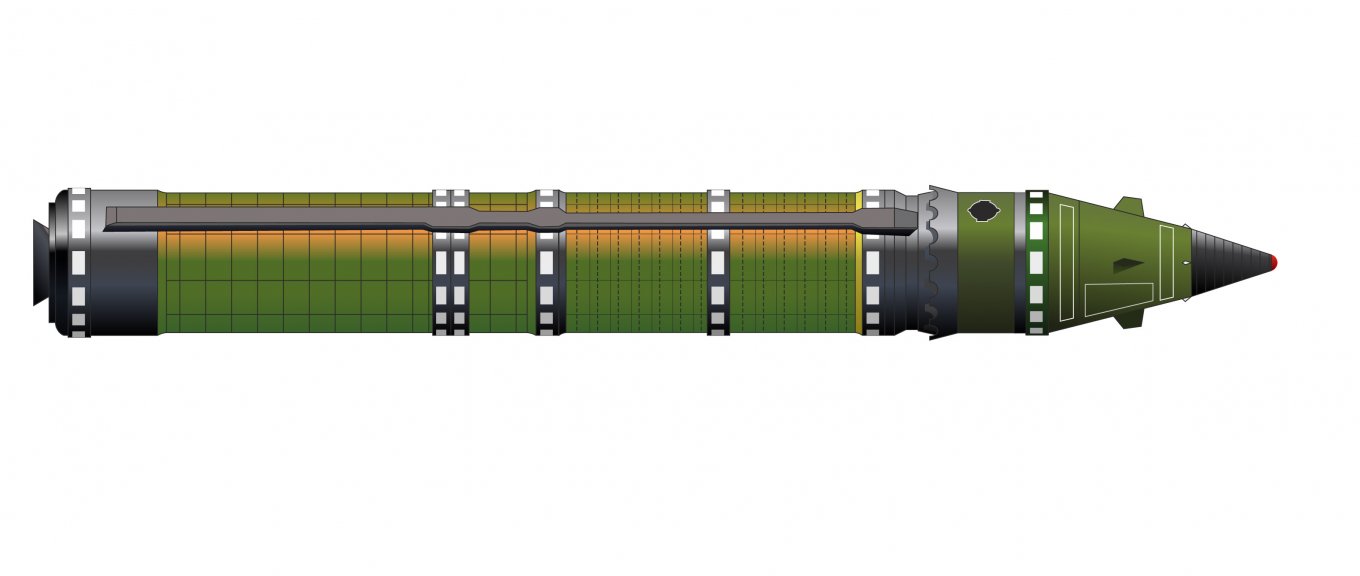
Because the third-stage propellant for the RT-23 ICBM embodied not only the ADN oxidizer but also another chemical–technological know-how: the combination of ADN and the super-combustible aluminum hydride. That pairing was long considered impossible. Numerous scientific schools tried to use aluminum hydride for propellants because it promised radically new capabilities, but they failed. Below is a direct quotation from Zinoviy Pak:
"Aluminum hydride’s properties are such that it decomposes extremely rapidly even at low temperatures with release of hydrogen, which is unacceptable for preserving the monolithic integrity of a motor during long-term storage on alert (15–20 years). Everyone sought a "stable" aluminum hydride that wouldn't outgas. I took a different route. Why try to make it stable? Why not bind that gas and convert it into a liquid? That would remove the stability problem for aluminum hydride. And we found such a system, such a solution. It was patented — but as a closed USSR patent, which russia cannot apply in practice today for a number of reasons.
I am convinced that how to combine aluminum hydride and how to ensure high performance and energetic output — all of this remains a secret and a technical challenge for a number of countries developing ballistic missiles. This concerns European countries as well as South Korea and Turkiye. But it could be done through joint effort: our partners would provide financing, industrial capacity and measuring equipment, and we would provide the knowledge and the solution."
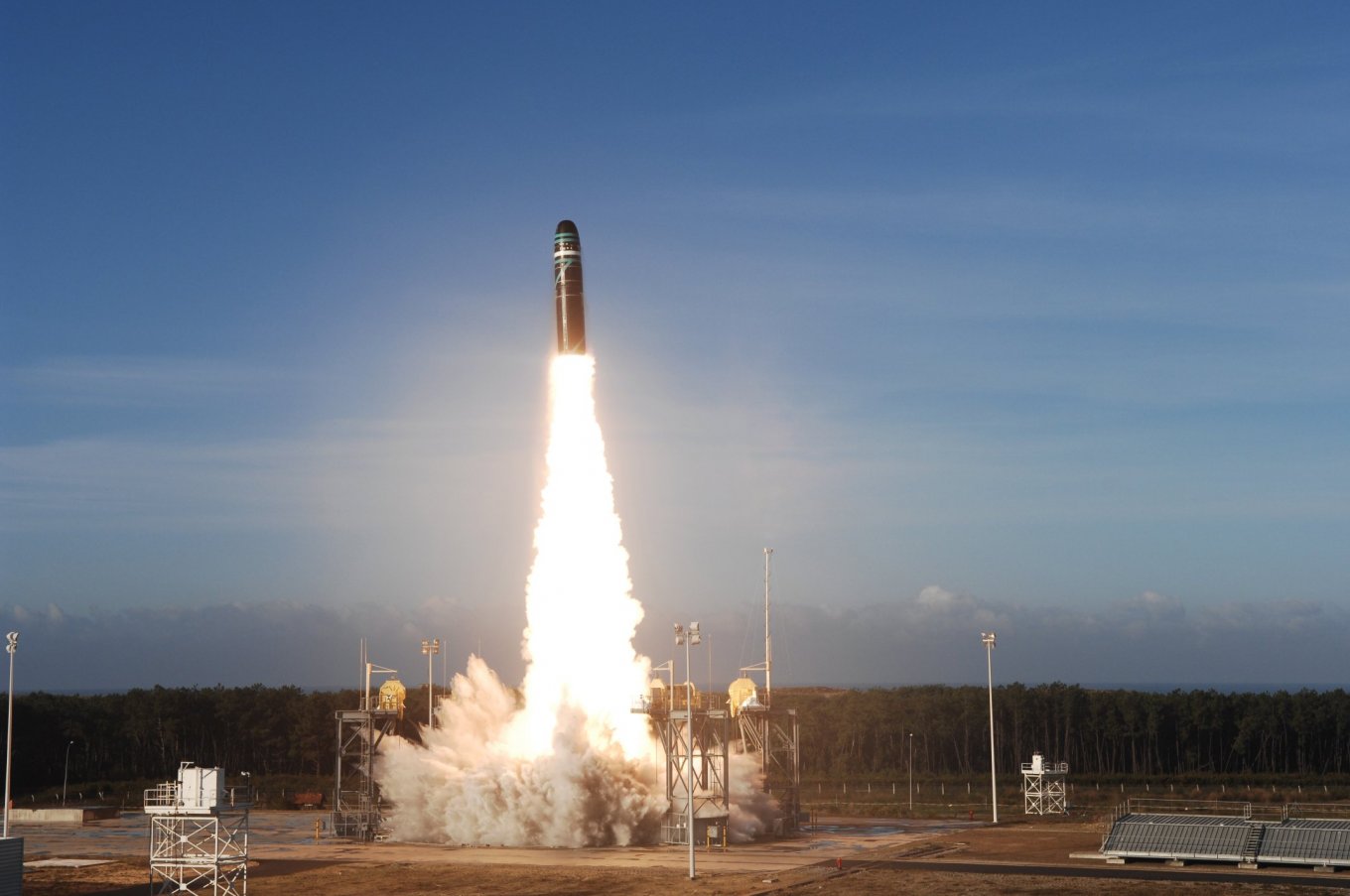
Finally, it must be understood that presently in Europe only France's ArianeGroup builds ballistic missiles — the company behind the M51 SLBM. That work grew out of developments for the P241 solid side-booster of the Ariane 5 launcher. Those same advances will form the basis of the MBT ballistic missile with a ~2,000 km range slated to appear sometime in the next decade. It is highly doubtful France would share such proprietary expertise or sell critical components.
The same applies to the United States: Washington refused the request to supply solid propellant taken from older ATACMS for our new Sapsan missiles even under the Biden administration. Thus the statement that the solid propellant for Sapsan can be made only in Ukraine is, in practice, the only realistic scenario.
Zinoviy Pak, a Halychanyn who developed propellants for the USSR's best missiles, wants to obtain Ukrainian citizenship and help his Motherland become stronger in confronting the russian federation. "To have state sovereignty," he says, "we must first ensure ammunition and missile sovereignty. Only then will we have any real guarantee of security."
Read more: SAMP/T Beats Patriot System in the Iskander Fight and What That Reveals About russia's Ballistic Missile Upgrades