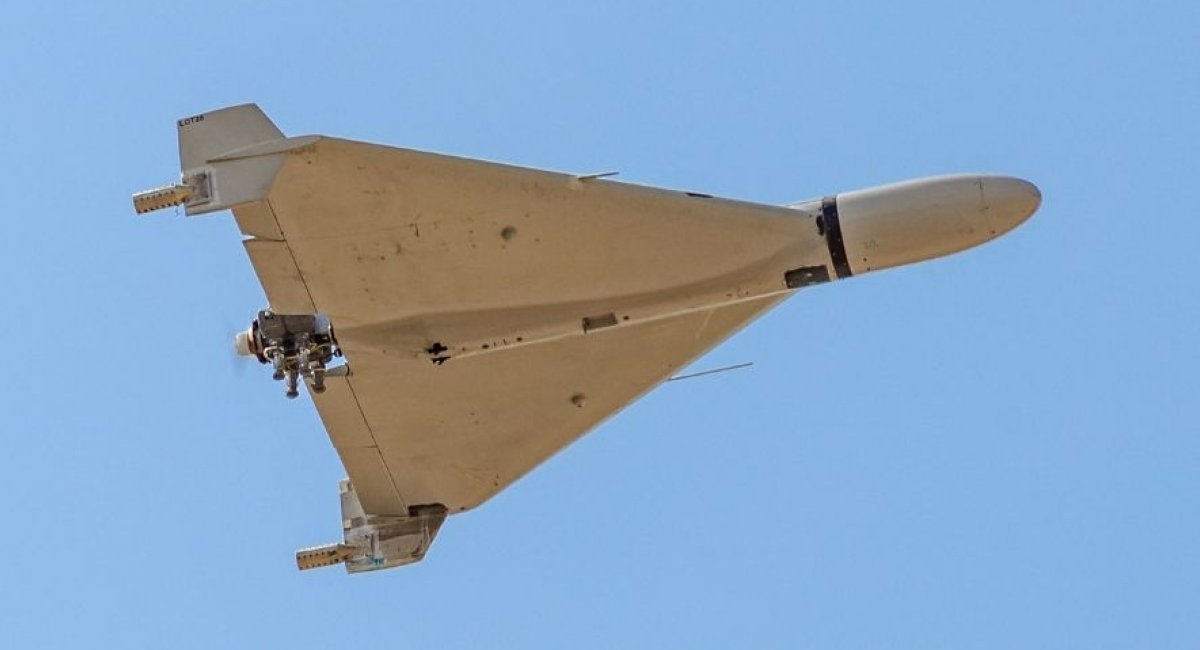
Speaking on Espreso TV, Kubilius emphasized the importance of the Drone Wall concept, which has since evolved into the European Anti-Drone Initiative.
"The Drone Wall initiative is indeed very important. Immediately after the provocations against Poland, both I and the President of the European Commission called for its creation. However, the term "wall" caused some confusion among EU member states — some began asking what such a "wall" would physically look like, and whether it could offer 100% protection from drones. So we decided to change the name slightly. Now it's called the European Anti-Drone Initiative, but its essence remains the same," Kubilius explained.
Read more: How Far russia’s Shahed Drones Can Fly into Europe and Why Spain Should Take It Seriously
The Commissioner noted that the EU's priority is to strengthen drone detection systems along the eastern borders — including radar networks capable of identifying unmanned aerial vehicles. He also highlighted the value of Ukrainian experience in developing acoustic sensors and other detection tools.
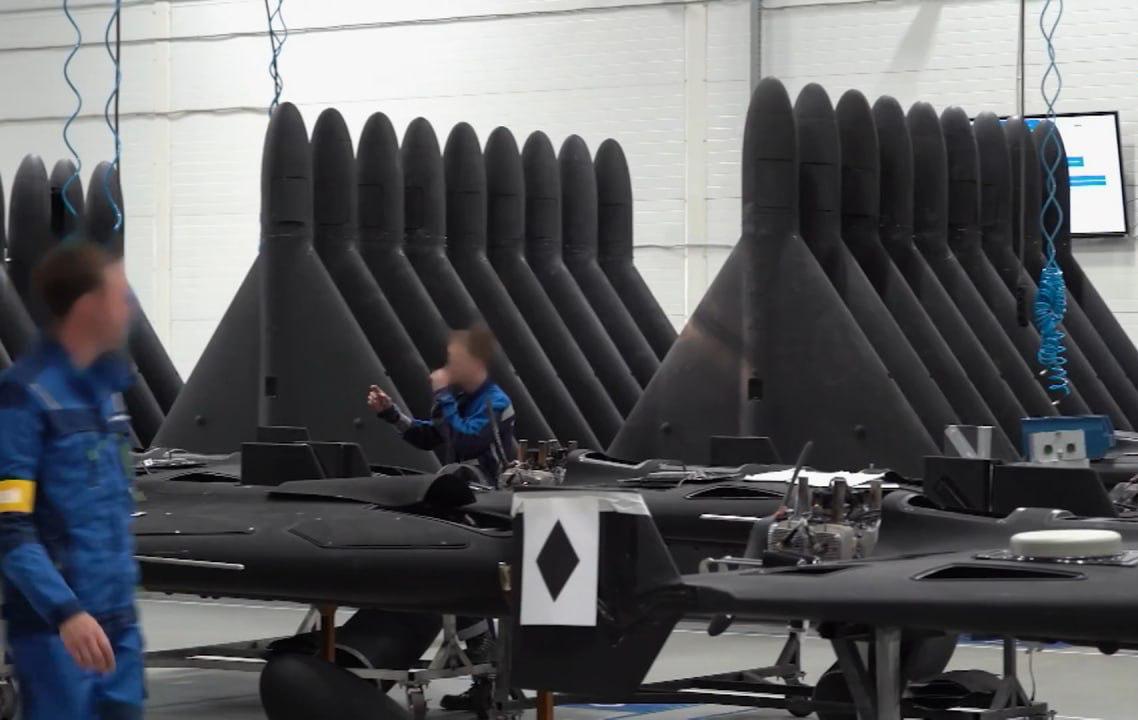
Kubilius stressed that the EU must also find cost-effective ways to destroy drones.
"When drones appeared over Polish territory, very expensive missiles were used — costing around a million euros each — to shoot down drones worth perhaps 10,000 euros. That is clearly not economically sustainable," he said.
The Commissioner pointed to Ukraine's innovative use of interceptors, electronic warfare systems, and mobile air-defense teams employing traditional anti-aircraft artillery or heavy machine guns. He added that countries with their own air forces or helicopters could integrate them into counter-drone operations.
"We must build these capabilities as efficiently as possible. That is why we continue consultations with the Ukrainian side — their experience is critical not only for the eastern flank but for all EU member states," Kubilius emphasized.
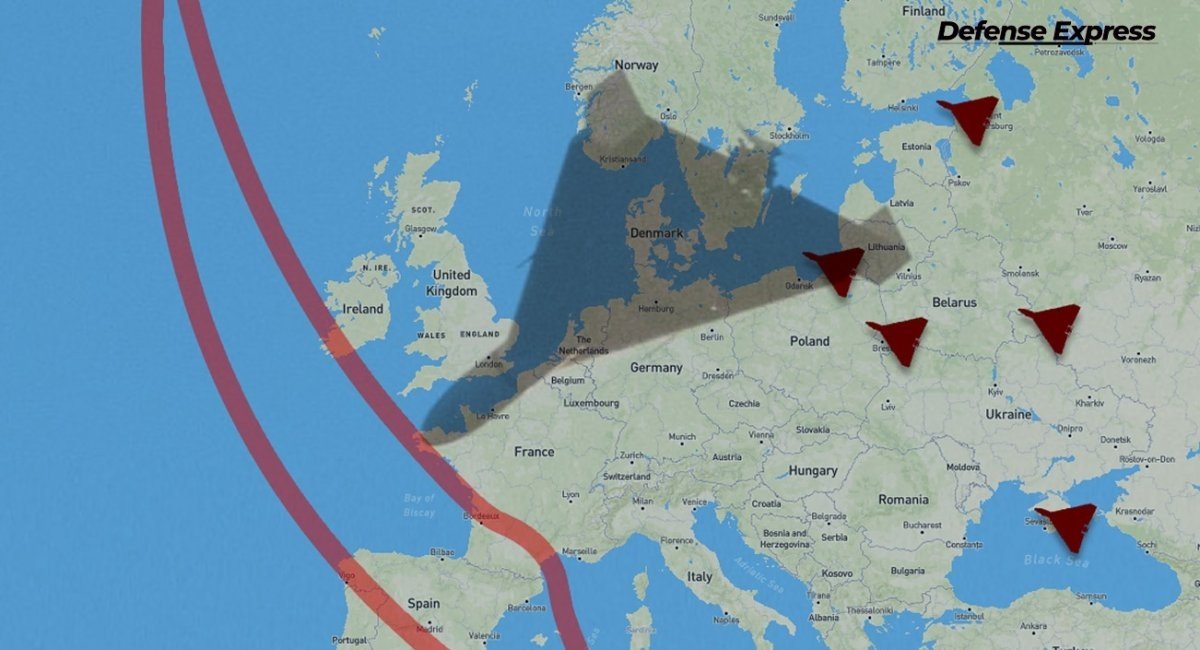
He also warned that drone defense is increasingly relevant for countries far from russia's borders, including Germany, Denmark, Spain, and Portugal.
"russians can launch drones not only from Kaliningrad or their own territory but also from shadow fleet vessels cruising near Europe's coasts. From such ships, they could launch drones when close enough to major cities, capitals, or ports," he said.
Kubilius concluded by stressing that the European Anti-Drone Initiative must ensure coordinated development of such defenses across all EU countries, with Ukraine's active participation.
"We are moving forward and hope to soon reach clearer agreements among member states on the next steps — with Ukraine's involvement — and to do so within ambitious timelines," he summarized.
Read more: How Long it Takes for russia to Gather 500+ Shahed Drones For Massive Attacks