


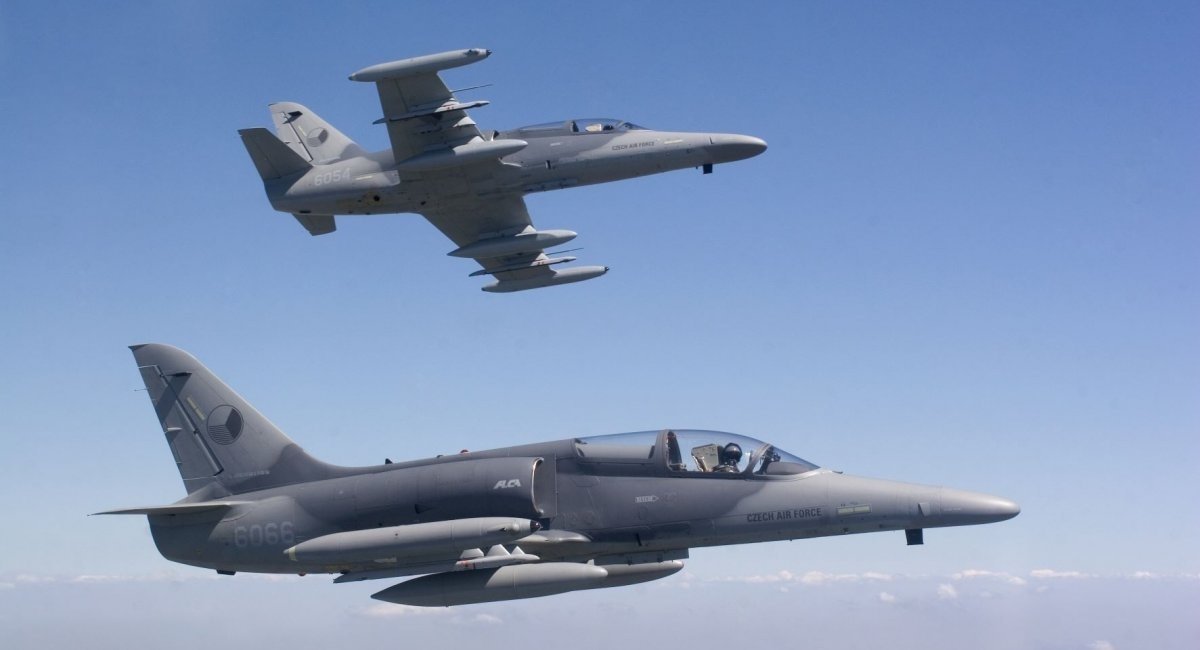
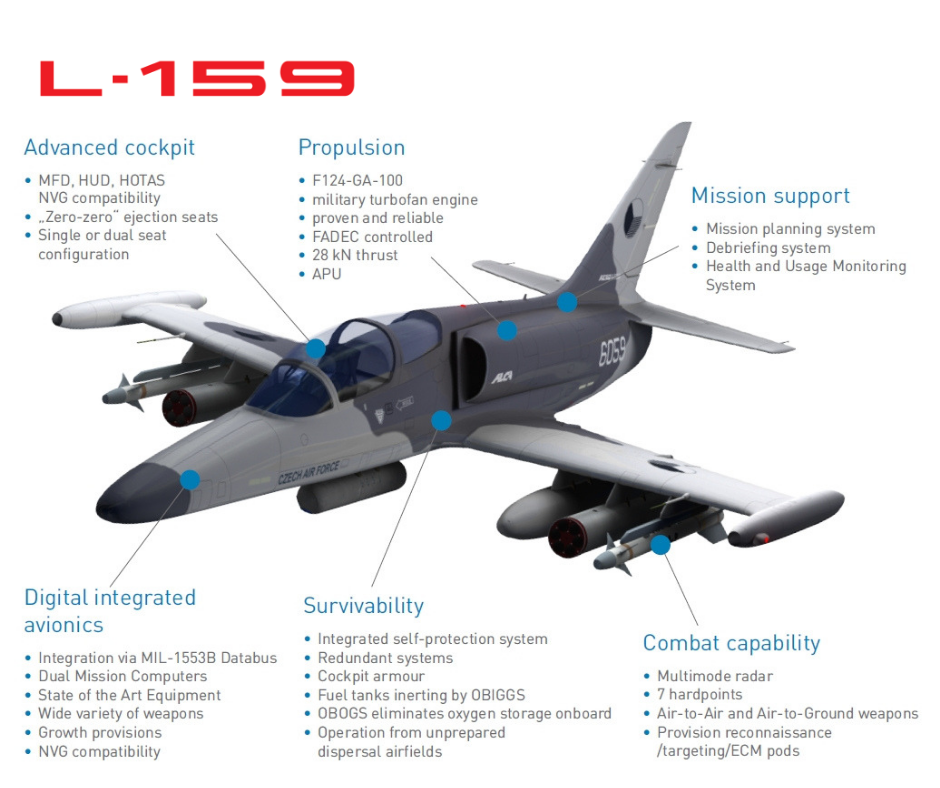
The L-159 is a light combat aircraft that could have been useful to Ukraine's Defense Forces in countering long-range strike drones such as the Geran or Shahed.
The Czech Republic has refused both to donate and even to sell L-159 light combat aircraft to Ukraine for counter-drone missions. As previously reported, Czech Prime Minister Andrej Babiš confirmed this decision after President Petr Pavel, during a visit to Ukraine, stated at a joint press conference with President Volodymyr Zelenskyy that the Czech Republic was ready to provide Ukraine with "medium combat aircraft" to counter drones.
Read more: Could L-39NG Skyfox Be Ukraine's Counter-Drone Aircraft? Delivery Timeframes and Price
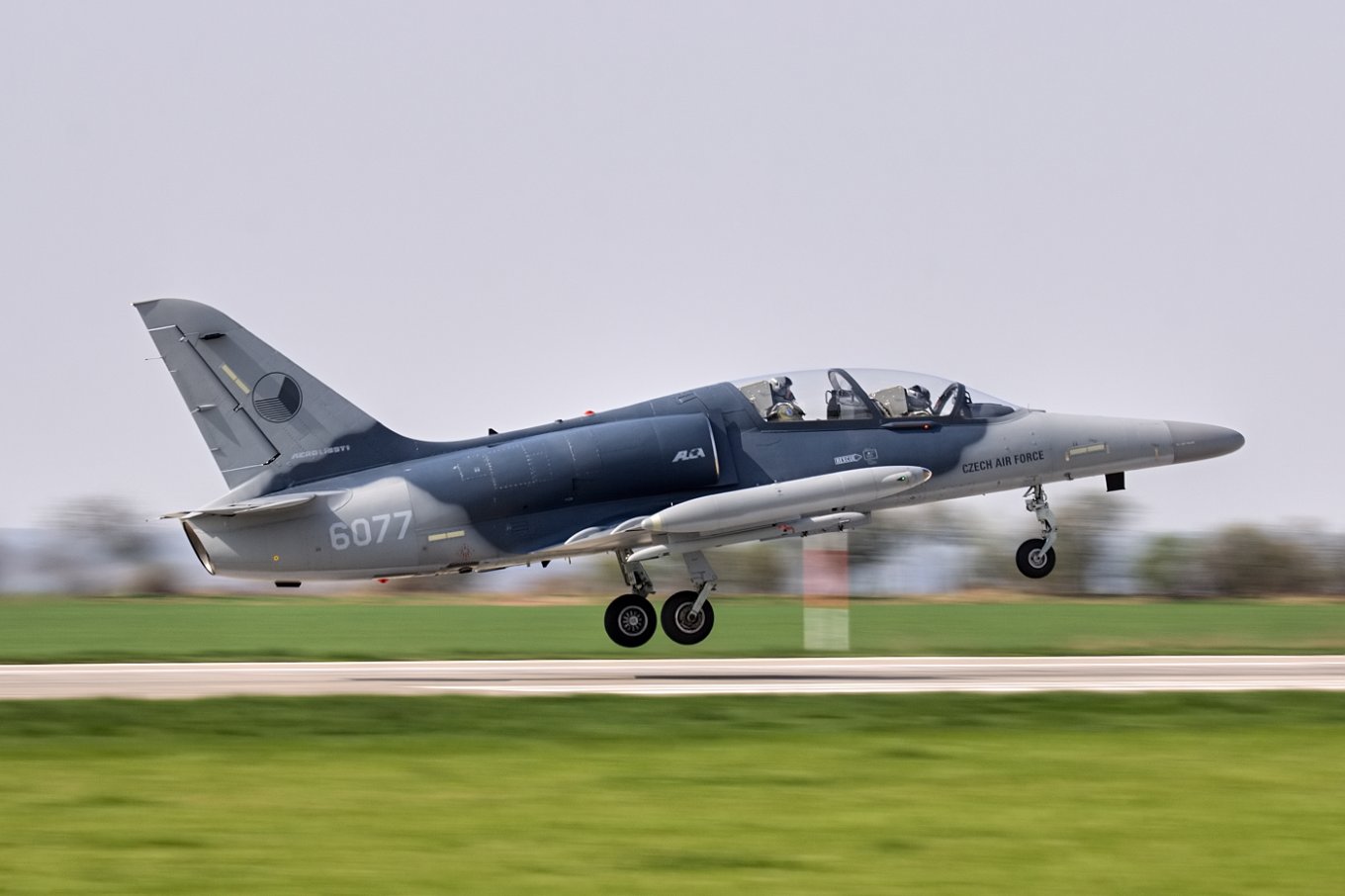
Babiš explained the decision not to transfer or sell the L-159 by stating that the aircraft are expected to remain in service with the Czech Armed Forces until 2040 and are allegedly fully required by the military. Meanwhile, Speaker of the Chamber of Deputies Tomio Okamura emphasized that the L-159 has significant combat potential that could not be compensated for through its sale.
However, it can now be stated with a high degree of confidence that such arguments are most likely an attempt to mask a purely political decision with claims about safeguarding military readiness. This conclusion is supported by recent remarks from the Chief of the General Staff of the Czech Armed Forces, Karel Řehka. While he declined, for understandable reasons, to comment directly on statements made by politicians, he stressed that the armed forces had been prepared to transfer four L-159 aircraft and that such a step would not have posed a threat to the Czech Republic’s security. His comments were cited by Novinky.cz.
Notably, this conclusion was first reached back in August last year in response to a request from Ukraine. At that time, Czech military planners determined that up to four aircraft could be transferred, a figure that appears logical given that the Czech Air Force operates a total of 24 L-159s. They did, however, point to potential issues related to service life and the availability of spare parts. Subsequent confirmations of readiness to donate four aircraft to Ukraine were issued again in October and December of last year.
One particularly noteworthy detail reported by the outlet concerns a statement by Czech Defence Minister Jaromír Zuna, who claimed that the Supreme Audit Office had issued an assessment listing military equipment that could be transferred to Ukraine. This assertion was later denied by the same office, which stated that it had not dealt with the L-159 aircraft at any point in recent years.
It is also worth recalling that following parliamentary elections in the Czech Republic last autumn, Andrej Babiš became prime minister. During his election campaign, he emphasized plans to shut down the so-called Czech initiative for supplying ammunition to Ukraine. Although he later stated that the initiative would continue, he also clarified that the Czech state would no longer make financial contributions to it.
Returning to the L-159 issue, it should be noted that the refusal to transfer these aircraft to Ukraine was not unique to the current government. In 2023, the then Minister of Defence Jana Černochová also stated that the Czech Republic had no surplus combat aircraft for Ukraine, explaining that the L-159s were needed for training Czech forces and that "this capability could not be lost."
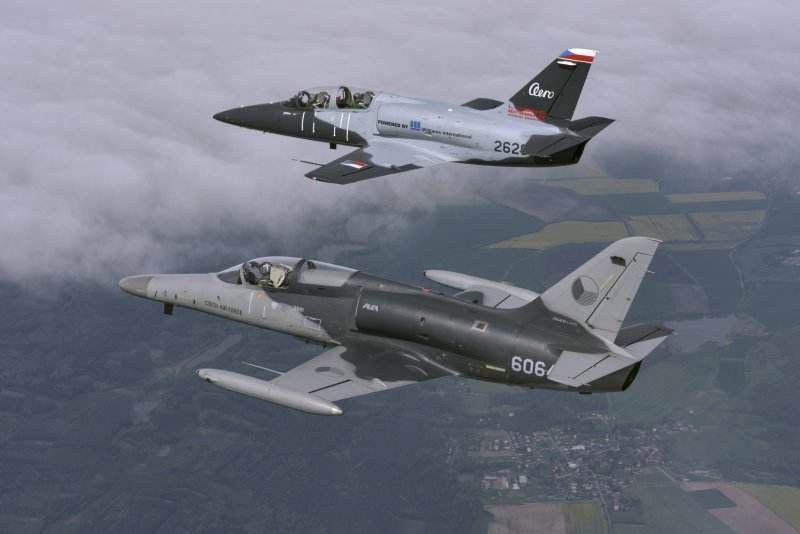
As previously reported by Defense Express, Ukraine is now being offered the new L-39NG Skyfox aircraft as an alternative to the L-159, which the Czech Republic has declined to sell.
Read more: If the Czech Republic Transfers Combat Aircraft to Ukraine to Hunt Shahed Drones, What Could They Be?