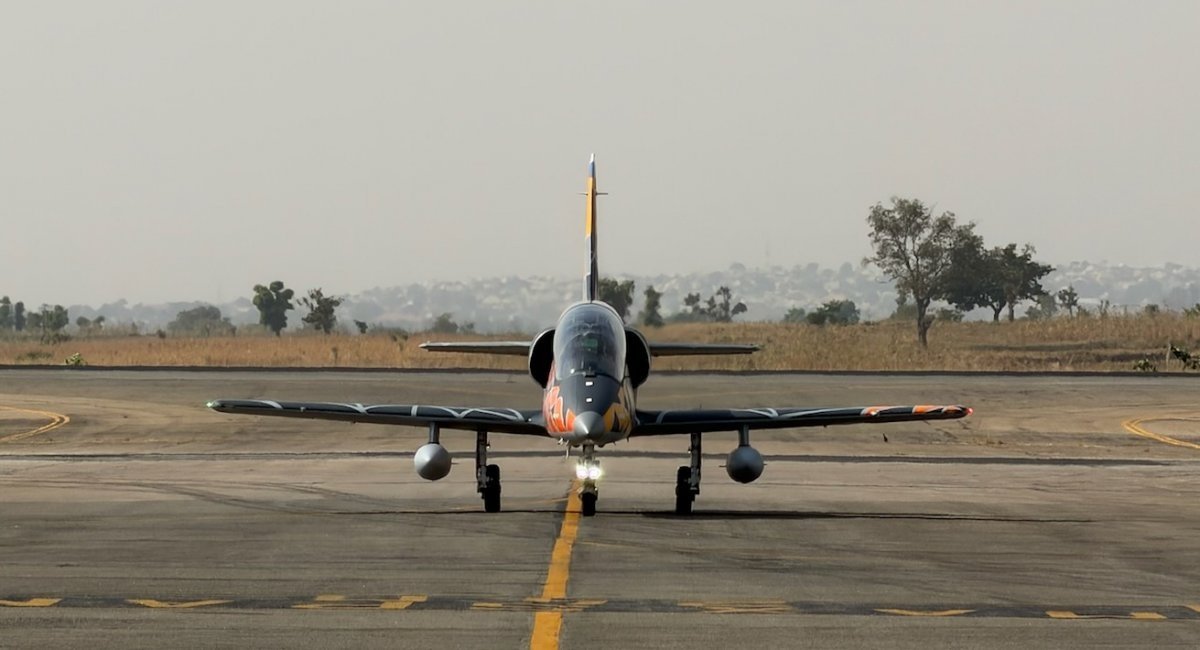
The L-39NG Skyfox, developed by the Czech company Aero Vodochody, is being promoted as a potential option for Ukraine. This makes it worth examining how long deliveries could take and what the potential cost of such a deal might be.
We have previously discussed the proposal itself and why it could make sense. In general, this option is viewed as an alternative to acquiring older L-159 aircraft, which the Czech Republic has refused to sell due to its own operational needs.
Read more: If the Czech Republic Transfers Combat Aircraft to Ukraine to Hunt Shahed Drones, What Could They Be?
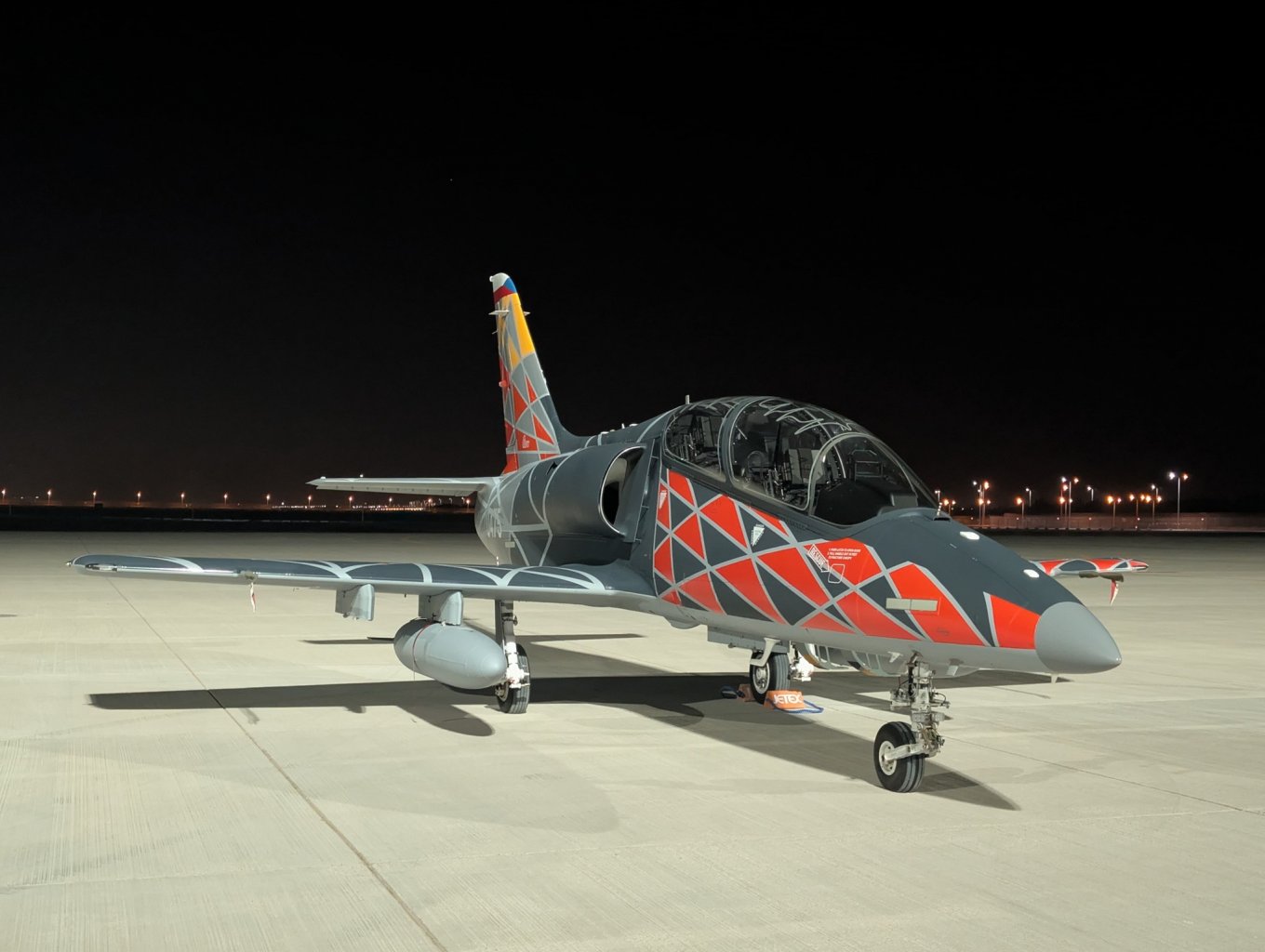
At present, the L-39NG Skyfox is in service with Vietnam and Hungary, as well as at the Pardubice Flight Training Centre, which is used for training Czech Air Force pilots and those from other customer nations. Aero Vodochody has also attempted to market the aircraft in Africa, though with limited success so far.
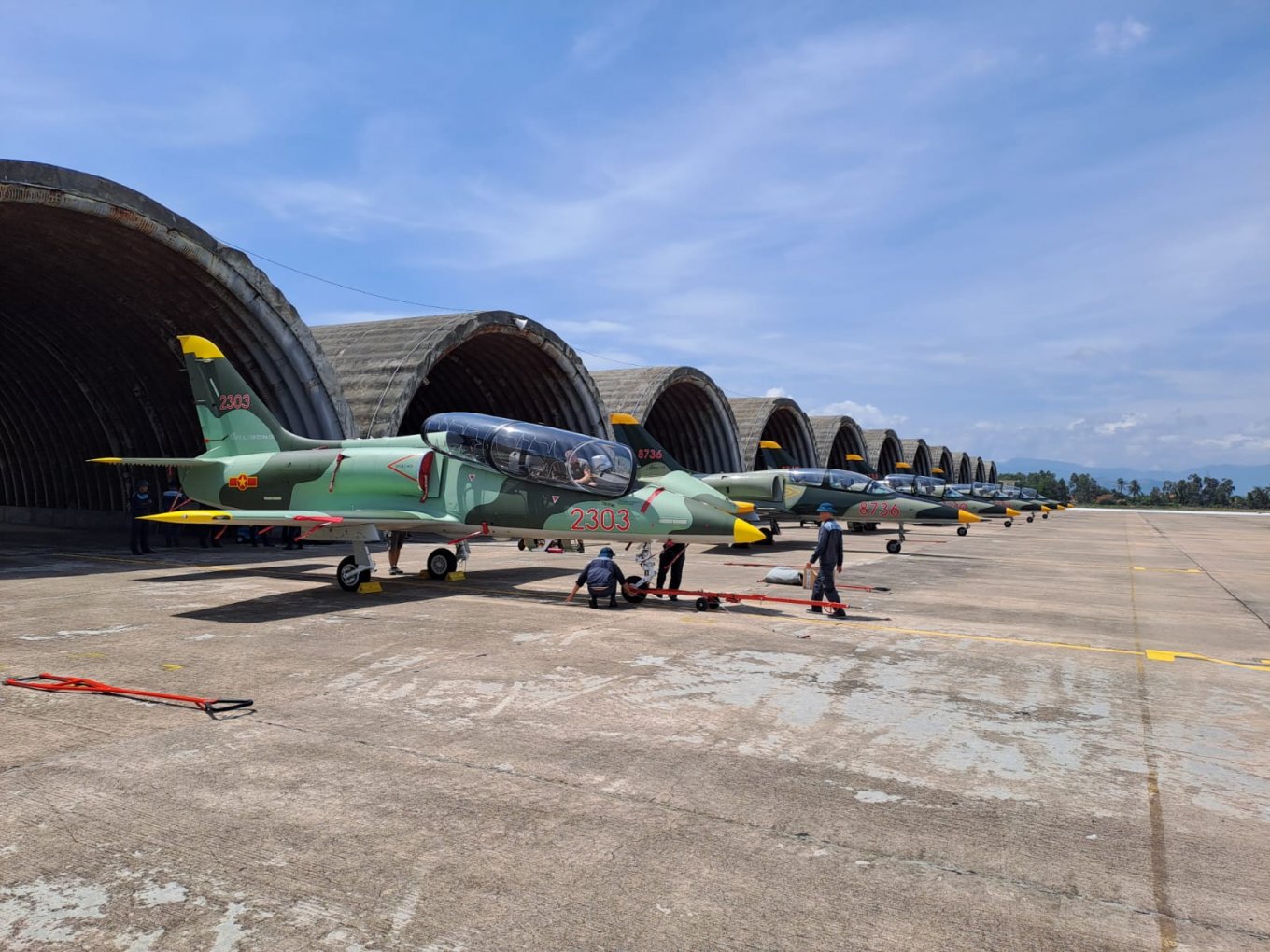
Looking at actual delivery timelines, Vietnam ordered 12 aircraft in February 2021. Deliveries were initially scheduled for 2023–2024, but in practice the first aircraft arrived only in August 2024, while the remaining six were delivered in the first quarter of 2025.
In November 2022, the Czech Republic ordered four L-39NG aircraft with an option for four more under a contract valued at CZK 2.1 billion (approximately USD 101.5 million). Of this amount, CZK 1.3 billion (around USD 62.84 million) was allocated to the aircraft themselves, with the remainder covering support services and warranty coverage through 2028. Based on rough estimates, this places the unit price at about USD 15.7 million per aircraft, or roughly USD 25 million per aircraft when the full support package is included.
Under the contract terms, deliveries were to begin no later than 28 months after signing, and the initial batch of four aircraft was delivered during 2025. In early 2026, the first aircraft from the follow-on option of four was delivered.
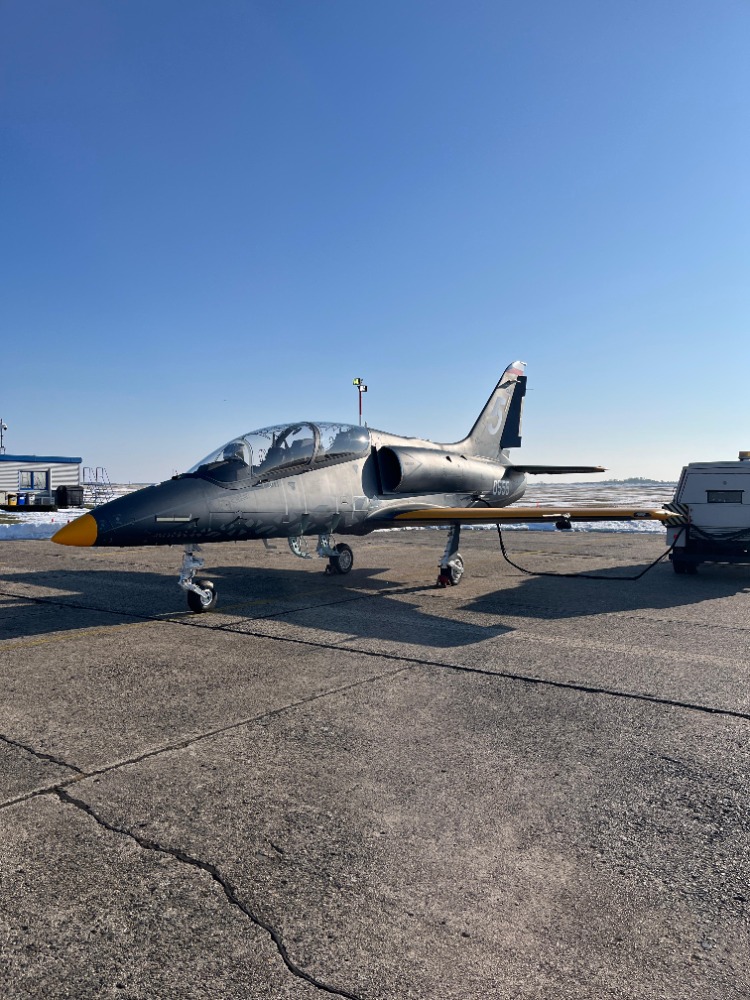
Hungary, for its part, ordered 12 L-39NG aircraft in April 2022. However, the first three aircraft were delivered only in May 2025, slightly more than three years later. Notably, only eight aircraft were ordered in a trainer/light combat configuration, while the remaining four were configured for reconnaissance missions.
Overall, this experience suggests that initial deliveries from Aero Vodochody would take at least two years, and potentially longer. In other words, if Ukraine were to acquire L-39NG aircraft, it would clearly be a long-term investment.
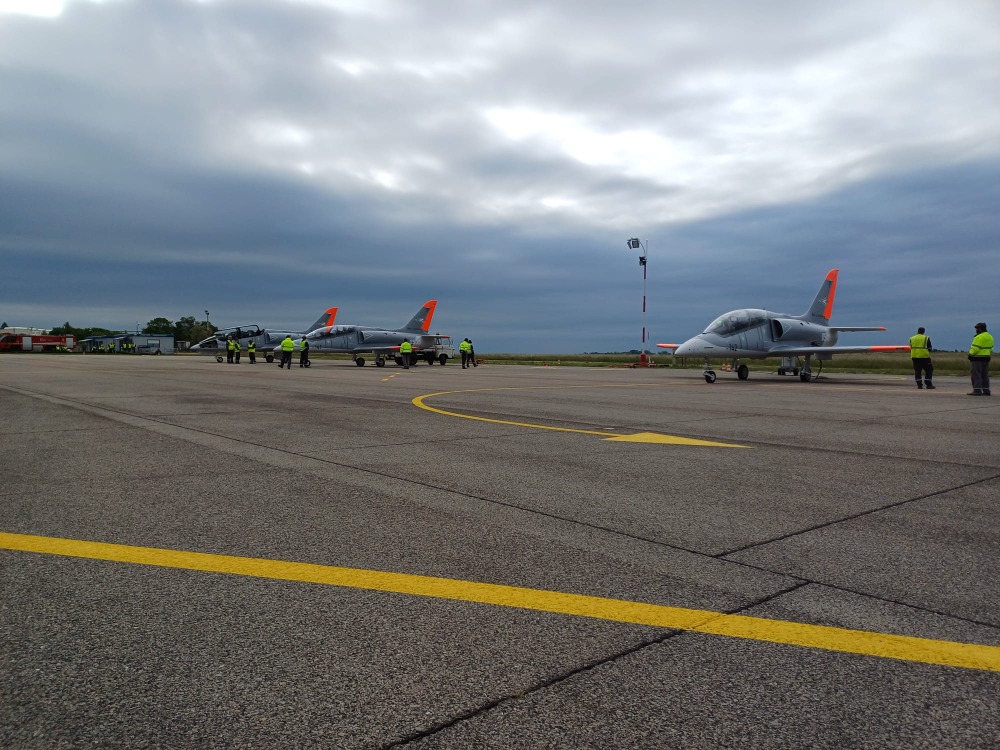
At the same time, it is highly unlikely that either the Czech Republic or Hungary would currently agree to transfer aircraft originally intended for their own air forces. This is largely due to political considerations, although the situation could potentially change after Hungary’s elections in 2026.
It is also worth recalling the case of Ghana, which in 2021 planned to purchase six L-39NG aircraft for USD 132 million, implying a price of up to USD 22 million per aircraft including support equipment. However, no further information followed, and given the lack of delivery data, the deal was most likely never finalized.
That said, Ukraine, like the Czech Republic, faces the need to replace its aging fleet of L-39 Albatros trainer/light combat aircraft used for pilot training. In this context, the L-39NG, with its potential counter-drone capabilities, could make sense as a future-oriented acquisition. It would also allow continued operation of a broadly similar aircraft type, simplifying introduction into service for the Air Force.
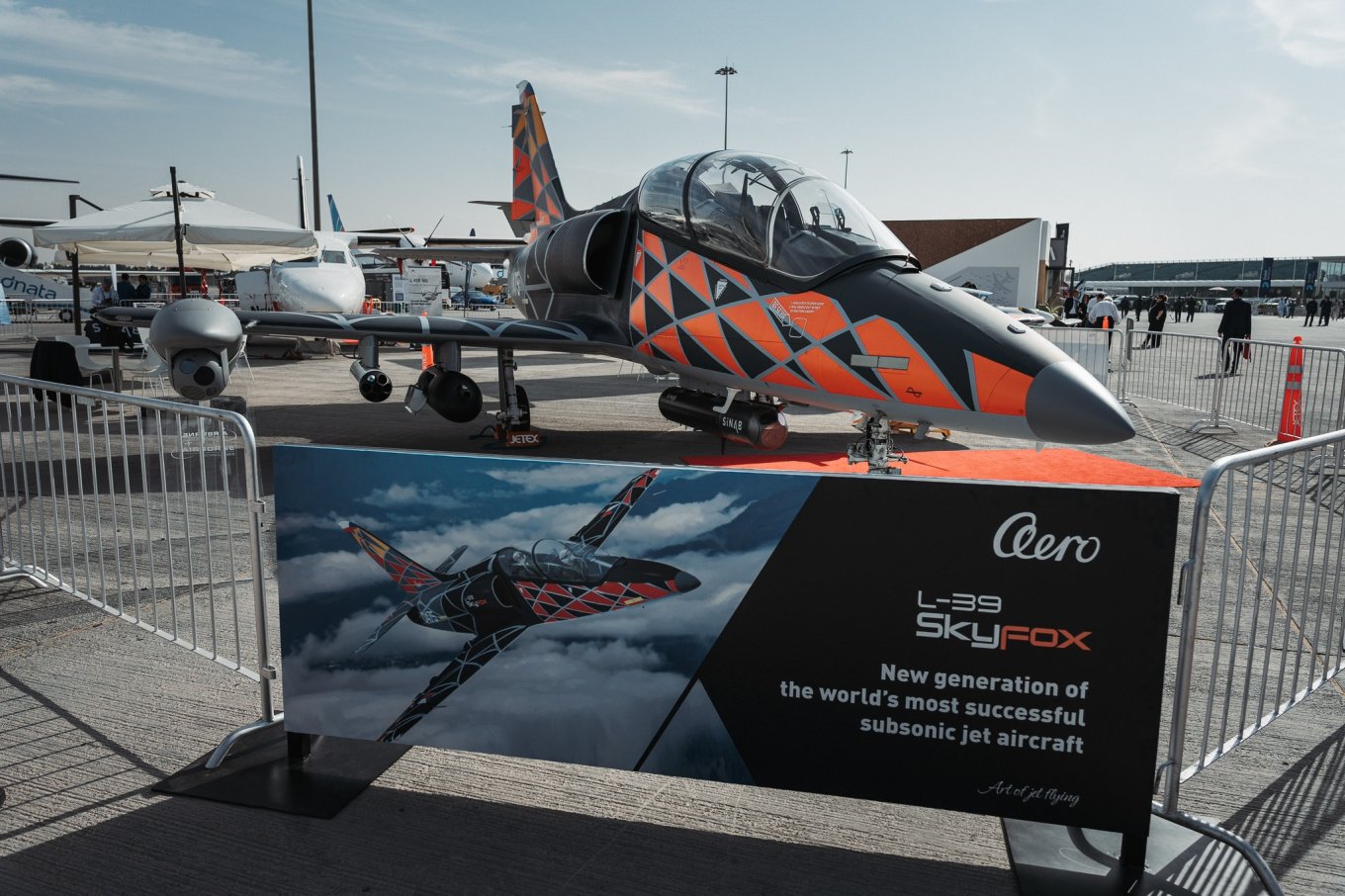
Moreover, based on available data, the overall cost of a potential deal could be relatively moderate. With EU funding or support from partner countries, it could be realistic to procure 10–12 aircraft for a total cost of up to USD 300 million.
However, as already noted, such a purchase would represent an investment in the future rather than a solution to immediate counter-drone needs. As a result, it remains uncertain whether the Ukrainian government and its European partners would be willing to move forward with such a contract.
From the Defense Express side, we urges you to join a fundraising for what is already working: One United Fundraiser: Fundraising by the Serhiy Prytula Charity Foundation for interceptor drones.

Read more: Czech Maker Offers Ukraine L-39NG After Government Blocks L-159 Sale, But Who Pays for New Jets?