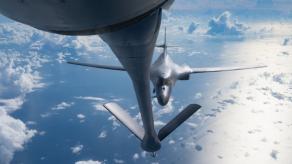



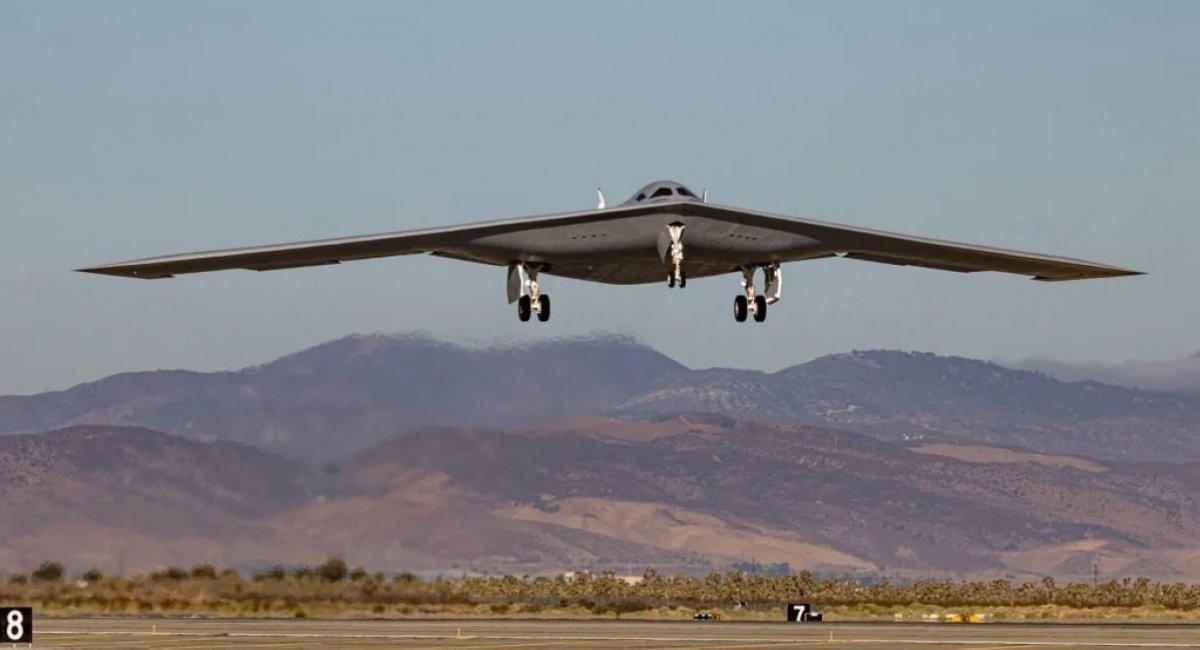
At present, the U.S. Air Force plans to acquire at least 100 sixth-generation B-21 Raider bombers and 185 sixth-generation F-47 fighters. While such a force would be sufficient to conduct operations similar to last year's Operation Midnight Hammer, which targeted Iran's nuclear facilities, it would be inadequate in the context of a full-scale war against a peer adversary such as China.
This conclusion is outlined in a new report by experts from the Mitchell Institute for Aerospace Studies, authored by Heather Penney and retired Colonel Mark A. Gunzinger. Details of the study were published by Air And Space Forces Magazine.
Read more: Over 1,000 Tomahawks, 1,900 AIM-120s, 500 SM-6s per Year: U.S. Moves to Multiply Missile Production
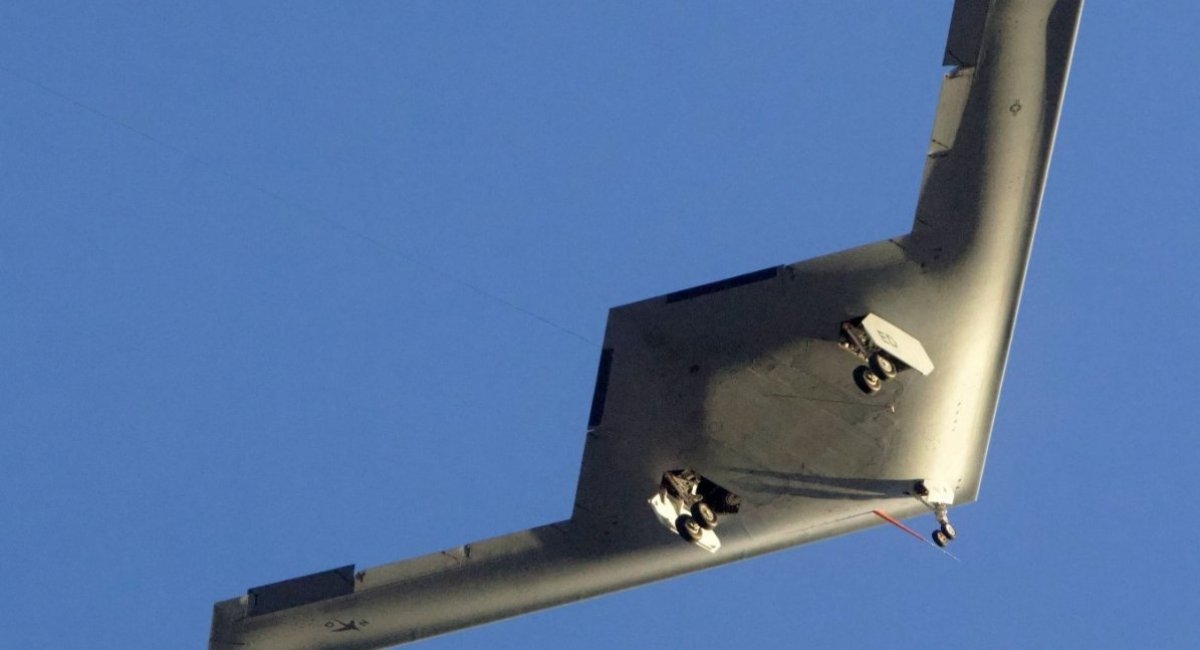
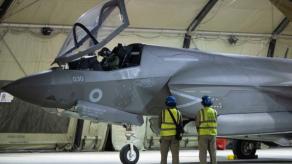
According to the report, the U.S. Air Force should double its planned bomber procurement to 200 B-21 aircraft and increase the number of F-47 fighters to 300. Moreover, given that it will take many years for these aircraft to enter service in meaningful numbers, the authors recommend abandoning any plans to retire the B-2 bomber fleet and increasing procurement of fifth-generation F-35 fighters.
From the Defense Express perspective, it is worth recalling that the U.S. Air Force currently operates up to 20 B-2 bombers. In 2024, one aircraft was officially retired following a 2022 accident, as repairs were deemed economically unjustified. At the same time, U.S. officials have repeatedly stated that alongside the B-21, the veteran B-52 bombers will remain in service, while the B-2 fleet had been expected to retire in the 2030s.
The need for a significantly larger number of B-21 bombers and F-47 fighters is explained quite simply. The United States must have sufficient strike capacity to neutralize Chinese "sanctuaries," namely air bases and long-range weapon launch sites from which China would conduct strikes in the event of a war over Taiwan.
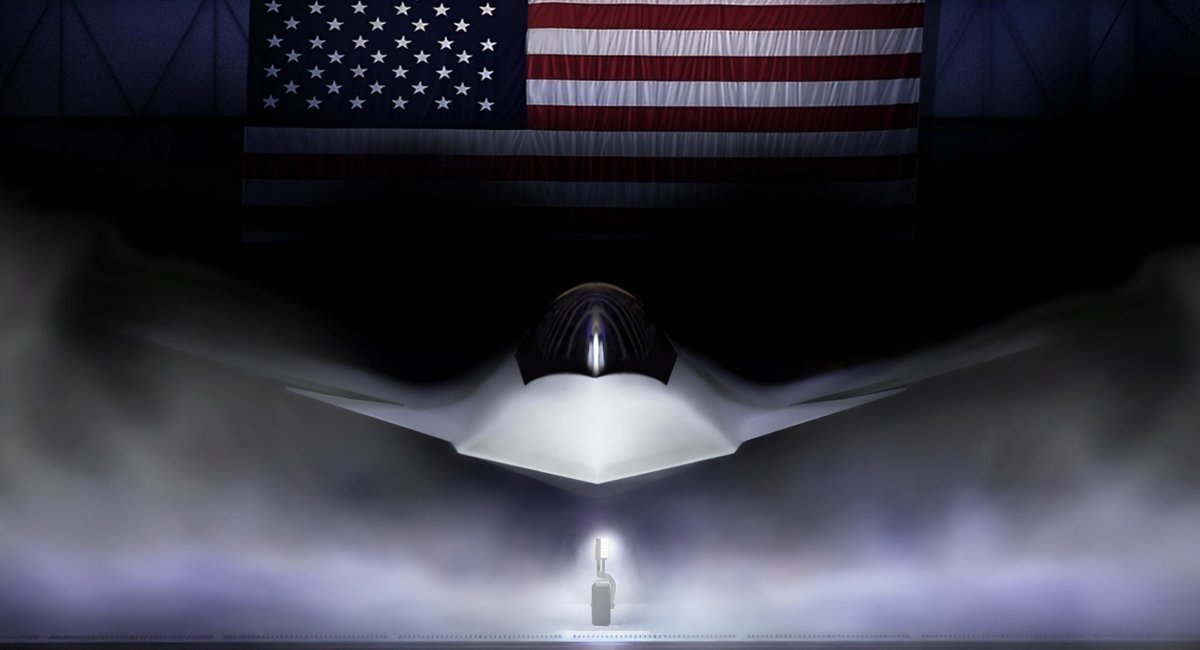
Discussions that a fleet of just 100 B-21 bombers would be insufficient have, in fact, been ongoing for some time, with figures of more than 200, 300, and even 400 aircraft being cited. However, beyond the time required to procure such numbers of bombers and sixth-generation fighters, the financial cost would not be measured in billions or even tens of billions, but in excess of one hundred billion U.S. dollars.
The authors also highlight a separate and critical issue: arming these bombers and fighters. This involves not only achieving the necessary production rates, but also securing the funding required to procure the appropriate munitions.
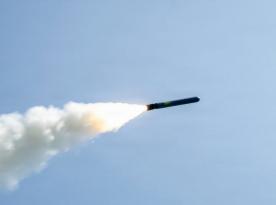
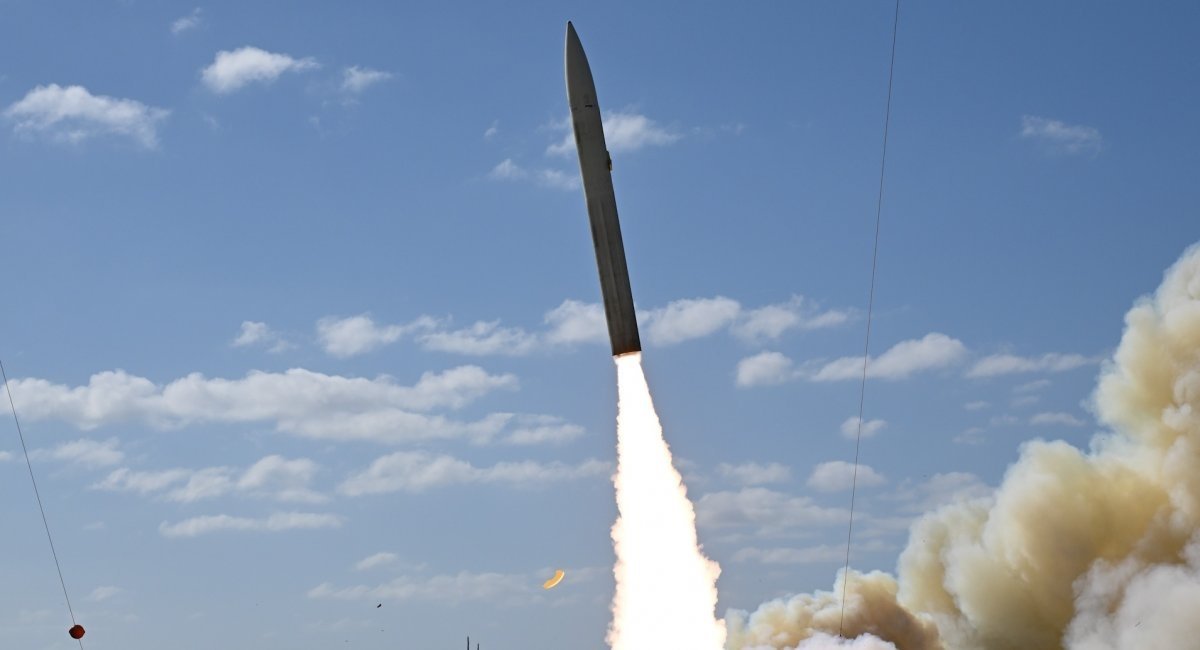
For example, a single Dark Eagle hypersonic missile costs more than $40 million per unit. While it offers a range of up to 3,700 km, it carries a relatively small explosive payload.
Previously, Defense Express examined whether artificial intelligence could replace generals after outperforming U.S. Air Force planners.
Read more: It Takes U.S. Four Years to Fully Arm First Dark Eagle Hypersonic Battery But Real Test is Just Beginning