


The news that russian drones have violated Poland's borders and have not met with resistance is no longer a surprise. To change this trend, the Republic of Poland has ordered a SAN Counter UAS system by joint consortium of Polska Grupa Zbrojeniowa (PGZ) and Kongsberg for PLN 15 billion ($4.261 billion).
According to Defence24, the contract provides for the purchase of 18 batteries, which will include 18 command platoons as well as 52 firing platoons. The latter will be able to independently detect, identify and shoot down targets.
Read more: Acquisition of Two SIGINT Vessels: Cost and Timeline Analysis Based on Poland's DELFIN Program
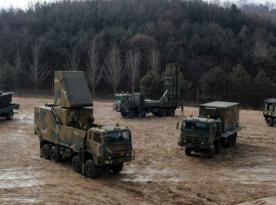
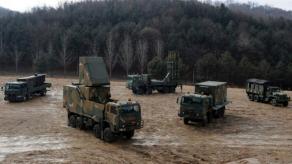
The order covers a total of 703 vehicles, approximately 400 of which will be based on the chassis of Polish Jelcz trucks. Another approximately 300 will be installed on Legwan army SUVs, which are a local localized version of the South Korean KLTV.
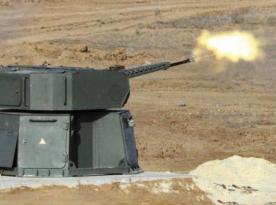
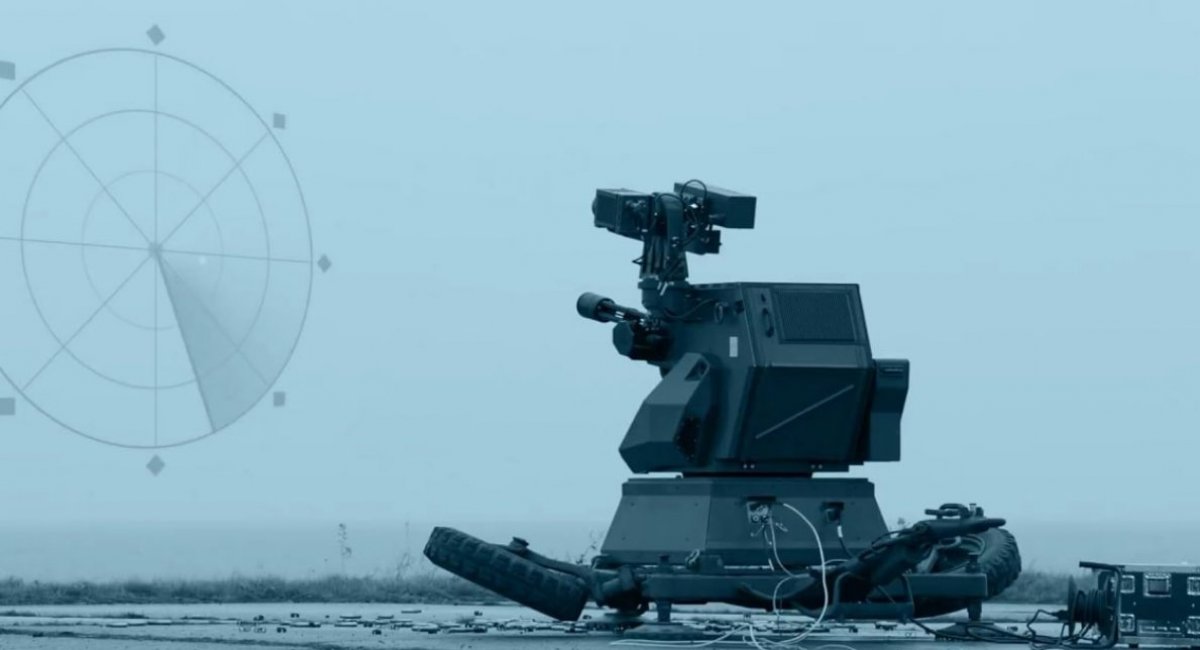
The system may include the following means of shooting down unmanned aerial vehicles: 30 and 35 mm automatic cannons, 12.7 mm machine guns. They will be installed on Remote Controlled Weapon Stations (RCWS) created on the basis of the PROTECTOR family of the Norwegian Kongsberg, which will receive 16 billion kroner ($1.68 billion).
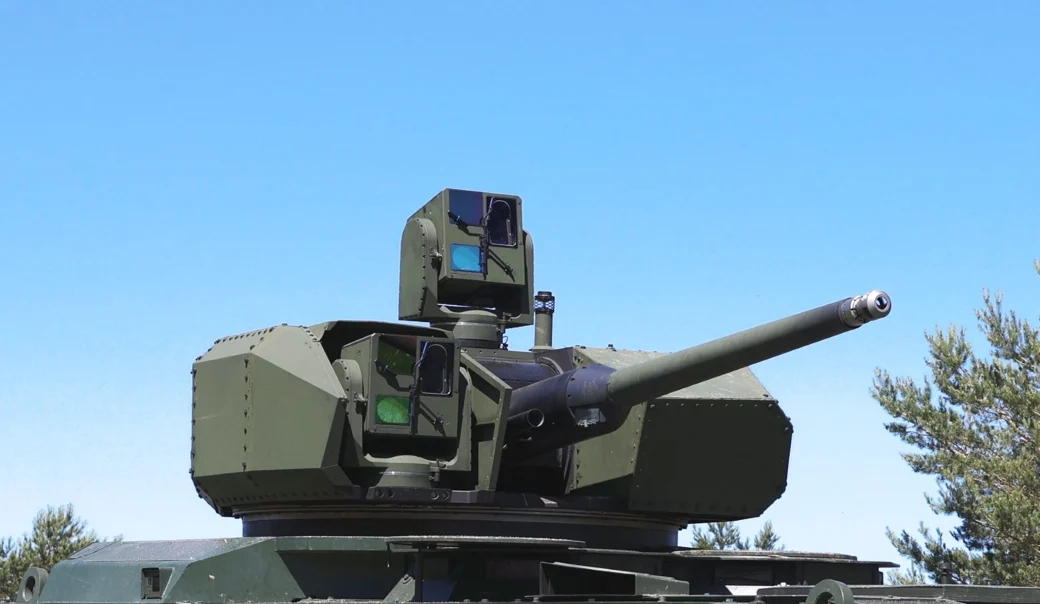
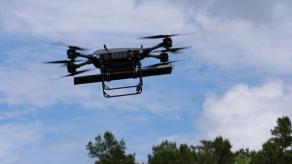
Also, the arsenal of SAN systems will include APKWS laser gided missiles tested in Ukraine and the USA and even anti-aircraft drones from the APS company. The latter will also supply optoelectronic sensors, radars, electronic warfare equipment and control systems, including SabView command posts, which will be in each firing platoon.
Deliveries under the contract should begin in 2026 and will continue until January 2028. In general, Poland presents this purchase as a huge investment in the protection of the eastern border not only of the country itself, but also of Europe and NATO.
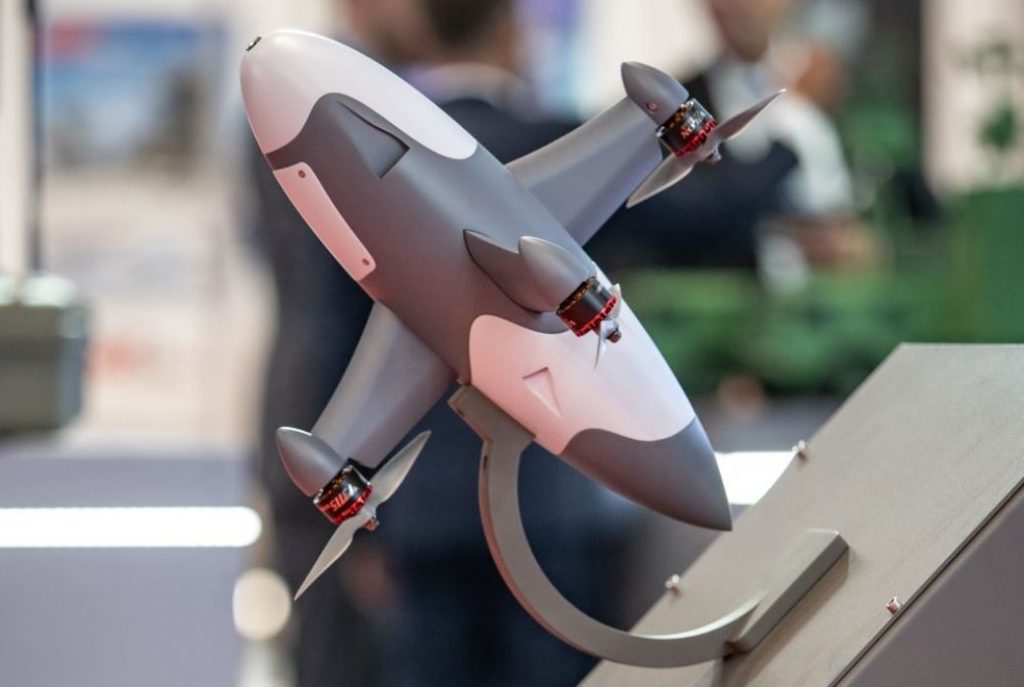
From Defense Express we note that Poland demonstrates a comprehensive approach to ensuring anti-drone protection. SAN includes both anti-aircraft systems of various calibers and electronic warfare equipment, as well as anti-aircraft drones, providing kinetic and non-kinetic countermeasures at the same time.
The appearance of such systems in the arsenal of the Armed Forces of the Republic of Poland can significantly reduce the cost of countering russian UAVs, which previously required expensive AIM-9 and AIM-120 missiles. However, we should not forget that the answer to the question of whether to shoot down or ignore russian UAVs over the territory of European countries still depends on political decisions, not military ones.
Read more: Poland Increases Number of Armed Forces to 500 K, Focuses On Punishing Aggressor