Calls for Europe to decouple from the U.S. and rely solely on domestically produced weaponry have grown louder. However, experts estimate that achieving such independence would take at least 10 years and require around one trillion dollars.
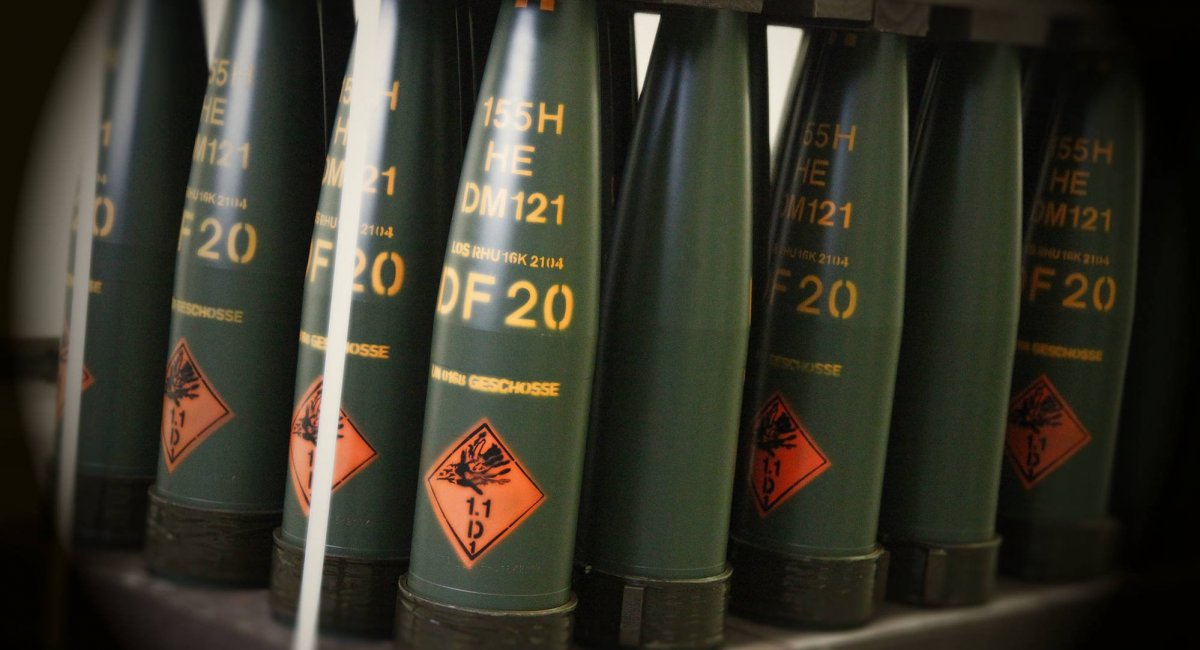
This assessment was reported by Defense Romania, citing The Wall Street Journal. Significant progress has already been made in increasing production volumes. For example, in the field of 155-mm artillery shells, European manufacturers have surpassed the U.S., with Rheinmetall alone producing 1.5 million rounds per year.
Read more: How U. S. Would Seize Greenland, What Would Be 100% Indicator of Preparation, Why It Could Not Be Hidden
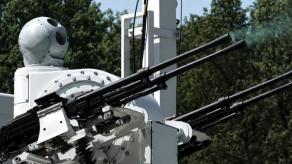
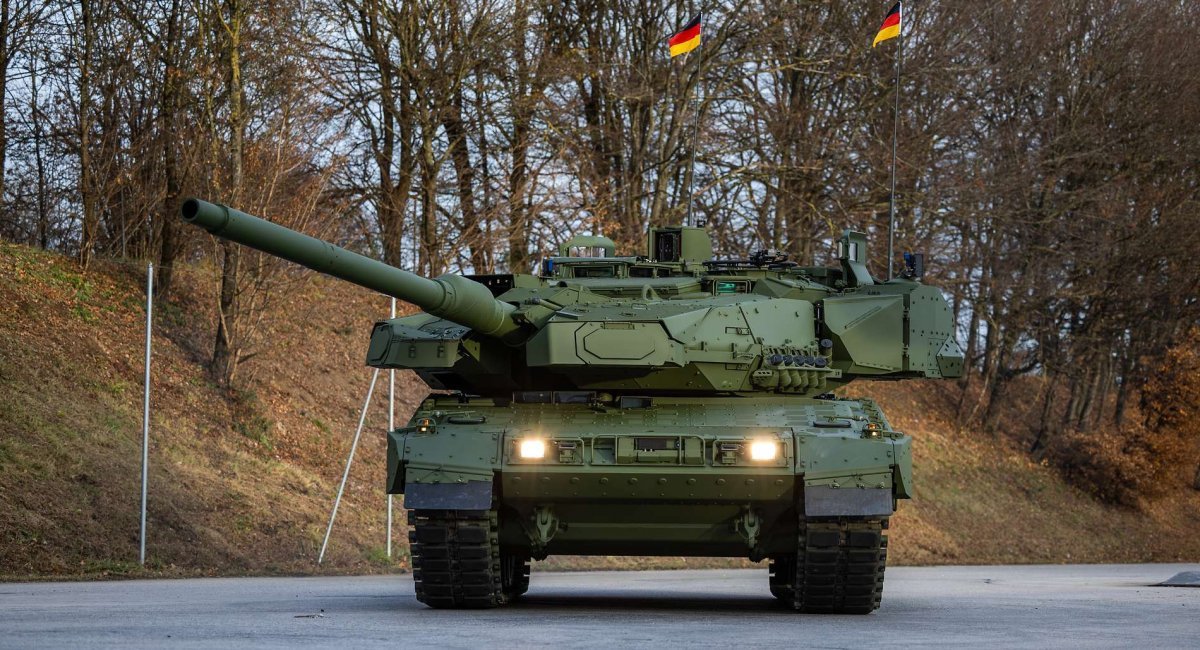
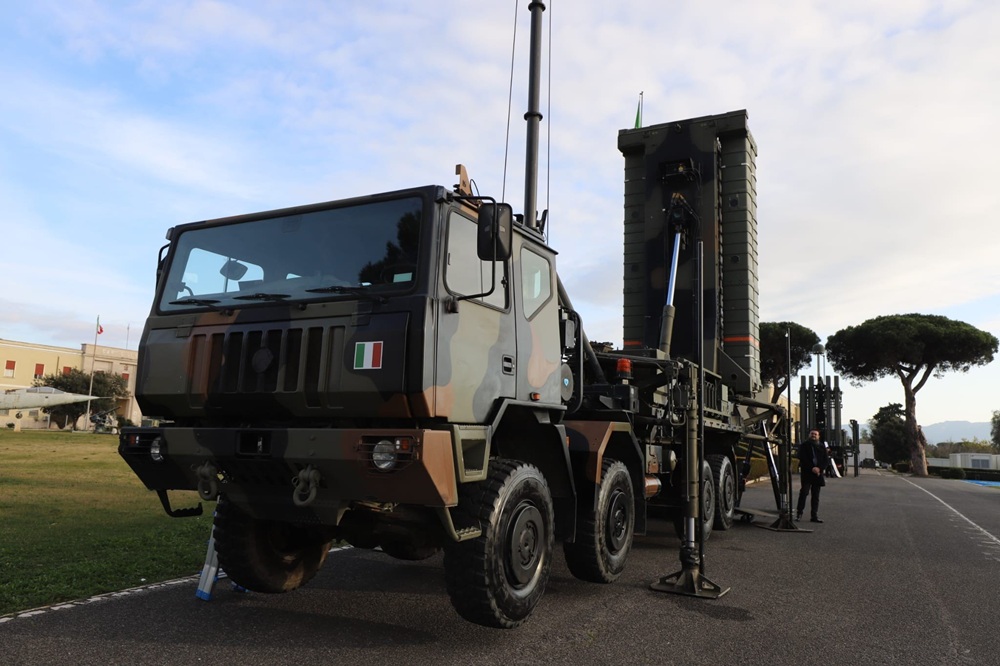
When it comes to air defense missiles, industry giant MBDA has quadrupled production, but this still amounts to only 40 units per month, which Ukraine could expend in two nights. Europe is capable of supplying itself with armored vehicles, ships, artillery, and submarines.
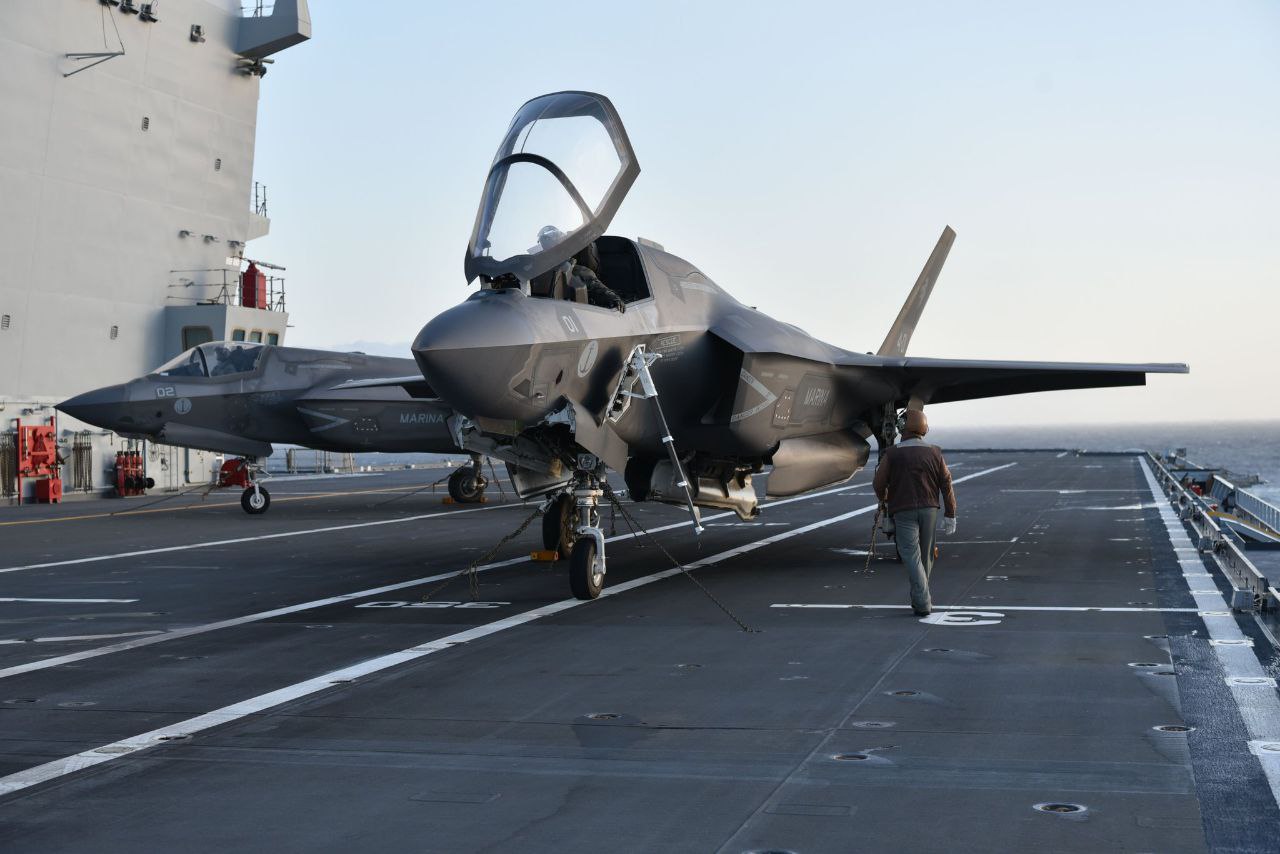
Yet in several areas, Europe still lags behind, including stealth aircraft, long-range missiles, and satellite reconnaissance. Work is underway to create alternatives, but these solutions will not be ready for years.
Europe's collective defense budgets now reach $560 billion, double the funding levels of ten years ago, but this is still less than the U.S. Department of Defense, whose budget is expected to reach $850 billion. By 2035, European countries aim to reach about 80% of U.S. spending levels.
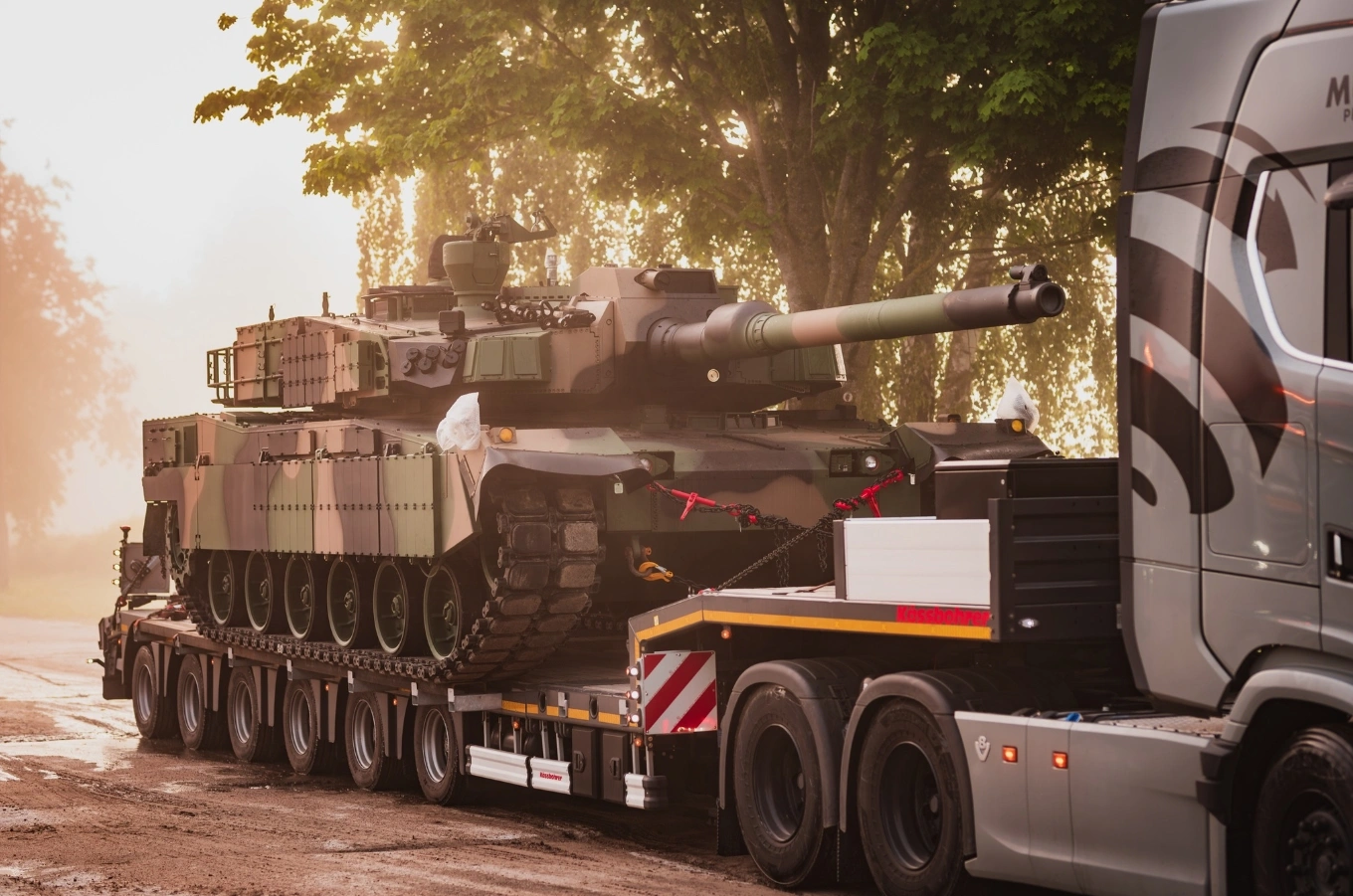
A major issue, however, is not budgets, but fragmentation. France maintains a high degree of defense autonomy, while Germany and many Eastern European nations continue to purchase American or at least South Korean equipment, perpetuating dependence.
Overall, the article emphasizes that building a European pillar within NATO, or even a fully integrated European army, is no longer a dream of Euro-bureaucrats, but a necessity. Yet achieving true military independence from the U.S. will take at least a decade.
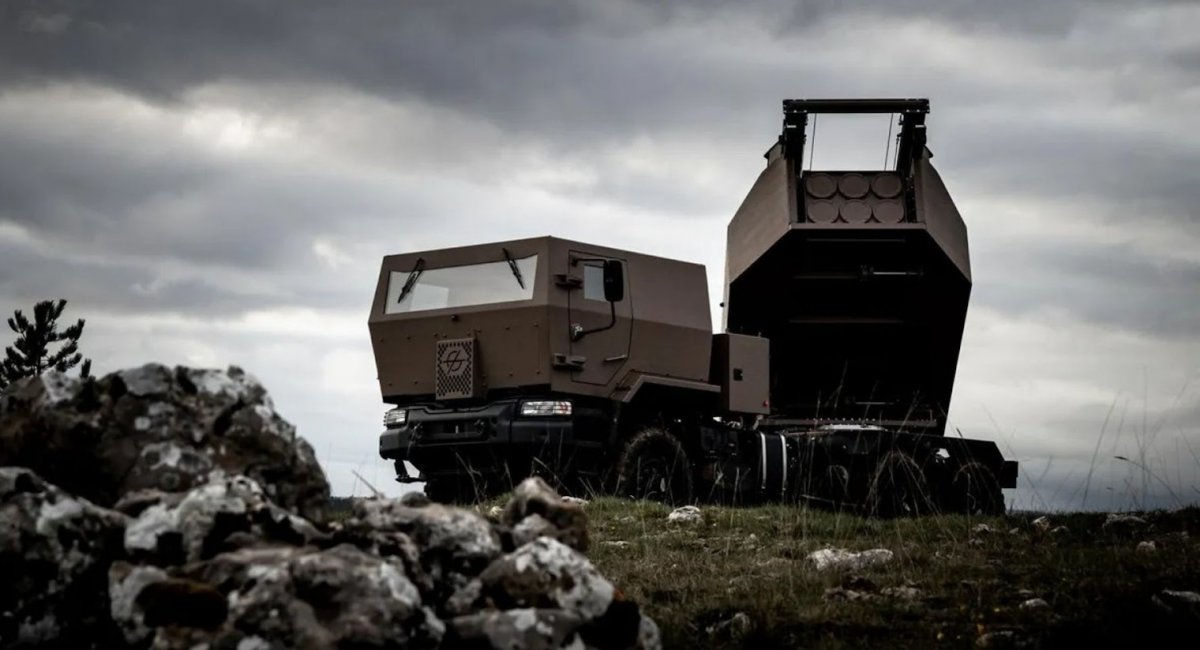
Defense Express notes that this timeline is realistic, given the lack of domestic equivalents for many types of weapons. For instance, precision MLRS systems like HIMARS remain largely unavailable in Europe. Despite progress in France and initial projects in Spain, serial production is still years away.
Regarding defense budgets, the article refers to aggregate figures, which can be misleading. Countries such as Poland and the Baltic States have significantly increased their spending, Germany is ramping up production, and France is attempting reforms domestically—often encountering political resistance.
Italy, by contrast, has calculated its defense budget in a complex manner, including infrastructure costs, while Spain has refused to commit to major defense spending increases.
Fragmentation also stems from national priorities: many European countries favor domestic defense industries, even if the offered systems are inferior, more expensive, produced in limited numbers, or exist only on paper.
Joint procurement is increasingly becoming the norm, as seen with the CAVS armored vehicle program. However, projects like the sixth-generation FCAS fighter demonstrate the challenges: disagreements over role distribution among countries led to the project’s collapse. Europe thus faces a long road of work and compromise before it can achieve true independence from the U.S.
Read more: Pentagon Paid Lockheed Martin $1.7B Despite Half Of F-35 Fleet Grounded By Poor Maintenance