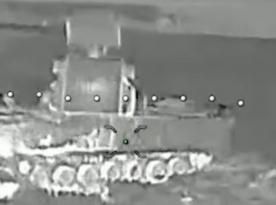
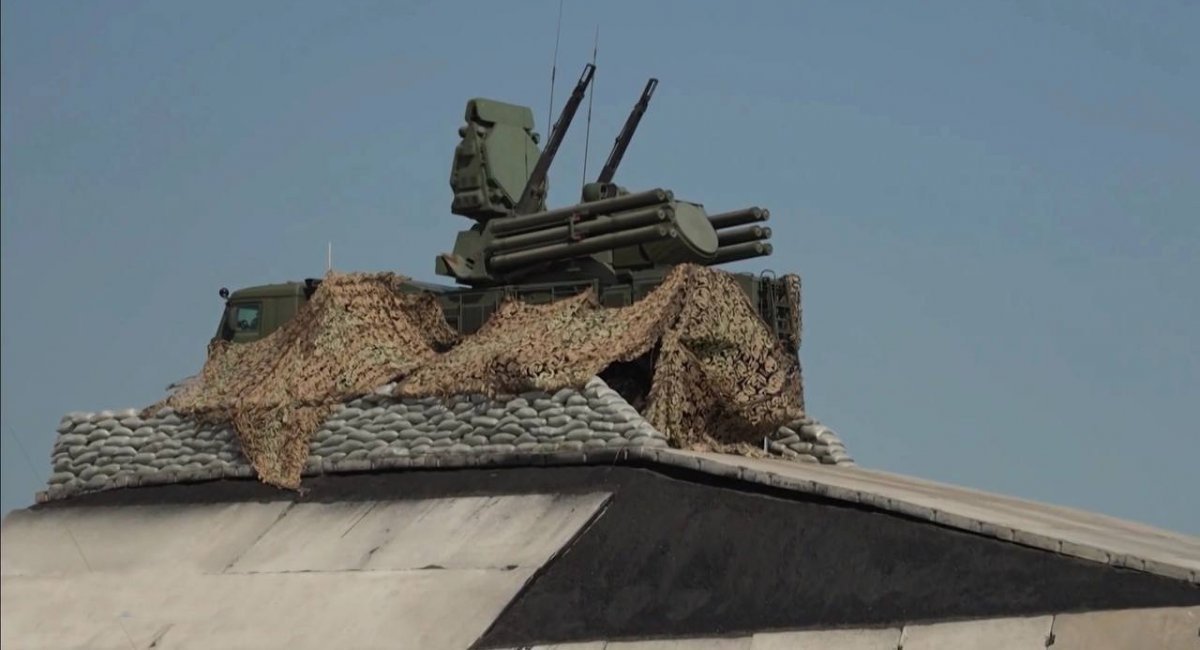
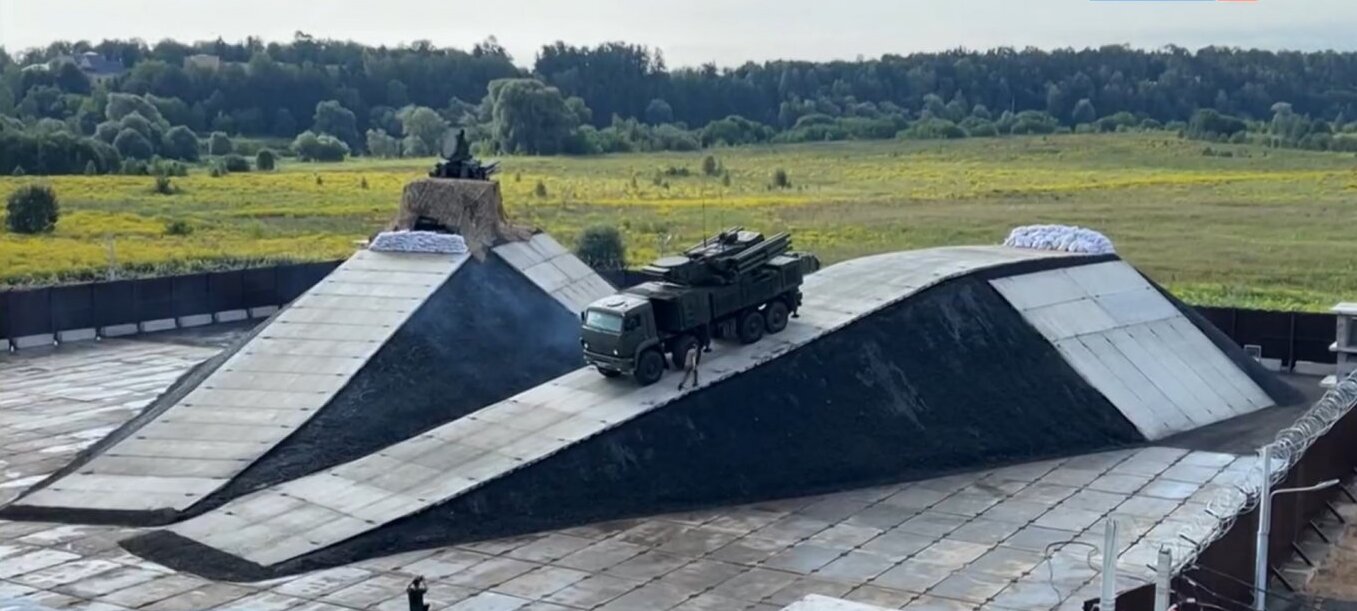
By the end of 2025, russia had constructed about 100 additional positions for Pantsir air defense systems across the European part of the country. These positions are often informally referred to as "towers" and can be compared to the Flakturm anti-aircraft towers built by Nazi Germany during World War II.
Moreover, as many as 130 positions for various air defense systems, including Pantsir systems, have been identified around Moscow, the capital of the aggressor state. These figures were presented in a post on X (formerly Twitter) by an OSINT analyst known as Jembob, who also provided several additional details.
Read more: Ukraine Strikes Pantsir-S1 System, BK-16 Boat, Orion UAV Control Point, Drone Command Posts
The construction of new Flakturm-style positions for Pantsir systems does not mean that russian forces have abandoned their older air defense sites. On the contrary, russia appears to be expanding the network of positions from which Pantsir systems can operate.
Within a 50-kilometer zone around Moscow, russian forces built 43 additional Pantsir "towers" last year alone. Another eight were constructed near the residence of putin in Valdai. This suggests that russian authorities are prioritizing the protection of politically sensitive sites in order to avoid reputational damage and domestic political consequences caused by successful Ukrainian long-range kamikaze drone strikes.
At the same time, russia has also worked to strengthen air defense coverage for several oil refineries. Two "towers" appeared in Samara, three or four in Kazan, and as many as nine in Rostov.
When it comes specifically to Moscows air defense system, Jembob notes that most of the roughly 130 identified positions are designed for S-300 or S-400 systems.
Interestingly, positions for both these long-range systems and Pantsir air defense systems are located not only on the outer defensive ring around Moscow but also within the city itself. At the same time, relatively few Pantsir "towers" have been observed within a 100–125 kilometer zone surrounding the capital.
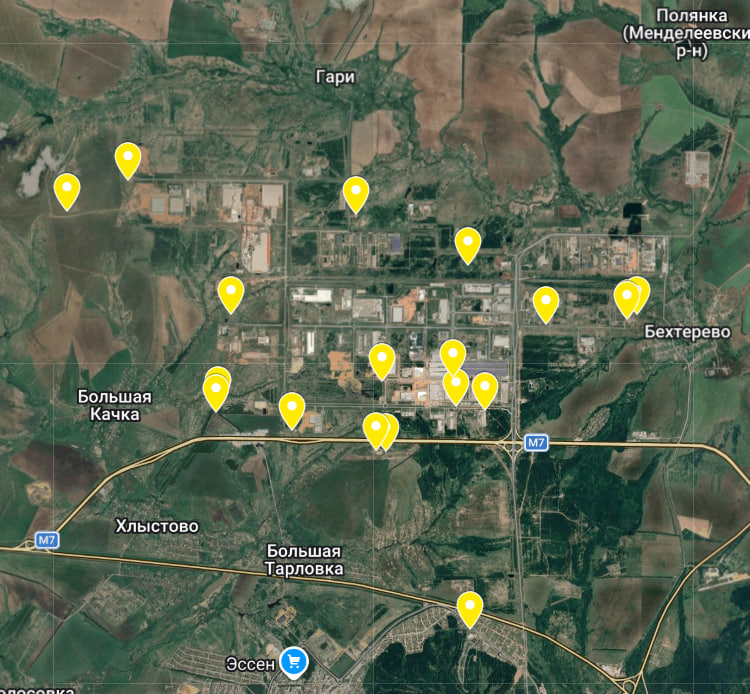
Another notable concentration of Pantsir "towers" appears around Alabuga, the main production area for Shahed/Geran-2 drones used by russia in attacks against Ukraine.
All of this provides a general picture of one layer of the air defense architecture deployed across the territory of the aggressor state. However, at least two important aspects regarding these Pantsir Flakturm-type positions remain unclear:
- how many Pantsir systems russia currently has in operational service;
- how russian military planners themselves assess the effectiveness of this tower-based deployment concept.
Future publications may provide a more detailed look at the current configuration of russia’s air defense network across its territory.
Ivan Kyrychevskyi, serviceman of the 413th Raid Regiment of the Unmanned Systems Forces of Ukraine and weapons expert at Defense Express.
Read more: Which Arab Countries Face Iranian Shahed Drone Attacks Despite Spending $2.3B on russian Pantsir Air Defense Systems?