


Berlin plans to introduce such an aircraft within the next few years. The platform is expected not only to conduct air combat alongside crewed fighters, but also to carry out ground strikes and return to base, including in scenarios where communication with control systems is lost.
According to hartpunkt, Germany had previously considered adopting an off-the-shelf UAV, with the Boeing MQ-28 Ghost Bat viewed as the frontrunner. However, this approach has now been postponed. A new round of evaluation of existing market proposals is planned.
Read more: With Air-to-Air Missiles, XQ-58A Valkyrie Could Be the Perfect Wingman for F-16s and Other Fighters
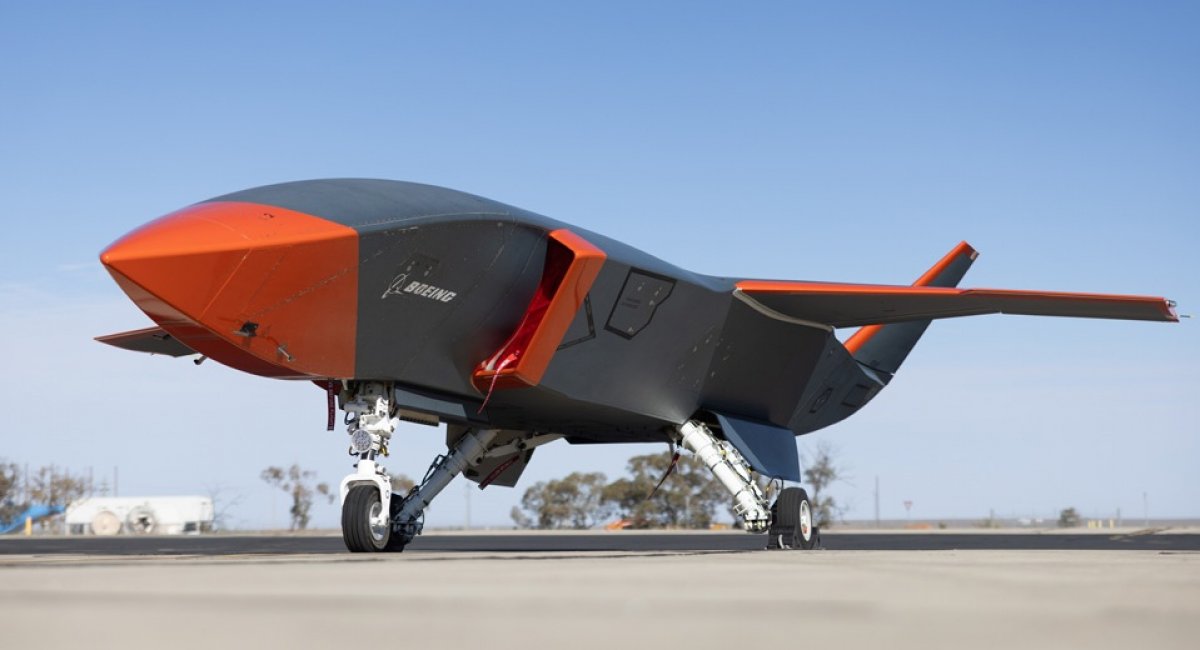
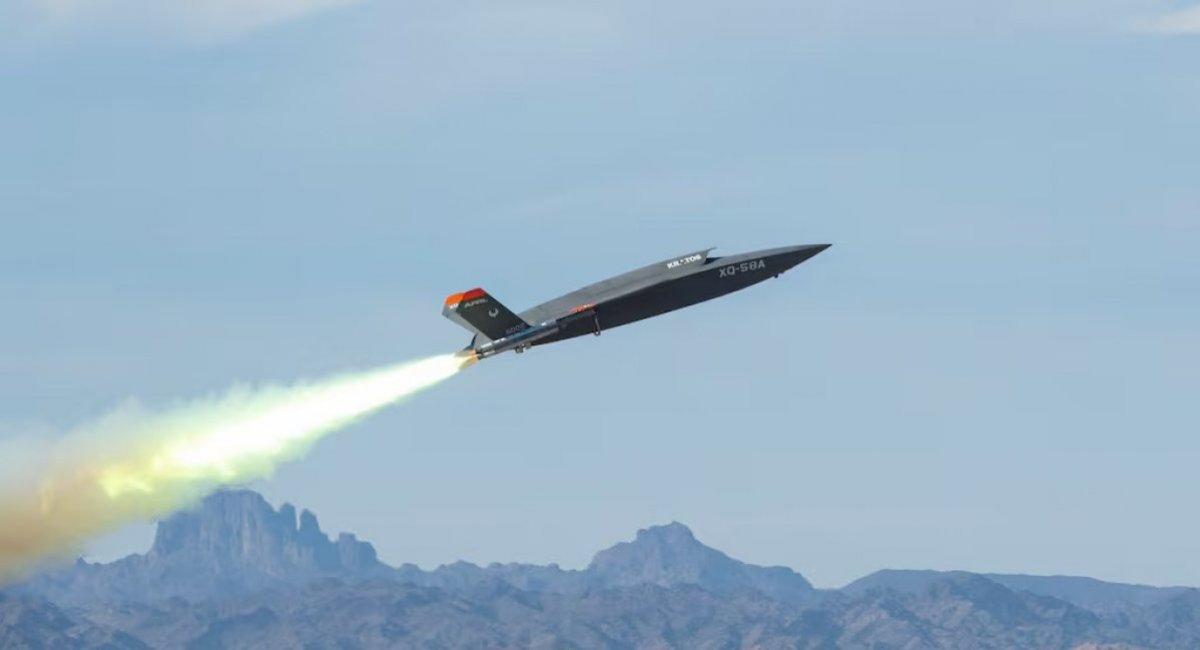
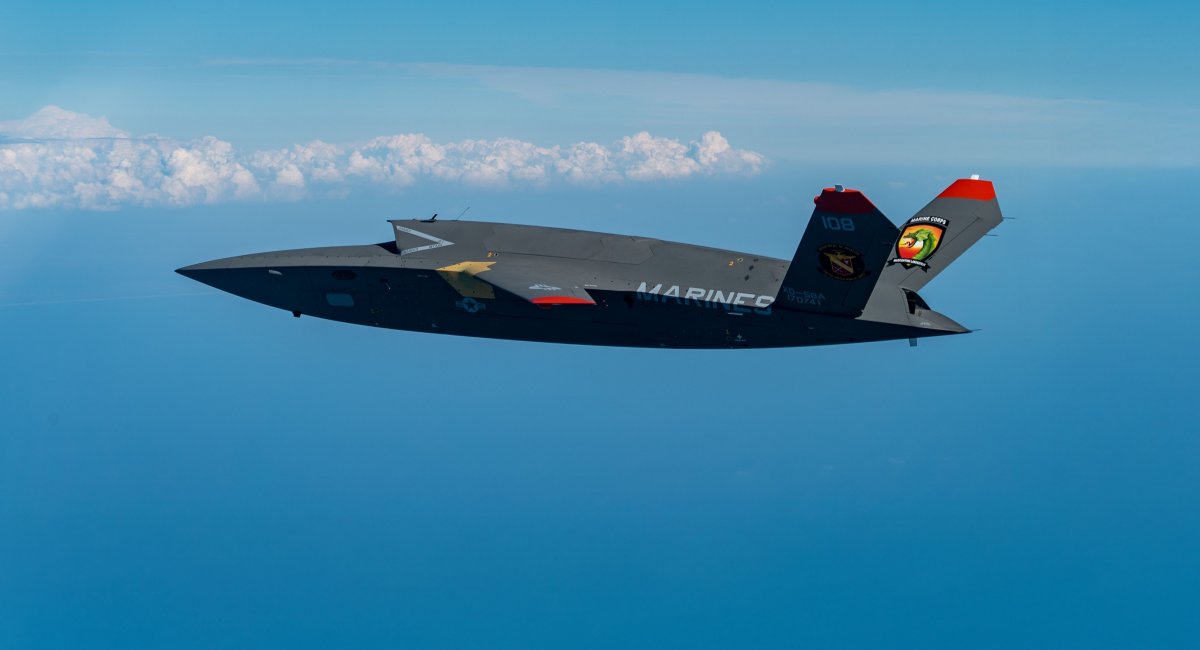
In addition to Boeing's Ghost Bat, Germany will assess the Kratos XQ-58A Valkyrie, developed by Kratos and selected by Airbus for its own programs, as well as a third undisclosed candidate. Initial Operational Capability (IOC) is expected by 2029.
At present, no details are available regarding the third UAV option or the criteria used by the Bundeswehr in its evaluation process. It also remains unclear whether Germany will select a single platform or later require additional loyal wingman drones in different weight categories.
From a Defense Express perspective, the emphasis on an unmanned fighter-bomber with deep-strike capabilities is particularly notable. Such a platform could reduce risks for pilots, especially during close air support missions or potential long-range strike operations deep inside russian territory.
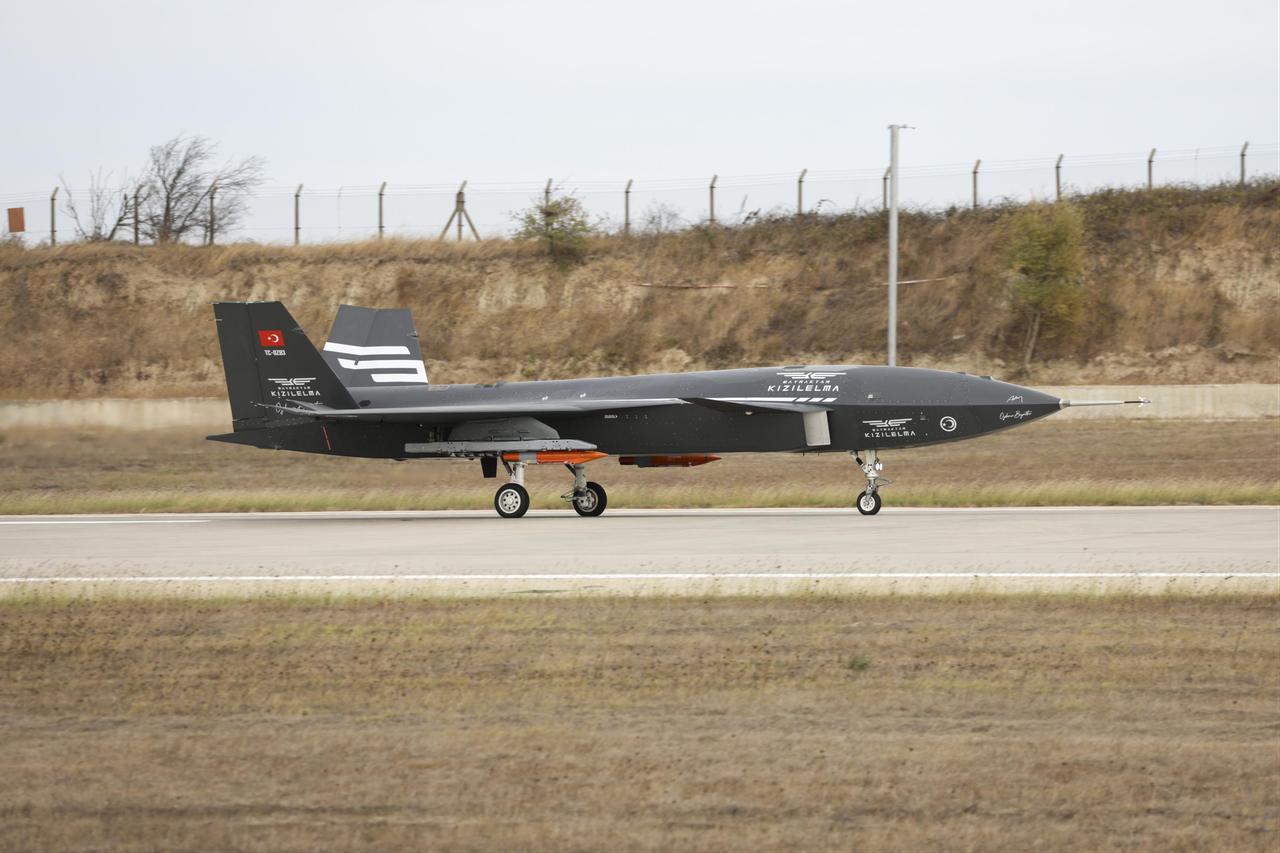
At the same time, similar strike capabilities are envisioned for most Collaborative Combat Aircraft (CCA) concepts, often referred to as loyal wingmen. For example, Türkiye's Bayraktar Kızılelma has already undergone bomb release trials. Nevertheless, many current programs still prioritize air-to-air combat roles.
Overall, the procurement of such a UAV is increasingly viewed as a partial substitute for the sixth-generation fighter program Future Combat Air System (FCAS), which has effectively stalled amid disputes with France.
It is also notable that two of the three proposed loyal wingman platforms are of American origin, making it likely that the third alternative could come from within the European Union. One possible candidate is the joint project by German companies Helsing and Grob, known as CA-1 Europa. However, it remains uncertain whether this platform could be ready by 2029.
Read more: Boeing Steps Up Its Push in Poland From F-15EX Fighters to MQ-28 Ghost Bat UAVs