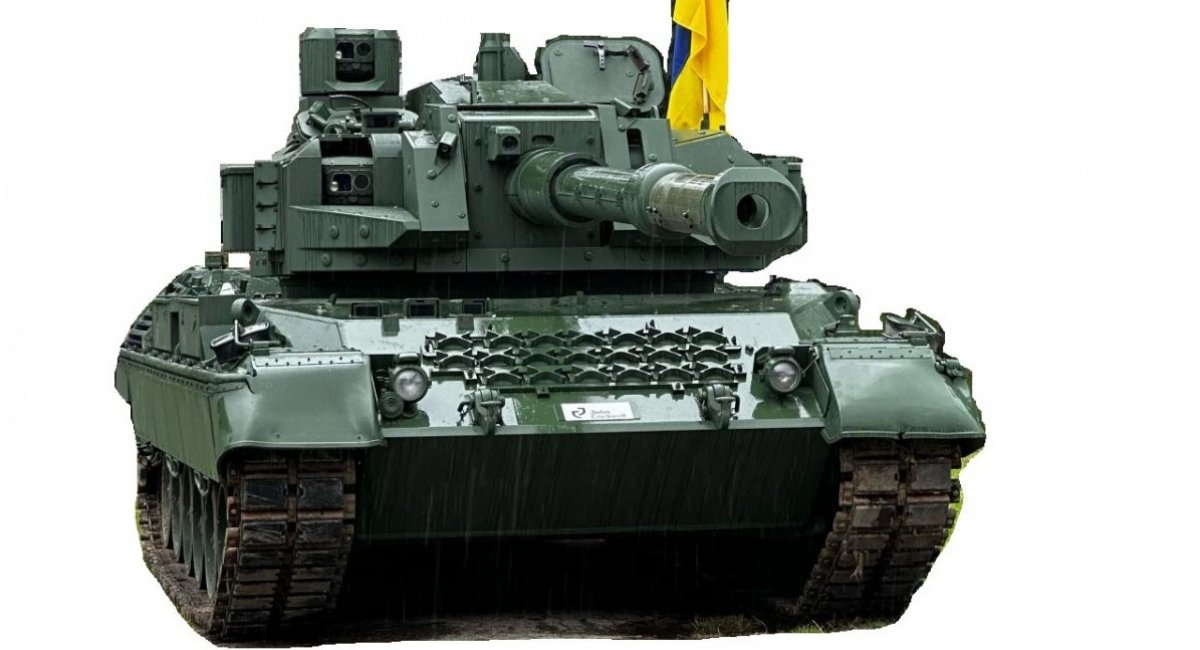
The first visual confirmation has emerged of a modernized Leopard 1 equipped with a new unmanned C3105 turret from John Cockerill. This provides an opportunity to examine the vehicle in more detail and assess whether it has been adapted to the realities of drone warfare.
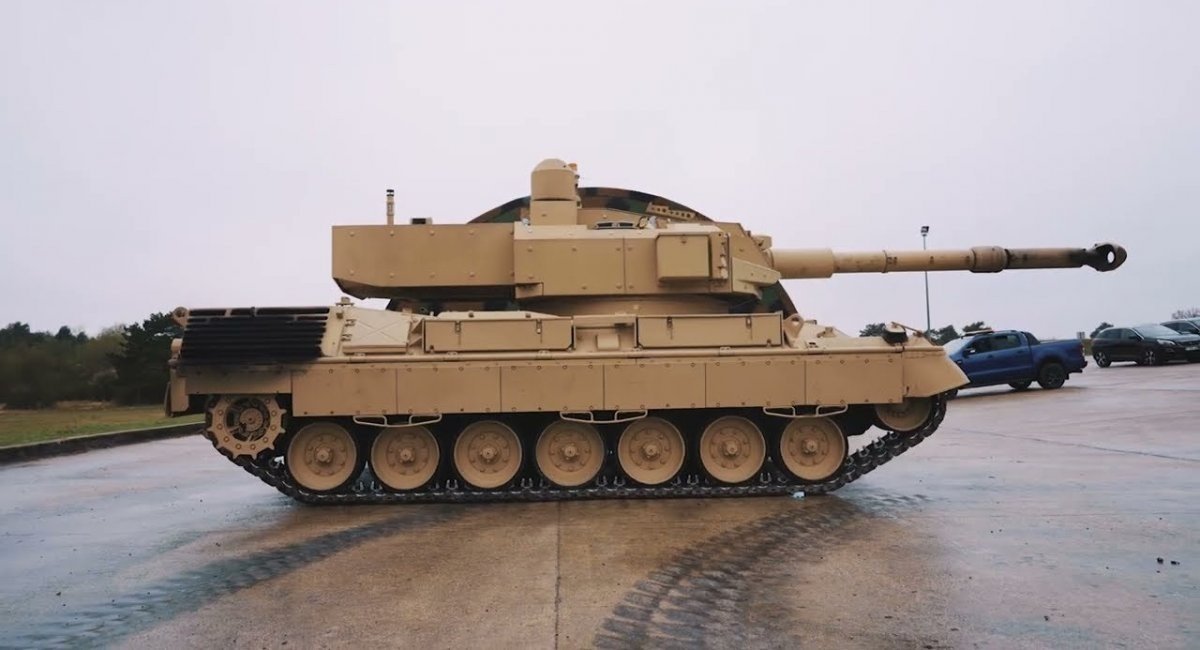
The photo, reportedly provided by John Cockerill, shows the vehicle with the background deliberately removed. This approach is expected, as it helps prevent identification of the operating unit and deployment location.
Read more: Ukraine Continues Testing Leopard 1 Tank with New Cockerill 3105 Turret and May Receive More
Leopard 1 tank with the Cockerill 3105 turret during tests in Ukraine.Photo by John Cockerill pic.twitter.com/MXgSJPqcgS
— Dylan Malyasov | (@DylanMalyasov) March 19, 2026
The tank, similar to the version presented at BEDEX 2026, is painted in dark green, a scheme better suited for operations in Europe. A Ukrainian flag can be seen mounted behind the turret, suggesting the image was likely taken at a training ground rather than on the front line.
A closer look shows that this is essentially a standard Leopard 1 fitted with the C3105 turret. Notably, it lacks anti-drone cage armor or mesh screens, which have become common on armored vehicles used in the russia–Ukraine war.
The presence of electronic warfare systems cannot be confirmed from the image. However, there is a high probability that such systems are also absent. As a result, a tank that already has relatively limited protection appears not to be equipped with countermeasures against one of the most widespread anti-tank threats on the battlefield, drones.
Another visible detail is the gap between the hull and the turret, along with a relatively tall turret basket. In theory, this could negatively affect survivability, although it is unclear how significant this factor is given the platform’s overall modest armor protection.
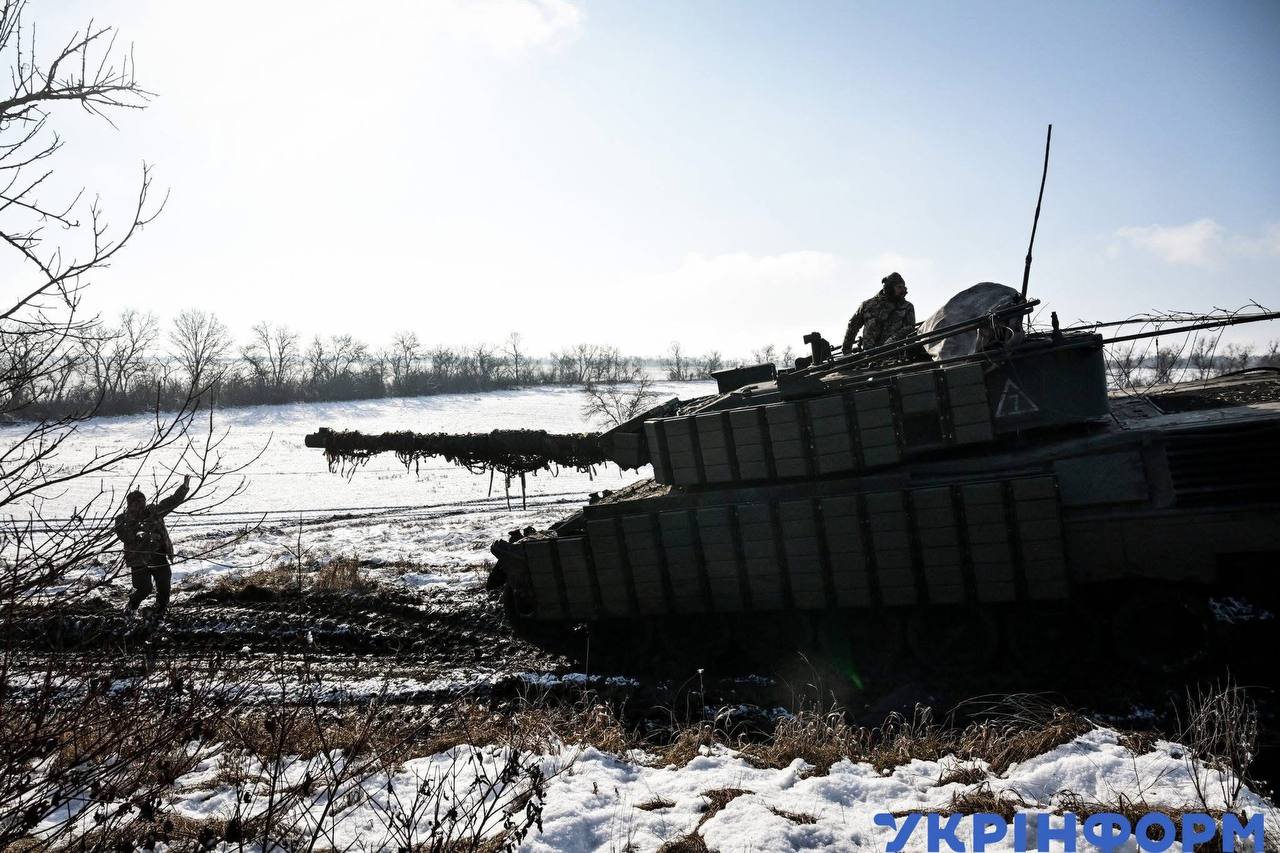
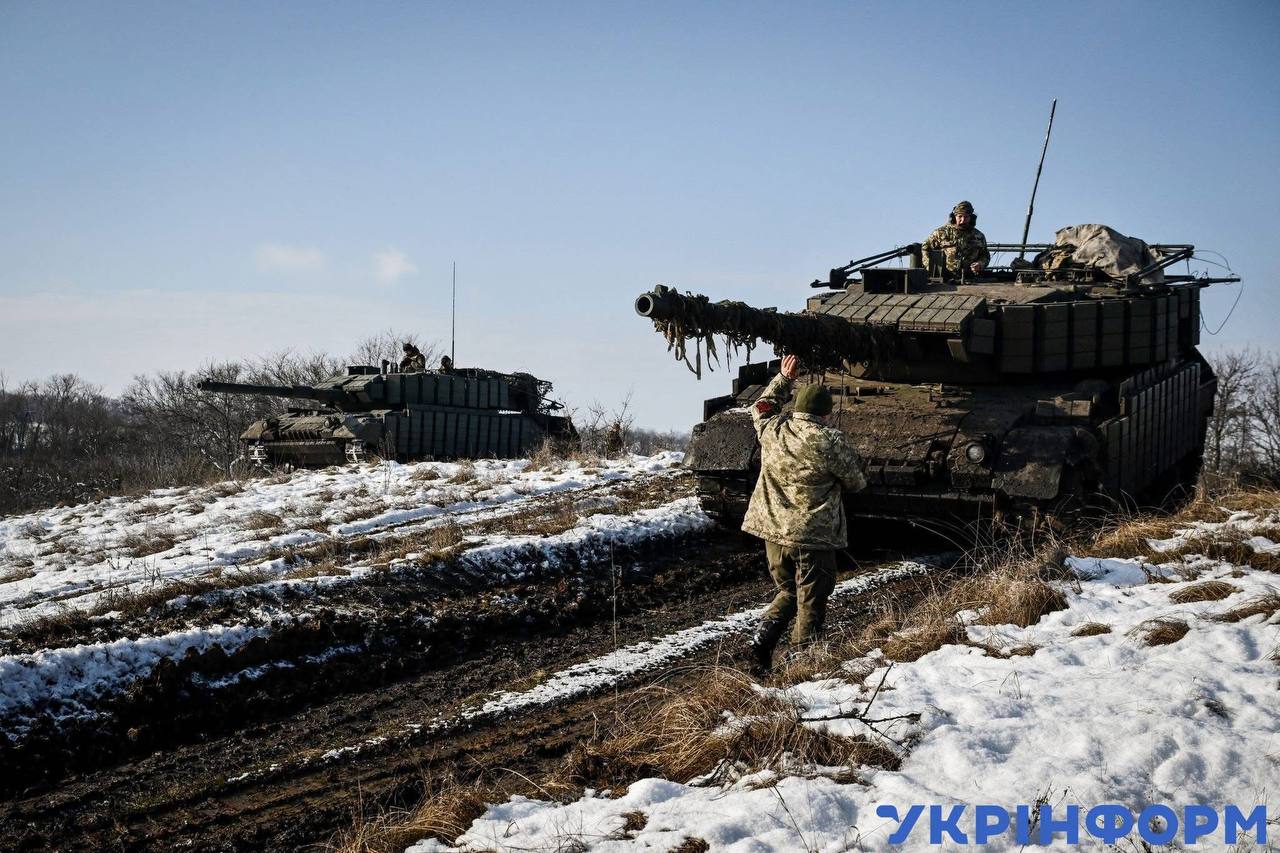
Leopard 1 tanks transferred to Ukrainian Defense Forces have typically been fitted with additional protection, including explosive reactive armor and anti-drone cage structures widely used by Ukrainian units and increasingly replicated elsewhere. However, it is possible that this upgraded prototype did not receive such modifications in time, as it was likely used for rear-area testing.
This assumption is supported by visible elements of the remaining background, including green grass. This suggests the image may have been taken in 2025, during summer or autumn, and may not reflect the vehicle's current configuration.
At the same time, the upgraded version may offer greater flexibility for installing additional protection, as the new turret is lighter than the original one used on the Leopard 1A5. On the other hand, modern fire control systems and other new components introduce constraints on where additional armor, including explosive reactive armor, can be mounted.
It should be recalled that reports about sending the vehicle to Ukraine for testing first emerged in May 2025. As of March 2026, John Cockerill indicated that testing was still ongoing and progressing successfully.
The key advantage of this upgraded tank is its ability to conduct indirect fire missions. However, such use still requires operating in areas where enemy drones are constantly present. This raises the question of whether this Leopard 1 will eventually receive additional protection, as seen on other armored vehicles in Ukrainian service.
Read more: Fate of Swiss Leopard 1 Tanks Banned from Transfer to Ukraine Revealed