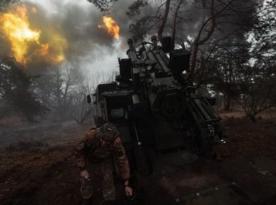



An increasing number of nations are pursuing larger calibers for IFV autocannons, raising concerns that these vehicles are becoming indistinguishable from light or medium tanks. According to an analysis by European Security & Defence (ESD), the United States, the United Kingdom, France, and russia have officially recognized the need for increased firepower, reviving concepts that date back to the mid-20th century.

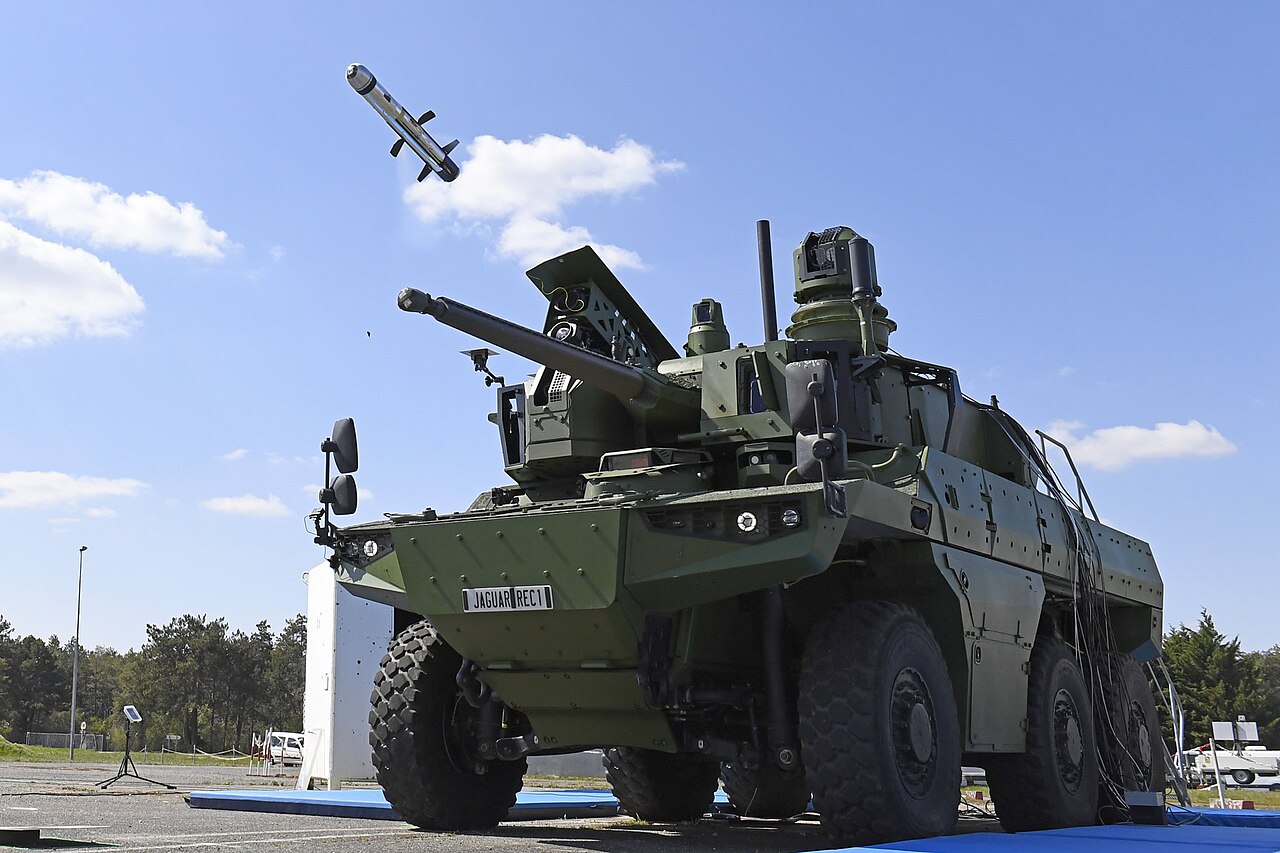
Cased Telescoped Weapon Systems French and British developers utilize Cased Telescoped Ammunition (CTA) to reduce the size and weight of high-caliber turrets. This technology employs a cylindrical casing where the projectile is fully enclosed by the propellant. Unlike traditional rounds with protruding projectiles, the CTA design results in a compact, cylinder-shaped shot.
Read more: Is the Transfer of Italian Dardo IFVs to Ukraine Realistic, Given That Lynx Vehicles Are Already Being Delivered as Replacements?
The primary advantages include increased ammunition capacity and higher elevation angles, which significantly enhance Counter-UAS (C-UAS) capabilities. Despite functional prototypes existing since the 1950s, only the UK and France have currently adopted the technology, with South Korea considering it for future platforms.
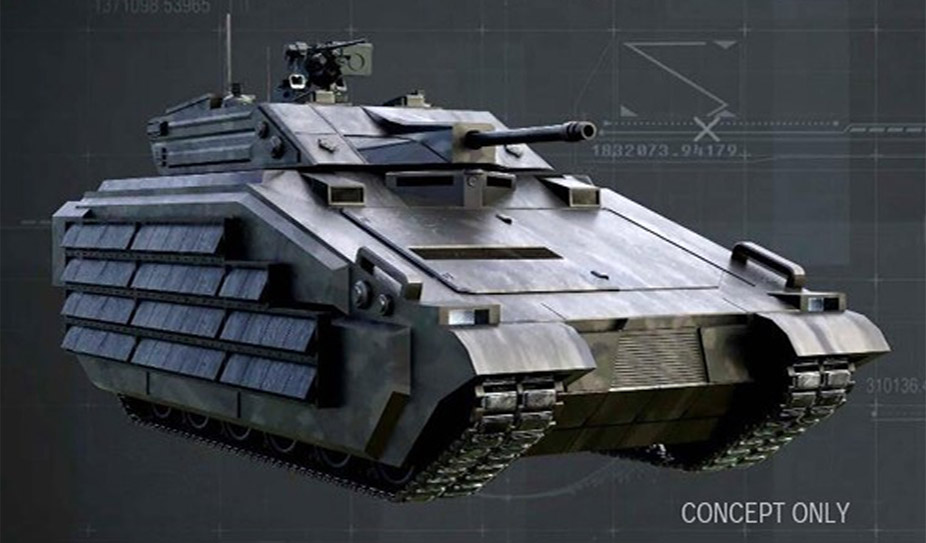
The U.S. Approach: The XM913 Chain Gun For the XM30 Mechanized Infantry Combat Vehicle program (the Bradley replacement), the United States is evaluating the 50mm XM913 Bushmaster chain gun. This system utilizes Supercharge ammunition, created by expanding the diameter of a 35mm casing into a bottlenecked shape. While the U.S. continues development, a final decision on the 50mm integration remains pending, though interest in this caliber remains high.
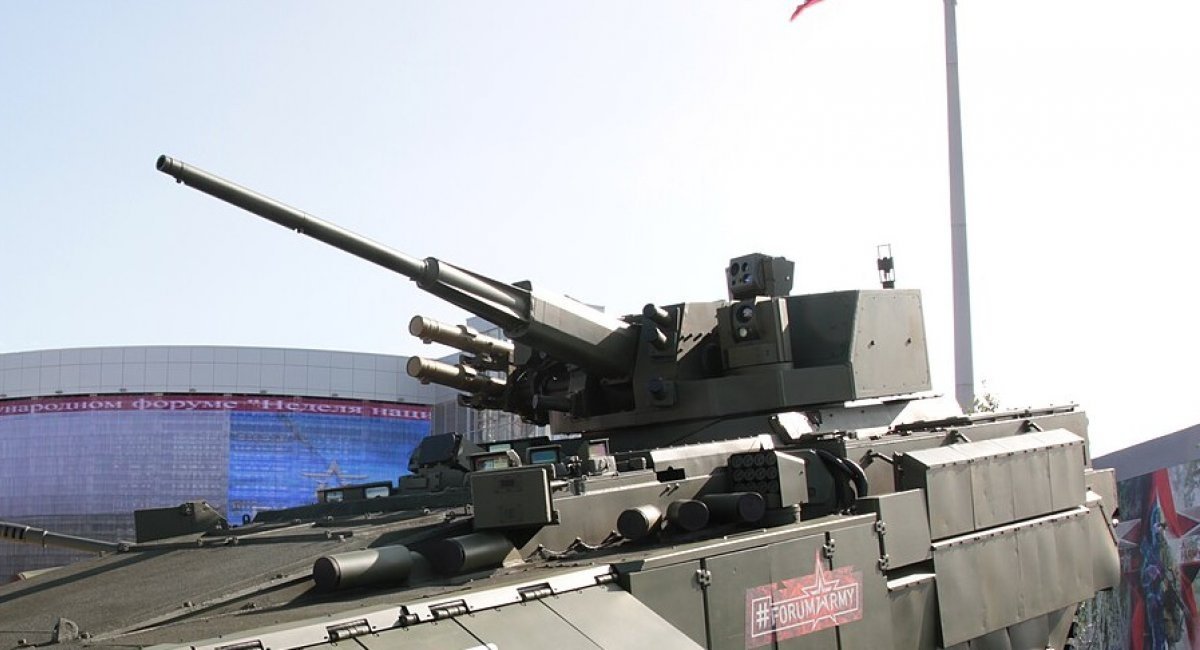
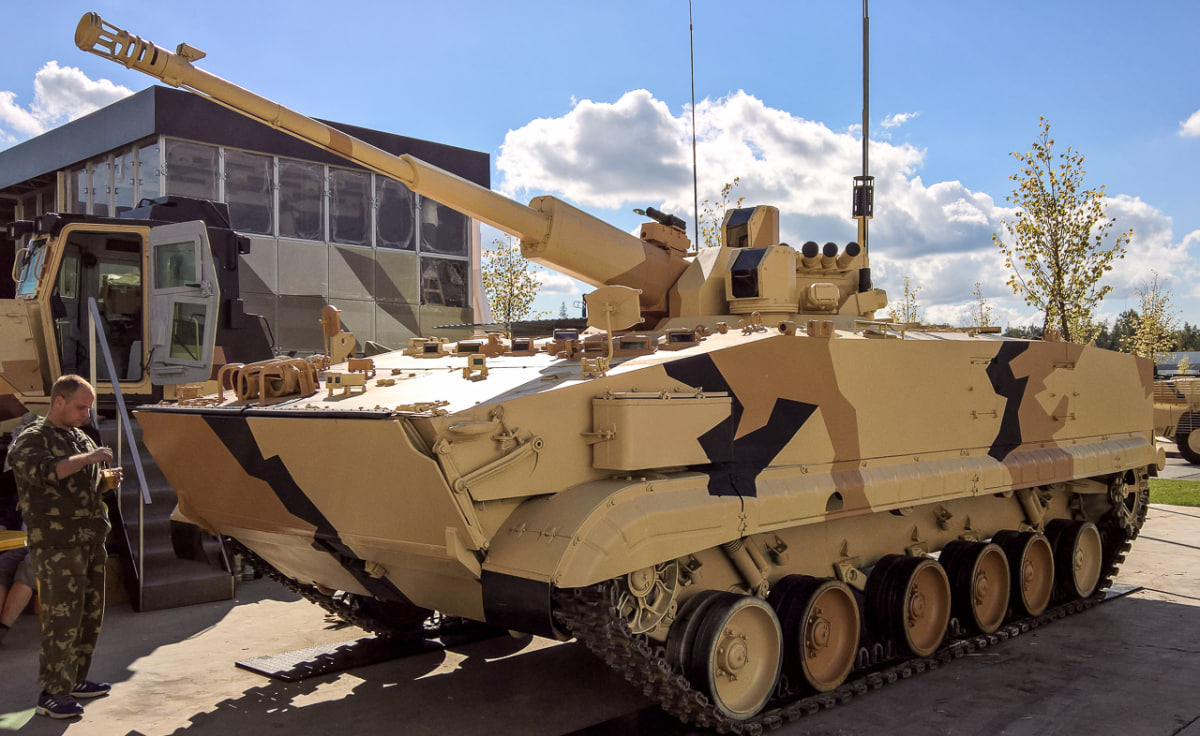
russian Developments: The Baikal Module russia has showcased the AU220M Baikal RWS, equipped with the 57mm 2A91 autocannon—a derivative of the Soviet-era S-60 anti-aircraft gun. The system is intended for both existing and next-generation IFVs.
However, Defense Express notes a significant gap between prototyping and mass production. Given international sanctions and the prioritization of immediate wartime funding, large-scale manufacturing of the Baikal module remains unlikely. Furthermore, the system has yet to secure any export contracts.
Market Hesitation and Logistic Constraints Broad international interest in large-caliber IFVs remains limited. Most nations find current 30mm and 35mm systems sufficient for modern threats, as these calibers do not require a massive overhaul of existing logistics chains.
The perceived need for larger calibers is further diminished by the poor protection levels of russian BMP-3 and BMD-4M vehicles. Since these platforms remain vulnerable to current Western 30mm arsenals, and russia shows little progress in fielding next-generation protected platforms, many Western militaries see no immediate pressure to up-gun.
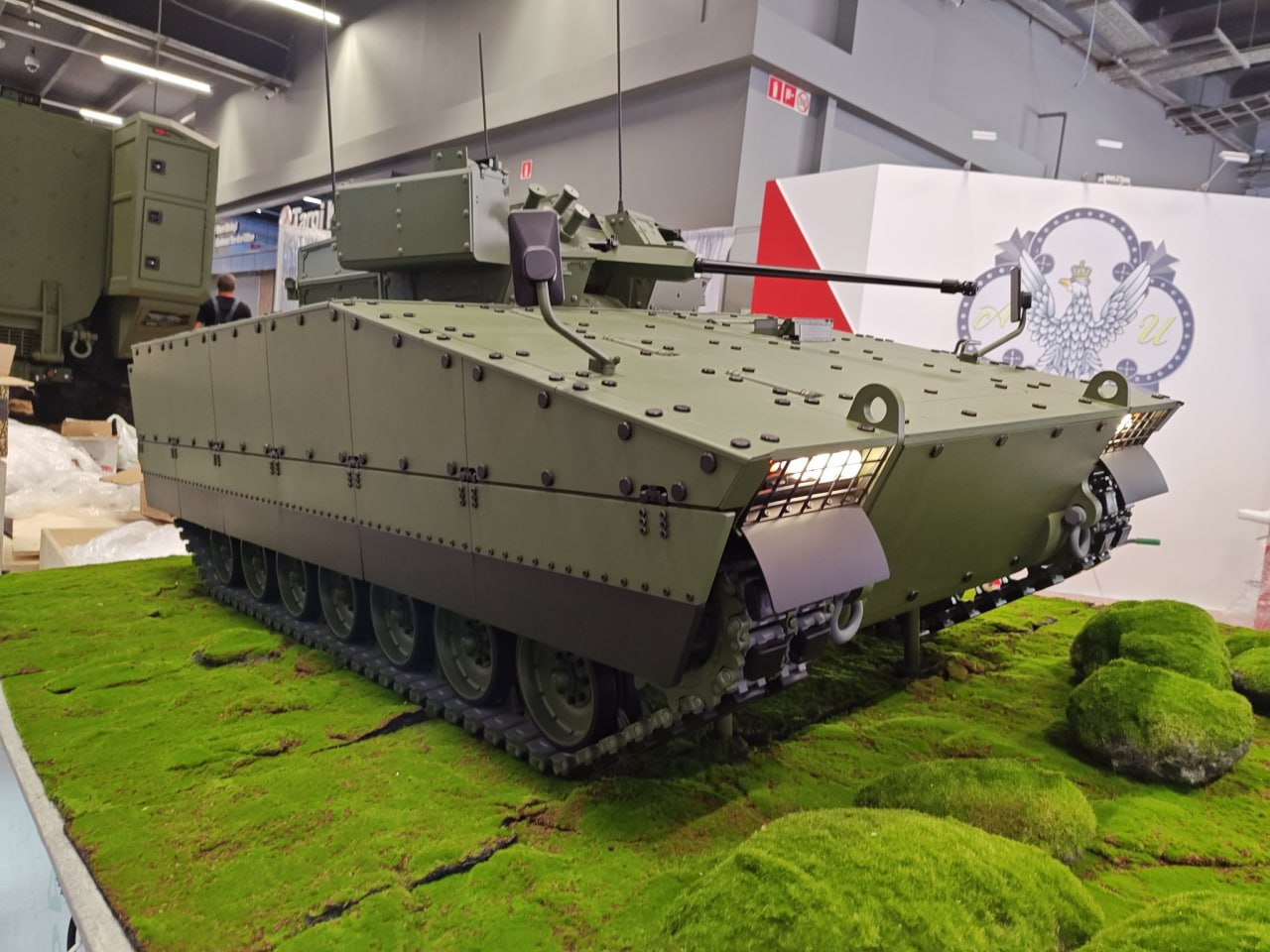
Conclusion: Protection vs. Cost Most modern Western IFVs now offer modular armor kits capable of withstanding 30mm rounds. Poland, for instance, is developing the CBWP (Heavy IFV), also known as the Ratel, focusing on significantly enhanced ballistic protection.
While higher-caliber guns may eventually be required to defeat advanced armor, the combination of heavy protection and large cannons pushes IFVs into the weight and price categories of Main Battle Tanks (MBTs). This trend threatens the cost-effectiveness and mass-deployability of mechanized units. Consequently, "lighter" 30-35mm platforms will likely remain the backbone of most global inventories for the foreseeable future.
Read more: "Eco-Friendly" Up-to-60-Ton Tank With Drone Protection: Ambitions of the EU's Future MBT Tender