


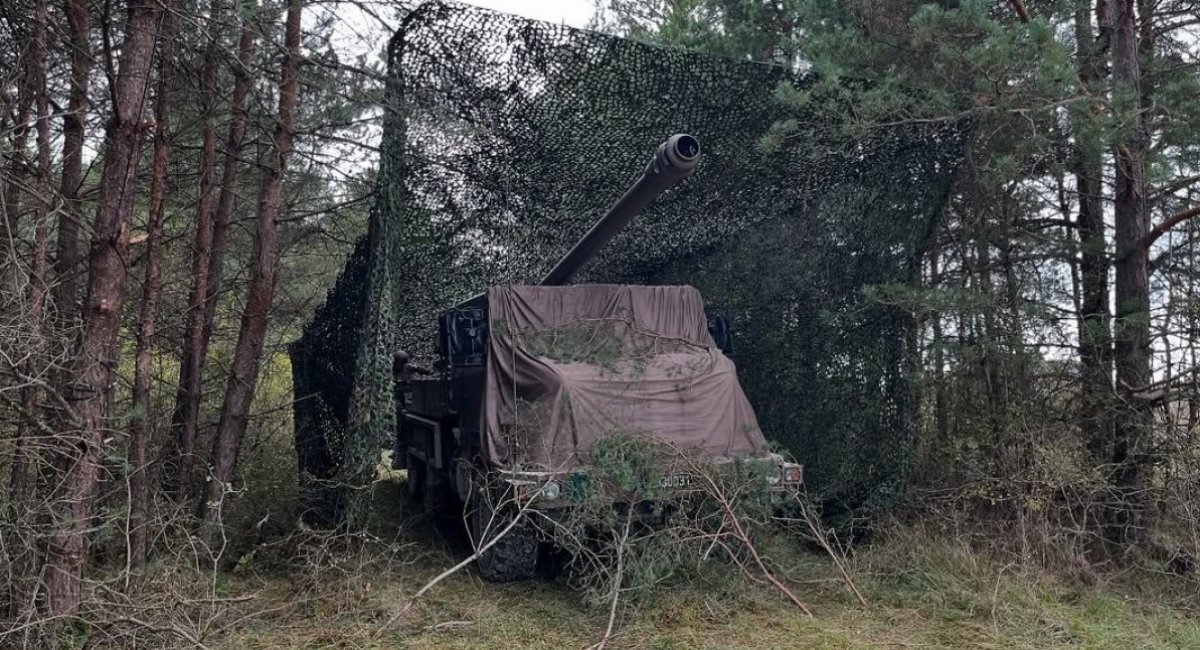
France is actively absorbing the lessons of drone warfare drawn from the war in Ukraine, and this process increasingly shapes how its artillery units think about survivability on the modern battlefield. One of the most visible examples is the emerging approach to protecting CAESAR self-propelled howitzers from unmanned aerial threats through the use of specialized nets and decoys rather than permanently mounted structures.
These methods were practiced by the 68th African Artillery Regiment during the Bold One exercises, where counter-drone measures were integrated alongside UAV operations themselves. The solutions were later showcased at an innovation exhibition, offering an opportunity to compare French concepts with those already widely used by Ukrainian forces under real combat conditions.
Read more: Why Saab Will Not Eliminate the Gripen Fighter's Main "Weak Point" — the Company Provides a Clear Answer
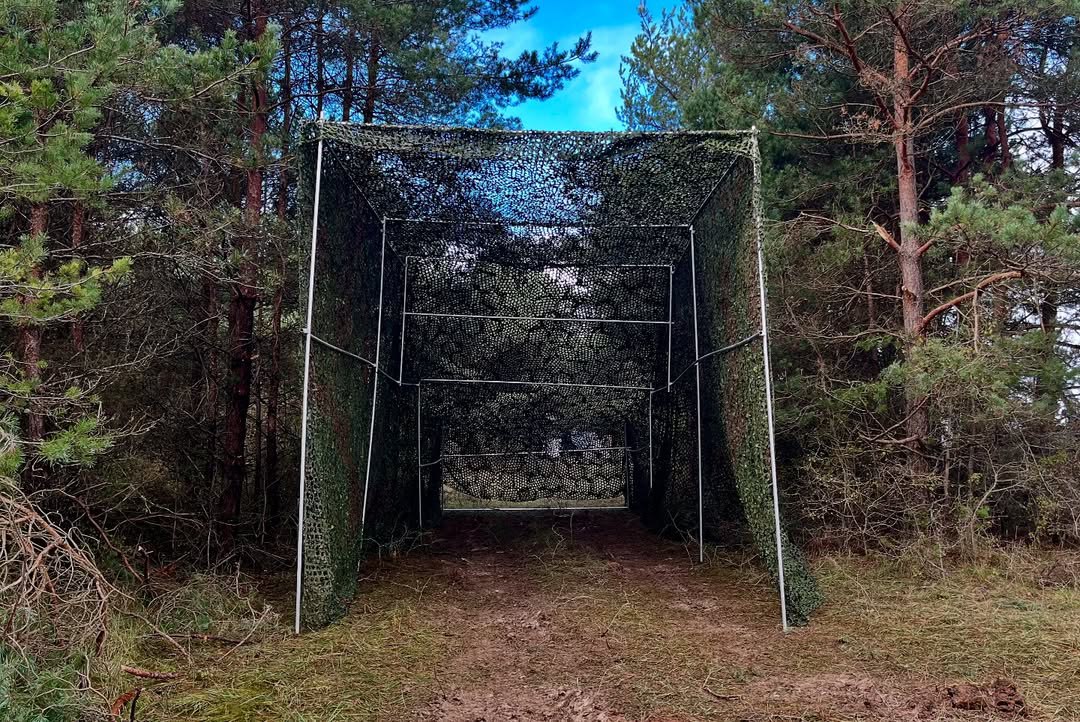
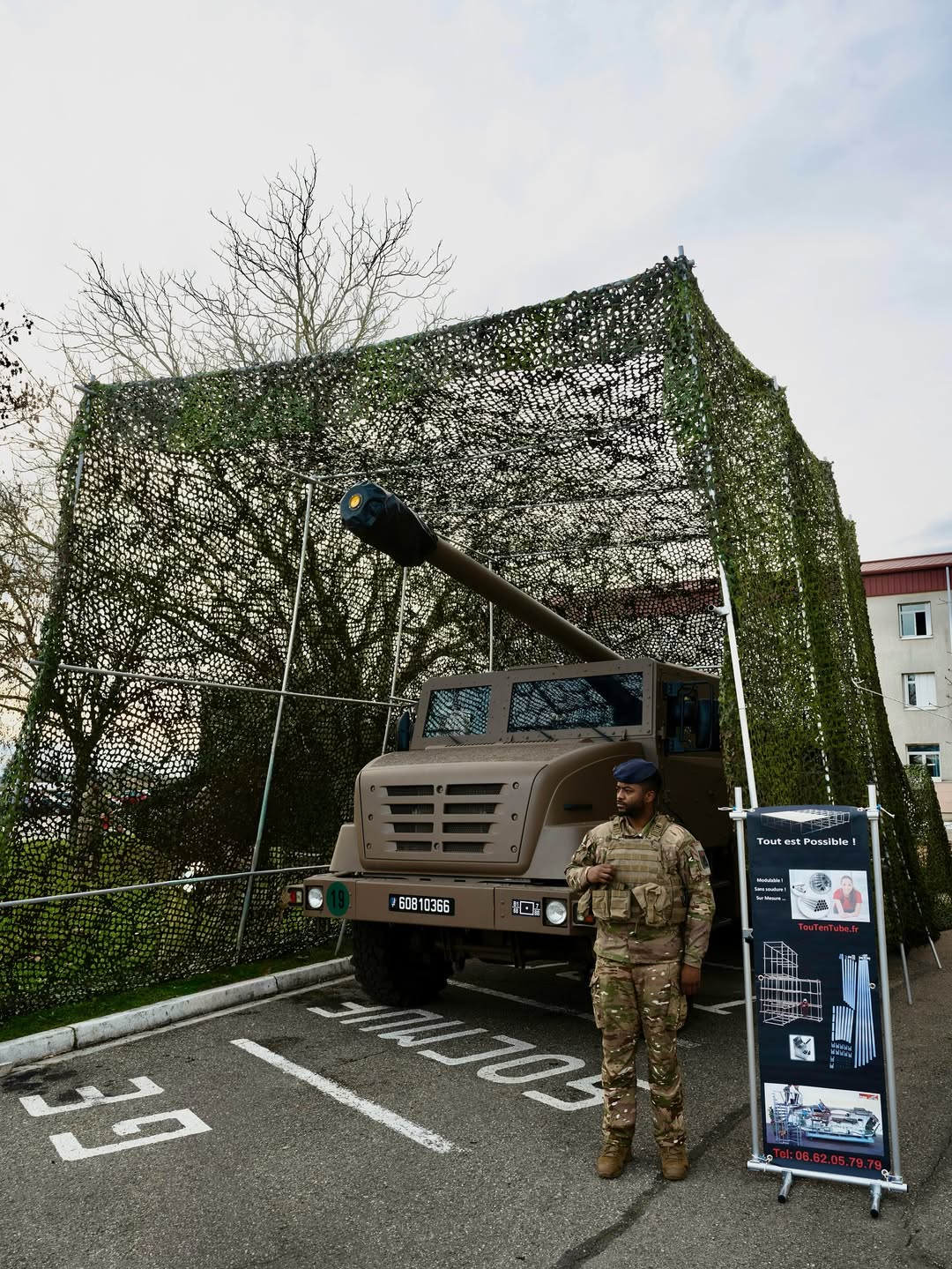
Although detailed technical descriptions were not provided, the demonstrated anti-drone nets appear to be stationary structures deployed around artillery positions. At the same time, they are designed to remain relatively mobile: the nets can be erected when needed and then folded and removed, allowing CAESAR systems to retain their core advantage, high mobility.
According to available information, these nets serve a dual role: masking artillery from enemy drones and providing a degree of physical protection against drone strikes. This reflects a deliberate design choice. Rather than attaching additional structures directly to the howitzer, the French approach prioritizes keeping the vehicle lightweight and rapidly deployable, avoiding permanent modifications that could limit maneuverability.
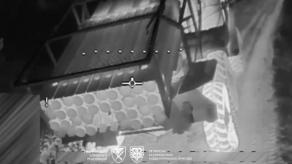
This stands in contrast to the Ukrainian approach, where it has become common practice to mount netted or cage-like structures directly onto self-propelled artillery systems. Such solutions provide continuous protection, including during movement, which is critical in an environment where drones monitor roads, firing positions, and withdrawal routes almost constantly.
Ukrainian forces also widely rely on closed and concealed firing positions. Self-propelled guns typically move out from shelters, fire a short mission, and then return to cover. This tactic not only reduces vulnerability to drones but also significantly mitigates the threat of counter-battery fire. The French military appears to acknowledge this logic as well, as evidenced by its adoption of inflatable CAESAR decoys.
These decoys are intended to confuse enemy reconnaissance, draw fire away from real systems, and ultimately preserve both equipment and personnel. Similar tools are used in Ukraine, though their quality varies. Decoys are most often seen near towed artillery systems, which are easier to replicate convincingly than complex self-propelled platforms.
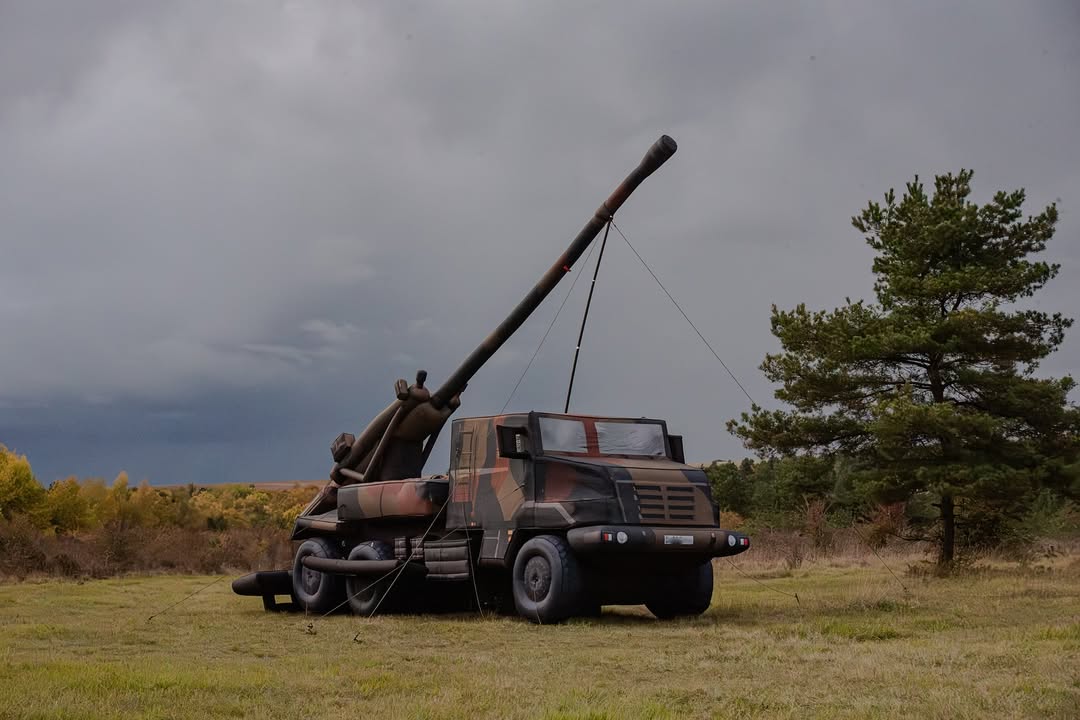
Overall, France is clearly learning from Ukrainian wartime experience, but it is not copying it wholesale. This is understandable: French doctrine still emphasizes maneuver warfare, rapid deployment, and even the potential for air transport of artillery units. In contrast, the war has largely evolved into a positional conflict dominated by persistent drone surveillance.
That said, the vulnerability of self-propelled artillery while on the move remains an unresolved issue, and it is likely that future French solutions will address this gap, whether by borrowing more directly from Ukrainian practice or by developing a more "elegant" and high-tech alternative.
Read more: russian Missile Brigade Suffers Losses After Explosion in Krasnodar Krai (Video)