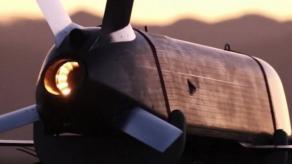



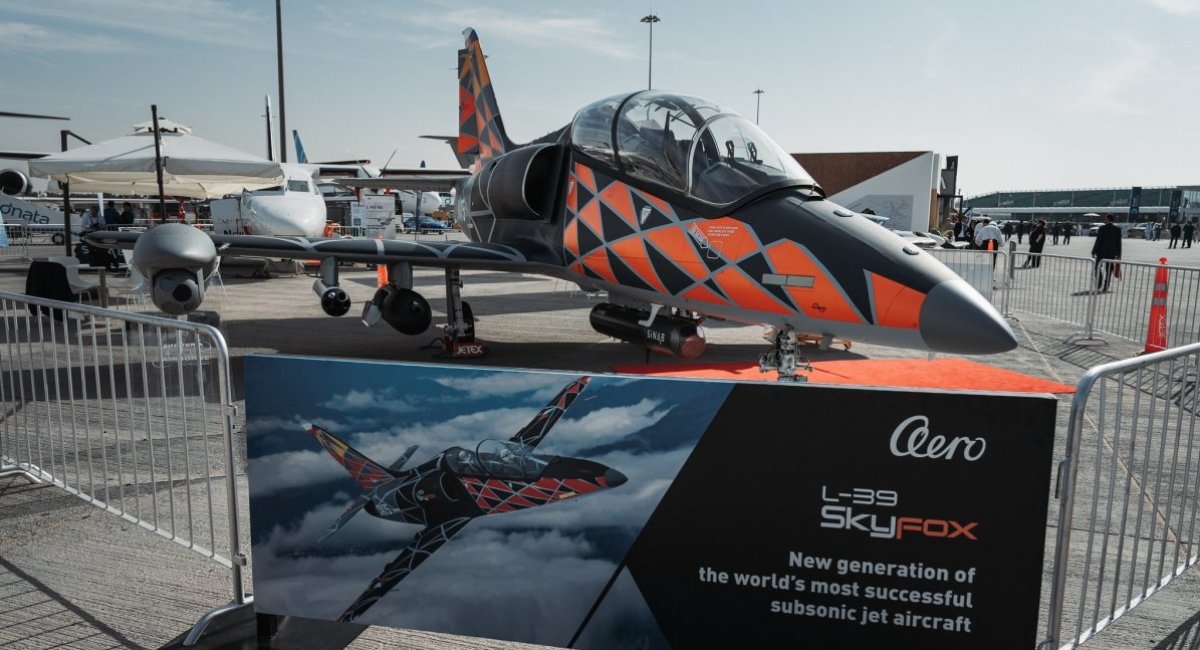
Czech aircraft manufacturer Aero Vodochody has unveiled a new evolution of its L-39NG Skyfox trainer at the Dubai Airshow, presenting the aircraft in an unusual configuration: a dedicated "drone fighter". The company aims to position the platform as a direct competitor to the Brazilian Embraer A-29 Super Tucano system, which has so far dominated the niche of low-cost, light-attack aircraft adapted for counter-UAV missions.
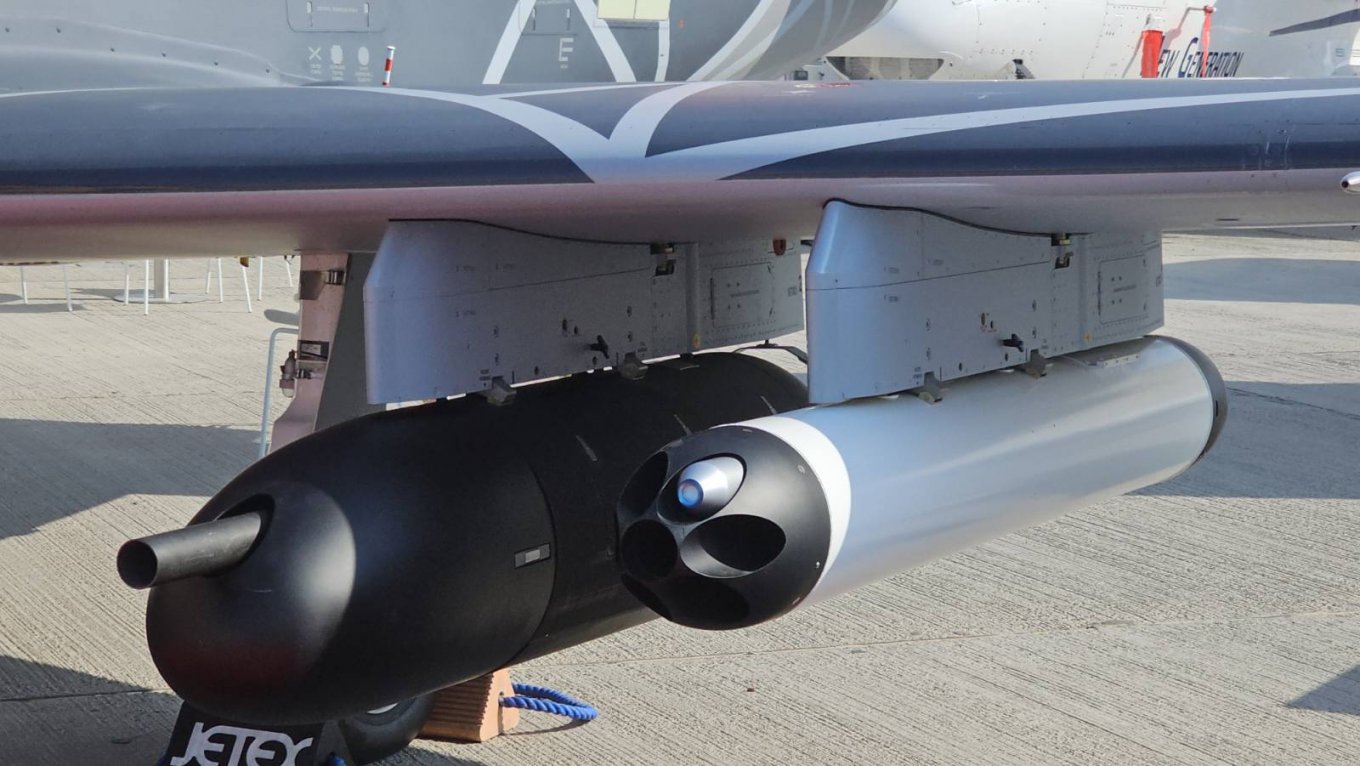
To transform the L-39NG aircraft into an anti-drone platform, Aero equipped the jet with 70 mm laser-guided rockets. Unlike the widely used American APKWS, which have become a standard tool for engaging small UAVs, the Skyfox platform carries the ITAR-free FZ275 LGR rockets produced by the Belgian division of the European firm Thales.
Read more: MBDA Sets Its Sights on the UAE European Missile Giant Builds First-Ever Overseas Subsidiary to Boost Regional Power
The aircraft also features two 12.7 mm machine guns for close-range engagements. Target detection and guidance are supported by Australian SiNAB Phoenix targeting pod, which integrates electro-optical and infrared sensors, while Austrian Airborne Technologies Scar pod further expands the aircraft's reconnaissance and target designation capabilities.
Crucially, the entire weapons suite is free from American export restrictions, making the Skyfox platform a fully European, ITAR-independent counter-drone solution. This could prove extremely attractive amid growing uncertainty over U.S. defense export policy under the new presidential administration. For Ukraine, the ITAR-free aspect is particularly relevant, as Kyiv already operates older L-39C Albatros trainer aircraft and has long considered options for modernizing or replacing its fleet.
The L-39NG system's new configuration offers the possibility of combining pilot training with low-cost air defense tasks, a dual role that could suit countries facing sustained drone attacks. Ukrainian forces have already used the FZ275 LGR rockets to shoot down Shahed-type one-way attack drones, and the military has expressed satisfaction with the weapon's performance. This has driven plans to expand domestic production of the rockets and develop new launch systems based on the lessons learned during combat use.
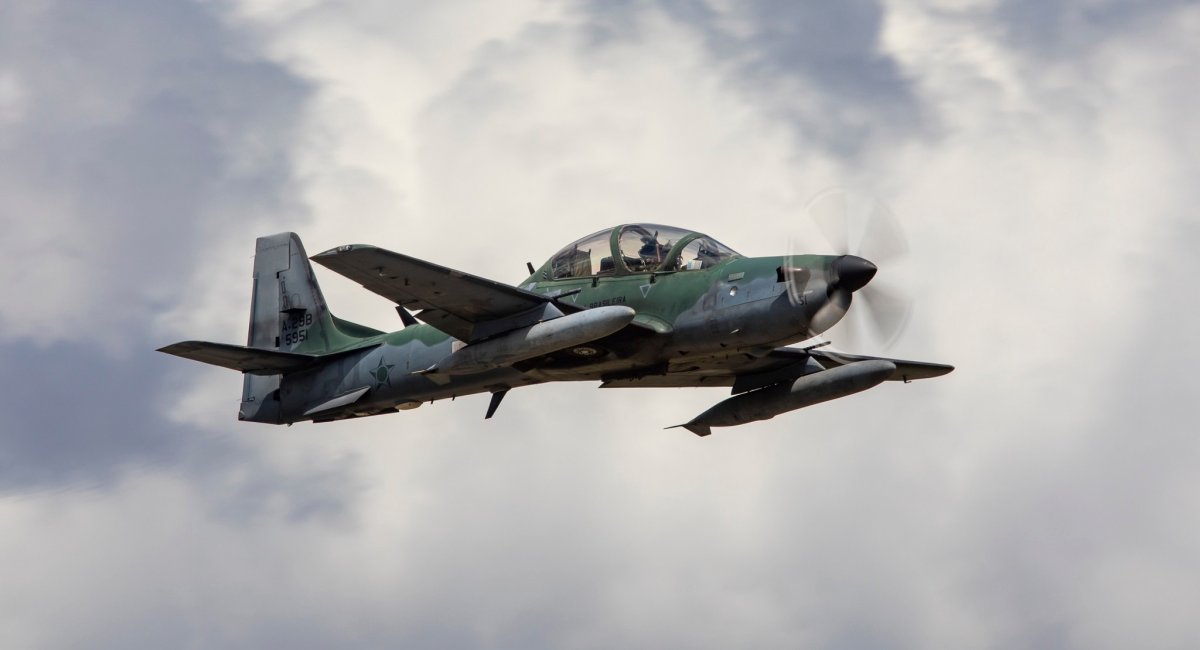
Despite these advantages, questions remain about whether the L-39NG platform can outperform or even match the entrenched position of Embraer's A-29 Super Tucano aircraft. The Czech aircraft is jet-powered and significantly faster, but that speed comes with trade-offs. Its flight endurance without external fuel tanks is almost half that of the turboprop Super Tucano system, which raises doubts about its suitability for long-duration patrols, an essential requirement for counter-drone missions.
Aero Vodochody is clearly attempting to broaden the L-39NG platform's appeal. The aircraft already serves in the Czech Republic and Vietnam, and deliveries to Hungary began earlier this year. However, past attempts to market a ground-attack variant of the aircraft were unsuccessful, underscoring the uncertainty surrounding this latest effort to carve out a niche in a crowded market.
As Defense Express previously reported, russia's Bespilotnye Sistemy drone manufacturer has presented its new Supercam S180 reconnaissance UAV for the first time at the Dubai Airshow, held from November 17 to 21 in the UAE. The company promotes the aircraft as filling the gap between its smaller S150 model and its flagship S350 platform.
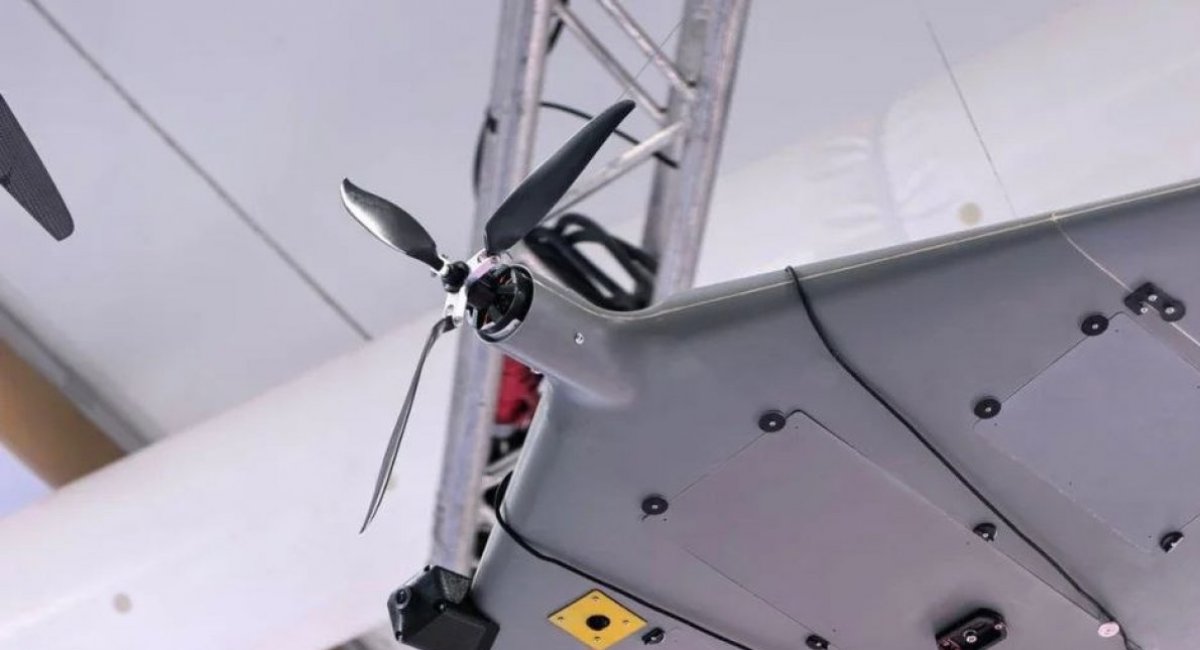
Read more: russia Unveils New Supercam S180 UAV at Dubai Airshow, Claiming Acceleration Mode to Evade Interceptors