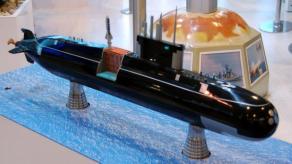
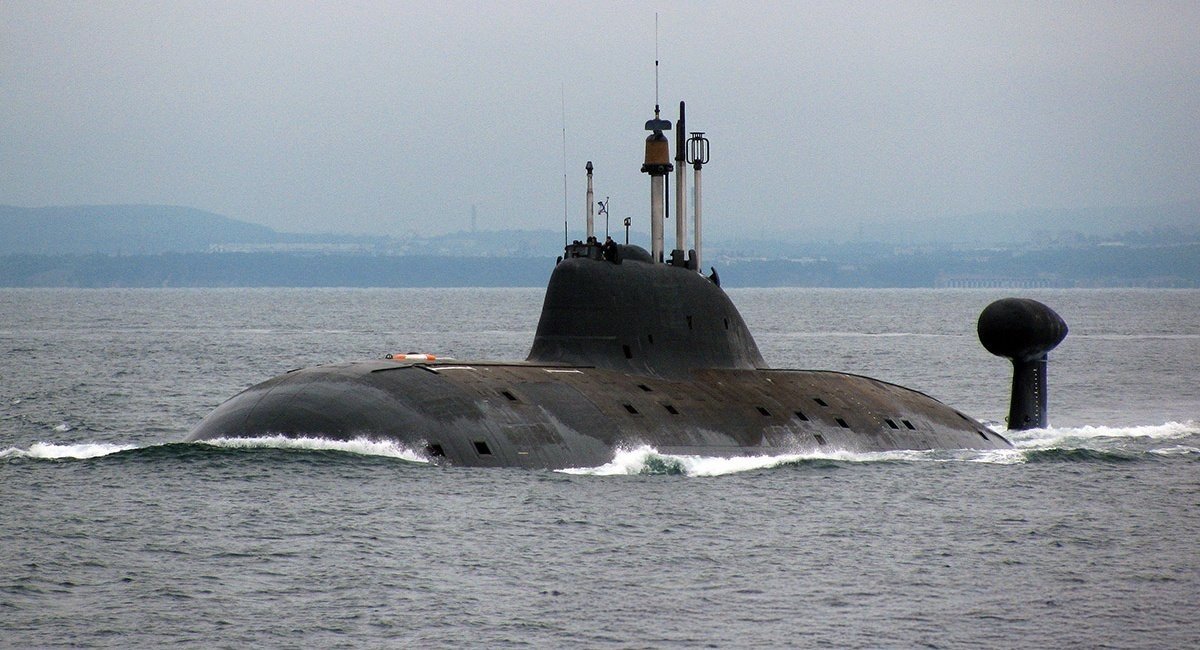
The Indian Navy will lease a russian nuclear submarine, which will join the fleet in 2028 for a period of 10 years at a cost of $2 billion. The agreement has already been officially acknowledged in Moscow, confirming that the lease is based on the contract signed in March 2019.
It should be noted that the Indian media wrote about this agreement based solely on their own sources. It is known that Delhi wanted to acquire theShchuka-B nuclear submarine of Project 971. The delivery date was set for 2025-2035, while the contract value was announced at $3 billion. However, this contract was never fulfilled.
Read more: After Losing Poland, Australia, Naval Group Gambles on Argentine Localizaion Deal
Later, insiders revealed that it was the K-391 Bratsk. This is a very old submarine, which was commissioned in 1989. In 1998, it was removed from the standing forces, and in 2003, it was sent to the North-Eastern Ship Repair Center in Vilyuchinsk, Kamchatka, for repairs, from which it never formally returned.
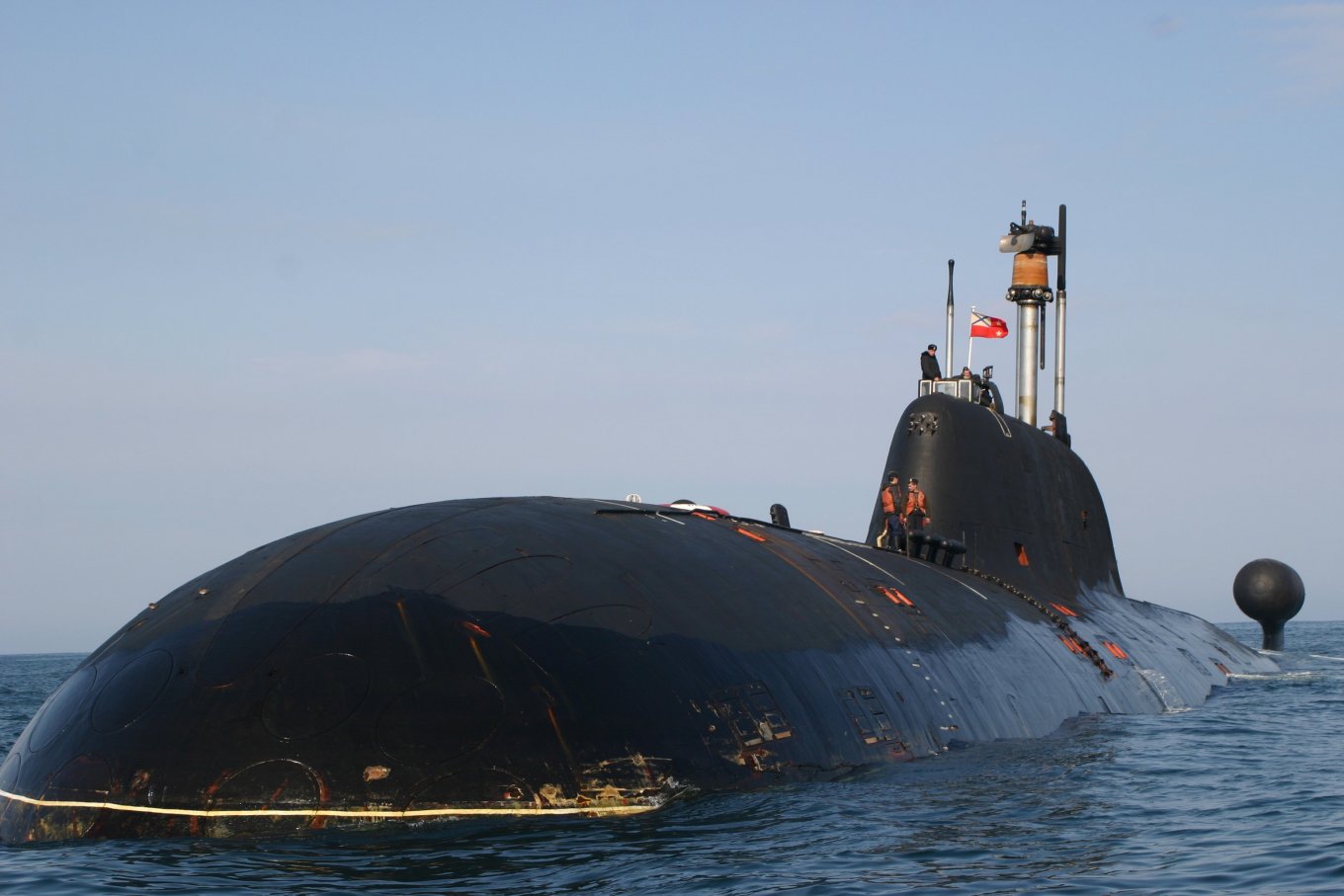
Initially, repairs could not begin for five years due to a lack of funds. The works began in 2008. In 2013, it was decided that the repairs would need to be carried out at a more capable facility—the Zvezdochka Ship Repair Center in Severodvinsk. This was because the North-Eastern Ship Repair Center had lost its skilled personnel and production capacity. Moreover, it turned out that over all those years, the facility had only managed to conduct an inventory.
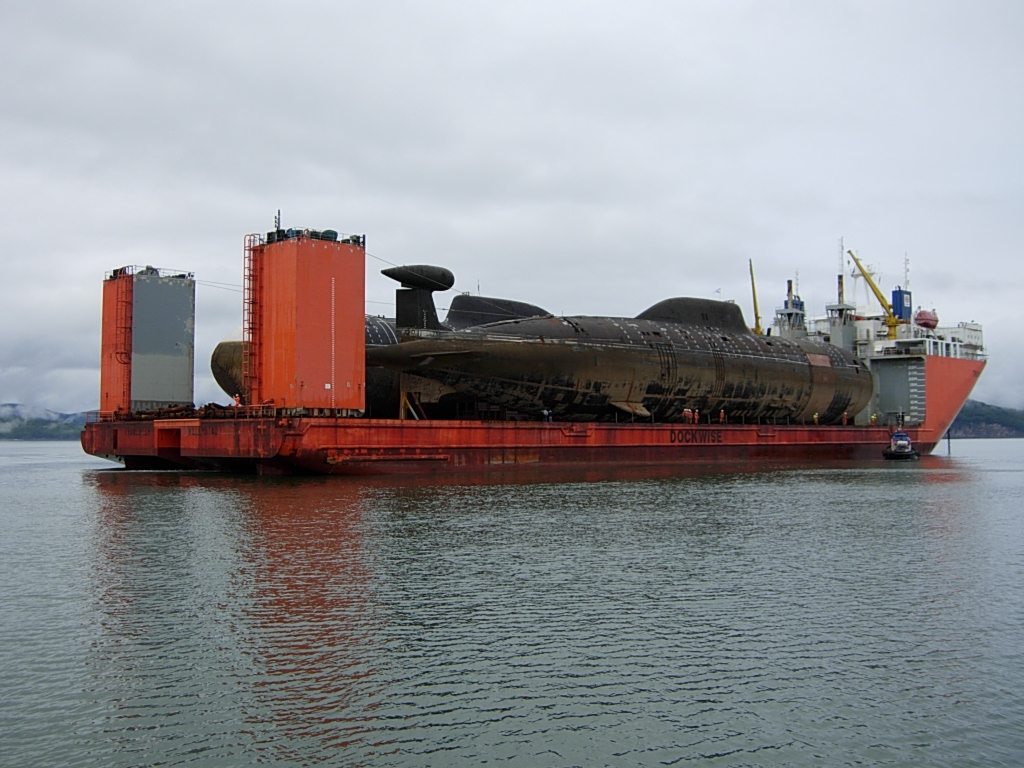
The K-391 Bratsk was transported together with the similar K-295 Samara, also "repaired" in Kamchatka, in a unique operation using the Transshelf heavy-lift carrier along the Northeast Passage. All this effort was ultimately in vain, as in 2022 the repair of K-391 Bratsk was declared impractical.
In the spring of 2024, the first unofficial reports appeared in russia that this submarine would not only be repaired, but also modernized specifically for India. The project is designated 09718, reportedly a modernization of the Shchuka-B class and integrating BrahMos anti-ship missiles, essentially Oniks. This is the name of an Indian-russian joint project with localization of production in India.
In fact, Oniks is used in russia's latest Project 885 Yasen-class attack submarines, which are intended to replace the Project 971 Shchuka-B and Project 949A Antey classes. It uses eight vertical launching systems to launch Oniks missiles, each capable of carrying four anti-ship missiles. They can also carry four Kalibr cruise missiles or Zircon hypersonic missiles.
At the same time, K-391 Bratsk, like all other Shchuka-B class submarines, does not have such systems. It carries only eight torpedo tubes—four 533 mm and four 650 mm—capable of launching Type 65 and Type 65-76 Kit torpedoes with nuclear warheads. Whether it is possible to launch Oniks missiles from them remains an open question, but when modernizing Shchuka-B submarines, russia only mentioned the possibility of arming them with Kalibr missiles, which are launched from 533 mm torpedo tubes.
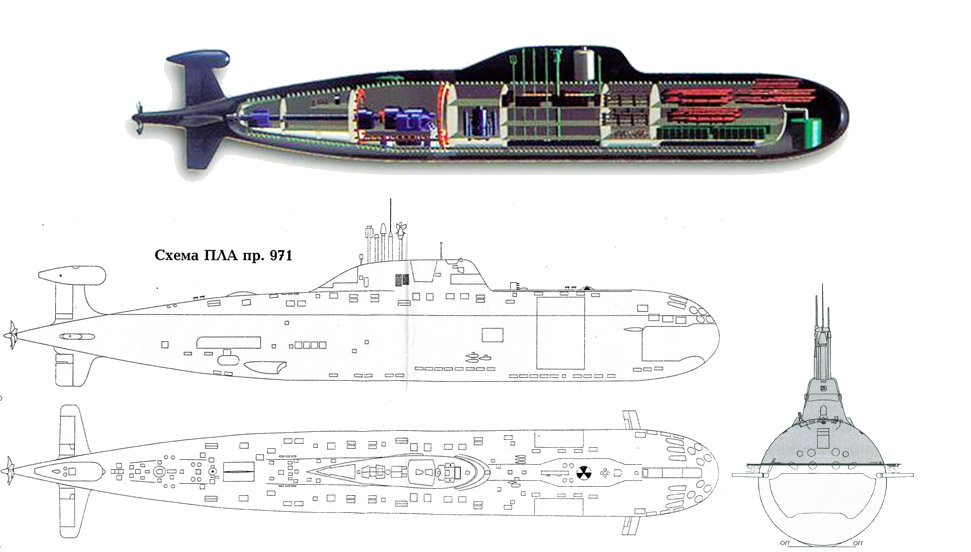
At the same time, installing vertical launching systems on K-391 Bratsk would require a significant design modification to the project. That may explain why the handover is scheduled for 2028. It could suggest that russia will be able to supply India with not only BrahMos and Kalibr, which it already operates and procures, but also the hypersonic Zircon missile.
It should be noted that the 3M22 Zircon has a very small warhead. It weighs about 100–150 kg, which is critically low for destroying any ship larger than a frigate, but this is standard for a nuclear warhead. It is worth adding that India is a nuclear-armed state, though it remains unclear whether it has the capability to develop small nuclear warheads.
It is also worth noting that any defense cooperation between India and russia falls under the U.S. CAATSA (Countering America's Adversaries Through Sanctions Act), which allows sanctions to be imposed on countries that purchase russian weapons. However, the U.S. has never enforced it against India, so Delhi has chosen to ignore it.
Read more: India Playing Both Sides Buys American Excalibur Shells While Setting Up Production of Competing European Katana