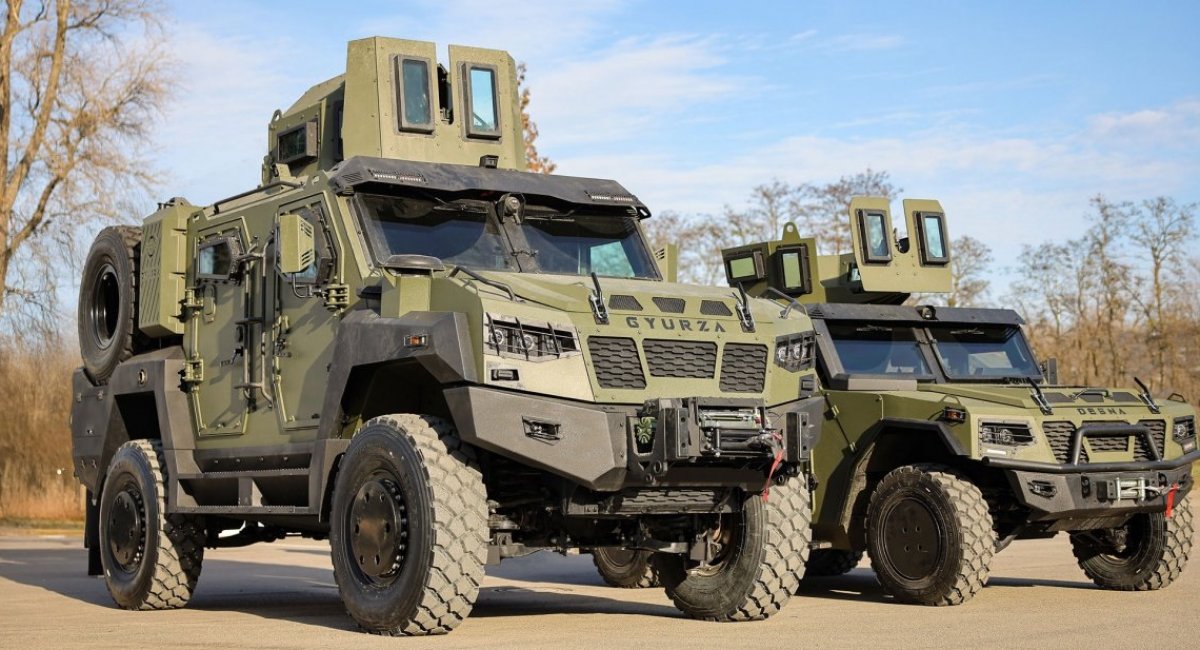
The Defense Forces of Ukraine continue to require protected combat vehicles for personnel transportation and logistics support. Domestic company UkrArmoTech has proposed relevant solutions.
New GYURZA-03 and DESNA armored vehicles have recently passed codification trials. A corresponding decision from the Ministry of Defense of Ukraine is currently pending, while the developers state they are capable of ensuring significant production volumes.
Read more: Italy Becomes NATO's First Operator of Skynex Air Defense System
GYURZA-03
Ukrainian Defense Forces already have positive battlefield experience using several vehicles produced by UkrArmoTech, including the GYURZA-01 and GYURZA-02 armored vehicles.
These 4x4 wheeled MRAP-class vehicles are currently in service with the Armed Forces of Ukraine, the National Guard, and the State Border Guard Service.
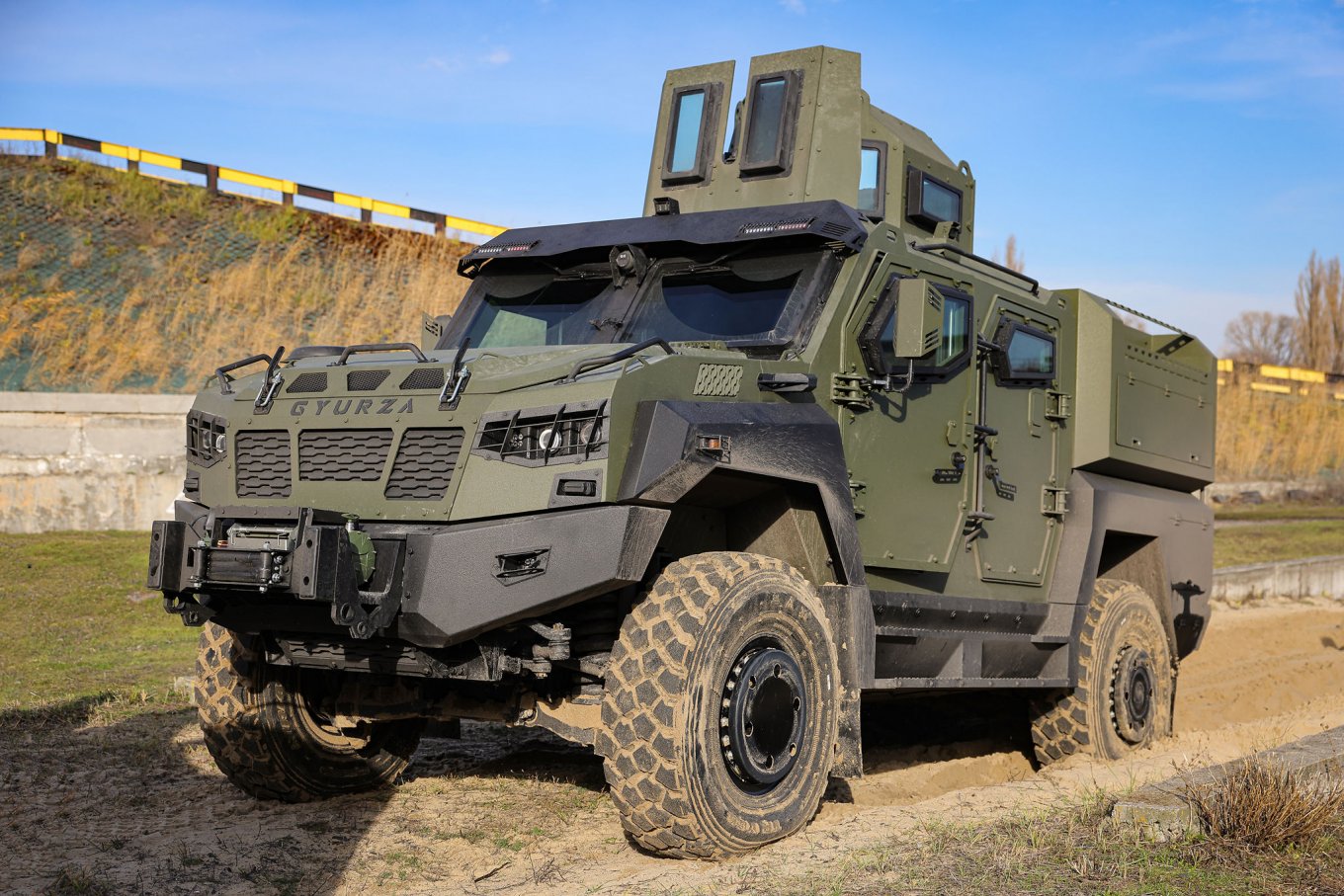
The multifunctional GYURZA-02, codified earlier this year, is actively used to transport personnel, equipment, and ammunition within a single troop compartment. This configuration is not fully safe, as ammunition detonation could injure those inside the vehicle.
Therefore, operational needs and military feedback were taken into account by UkrArmoTech engineers when developing the GYURZA-03 armored pickup, which is an evolution of the GYURZA-02.
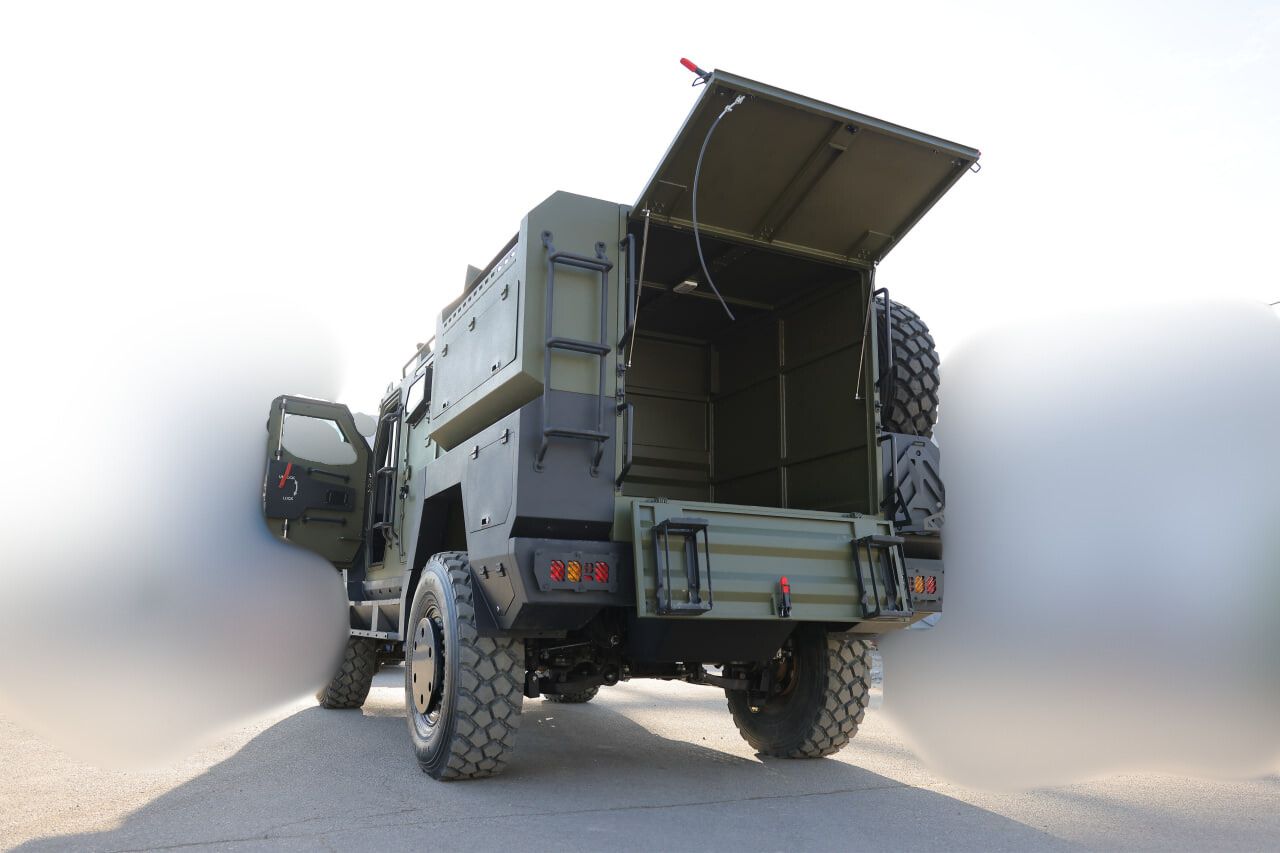
GYURZA-03 retains the same ballistic protection level — STANAG 4569 Level 2 — meaning it can withstand armor-piercing incendiary 7.62×39 mm rounds fired from a distance of 30 meters. However, the new vehicle received several changes, the most visible being the partial replacement of the troop compartment with a cargo compartment, turning it into a full-fledged armored pickup truck. The payload capacity was increased to 3 tons, with a total weight of nearly 16 tons, while length and width remained unchanged.
The key purpose of this modification is the ability to transport ammunition separately from personnel. The vehicle can also be used to transport 81/82/120 mm mortars or fixed-wing reconnaissance UAVs, as well as any other cargo that fits. The modular design allows various types of equipment to be installed, including radiation reconnaissance systems, air defense systems, radar stations, and artillery systems.
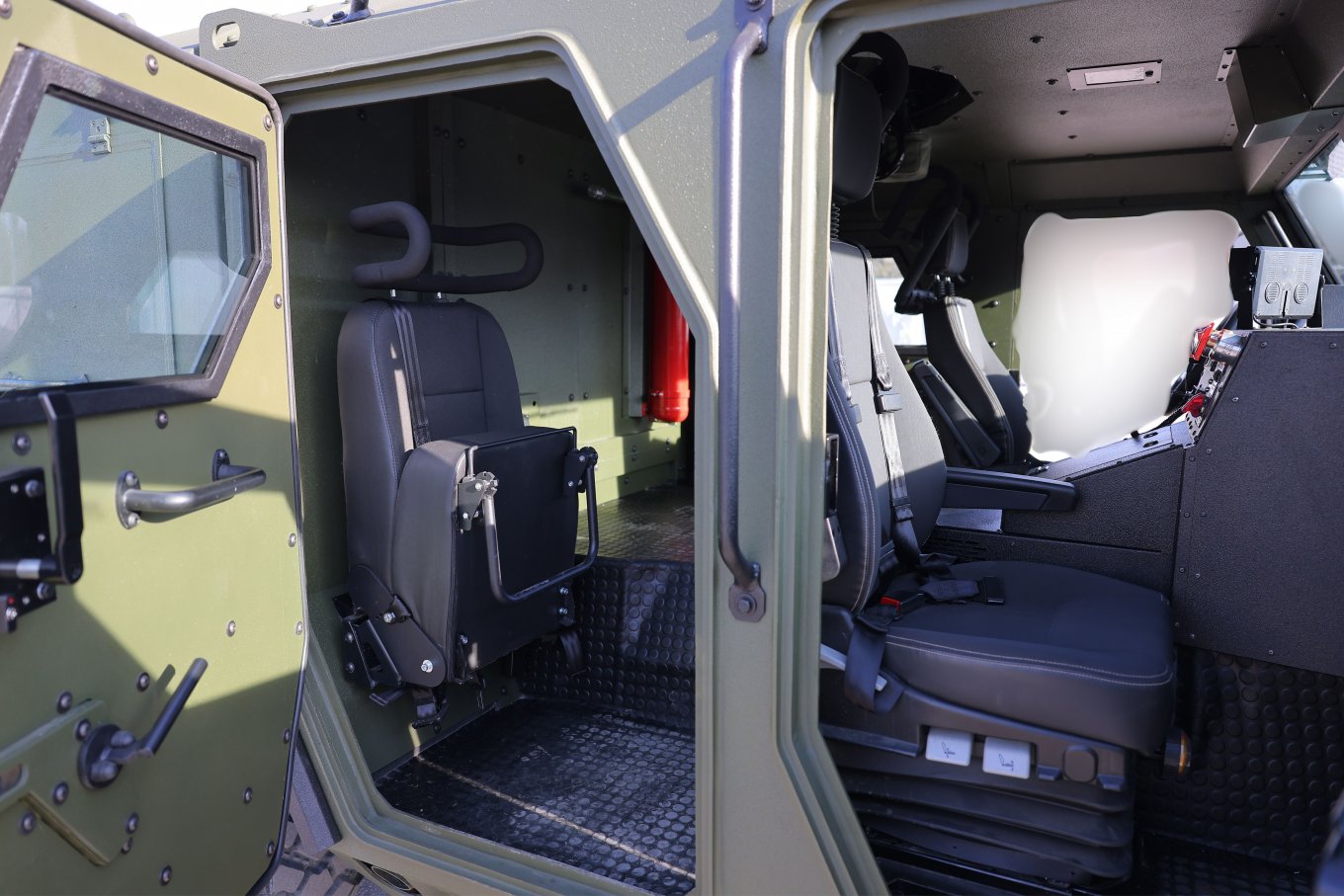
The armored cabin accommodates up to five soldiers and provides mine protection at STANAG 4569 Level 3a/b, meaning it can withstand the detonation of 8 kg of explosives under a wheel or the hull. A new suspended floor solution has been implemented, which will be scaled to other UkrArmoTech armored vehicles (Gyurza-2 now features a different solution a foam aluminum floor that absorbs the energy of the shock wave when detonated under the hull). The inside of the armored capsule is lined with aramid anti-fragmentation material.
Access to both the armored capsule and cargo compartment is optimized. For example, the spare wheel is mounted on the right side of the cargo compartment and lowered using a winch that can be operated by a single crew member.
Compared to the GYURZA-02, the GYURZA-03 features larger military-grade wheels with 395/85 R20 tires, increasing ground clearance from 379 mm to 450 mm and significantly improving off-road performance.
The chassis and drivetrain remain unchanged for standardization and ease of operations purposes. The same goes with the engine, as the vehicle is powered by a Cummins ISDe6.7-330 turbo diesel engine paired with a six-speed Allison transmission.
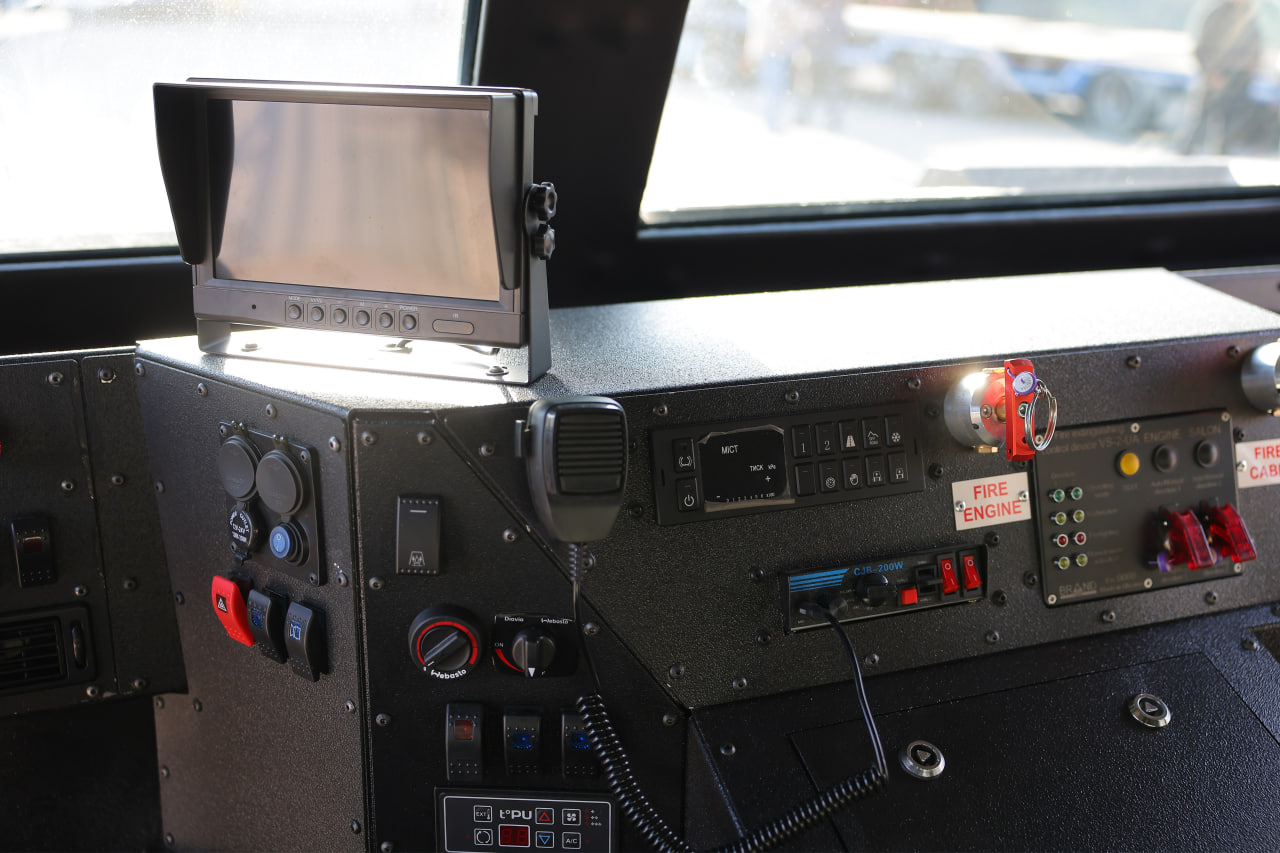
This all ensures maximum highway speed up to 110 km/h. The vehicle can ford water up to 1,200 mm deep and climb vertical obstacles up to 390 mm. In addition, as in other vehicles of UkrArmoTech, GYRZA-3 is equipped with a 360-degree camera system, images from which are displayed both for the driver and for the troops. For nighttime operations, infrared night vision with active illumination is installed. Note that this may give away the position for specialized sensors, but it is better than having regular headlights on.
General preliminary characteristics of the armored pickup truck GYURZA-03
|
Total weight, kg |
15600±200 |
|
|
Equipped weight, kg |
13320±200 |
|
|
Number of persons to be transported (including crew), pers |
5(2) |
|
|
Overall dimensions, mm |
Length |
6730±25 |
|
Width |
2750±10 |
|
|
Height with rotating platform |
3550±20 |
|
|
Ground clearance, mm |
Front axle |
420±10 |
|
Rear axle |
440±10 |
|
|
Max highway speed, km/h |
110 |
|
|
Surmountable ford depth, mm |
1200 |
|
|
Tire specifications |
395/85R20 |
|
|
Discs |
10.0-20 aluminum alloy wheels with RunFlat system |
|
DESNA
As for the other model, DESNA, it is somewhat more interesting, because it is an attempt to create a genuine Ukrainian military jeep. Something similar to the legendary American HMMWV, which has earned good reviews during its use in the Defense Forces. However, a certain number of complaints and suggestions regarding vehicles of this class have also accumulated.
Since the 2000s, Ukraine has repeatedly attempted to develop or purchase an alternative that would become the main transport for the military. Unfortunately, these attempts have been unsuccessful due to a lack of interest or other problems, they have never been implemented.
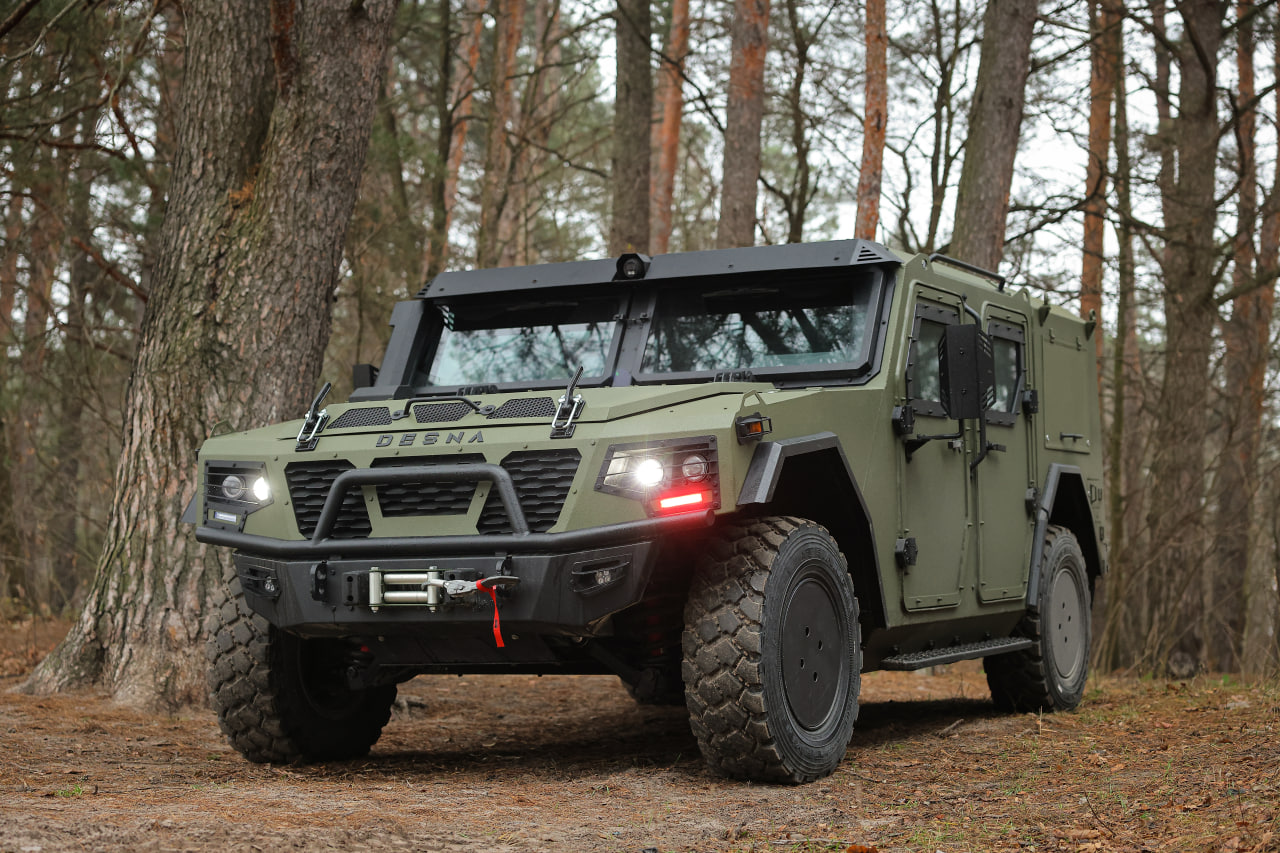
Of course, it is not a fact that the usage of conventional pickups will be get rid of, in particular the Mitsubishi L200 and Toyota Hilux. However, the availability of a light armored vehicle that will perform tasks in dangerous areas, but is cheaper than a full-fledged MRAP, really makes sense.
During the full-scale russian-Ukrainian war, various models in this niche, apart from the "Humvee", were delivered to Ukraine. These include the Spanish VAMTAC, the Italian IVECO LMV, and their localized russian version, the Rys. Other models available on the market include the South Korean KLTV, known as the Legwan in the Polish version.
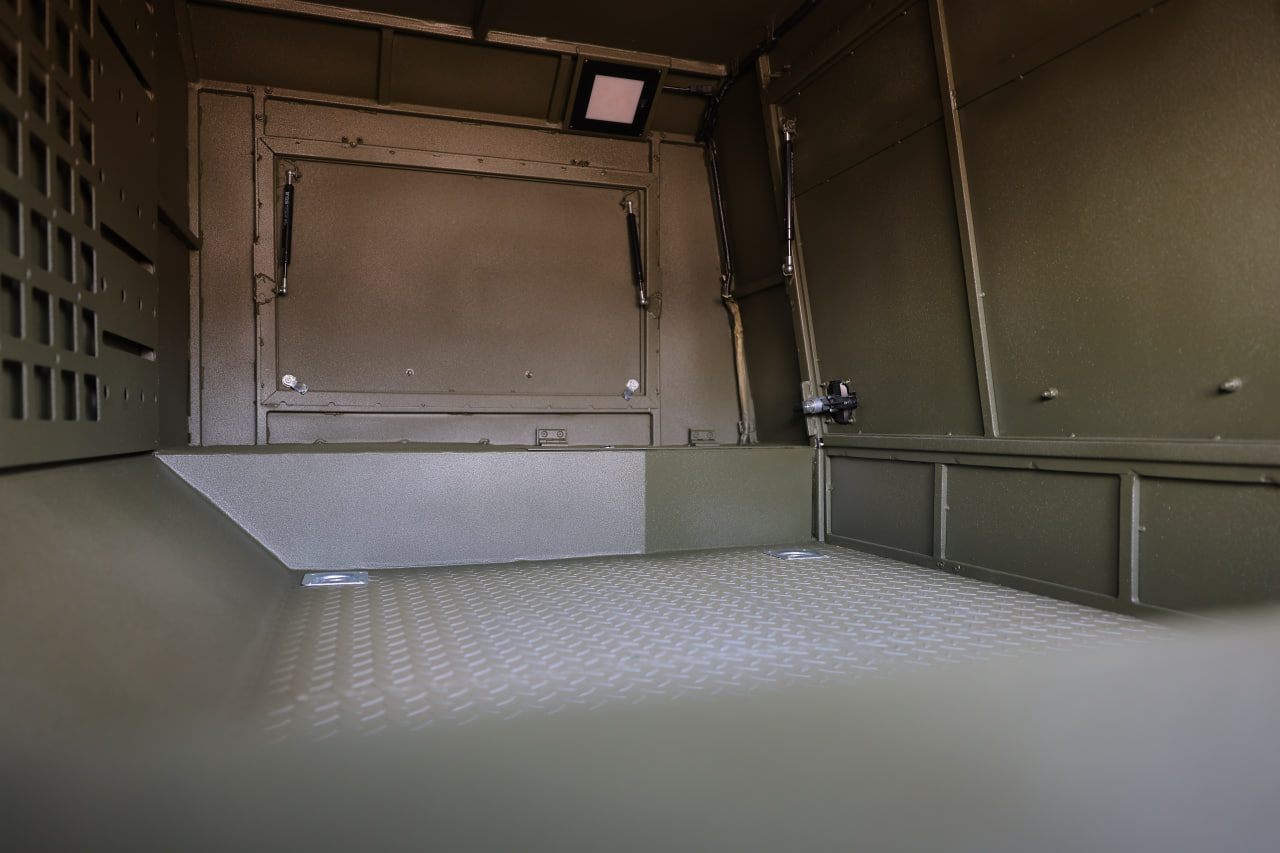
Thus, a similar niche exists both within the Ukrainian Armed Forces and on foreign markets, which is why UkrArmoTech decided to address it. The company says its goal was to create a vehicle that would occupy the space between the TISA platform and the GYURZA family.
Desna features a purpose-built proprietary chassis, with a suspension concept similar to the HMMWV, and a ground clearance of 380 mm. Combined with a body length of 5350 mm, a width of 2700 mm, and a height of just 2000 mm, this results in a very well-balanced set of dimensions, which is particularly important for off-road mobility. The vehicle is reported to be capable of fording water obstacles up to 0.7 m deep and overcoming vertical obstacles up to 0.3 m high.
The vehicle is powered by a Cummins ISDE200 40 engine with a specific power output of 24.5 kW/t, enabling a top speed of up to 120 km/h. It is also equipped with an Allison automatic transmission and a ZF transfer case, both of which have proven their reliability and maintainability in other UkrArmoTech platforms.
In terms of weight, DESNA has an equiped weight of 6.68 tonnes and a gross vehicle weight (with payload) of 8.31 tonnes. For comparison, U.S. armored HMMWV variants typically weigh around 4.54 tonnes and 5.5 tonnes, although some modifications reach up to 6.1 tonnes, while the TISA has a gross weight of approximately 5.5 tonnes.
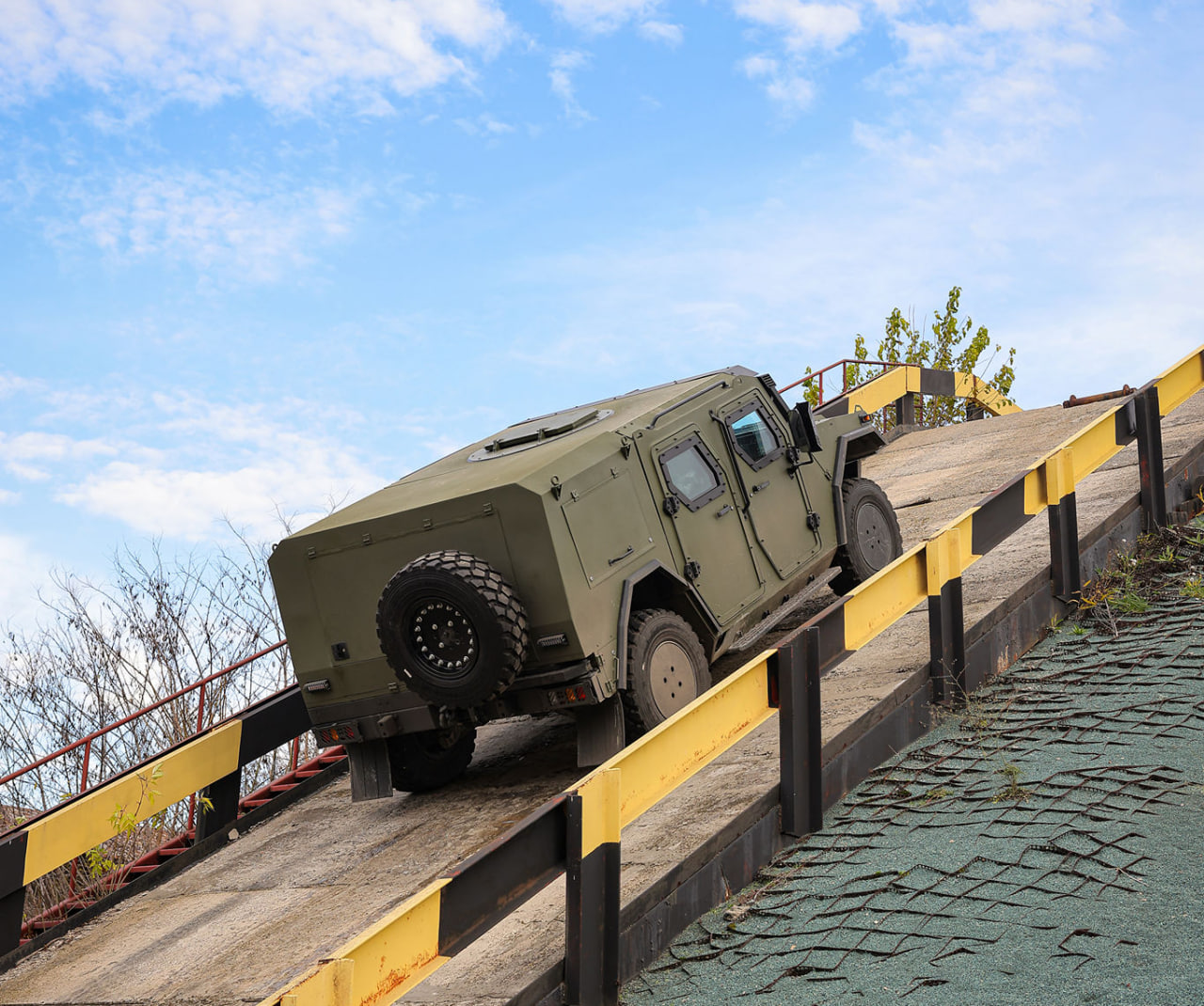
"Desna impressed observers during testing, primarily with its off-road performance. There were sections where everyone said the vehicle should not go there because it would not make it and would get stuck. But it overcame everything and passed all obstacles. All test protocols and reports have been signed," UkrArmoTech representatives say about their development.
The armor protection of Desna comply to STANAG 4569 Level 1, or PSZA-4 providing protection against 5.45 mm rounds fired from AK-74 rifles. Mine protection is also basic, at Level 1, meaning it can withstand the detonation of low-yield explosive devices or grenades. Overall, such parameters are expected for a vehicle in this class.
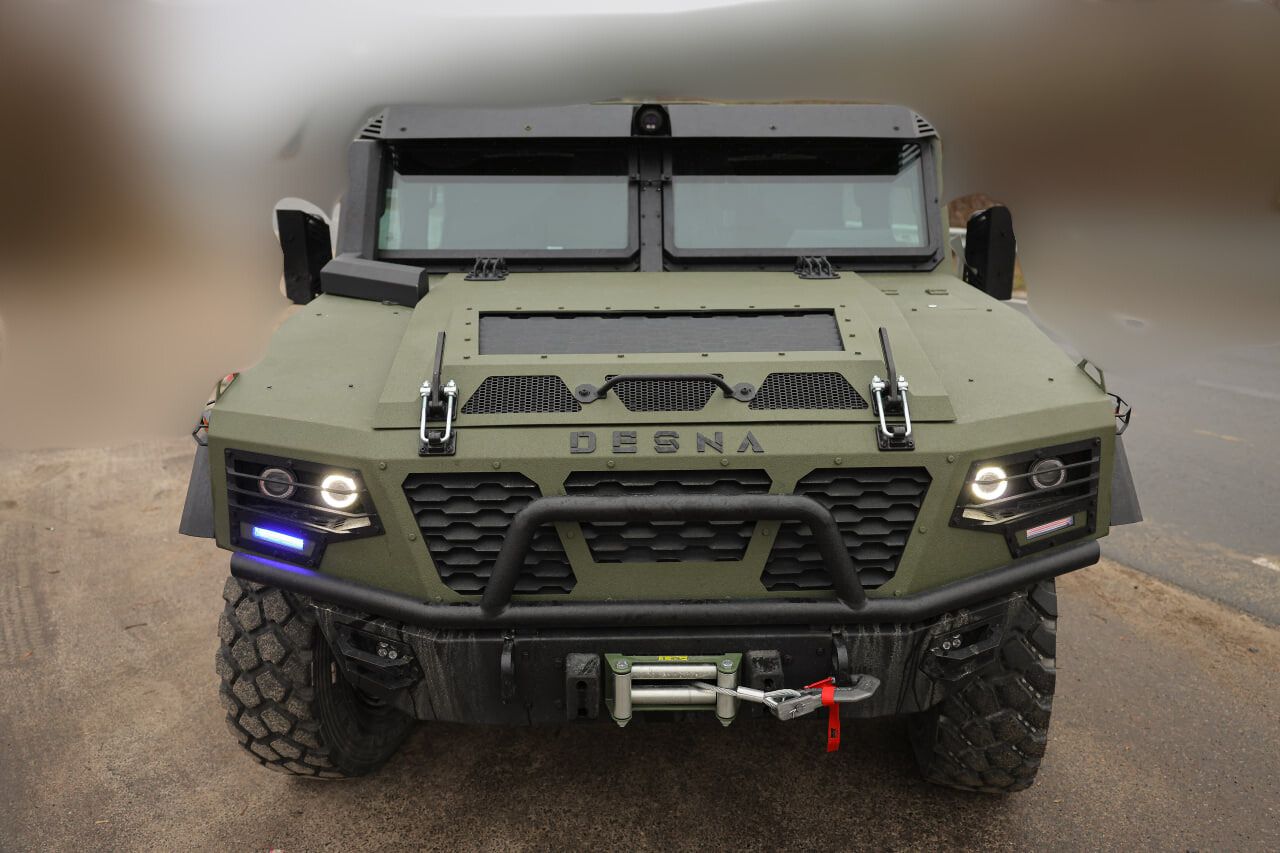
The vehicle can transport a 4+1 crew. This designation reflects specific Ukrainian operational and technical requirements, which mandate the transport of five personnel in vehicles of this category — something that is technically challenging to implement.
Desna is built on a modular design, meaning that in addition to the rear cargo compartment, the platform can be used to create command or medical variants. This allows it to serve as a unified platform for multiple roles.
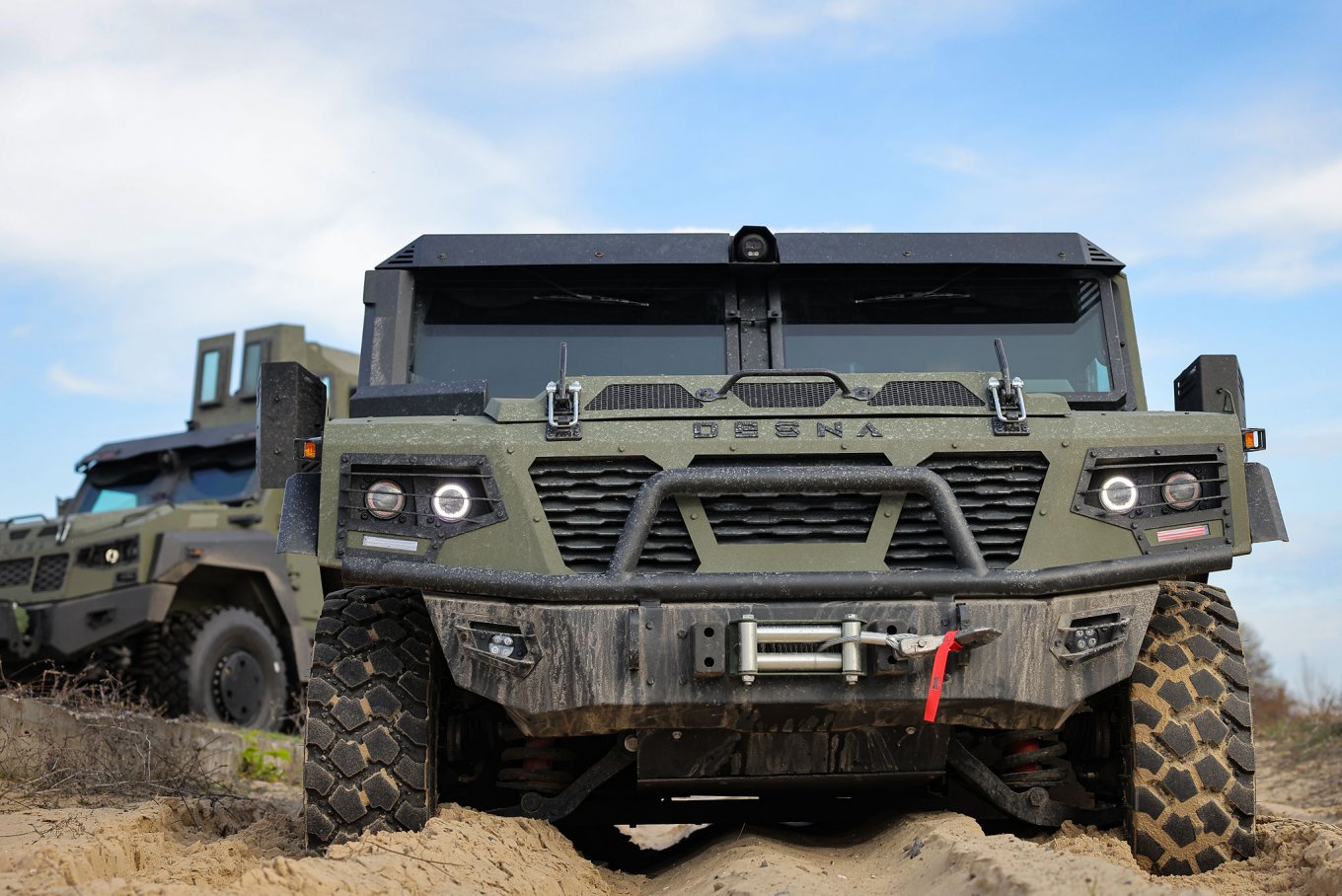
Desna's proprietary chassis provides additional flexibility in production and export. However, as with other comparable developments, manufacturers still rely on foreign components, which currently cannot be fully replaced with domestic alternatives.
General preliminary characteristics of the armored pickup truck DESNA
Total weight, kg | 6680 | |
Equipped weight, kg | 8310 | |
Mass distribution of equiped vehicle, kg | Rear axle | 3350 |
Front axle | 3410 | |
Gross mass distribution, kg | Rear axle | 3750 |
Front axle | 4590 | |
Dimensions of the vihicle, мм | Width | 5370 |
Length | 2890 | |
Height without rotating platform | 2090 | |
Ground clearance, mm | 440 | |
Max highway speed with gross mass, km/h | 110 | |
Wheels, typesize | 305/80R18 | |
Discs | Aluminium alloy 10.0-20 | |
Wheel inserts | 4+1 (RunFlat) | |
Maximum navigable depth of a ford with a hard bottom, taking into account natural waves, m, no more than | 0,7 | |
Number of persons to be transported | 4 (1) | |
Armoured protection | PSZA-4 (STANAG 4569 level 1) | |
Mine protection | STANAG 4569 level 1 | |
Both new armored pickup trucks — GYURZA-03 and DESNA are equipped with communications systems, heaters, air-conditioning units, fire suppression systems, and air filtration systems. The installation of electronic warfare (EW) equipment is also declaired; however, the final configuration can be selected by the customer.
In terms of armament, both armored vehicles can be fitted, if required, with a rotating gun turret. In addition, GYURZA can be equipped with a custom combat module, enabling the crew to engage targets while remaining inside the vehicle.
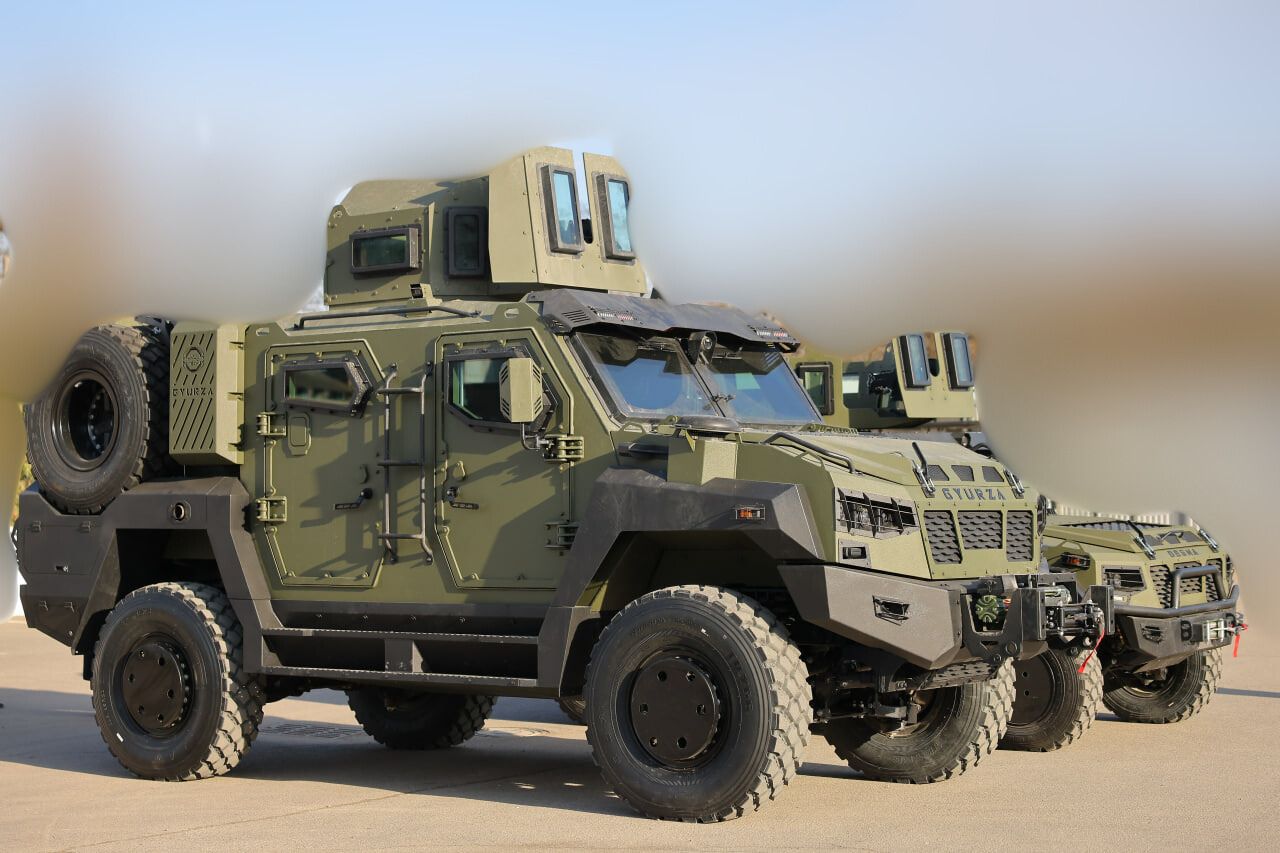
At present, UkrArmoTech's developments have already completed codification trials, and preparations are underway to manufacture an initial batch for the Armed Forces, which is intended to provide the basis for gathering operational combat experience. As these vehicles have not yet undergone full battlefield validation.
While this is less critical for GYURZA-03, given the operational experience gained with its predecessor, DESNA is a completely new platform that still needs to demonstrate its capabilities in real combat conditions. According to the company, the new vehicles have attracted interest from various government agencies and military units present during the trials. In particular, representatives of the 3rd Separate Assault Brigade reviewed the DESNA and expressed a strong interest in receiving such vehicles as soon as possible to enhance their logistical capabilities and improve overall mobility.
Read more: Atesh Movement Scouts Black Sea Fleet's Main Repair Base in Sevastopol