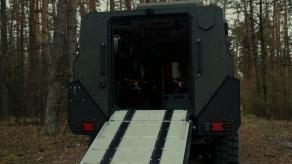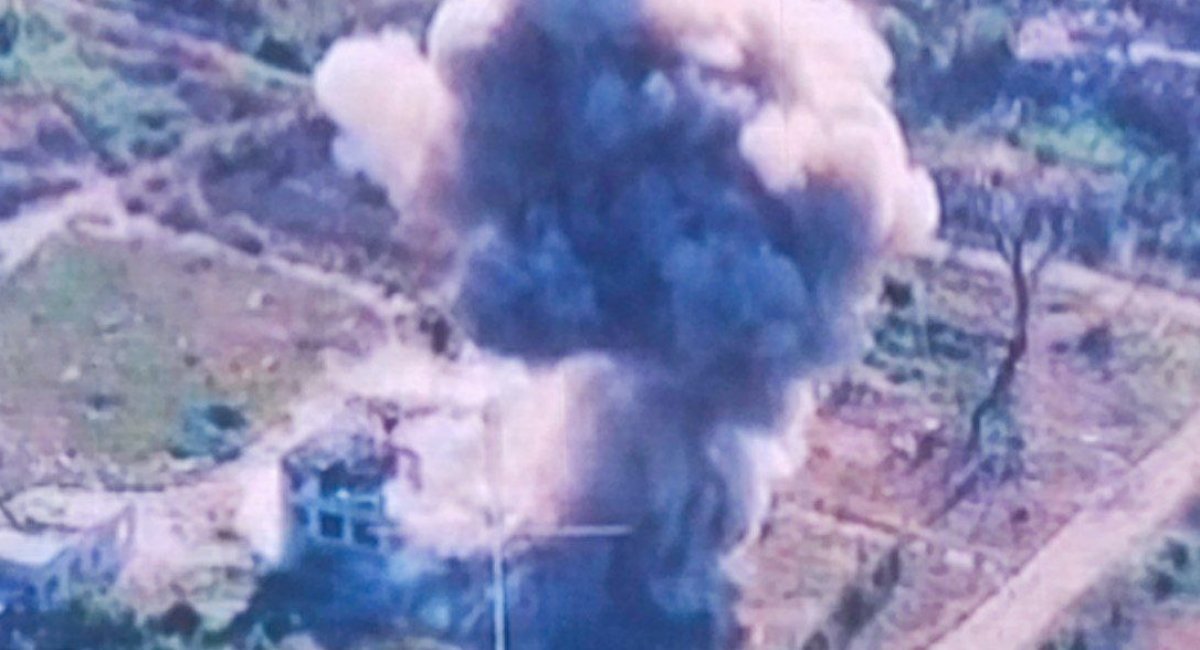
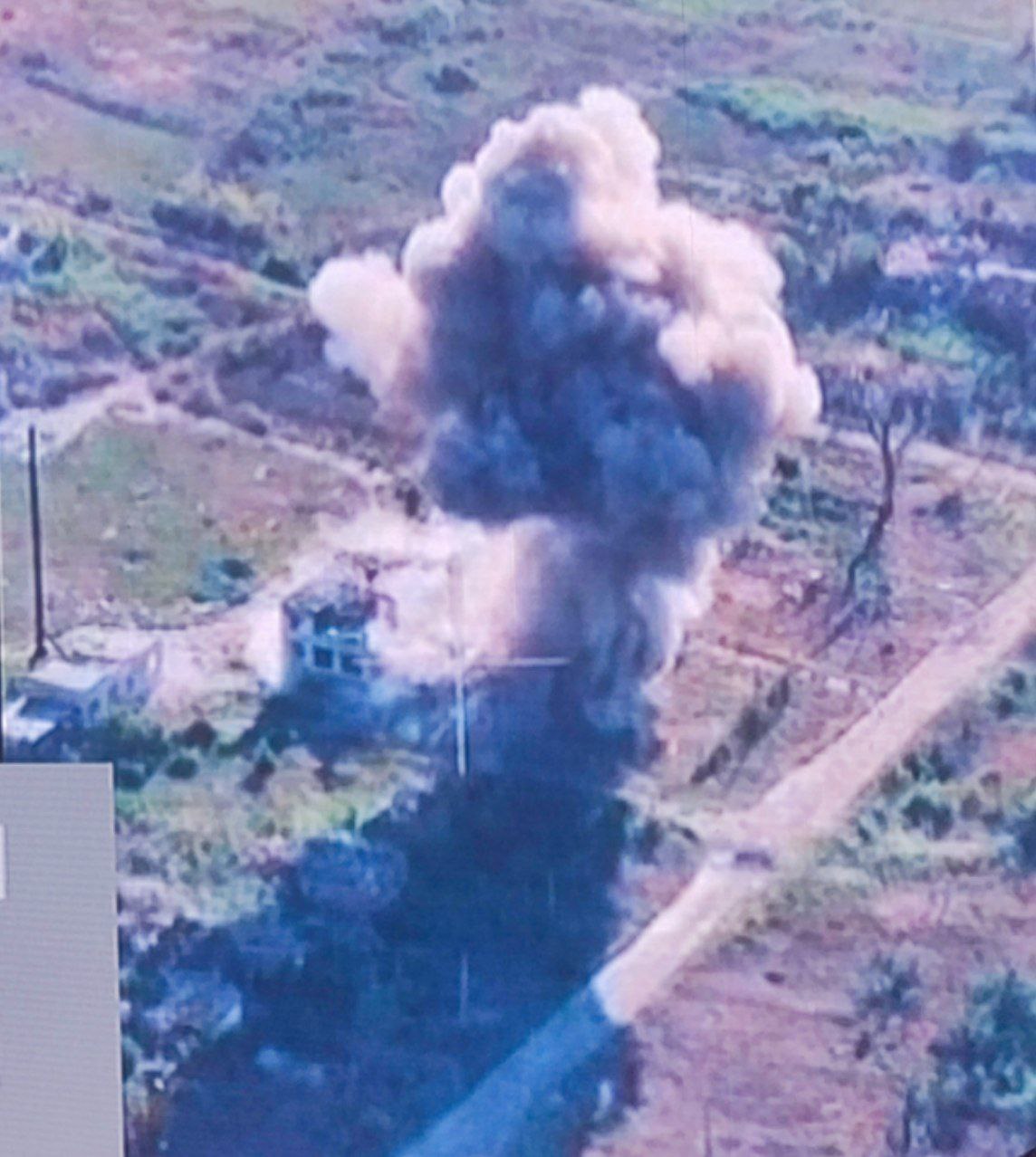
Warriors of the 100th Mechanized Brigade of the Armed Forces of Ukraine destroyed russian fortifications using a kamikaze UGV equipped with a FAB-250 aerial bomb. This raises an interesting discussion about the feasibility of such combat platforms.
During a presentation at the Fort Defense forum, a soldier known by the call sign Pole, who heads the brigade's UGV section, recounted the incident. According to him, an unexploded russian KAB, a guided bomb, had been mounted on a logistics robot.
Read more: Why More UGVs Will Appear on the Frontline and What Problem Robotic Systems Address
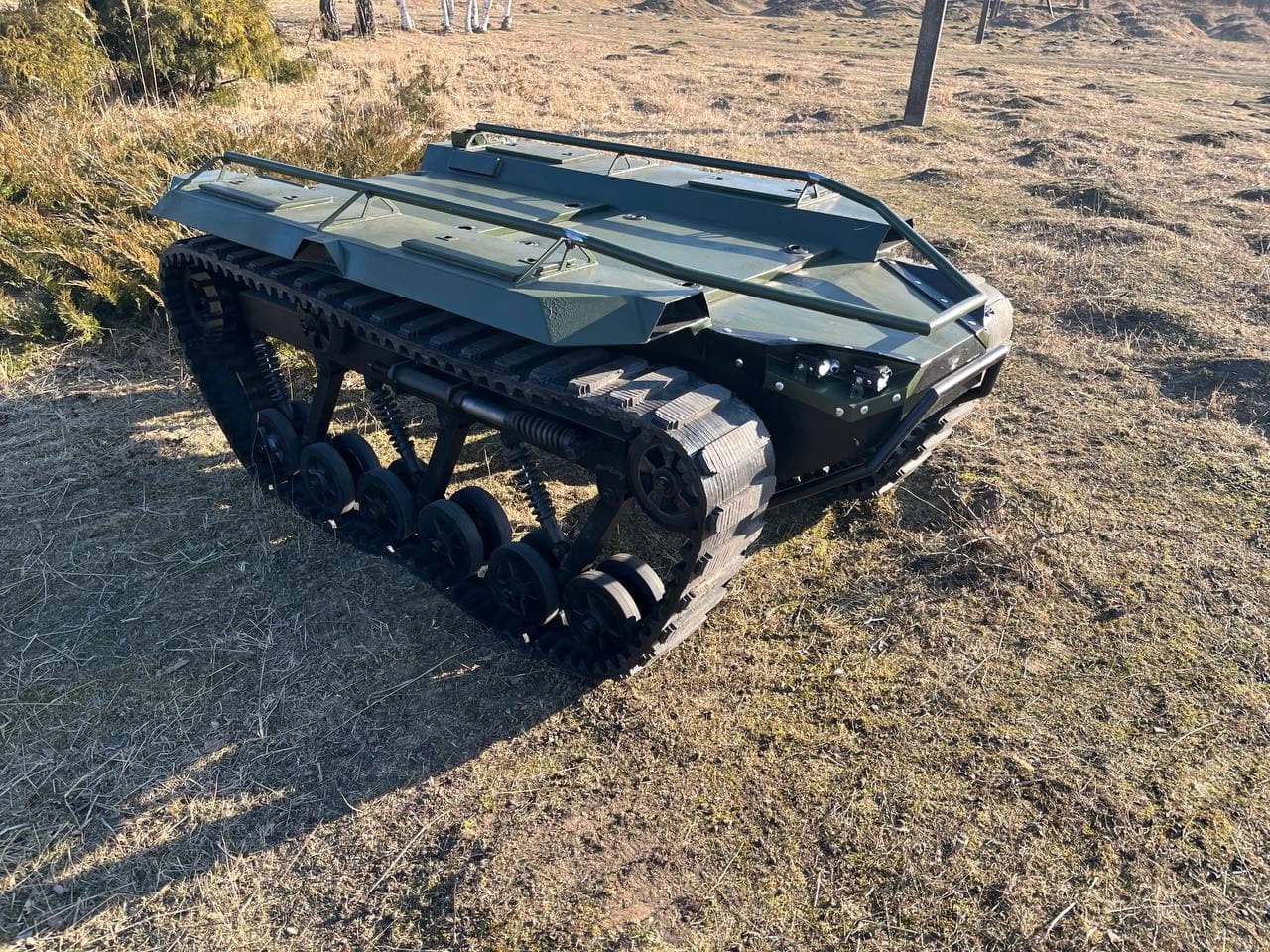
In other words, the "warhead" was captured, but the method of transporting it raised some questions. The discussion revolved around the cost-effectiveness of turning a high-value logistics platform into a disposable kamikaze asset.
Since the FAB-250 weighs approximately 250 kg, a UGV with the corresponding payload capacity would cost at least 500,000 UAH, and more likely over 700,000–800,000 UAH. An additional 100,000 UAH would be required for field modifications to enable operational use.
In other words, the cost of a single strike on an enemy position could reach one million hryvnia or more. That comes out to roughly $20,000–25,000, which is less than a single APKWS rocket costing about $30,000.
While this is not especially costly, a comparable strike delivered by aircraft would require a bomb or a precision guidance kit priced at $20,000–40,000. This figure does not account for the cost of the sortie or the risk to the aircraft from enemy air defense systems.
A UGV enables a warhead to be delivered to the target and detonated there, allowing strikes against vulnerable points in the enemy defenses. While a UGV is more vulnerable to interception by enemy infantry and drones, effective camouflage can help mitigate this risk.
Some military personnel emphasize that completing such a mission may justify the resources expended, particularly when other means are difficult or too risky to employ. Therefore, kamikaze UGVs make sense, albeit within a narrow niche that remains inferior to FPV drones in terms of mass production.
Read more: Ukrainian Raybird UAV Conducts Undetected Reconnaissance in the UK, Signaling Joint Production Plans