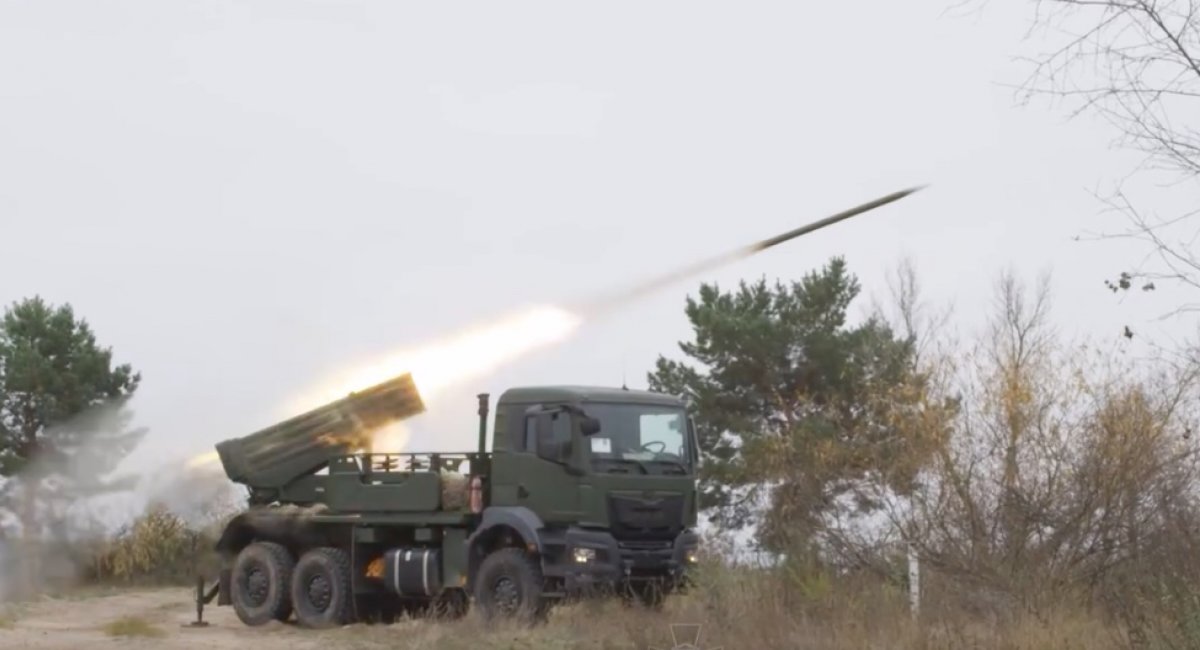
Artillery units of the National Guard of Ukraine have conducted training exercises using a modernized BM-21 Grad multiple launch rocket system, incorporating a new chassis and digital fire control technologies. The exercises were showcased in a video released by the brigade of the National Guard, highlighting ongoing efforts to adapt legacy Soviet-era systems to modern battlefield requirements.
The upgraded Grad variant is mounted on MAN chassis, replacing the original Soviet truck platform. This change significantly improves mobility, reliability, and crew ergonomics, particularly under sustained operational conditions. The new chassis also enables the transport of additional ammunition, extending the system's operational autonomy during combat missions.
Read more: France Debates Three More Warships Four Options From 4,500-Ton FDI To 14,500-Ton Destroyer
A key element of the modernization is the introduction of electric drives and a digital fire control system. These upgrades substantially reduce deployment and targeting time, allowing the launcher to transition more quickly from movement to firing. Faster reaction times are critical in counter-battery environments, where survivability depends on minimizing exposure at firing positions.
The digital fire control system improves targeting accuracy and streamlines coordination within artillery units. By automating several processes that were previously manual, the system reduces the likelihood of human error and increases the overall effectiveness of fire missions against designated targets.
Another important feature is the capability for remote operation. This allows crews to conduct firing procedures from safer, covered positions, limiting their exposure to enemy counter-fire, drones, and loitering munitions. Reduced time spent at firing sites also enhances the survivability of both personnel and equipment.
During the training, the artillery crews practiced the full combat cycle, including preparation, firing, and rapid relocation. This shoot-and-scoot approach reflects lessons learned from ongoing combat operations, where speed and adaptability are essential for artillery units operating under constant surveillance.
The MAN-based platform also offers growth potential, including the integration of electronic warfare systems. Such capabilities could enhance protection against enemy UAVs and electronic reconnaissance assets, further increasing the system's resilience on the modern battlefield.
As Defense Express previously reported, Ukraine, in cooperation with Germany, is expanding the production of the Linza multi-purpose unmanned aerial vehicle, a system designed to combine tactical reconnaissance with strike capabilities on the battlefield. The initiative was announced by the Ministry of Defense of Ukraine and reflects a deepening industrial partnership between the two countries.
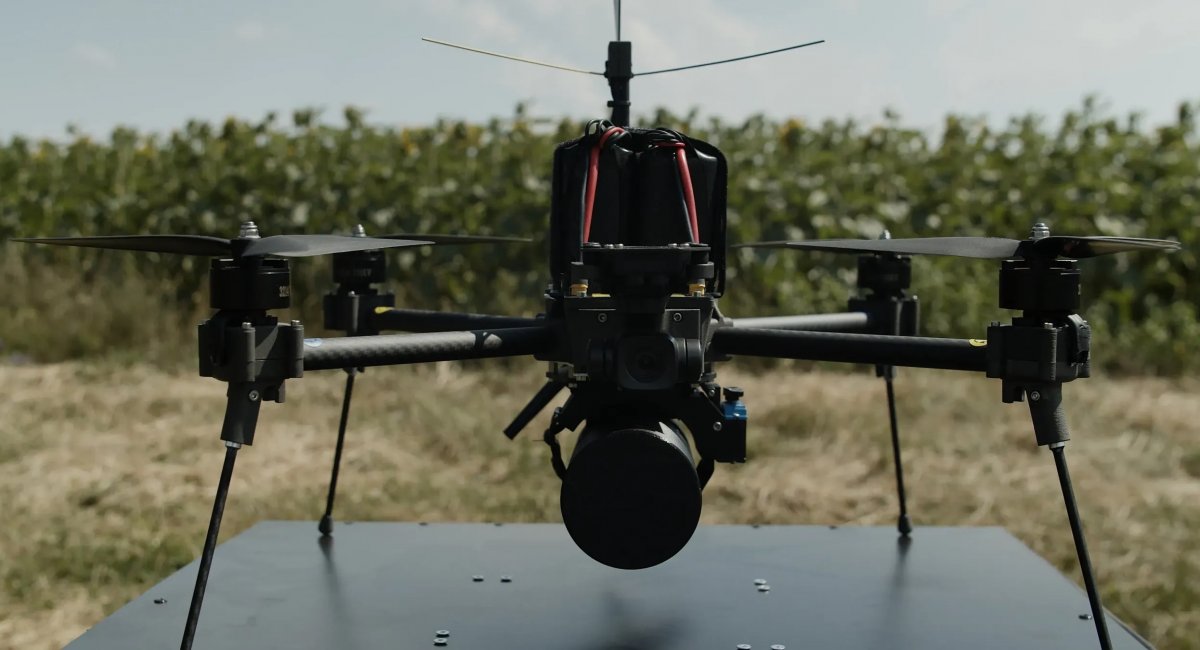
Read more: Multi-Purpose Linza UAV to Be Produced at Scale Under Ukraine-Germany Deal