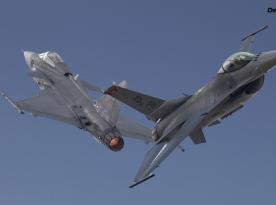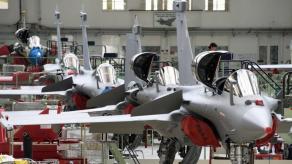



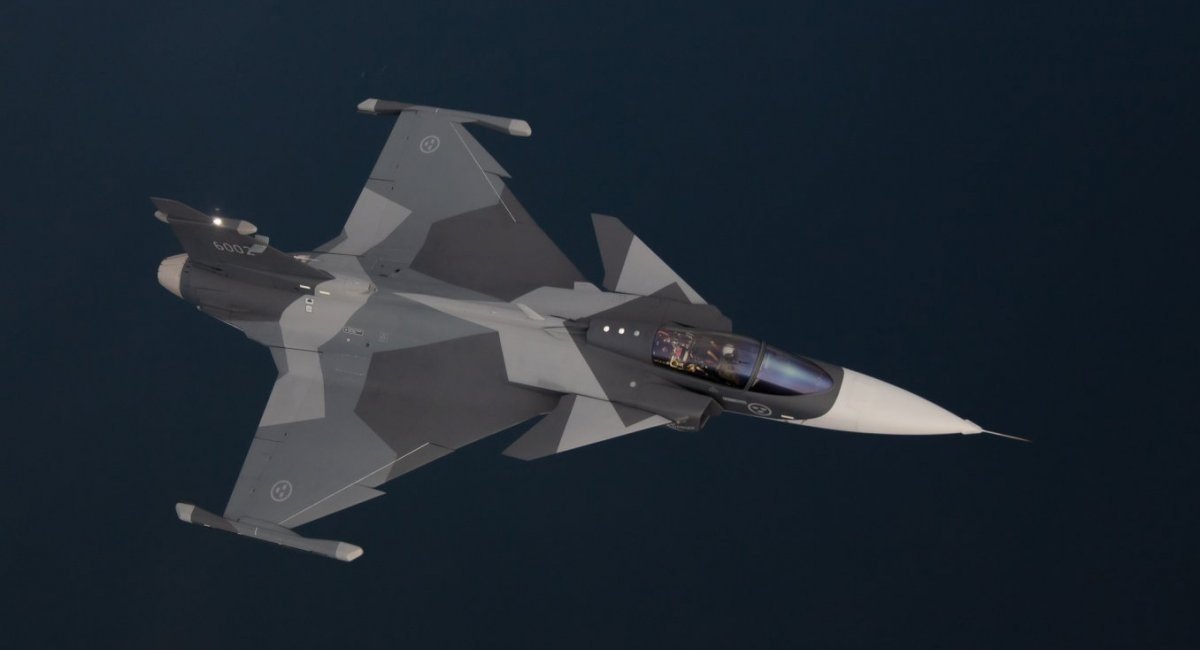
Amid Ukraine's potential Gripen purchase and interest from Canada, Sweden's Saab is offering its Gripen E fighter jets to the Indian Air Force. This is despite the fact that the country is already purchasing French Rafale and its own Tejas jets, as well as looking for fifth-generation aircraft.
This was announced at the Singapore Airshow by Mikael Franzén, Vice President and Chief Marketing Officer of Saab's Aeronautics Business Area, according to The Economic Times. At the same time, localization remains a key priority.
Read more: Spain Develops Upgrade for Meteor Missile Expected to Reach Ukraine, Making It Even More Lethal
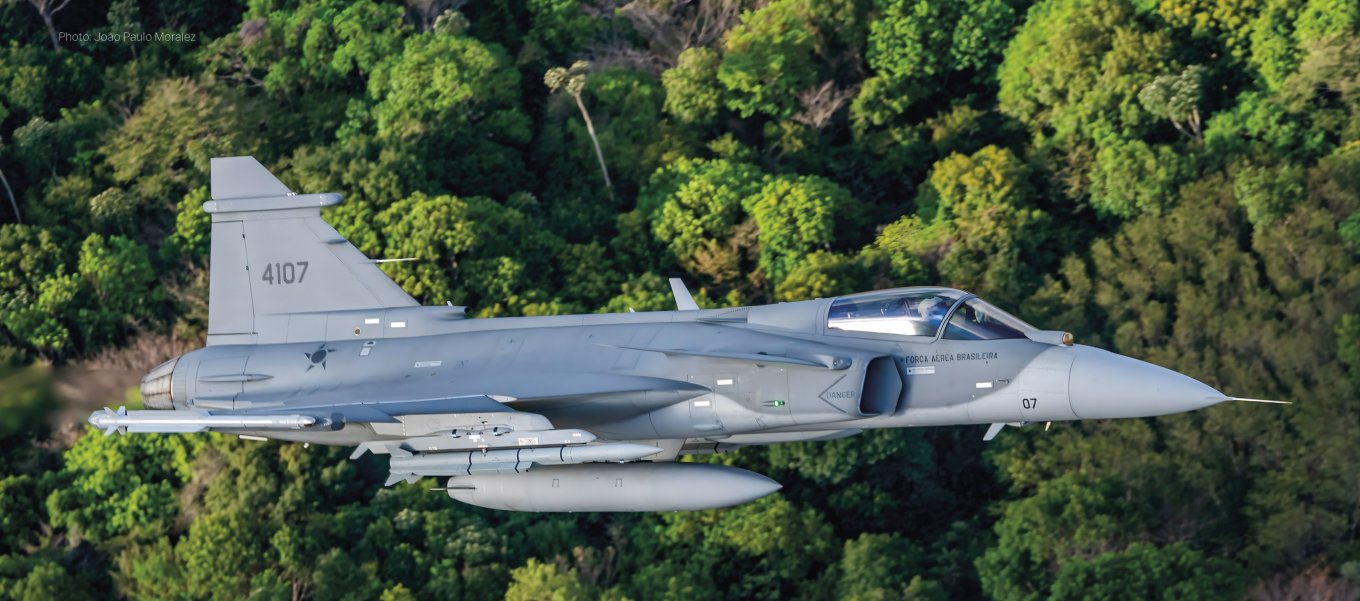
If the Swedish fighter jet is chosen, Saab could carry out "the largest transfer of technology and capabilities in aviation history." This initiative involves over 300 Indian companies of all sizes, including small and medium-sized enterprises.
This is not just about aircraft production, but about creating a separate infrastructure in India. In addition, the technologies and experience gained could be used to strengthen India's fifth-generation AMCA fighter program.
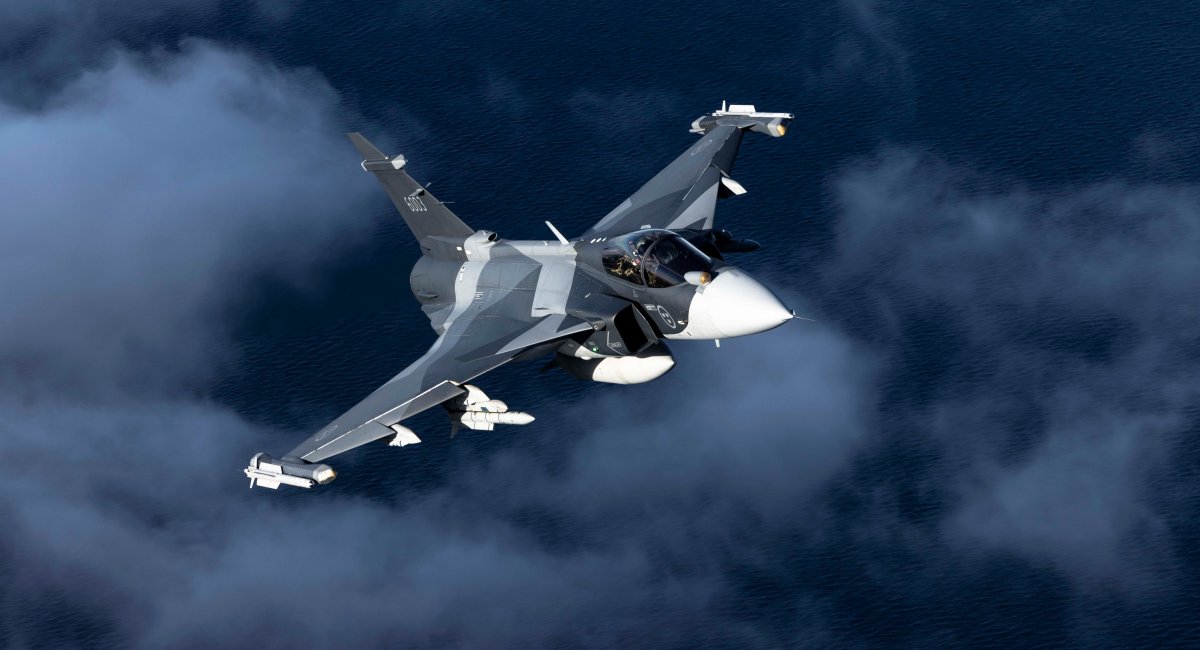
The Saab representative also says that Gripen can be delivered quickly and in large quantities to the Indian Air Force, filling existing gaps. He highlights that the aircraft can be upgraded and modernized without significant operational interruptions.
From Defense Express we would like to note that it is difficult to predict how successful this will be, given the high likelihood that India may simply purchase additional French Rafale aircraft instead of holding a tender. This will preserve the uniformity of the aircraft fleet and achieve localization.
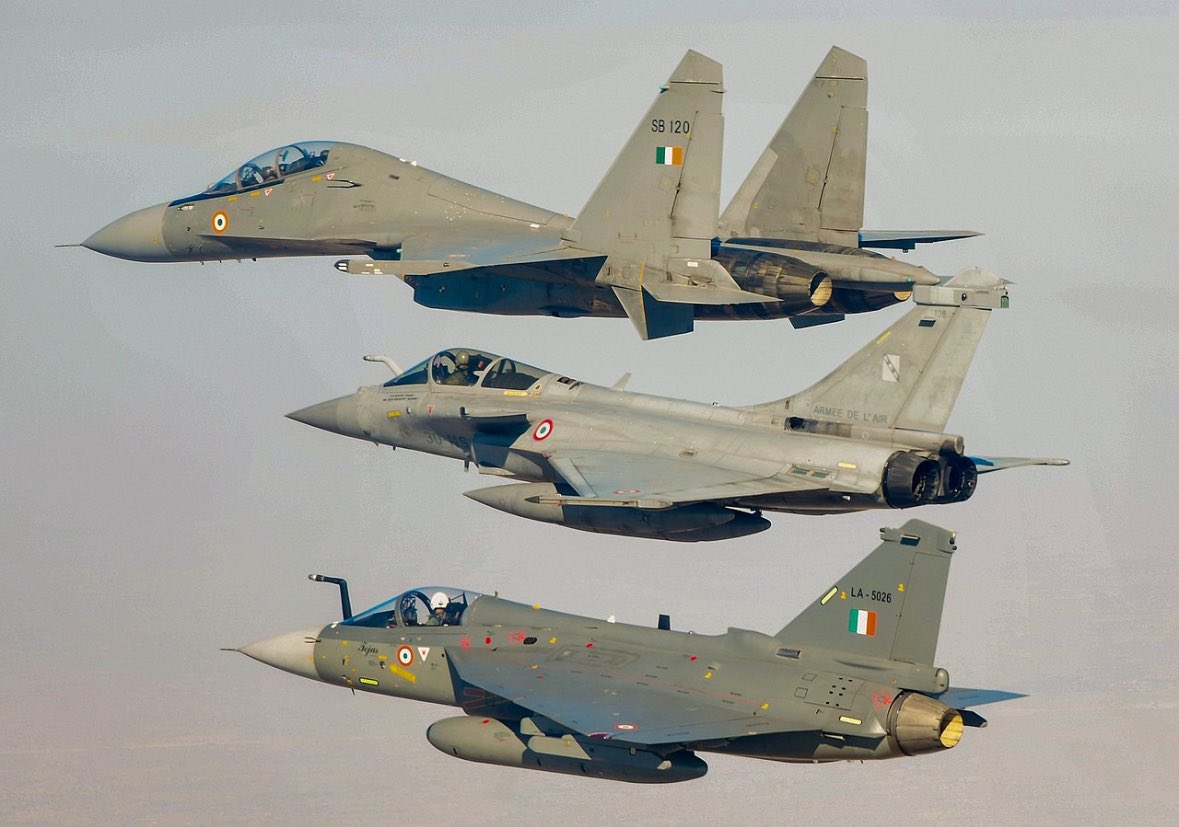
In addition to transferring technology, Saab can also take advantage of the fact that American F414 engines, which are installed on both the Gripen E and Indian Tejas, are also being localized. However, this could have a negative impact, as their manufacturer, General Electric, is currently facing ongoing supply disruptions, limiting deliveries to the military.
It should be noted that Sweden has a relatively limited fighter production capacity. The Indian deal will eventually increase production, but it will take time, meaning significant deliveries cannot be expected soon.
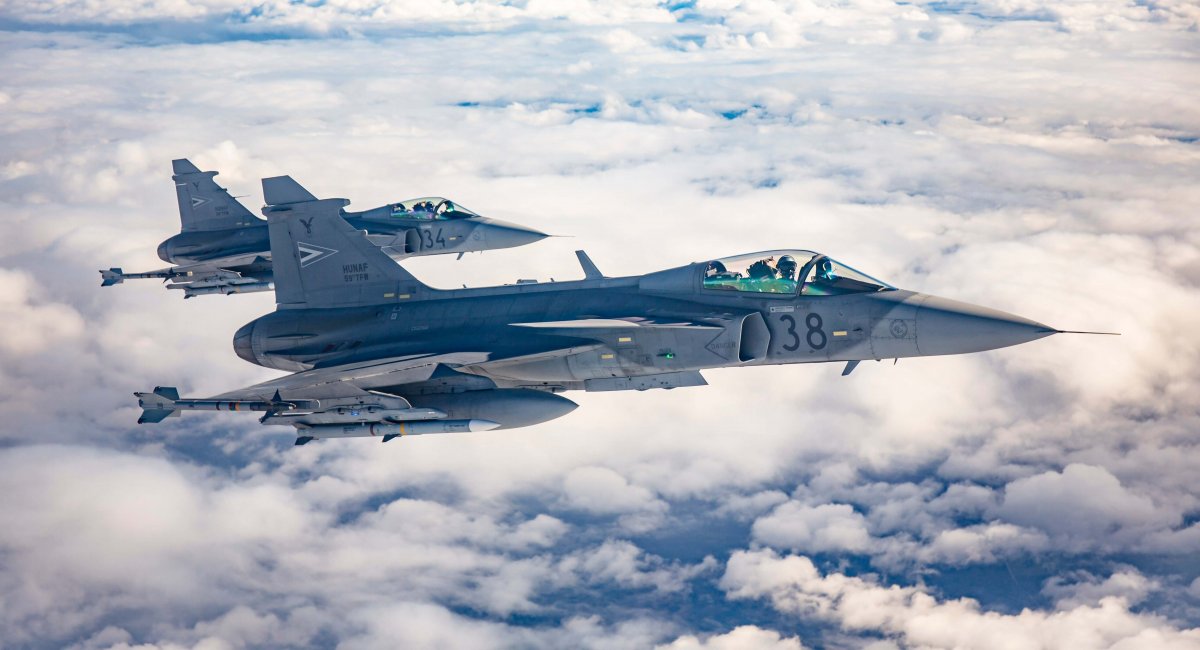
India currently has a fleet of over 500 fighter jets of various origins, but this is considered insufficient, so it is planned to purchase another 250. It includes the 4+ generation niche, with aircraft like the Rafale and Tejas, and the 5th generation, where russia is promoting the Su-57.
The Indian deal is unlikely to significantly affect Ukraine's acquisitions, given the competitive environment. However, the final outcome remains uncertain, and Saab may still succeed.
Read more: U.S. Delivers New F-35 Fighters Without Radars Due to Upgrade Delays, Mounting Issues