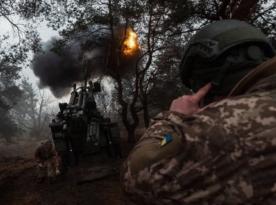



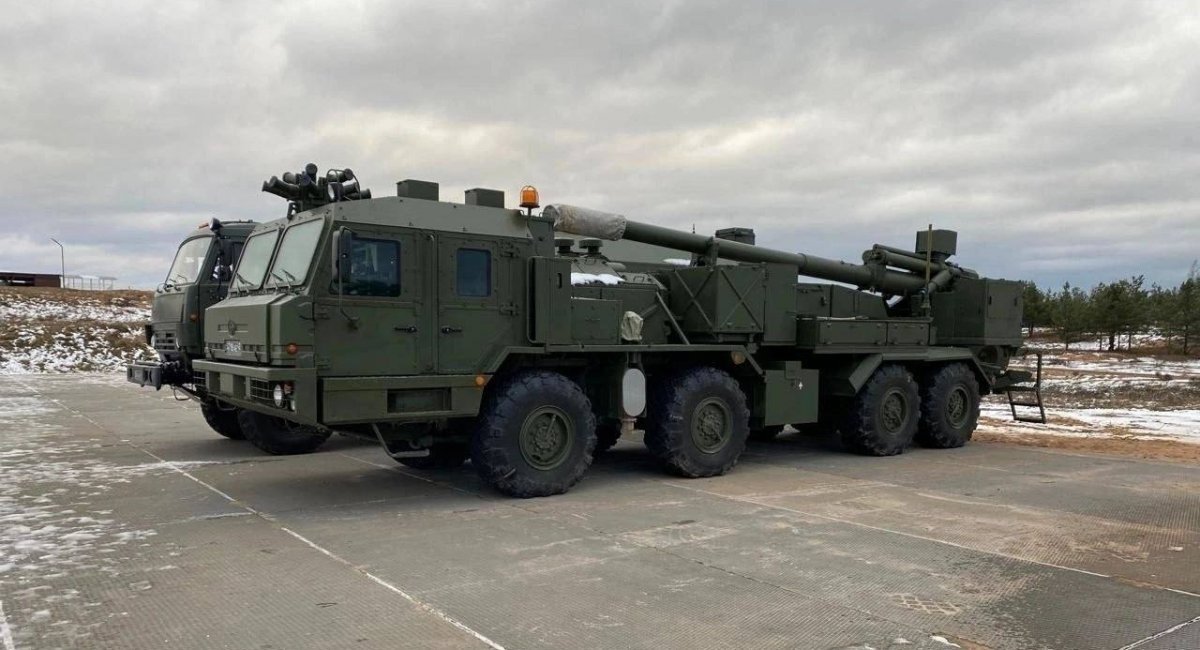
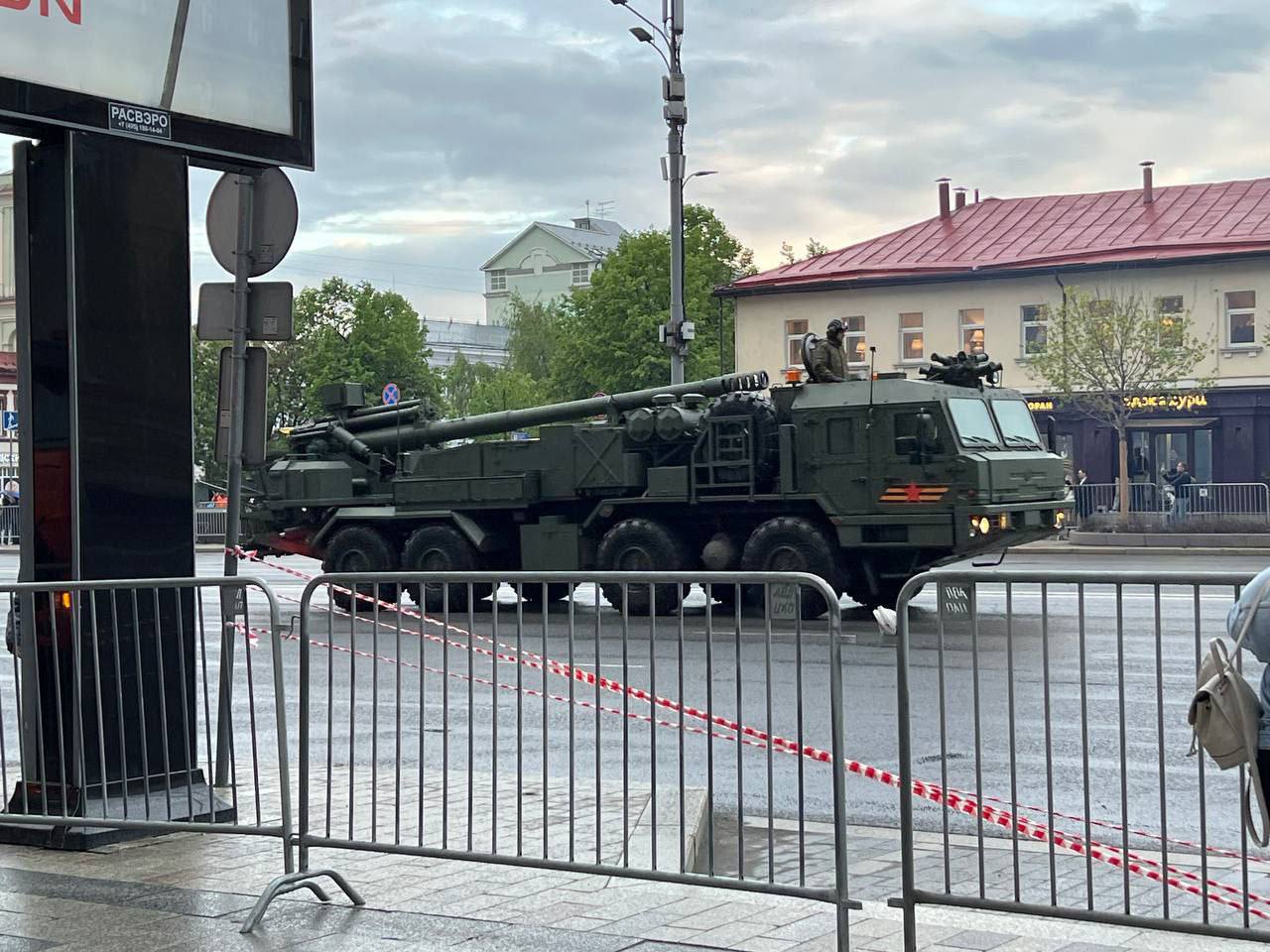
russians are copying the Ukrainian Bohdana self-propelled howitzer in developing their 152 mm wheeled 2S44 Giatsint-K. They plan to manufacture 36 units in 2026 and integrate them into their own analogs of the Kropyva combat control system.
Defense Express learned this from its own sources. At the same time, the artillery systems are being upgraded, improving software and fire-control algorithms to increase accuracy.
Read more: russians Create True Uncrewed Mini-Solntsepyok, but Its Effectiveness Is Highly Questionable
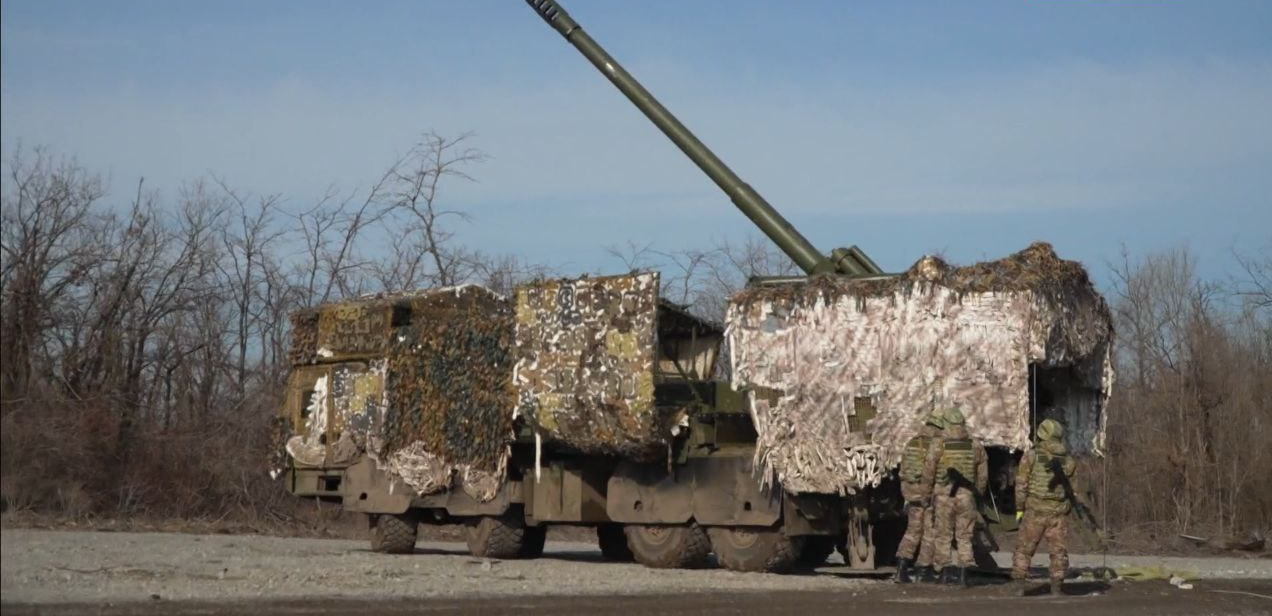
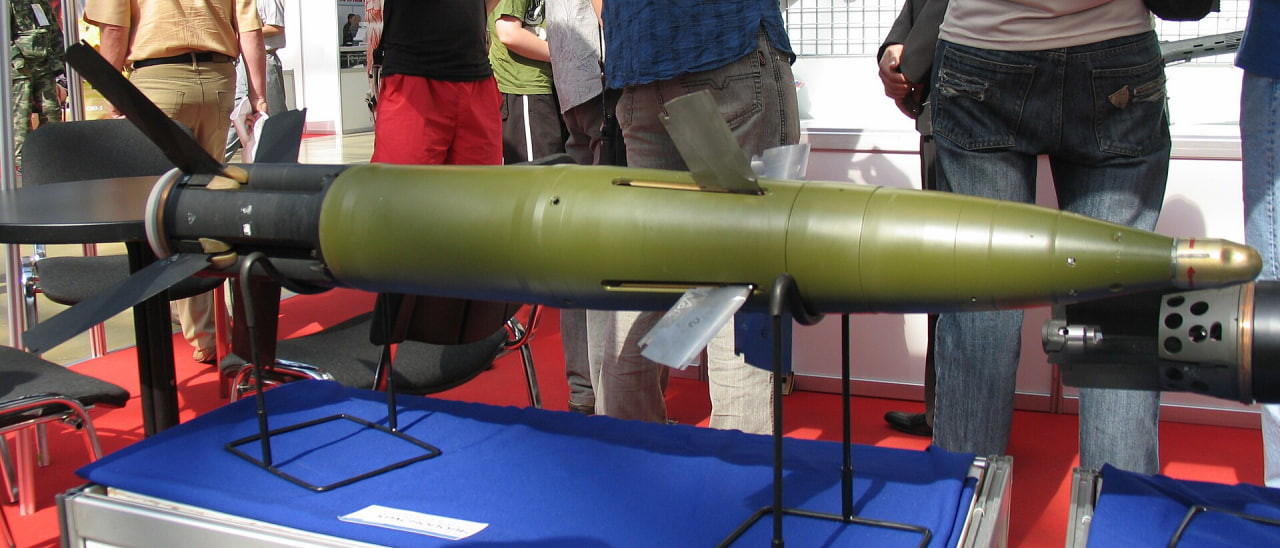
Integration is also underway with decision support systems like Krugozor and Lis, alongside tools for using guided artillery ammunition. This likely indicates full support for the employment of Krasnopol guided artillery shells, significantly easing target designation.
These systems are analogs to Ukraine's Kropyva and Delta systems. They enable the sharing of data on friendly and enemy positions as well as support targeting calculations.
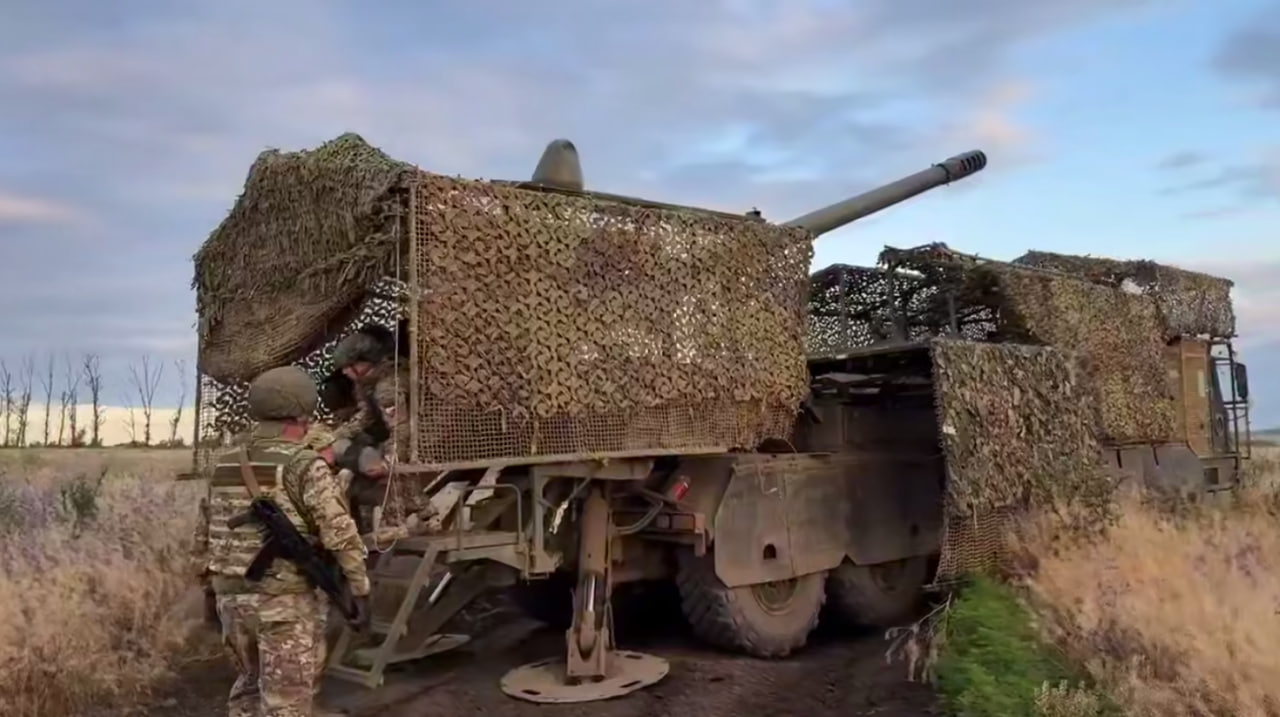
Such tools reduce the time needed to open fire, facilitate counter-battery warfare, and generally improve situational awareness. They are actively used to support the Bohdana howitzer.
As for production, from February to August 2026, 36 artillery kits with 2A36 cannons will be assembled at the facilities of OVK LLC in Omsk. Then, at the facilities of the Burevestnik Research Institute, which is the project developer, they will be installed on a full-fledged 2S44 self-propelled howitzers, which is essentially a wheeled variant of the Giatsint-B.
It is planned that by the end of May 2026, the first batch of 12 Giatsint-K systems will already be manufactured and tested. For comparison, the planned production of these systems for 2025 was 18 units. This is still significantly less than Bohdana, but it raises concerns.
Currently, there is no information indicating that Russia has resumed production of 2A36 barrels, meaning components for new self-propelled howitzers are being sourced from storage bases holding towed Giatsint-B guns. Therefore, it is unknown how long it will be possible to increase and maintain the pace of supply.
Far more concerning is the potential use of guided munitions, which would enable high-precision strikes against the positions of the Defense Forces of Ukraine. It is also important to integrate artillery systems into the decision support system, which will increase accuracy, coordination between units, and the time needed to open fire after locating a target.
It should be noted that the maximum range of the Giatsint-K, depending on the type of ammunition used, ranges from 28.5 km to 42.5 km. The system weighs 36.4 tons, has a crew of five personnel, and carries 20 rounds of ammunition.
Read more: russia Develops Unified UAV Ecosystem with Lancet-Like Loitering Munition and 500 km/h Jet-Powered Strike Drone