


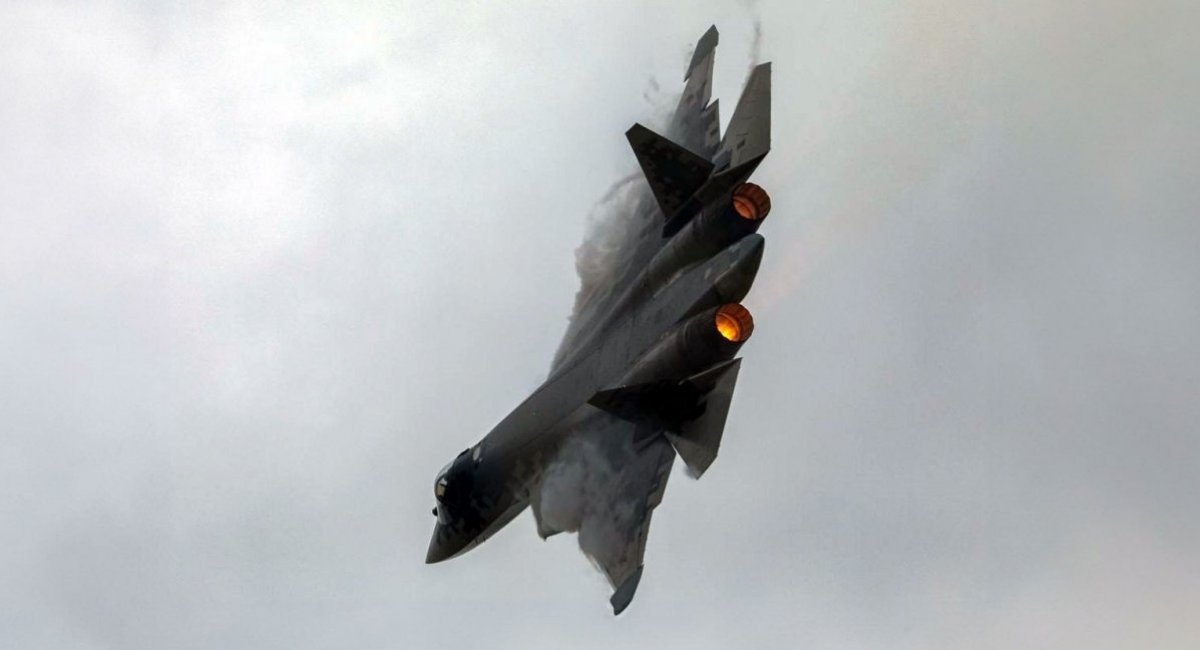
According to Sergei Bogdan, chief test pilot of Sukhoi, russia's Aerospace Forces may continue operating the Su-57 for another 20 to 30 years. He noted, however, that the aircraft "will remain in testing" throughout its service life.
This, he claimed, will be necessary whenever new weapons are integrated onto the aircraft, requiring additional test flights to verify "maneuverability, stability, and structural strength."
Read more: Leaked Data Reveals russian Su-57, Su-35, and Su-34 Jet Orders by Iran, Algeria, and Ethiopia
A look back at the fighter’s development history explains the long timelines. The Prospective Airborne Complex of Frontline Aviation (PAK FA) program began in spring 2001, with a dedicated state program approved in December 2002.
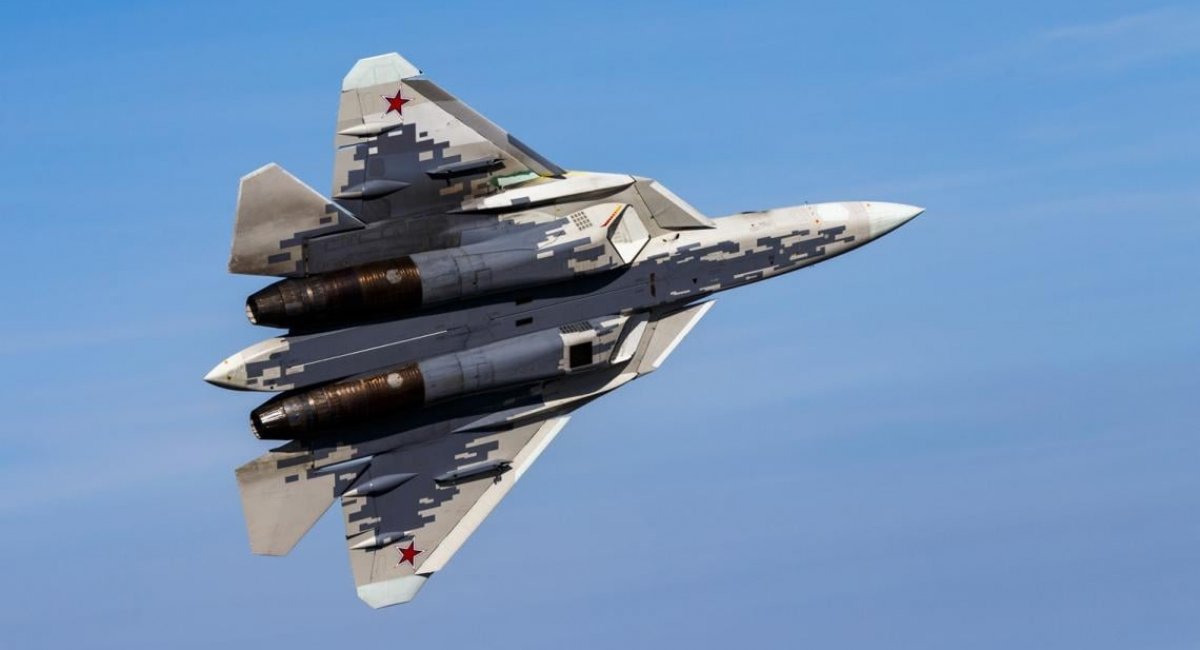
A full-scale mockup of the aircraft was first shown in 2004. The first flight of the initial prototype, the T-50-1, took place in early 2010. In total, ten prototypes were produced under the experimental batch.
In August 2017, the fighter officially received its Su-57 designation. Its entry into service, however, was repeatedly delayed. russia claimed to have begun serial production in 2019, and in 2020 the first serial aircraft was formally accepted into service.
Earlier, Defense Express reported how long it might take russia to develop a JASSM analog for the Su-57, given that work on the Kh-101 cruise missiles for the Tu-95MS stretched for more than 20 years.
Read more: russia Wants to Drag India into Su-57 Project and Counts How Much Money It Will Take