


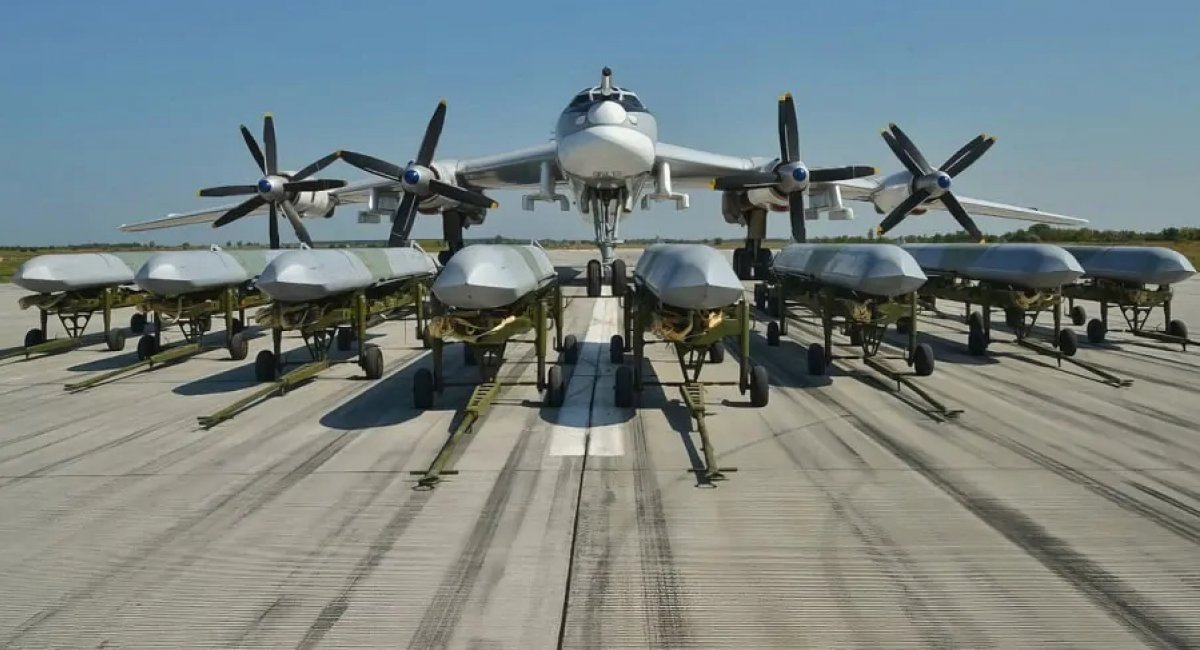
Allegedly, due to a shortage of Tu-95MS and Tu-160 strategic bombers, russia decided to develop a ground-based launch system for the Kh-101 cruise missiles, which is named the Kh-101P. This unconfirmed information was published by the Ukrainian monitoring channel eRadar, without citing a source.
This could enable missile launches without the usual telltale indicators, such as the movement of launch vehicles between air bases, activity on combat frequencies, or bomber takeoffs and approaches to launch lines.
Read more: Rare Target: Ukrainian Drones Destroy russian Iskander Launcher and Hit Missile Storage in Occupied Crimea (Video)
From Defense Express we would like to note that it is currently impossible to verify the accuracy of this information. However, from a technical perspective, this scenario is entirely possible.
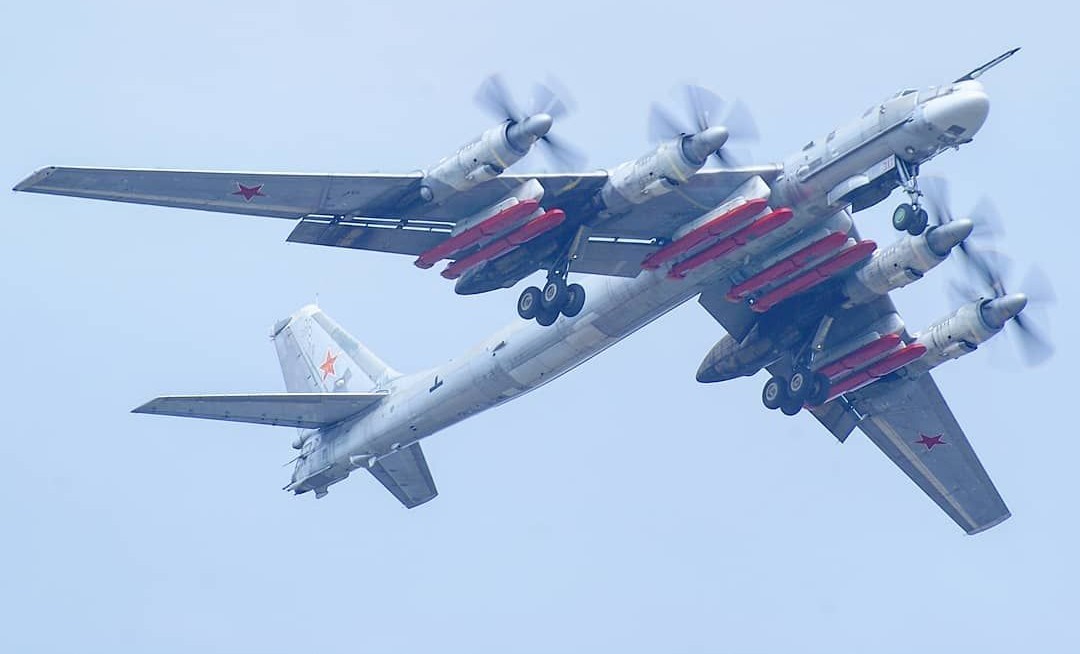
At first glance, the main difference between an air-launched and a ground-launched cruise missile is simply that the air-launched missile is released from an aircraft at a high enough speed to ignite its engine. The missile then deploys its wings and continues its flight autonomously. During a ground launch, the missile is accelerated and lifted approximately 100 meters into the air using a solid-fuel booster.
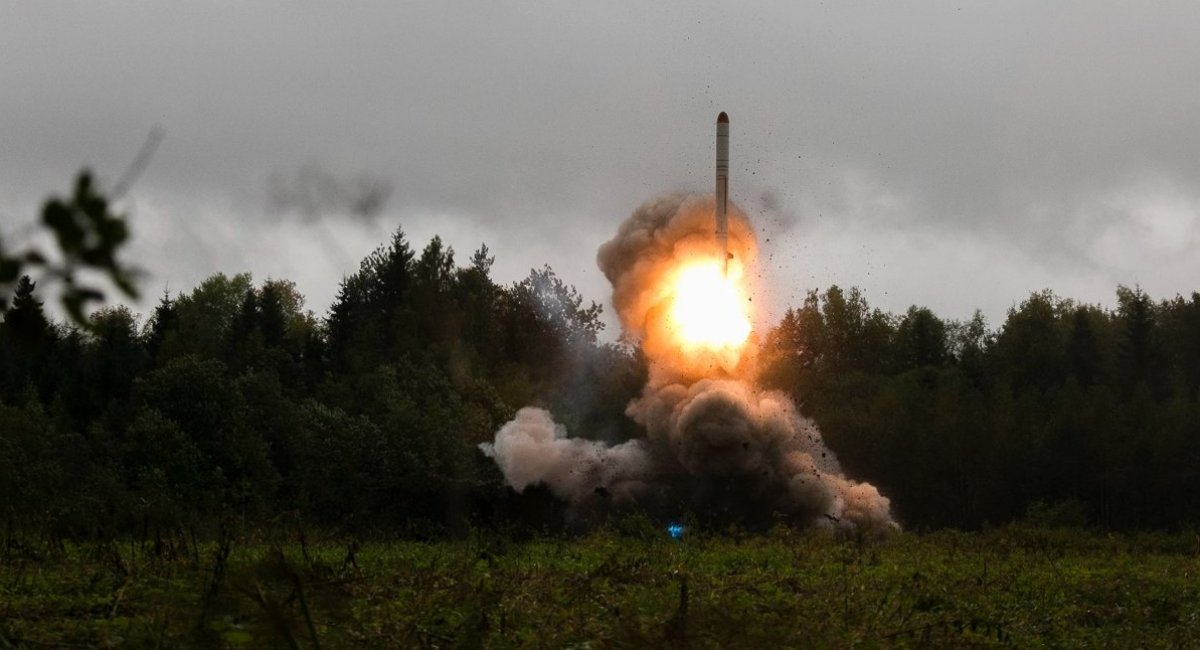
At first glance, it might appear that attaching a solid-fuel booster to a cruise missile would be sufficient. In reality, the situation is far more complicated.
Air-launched cruise missiles are structurally designed for specific load conditions, being suspended from multiple points on the fuselage and not intended to endure high g-forces during launch. By contrast, a ground-launched cruise missile experiences extreme g-loads as its solid-fuel booster accelerates it from zero to several hundred km/h in a matter of seconds.
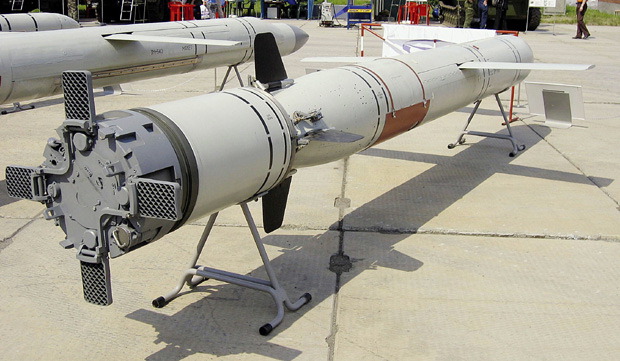
There is a significant difference between designing a cruise missile to handle all launch scenarios from the outset and adapting an existing missile for new launch conditions. The same principle applies in reverse; for instance, a Tomahawk cannot be launched from a B-52. At the same time, the Tu-95MS does not carry Kalibr missiles because the aircraft-based variant of the Kalibr was a separate development that never entered serial production.
Designed from the outset as a versatile missile, the American AGM-158C LRASM can be launched from aircraft, ships, or ground-based platforms. Although a booster-launched variant was possible, it was never ordered.
While unconfirmed, it remains possible that russia is actively engaged in adapting the Kh-101 for ground-based launch. The key question is whether this entails adapting existing Kh-101 missiles for ground-based launch or developing a new, versatile variant for potential production.
Read more: Ukrainian Intelligence Disables russian Slavyanin Ferry, Damages Avangard Vessel (Photos)