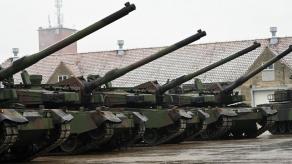
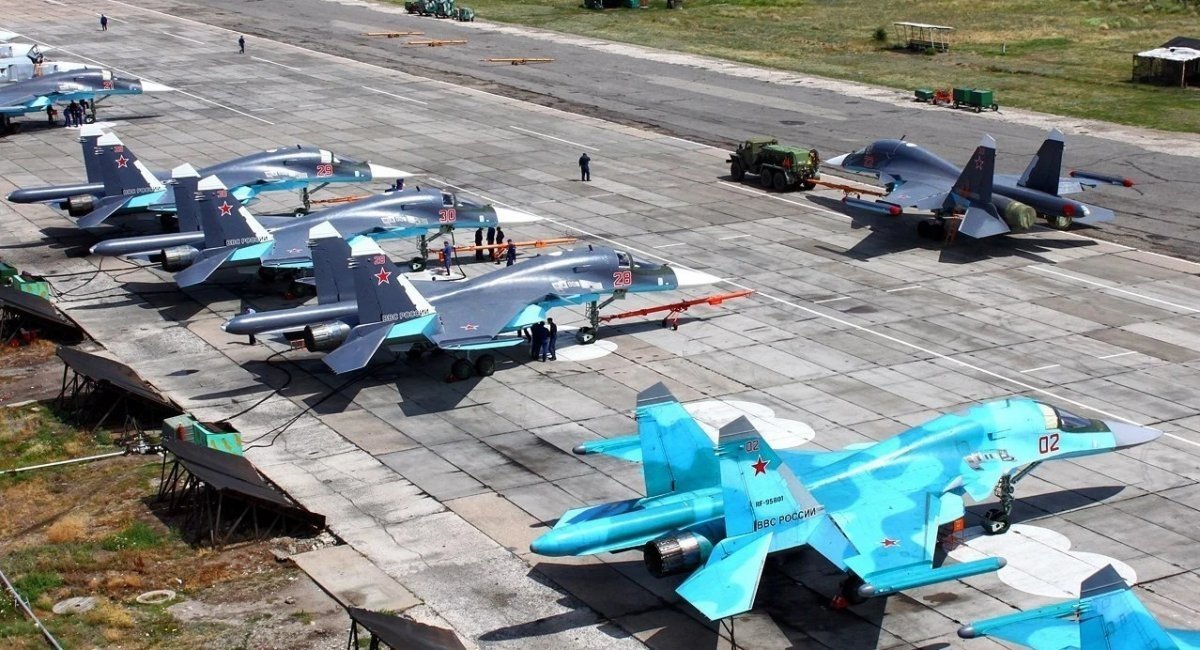
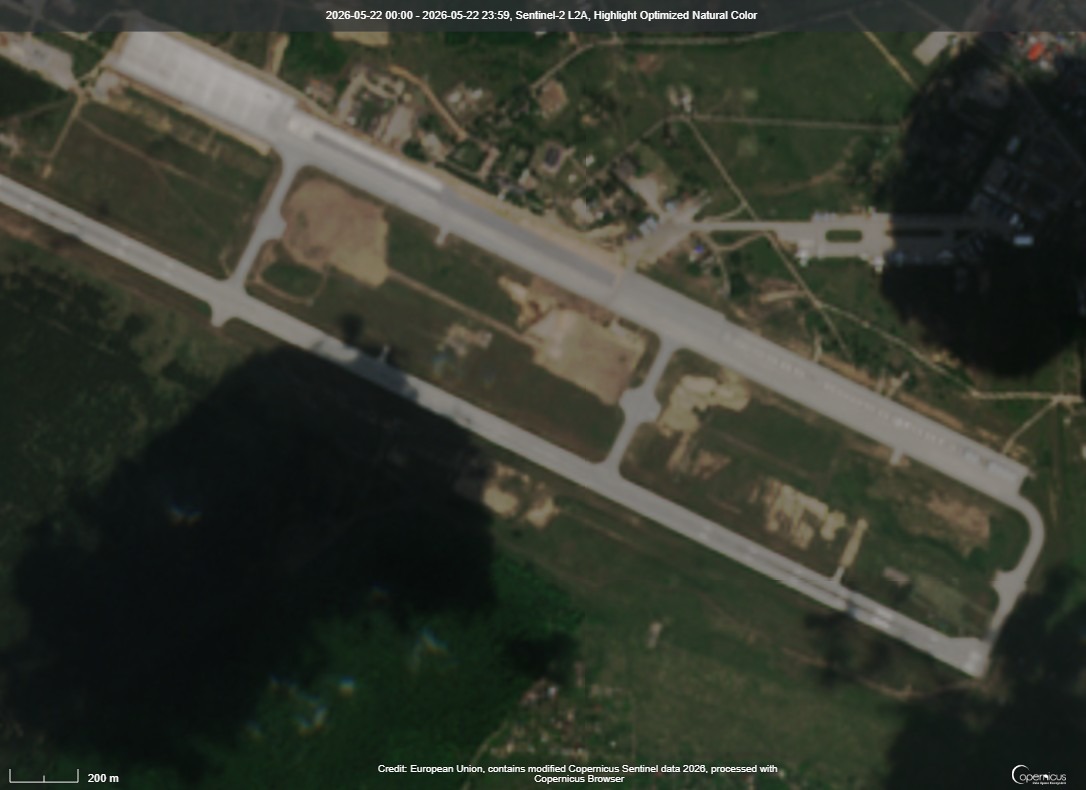
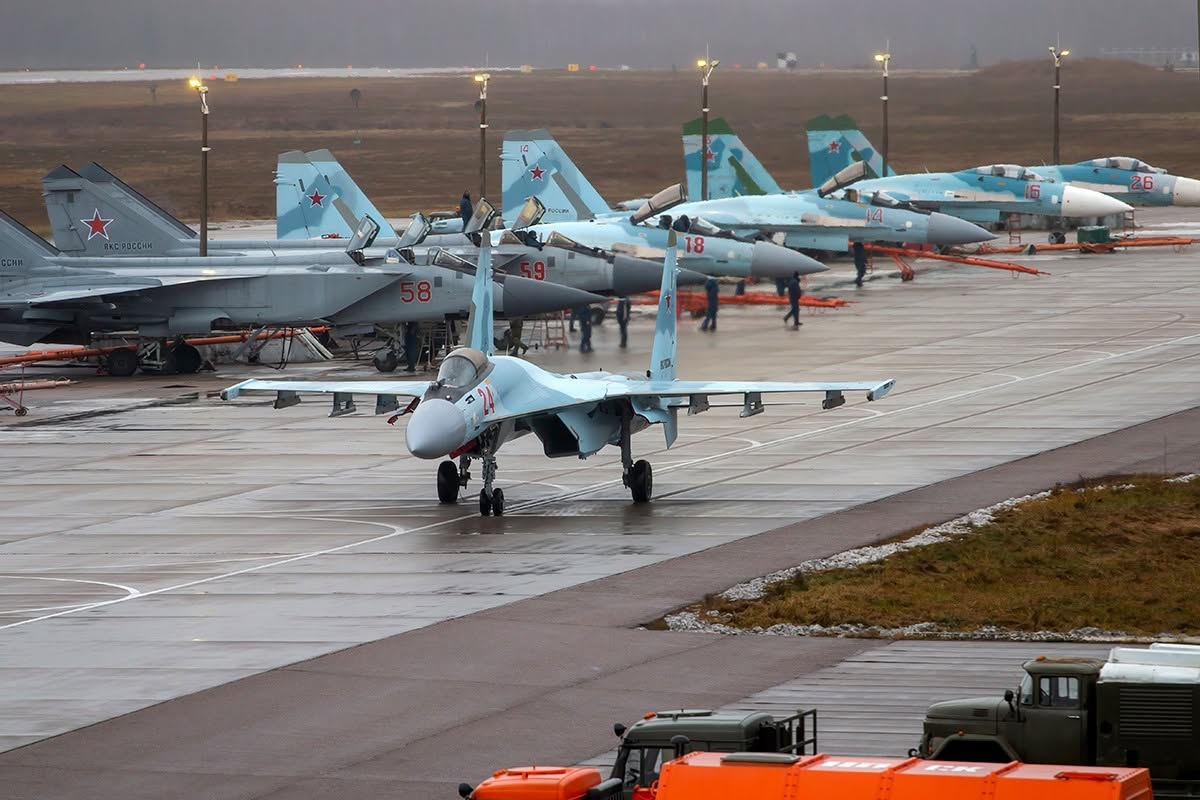
NATO Allied Command Transformation and the NATO-Ukraine Joint Analysis, Training and Education Centre have launched Persistent Airfield Denial, a new defense innovation challenge with a €250,000 prize pool. Its goal is to find a solution for "long-term restriction of the adversary's use of airfield infrastructure and aviation assets."
The proposed solution must demonstrate the ability to destroy aircraft, runways, fuel and lubricant storage facilities, ammunition depots, ground infrastructure, and other critical assets. The solution may employ any technology or architecture, or any combination of both, provided that the primary requirement of operational effectiveness is met.
Read more: Ground Strike and Air Defense From One Launcher: What HIMARS FLEX Upgrade Actually Changes
These may include, but are not limited to:
- drones of any class and range;
- autonomous or semi-autonomous loitering munitions;
- swarm solutions;
- alternative methods of delivering munitions, not limited to aerial platforms.
However, any solution must ensure:
- the ability to engage targets at significant ranges;
- the ability to operate in electronic warfare conditions;
- the ability to operate without communication with the operator or satellite navigation;
- the ability to operate in any weather and at any time of year.
It must also be a rapidly deployable, practical solution, ready for implementation within 12 months after testing is completed.
The Technology Readiness Level (TRL) should generally be between 5 and 7, corresponding to the prototype stage, with a target delivery timeframe of six weeks for an initial minimally functional version. The call for proposals will remain open until July 20, 2026, after which selected finalists will be required to present their solutions.
Similar competitions organized under the auspices of NATO have been held to develop solutions for countering guided bombs and fiber-optic drones
Read more: Detecting Drones Is Key APS Weakness — Rheinmetall Integrates Spanish NEMUS AESA Radar Into StrikeShield to Track Targets From 10 m/s to 2,000 m/s