One of the key factors in the effectiveness of cruise missiles is flight path planning, which must take into account precise target coordinates, enemy air defense systems, and terrain. Specialized computer centers are typically used for this purpose, and the time required to develop a flight path can be measured in hours or even days.
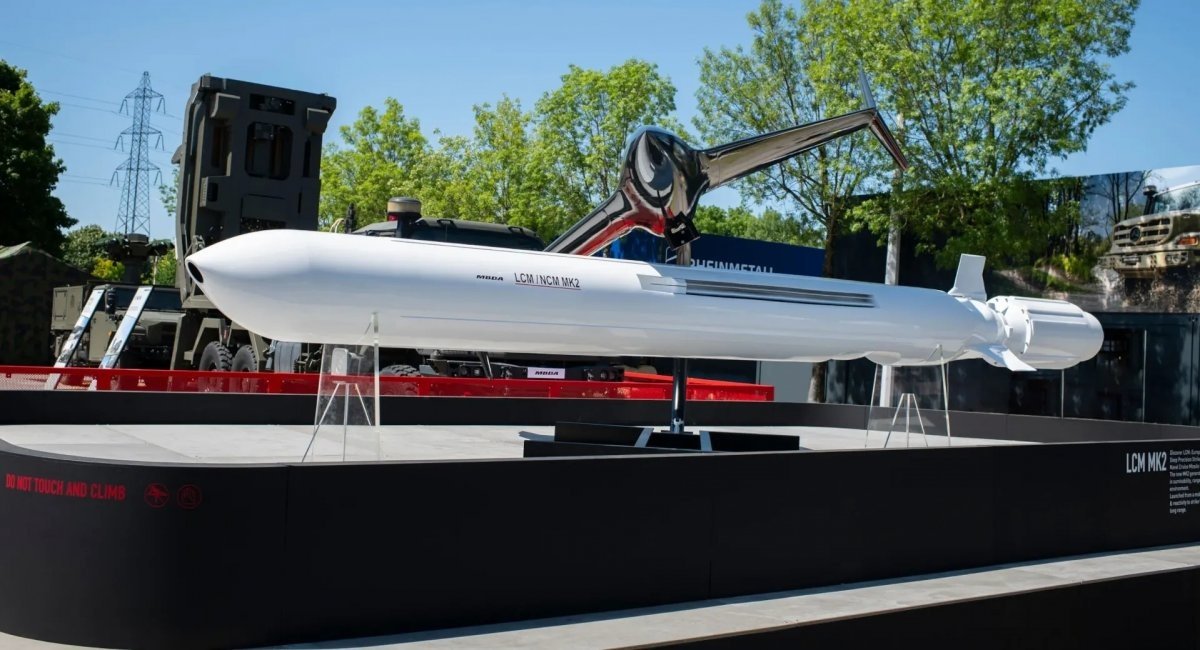
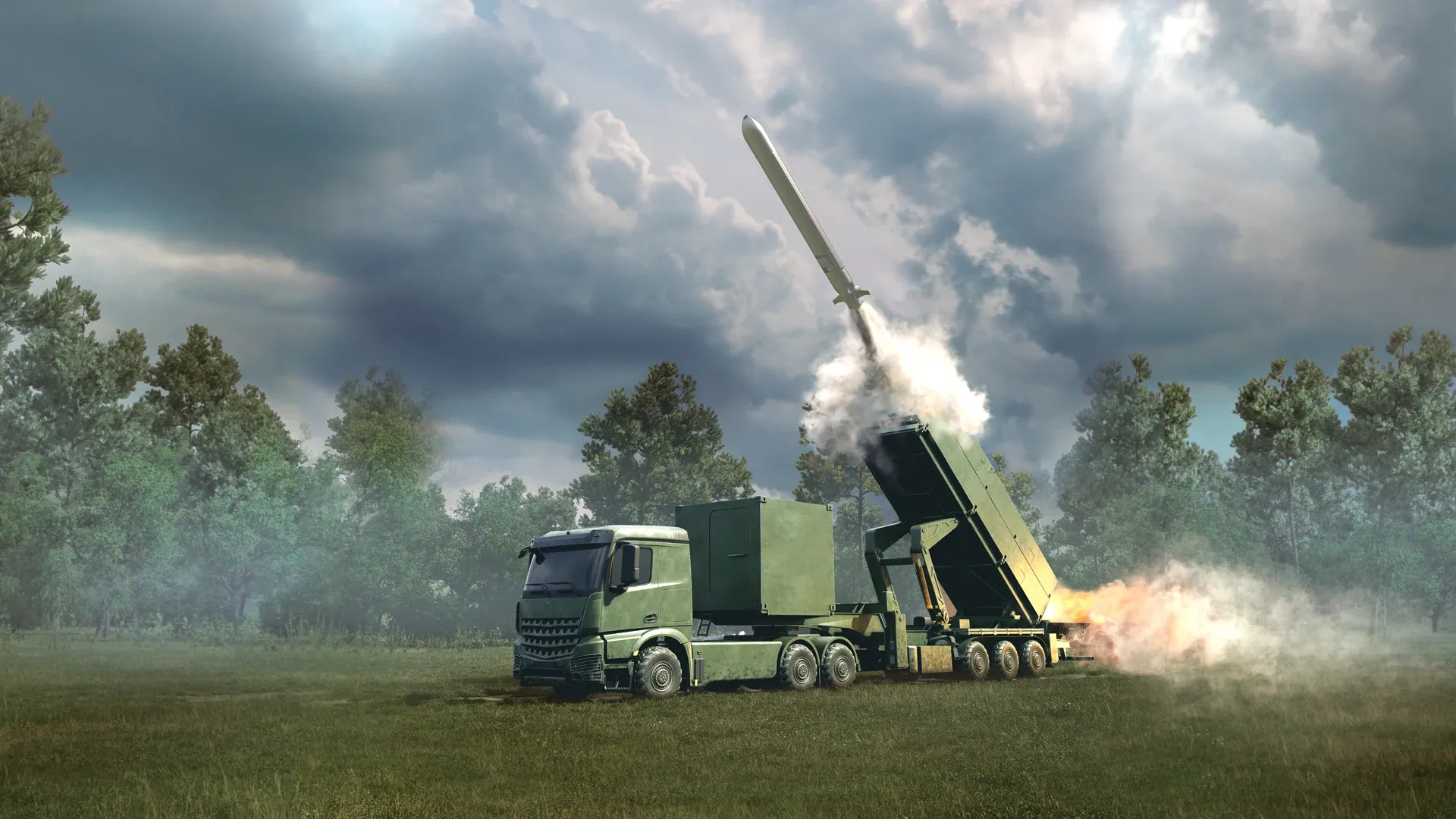
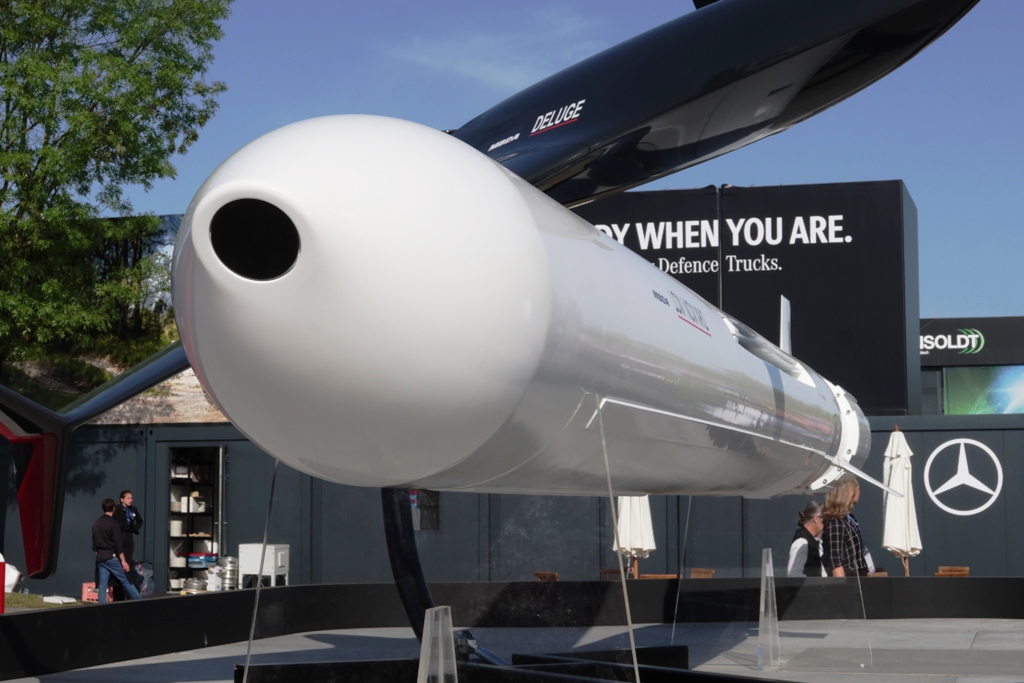
However, MBDA has a solution that reduces the time required to complete this task to a matter of minutes. It was demonstrated at the Eurosatory exhibition in Paris a week ago, where the Land Cruise Missile (LCM) —Europe's analog to the Tomahawk, which has yet to receive any orders—was also showcased.
Read more: New AGM-158 XR Could Outrange Tomahawk Missile and Is Set for Its First Flight This Year
A demonstration of the system, called FastTrack, was conducted for EDR. After receiving the target's coordinates and type, the system integrates data on terrain and weather, as well as intelligence on the location and type of enemy air defense systems, and determines the number of cruise missiles assigned to the strike. Flight paths are planned to enable coordinated strikes with intervals of less than 30 seconds.
Thanks to the use of advanced artificial intelligence algorithms, the system automatically calculates routes. It then presents the operator with the best options, indicating the estimated percentage of time the missile is expected to remain undetected by enemy systems.
Overall, the demonstration included the creation of three flight missions, each generated within minutes. The first was to engage a train that had stopped at a station, which required a rapid response. The second scenario involved engaging a stationary, heavily fortified command post, with direction and angle of attack as key factors.
The third target was located at a range of approximately 1,000 km. However, an enemy air defense system along the route that could not be bypassed significantly reduced the estimated probability of mission success to below 50%.
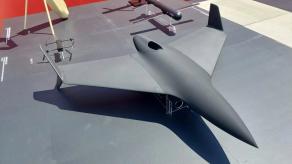
However, the simulation included the deployment of approximately 30 One Way Effector jet-powered drones. The objective of these drones was not primarily to destroy the enemy air defense system, but rather to exhaust its stock of anti-aircraft missiles. After that, the mission's probability of success was estimated at over 80%.
The implementation of FastTrack systems makes it possible to use LCMs and other long-range weapons immediately after a target is detected. By the time the launcher completes deployment to its combat position, which takes 15 minutes, the mission will already have been prepared.
Read more: U.S. Army Tests Single Operator Controlling Mixed Drone Swarm at Ivy Mass Exercises, AI Coordinates Scouts, Gremlin-X Mini-Bombers in Real Time