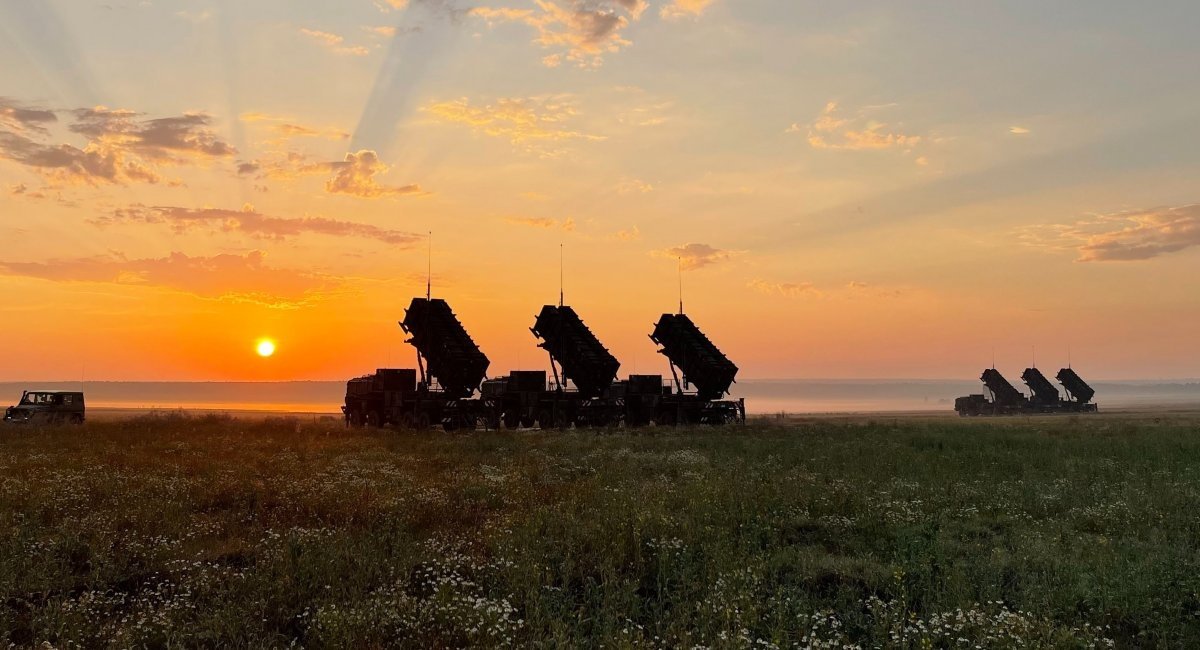
Following the political agreement between the United States and Ukraine on the transfer of a license to produce missiles for the Patriot system, the key question remained which specific missiles would be covered by the deal. Currently, the missiles in production for the Patriot air defense system are the PAC-2 GEM-T from Raytheon and the PAC-3 MSE from Lockheed Martin.
Thanks to a report by the Kyiv Independent, it has become clear that the license covers the PAC-3 MSE missile. According to the publication, which cites an unnamed Ukrainian official, negotiations are underway with Lockheed Martin and are progressing faster than expected just a few months ago. Overall, the U.S. company supports granting Ukraine a production license.
Read more: Former Defense Minister Reveals Ukraine Tests New Indigenous Ballistic Missile
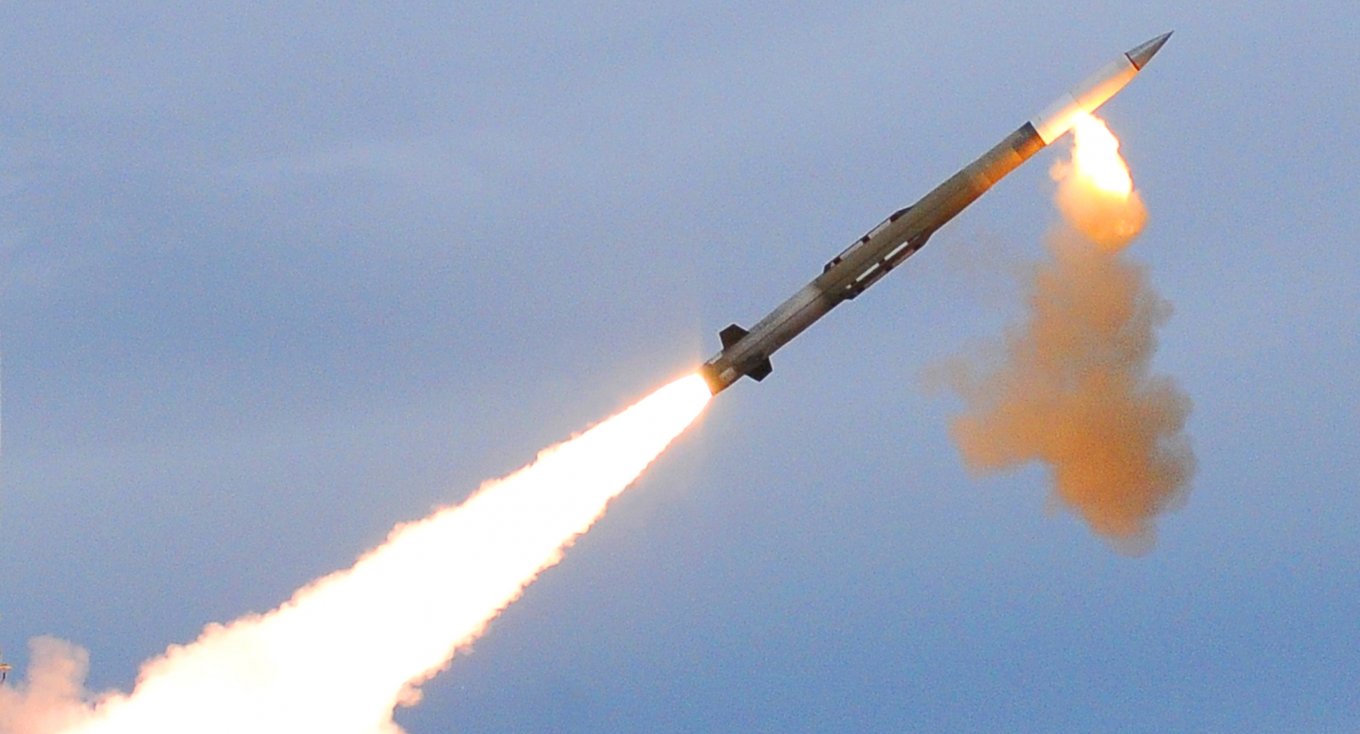
If this information is confirmed, it means that Ukraine will become the second country after Japan to be granted the right to manufacture PAC-3 missiles.
Lockheed Martin's PAC-3 MSE is currently the most effective anti-ballistic missile at the disposal of the Ukrainian Armed Forces. This missile performs a kinetic intercept of ballistic targets, destroying them in midair along with their warheads.
The PAC-3 MSE missile is highly complex and has a lengthy production cycle of about 24 months. Approximately 400 subcontractors produce components for the missile. This means that Ukraine's next step should be to integrate its defense industry into the missile's production supply chain. It is also essential to do everything possible to eliminate several bottlenecks, the most critical of which is Boeing's production of the active radar seeker.
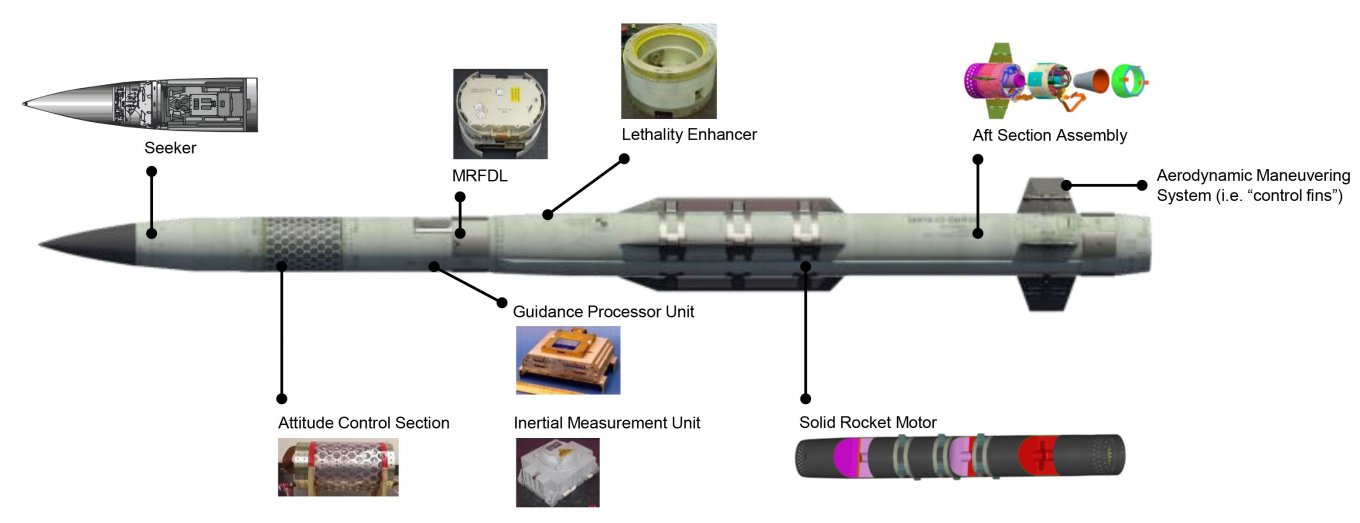
Production of this component was the main obstacle to increasing annual PAC-3 MSE missile output at Mitsubishi Heavy Industries from 30 to 60 missiles. In Japan, the process essentially amounts to assembling these missiles from key components supplied by American manufacturers.
At the same time, Lockheed Martin currently faces the key challenge of increasing PAC-3 MSE production from 620 to 2,000 units per year over the next seven years. Achieving these targets will require a fairly aggressive ramp-up in the production of all components and subassemblies, as well as in final assembly. Therefore, Lockheed Martin may well be interested in such a capacity expansion.
There are also active discussions about localizing PAC-3 MSE production in European NATO member states, including Germany and Poland. Therefore, Lockheed Martin's plans may include the creation of an interconnected European production network that could include Ukraine.
Read more: Could Ukraine's FP-7.x Anti-Ballistic Missile Under Freya Project Be Combined With Patriot License?