



Ukrainian forces have carried out a coordinated series of strikes against key russian military and logistical targets, hitting assets ranging from a major oil refinery to air defense systems and command nodes. The operation, reported by the General Staff of the Armed Forces of Ukraine, reflects a continued effort to systematically degrade russia's warfighting capacity across multiple domains.
The strikes were conducted over the course of a day and into the night of April 16, targeting both deep-rear infrastructure inside russia and military positions in temporarily occupied territories. This multi-layered approach underscores Ukraine's growing capability to simultaneously disrupt logistics, command structures, and battlefield support systems.
Read more: Ukrainian Drones Knock Out $60M russian Kasta Radar Deep in Zaporizhzhia Rear (Video)
One of the most significant targets was the Tuapse oil refinery in russia's Krasnodar region. Ukrainian forces reportedly achieved a direct hit on the facility, triggering a fire. The refinery, with a processing capacity of up to 12 million tons of oil per year, plays an important role in supplying fuel to russian military operations, making it a high-value strategic target.
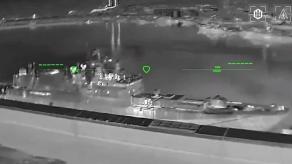
In parallel, Ukrainian strikes targeted a concentration area of russian 15th Separate Coastal Missile Brigade of the Black Sea Fleet in Sevastopol. This unit operates the Bastion coastal defense missile system, designed to threaten maritime and coastal targets. Hitting such a formation could reduce russia's ability to control sea approaches and project anti-ship capabilities in the region.
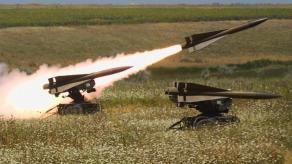
Air defense assets were also a major focus of the operation. Ukrainian forces reportedly struck multiple systems, including russian Buk-M2 surface-to-air missile system in Zaporizhzhia region, Pantsir air defense system in Feodosia, and Osa system in Donetsk region. The targeting of these platforms aligns with a broader strategy to weaken russia's layered air defense network and create openings for further strikes.
Additionally, Ukrainian units hit russian drone control centers in the areas of Verbove in Zaporizhzhia region and Hola Prystan in Kherson region. Disrupting these nodes is likely to reduce the effectiveness of Russian UAV operations, which play a critical role in reconnaissance and strike coordination along the front line.
Beyond equipment and infrastructure, Ukrainian strikes also targeted concentrations of russian personnel in Donetsk region, as well as a command post near Rivnopol. These attacks aim to disrupt command and control while inflicting attrition on manpower, further complicating russian operational planning.
The full extent of russian losses is still being assessed, but the scope of the strikes suggests a deliberate campaign to erode both the logistical backbone and tactical capabilities of russian forces. Ukrainian officials emphasize that such operations will continue, with the goal of reducing the enemy's offensive potential and undermining its ability to sustain prolonged combat operations.
Read more: Ukraine Hits S-400 Radar, Nebo-SVU System, Ammo Depots and Fuel Storage in Multi-Sector Strikes