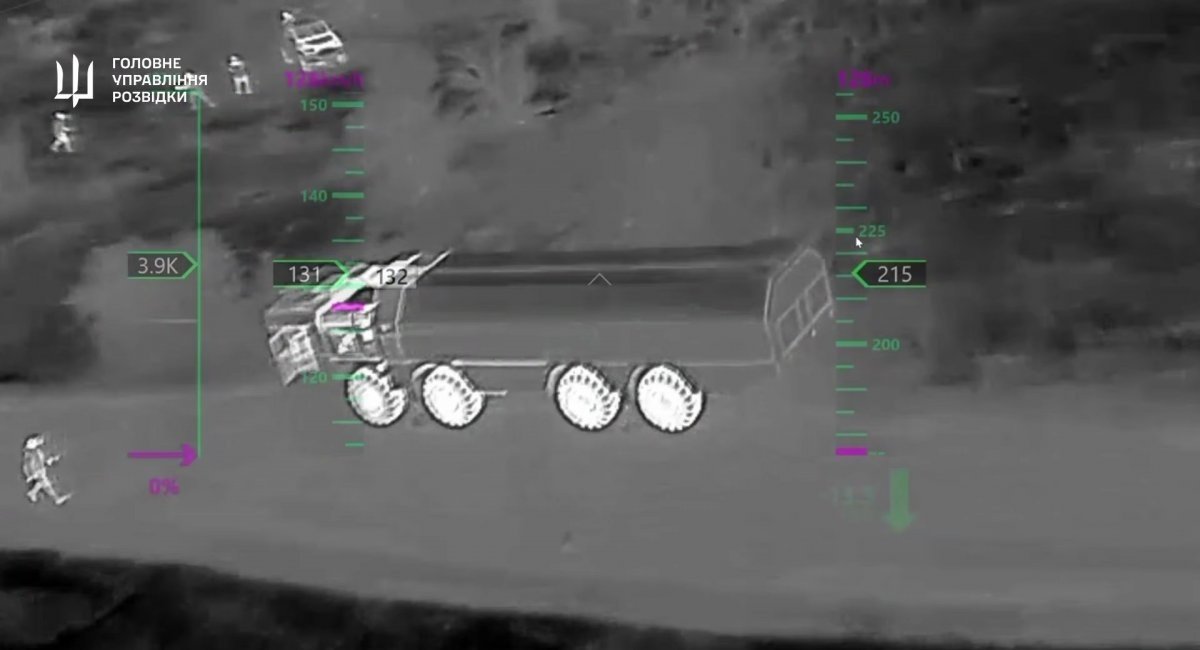
How to destroy russian Iskander missile launchers is one of Ukraine's most pressing challenges, as drones are essentially the only weapons it currently has at its disposal.
The fact is that when it comes to hunting down launchers, the key factors are determining the target's exact coordinates and minimizing the time between locating and destroying it, since the window of opportunity is measured in minutes.
Read more: Ukrainian Drones Hit FSB Patrol Ships Guarding Crimean Bridge, Strike Major russian Oil Refinery
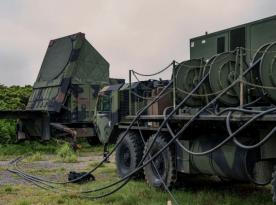
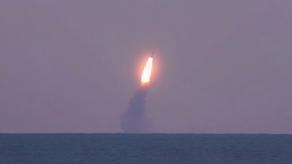
It takes up to 16 minutes to launch the first 9M723 ballistic missile from a 9P78-1 launcher. If the launcher is already in position, it takes up to four minutes. The total time the launcher spends at the launch position is up to 20 minutes. In other words, after launching its second missile, the Iskander mobile missile system leaves the launch position within a matter of minutes.
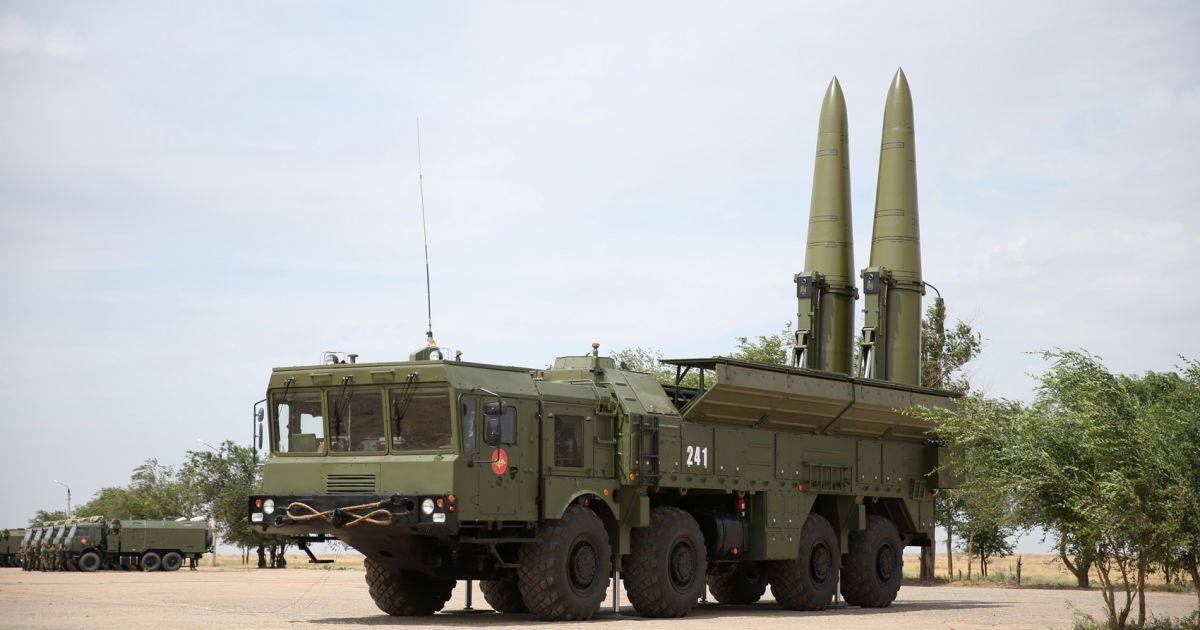
In theory, if the launcher is detected as it stops and begins transitioning to its firing position, it can be destroyed, provided that Ukraine's own ballistic missiles are ready for launch. However, if the launcher is detected only at the moment of launch, initiating the strike chain at that point is too late: by the time the ballistic missile reaches the target, the launcher will already have left the launch site.
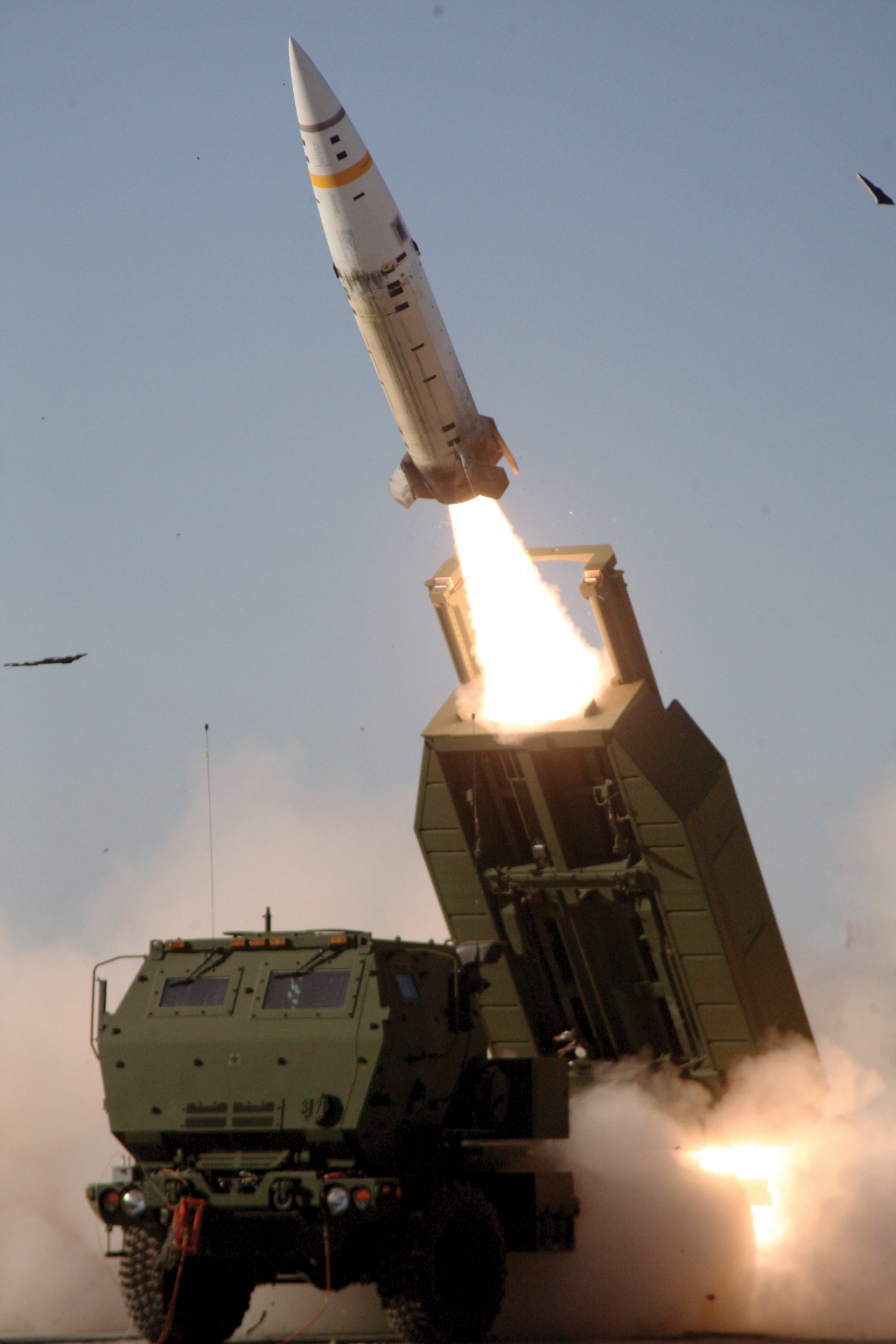
In any case, according to available information, Ukrainian ballistic missiles are not yet in mass production. The U.S. supplied ATACMS in only very limited numbers, and following the war with Iran, it is reportedly left with very few of these missiles. As a result, no additional deliveries should be expected.
The cruise missiles available to Ukraine cannot strike moving ground targets. No such capability has been reported for missile drones either. That is why, of all the available options, only loitering munitions and medium-range attack drones remain.
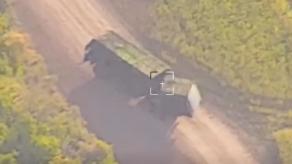
Moreover, such measures have already been employed. For instance, on the night of July 6, 2026, operators from the Raid 413th Regiment of Ukraine's Unmanned Systems Forces destroyed an S-400 launcher in the Bryansk region, which was most likely involved in strikes against Ukraine using RM-48U missiles.
On the night of March 24, 2026, fighters from the Defense Intelligence of Ukraine successfully destroyed a Bastion-M hypersonic missile launcher.
A major drawback of using drones is their relatively low speed, which means they take a considerable amount of time to reach the target. If a ballistic missile is launched from 100 km behind the front line, and a Ukrainian drone takes off from a similar distance, it will take about an hour to reach the target area. At the same time, if communication with the operator is maintained, the drone can be guided to the launcher's current location, provided the launcher is continuously tracked.
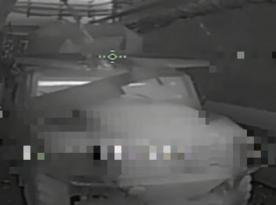
It is also possible to strike ballistic missile launchers hidden in shelters. The Special Operations Forces of the Armed Forces of Ukraine carried out such a strike on the night of April 28.
In September 2025, a highly successful strike targeted the deployment area of an Iskander ballistic missile system at the Molkino training ground in Krasnodar Krai, destroying six vehicles belonging to the system.
In other words, one option is to predict when and where the system will be deployed, or to detect the launch and track the launcher with reconnaissance assets for about an hour. Alternatively, strike and reconnaissance assets would have to maintain round-the-clock patrols in designated areas. The other option is to identify and monitor the locations where the enemy conceals its launchers.
In both cases, success ultimately depends on intelligence capabilities and the ability of Ukrainian drones to penetrate the enemy air defenses. Nevertheless, successful operations have already been carried out, suggesting that such missions are likely to be scaled up and their tactics further refined.
Read more: Ukrainian Apachi Drone Unit Strikes russian Logistics Network in Luhansk (Video)