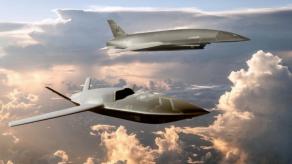



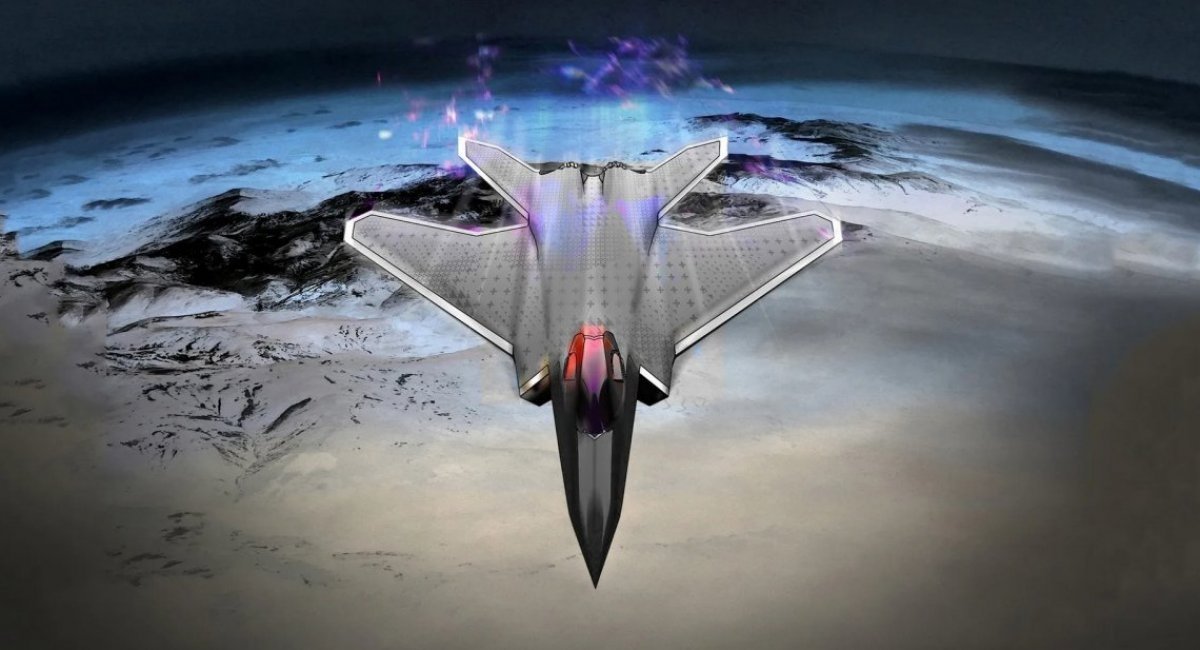
The European aerospace giant, Airbus, stated its readiness for any potential bifurcation of the joint German-French-Spanish Future Combat Air System (FCAS) project into two separate aircraft. The company claims it could independently realize a sixth-generation fighter if necessary, despite currently producing fourth-generation platforms only through international cooperation.
Airbus CEO Guillaume Faury made this statement to Reuters, adding that no official details regarding an FCAS split currently exist. Consequently, it remains unclear which components would remain collaborative and which would be developed independently.
Read more: India's 114-Rafale Order Pushes Back Ukraine's Fighter Jet Deliveries
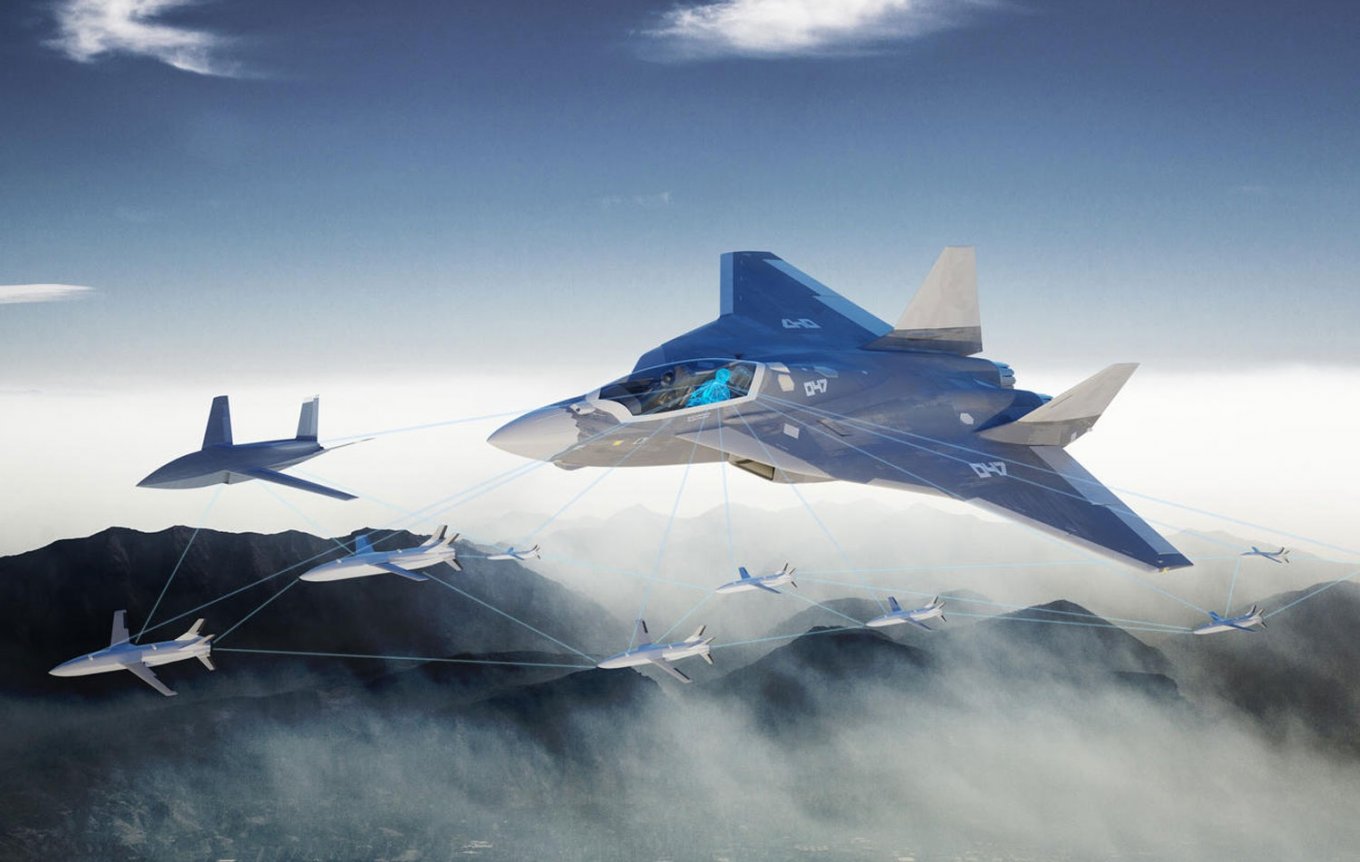
Defense Express notes that these remarks likely serve as a strategic response to similar assertions from France and Dassault Aviation. However, the technological positions of the parties are significantly disparate.
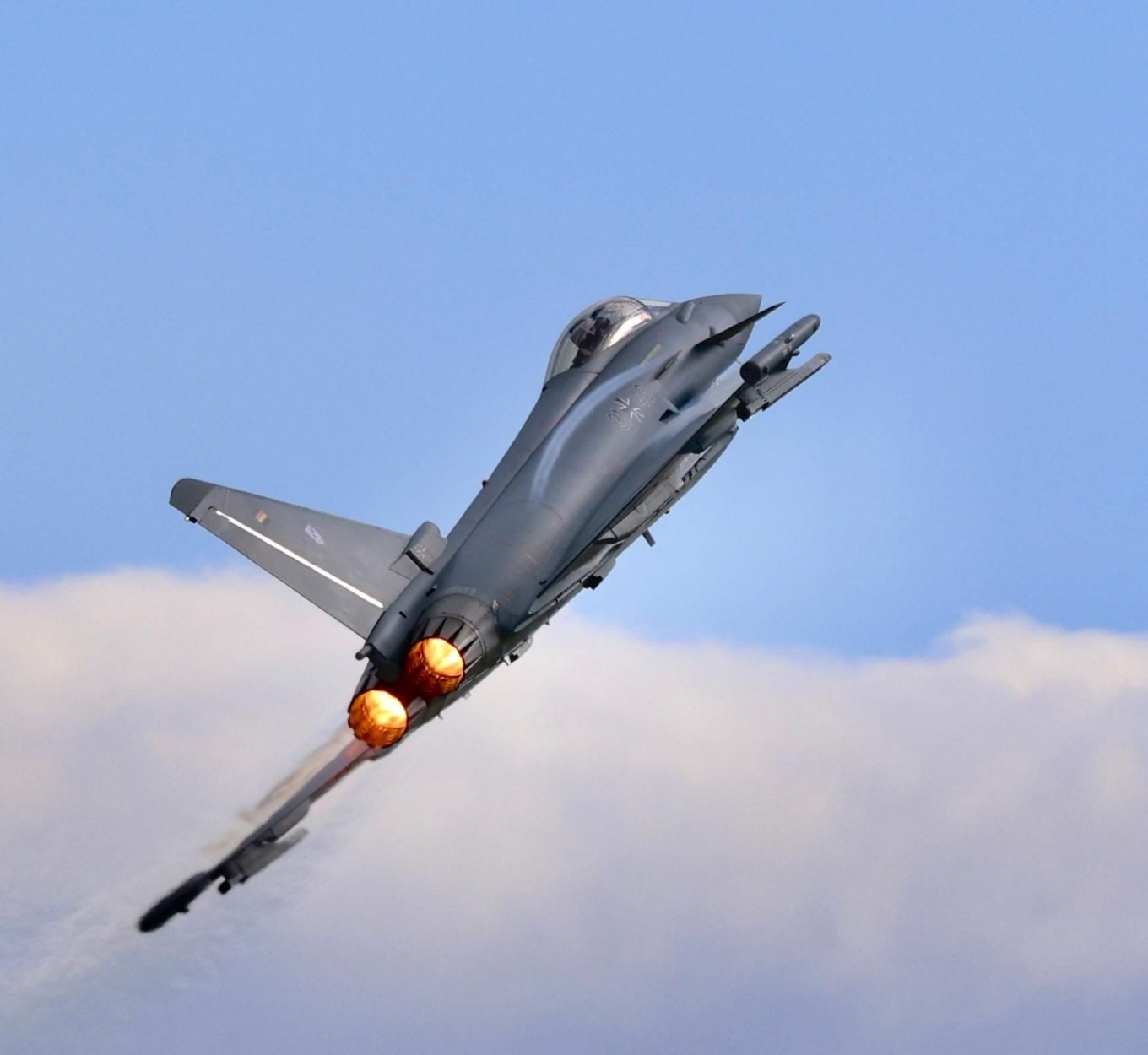
While Airbus maintains extensive expertise in commercial and transport aircraft, its involvement in the Eurofighter Typhoon program relies heavily on a consortium of European partners. Airbus depends on these partners for several critical subsystems.
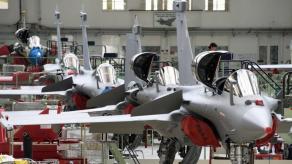
In contrast, France maintains full-cycle production for the Rafale fighter, demonstrating superior technological independence. Furthermore, French industry (specifically Safran) is the sole entity within the current cooperation capable of developing the required aero-engines.
In this context, Airbus primarily represents German and, to a lesser extent, Spanish interests. The German side has been the most vocal in its dissatisfaction with French demands within the FCAS framework.
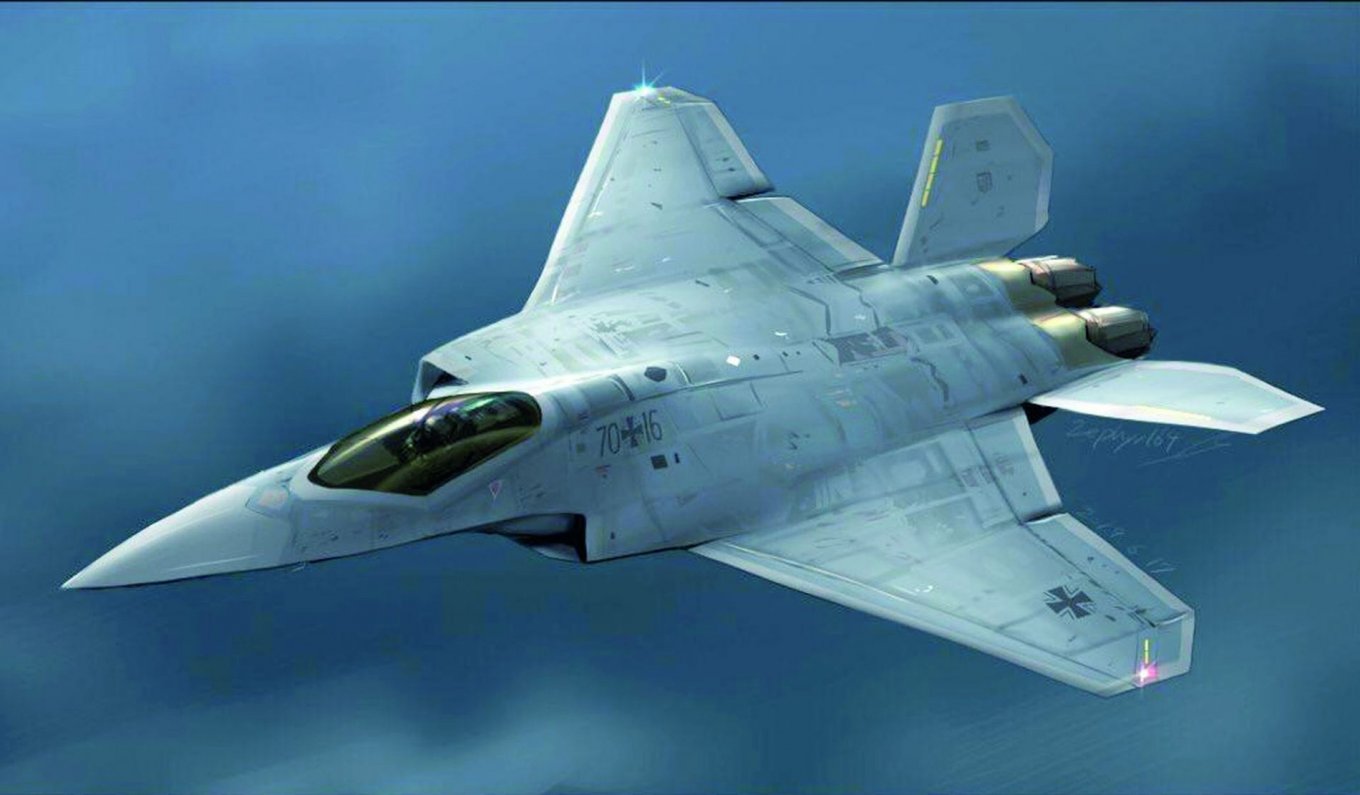
As a result, it is highly improbable that Airbus could independently develop a modern combat aircraft. Finding new partners for critical components, such as propulsion systems, would be challenging, as most qualified candidates are already committed to the rival Global Combat Air Programme (GCAP).
Airbus has previously supported the proposal to split the FCAS project into two separate airframes. However, such a move requires a political mandate from the participating nations.
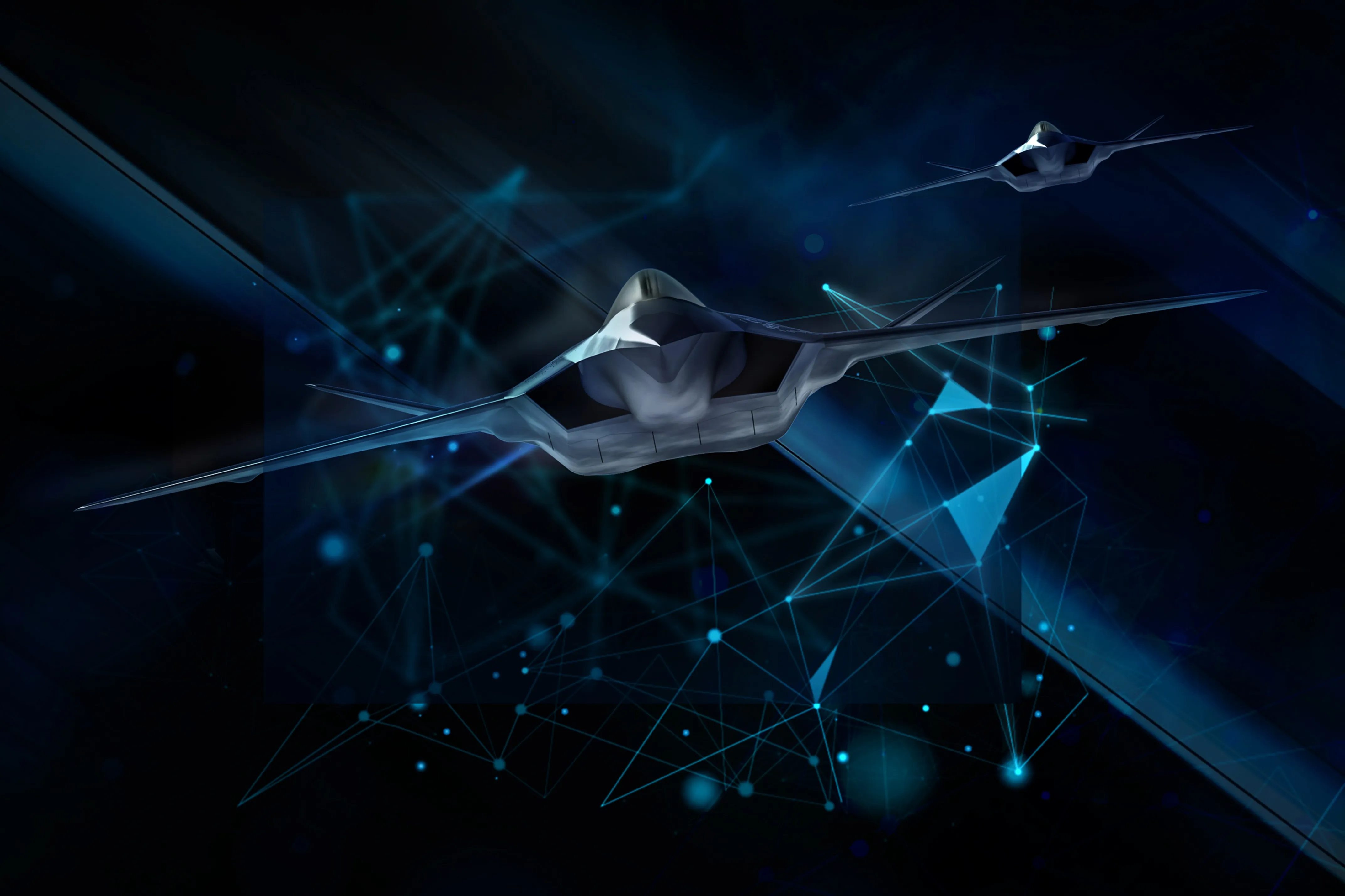
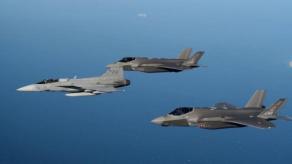
Recent reports indicate that Germany has initiated talks regarding cooperation with Sweden, and Airbus has already signed a memorandum with Saab for joint studies. This may indicate the future direction of the program. Meanwhile, Berlin continues its search for an unmanned fighter-bomber solution.
Read more: India Nears $40 Billion Arms Deal Including 114 Rafale Jets — More Than Ukraine Plans to Buy