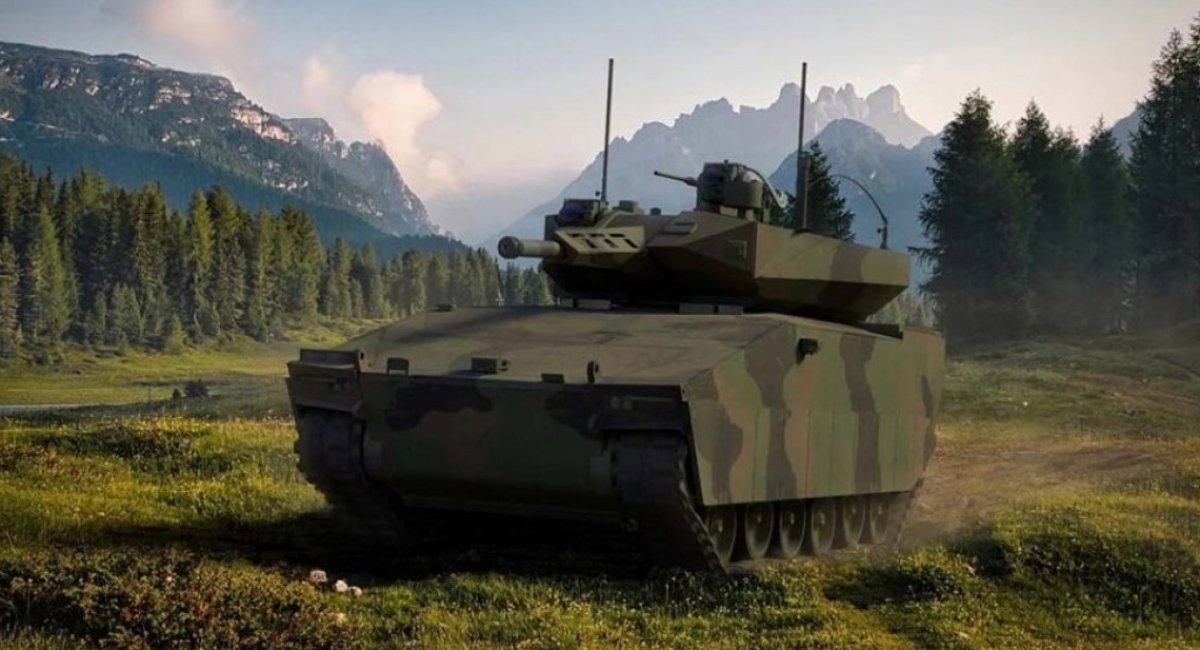
The U.S. Army may begin reviewing alternative programs for replacing the legendary M2 Bradley infantry fighting vehicle after Chief of Staff General Randy George and Defense Secretary Den Driskoll refused to sign documents that would have moved the XM30 IFV project, being created to replace Bradley under the Optionally Manned Fighting Vehicle (OMFV) program, to Milestone B stage, which envisions transition to development and production.
According to Breaking Defense, the reason for refusing to sign documents lay in the desire to keep open the possibility of completely reworking the next-generation infantry fighting vehicle creation program to replace Bradley IFV. The available option apparently does not satisfy military officials, including for project timeline reasons.
Read more: Paris Claims Only France Can Build Fighters While Berlin Now Confidently Asserts Its Tank Design Supremacy
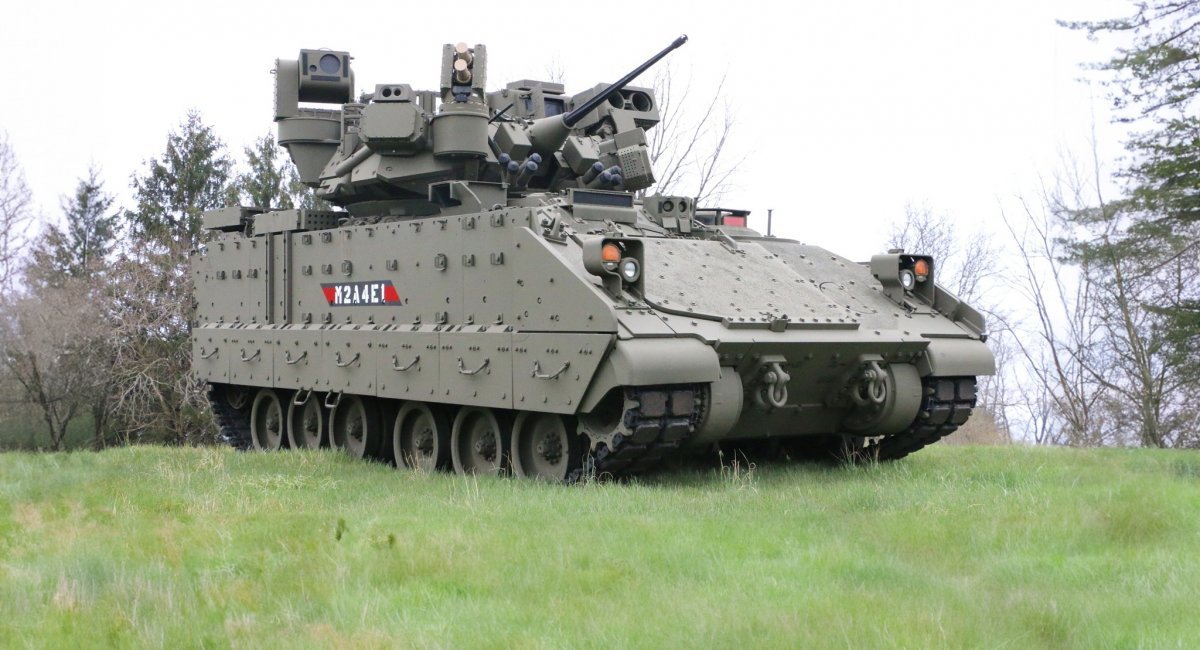
As U.S. Army Major Pete Nguyen told the publication, they want to break the vicious cycle of slow bureaucratic procurement and are not going to mindlessly approve a process that consistently fails to deliver necessary capabilities to our warfighters at the right time or locks us into a specific design, reducing flexibility. He emphasized that the Army continues seeking partners who can offer cutting-edge solutions now, not decades from now.
The publication also emphasizes that the U.S. Army recently released a request for information regarding innovative solutions for rapid development, production, and delivery of ground combat vehicles. Though no specific vehicle is indicated there, this may hint that the U.S. may be beginning its seventh attempt to find a Bradley replacement. However, this request may also indicate modernization of the existing XM30 project.
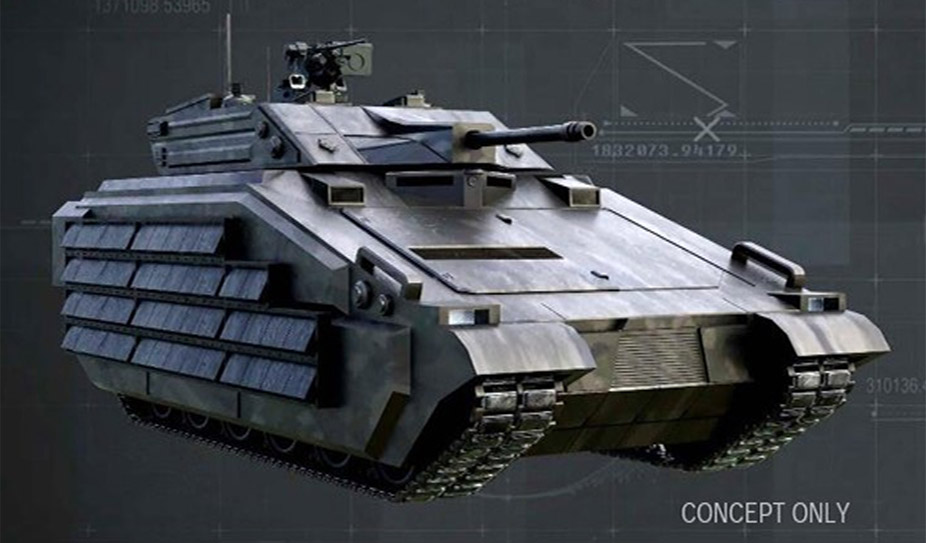
On the other hand, such steps may also be an attempt to push American Rheinmetall Vehicles and GDLS (General Dynamics Land Systems) to accelerate work on XM30 new infantry fighting vehicle prototypes, while simultaneously considering alternative options. Meaning the U.S. Army is ready for decisive action if it is ultimately dissatisfied with the project's work pace.
Recall that in 2023 the U.S. on its sixth attempt finally reached the final stage of the Bradley IFV replacement project, showing a conceptual image of XM30 IFV. Last year GDLS reported transitioning to the metal implementation stage of their XM30 variant with plans to deliver the prototypes for testing this year.
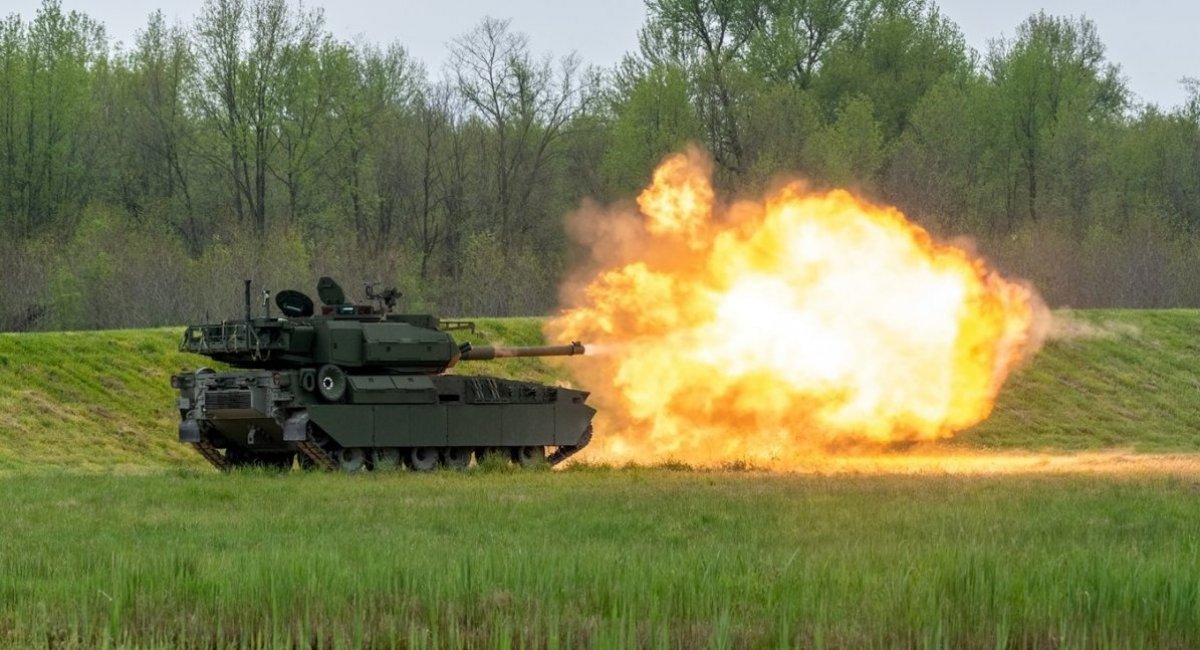
Defense Express notes that if the main complaints against GDLS and Rheinmetall lie purely in the plane of following the work schedule, then considering new options will hardly accelerate the Bradley IFV replacement's appearance. However, the threat of remaining without contracts given that a series of work has already been conducted may genuinely become an impetus for companies to more actively engage in creating the new infantry fighting vehicle.
At the same time, it remains unknown whether the U.S. Army has any questions about the technical or conceptual side. It is quite possible that given the study of russia-Ukraine war experience, analysis of Bradley and other modern IFV operations by Ukraine's Defense Forces, modern battlefield threats and needs, American military officials decided to revise their requirements for the new IFV, which must remain relevant for decades to come.
Especially when the U.S. Army already has an unfortunate experience with another armored vehicle sample specifically the M10 Booker light tank, whose program was officially cancelled last year after approximately 80 vehicles were already manufactured. This is essentially a story about the Pentagon skewing requirements for this vehicle, throwing BAE Systems with a genuinely viable project out of the program.
Read more: Fire Point Demonstrates FP-7 System: 200 km Ballistic Missile with 150 kg Warhead (Video)