


German company Diehl Defence and American Lockheed Martin have signed an agreement under which Iris-T SLM air defense missiles are planned to be integrated into the Aegis weapon system, with launches to be carried out directly from the Mk 41 vertical launching system.
But in addition to Iris-T SLM, it's announced that in the future the European missile from the Hypersonic Defence Interceptor (HYDEF) program could also be integrated there, which Diehl Defence is currently developing among others. This is reported by Hartpunkt publication.
Read more: Baykar's Kizilelma UAV "Intercepts" F-16 Fighter Fet for the First Time During Test Flight
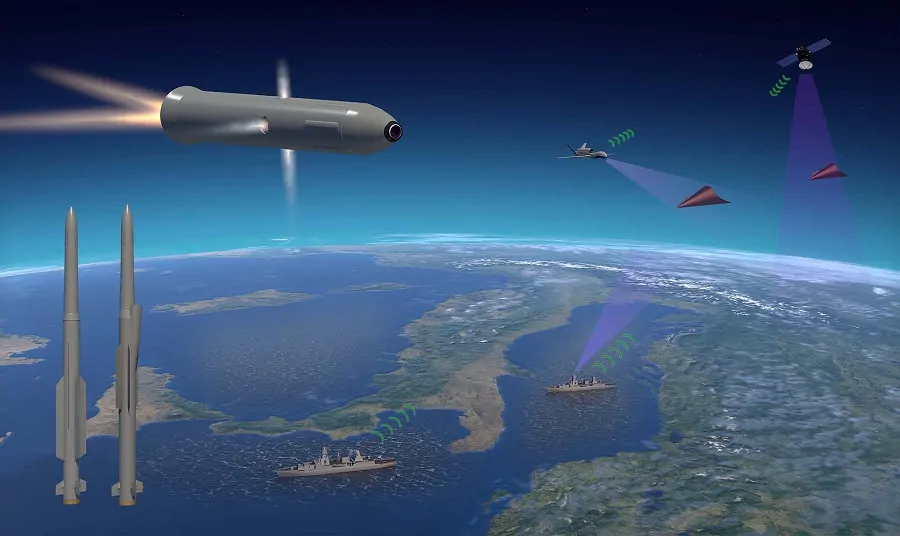
Almost nothing is known about the characteristics of missiles under the HYDEF program at present, but they will be intended for intercepting threats from the 2035+ years, and specifically sharpened for countering hypersonic targets, such as missiles or gliders.
Their development only began in 2022, and it's quite likely that we'll only be able to see the first ready samples in the 2030s. Therefore, integration of HYDEF program missiles into the Aegis system is a plan for quite a distant future. But this should significantly expand European capabilities for countering hypersonics, which is becoming increasingly popular in the world.
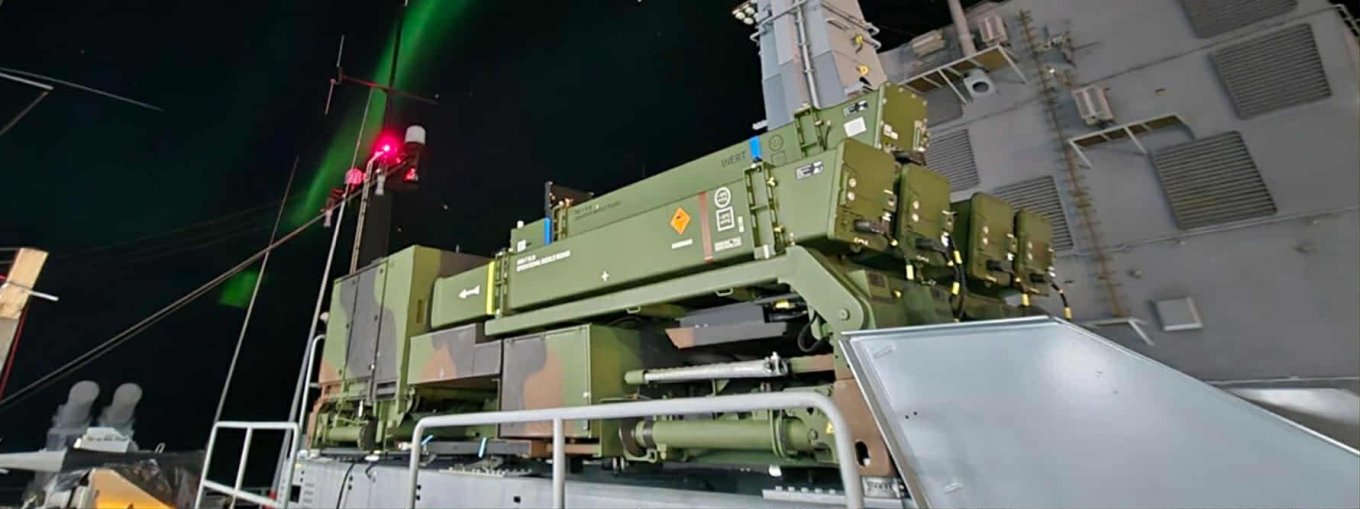
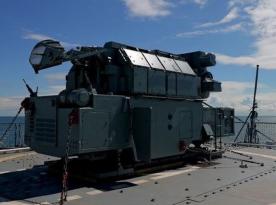
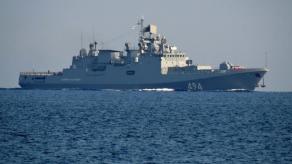
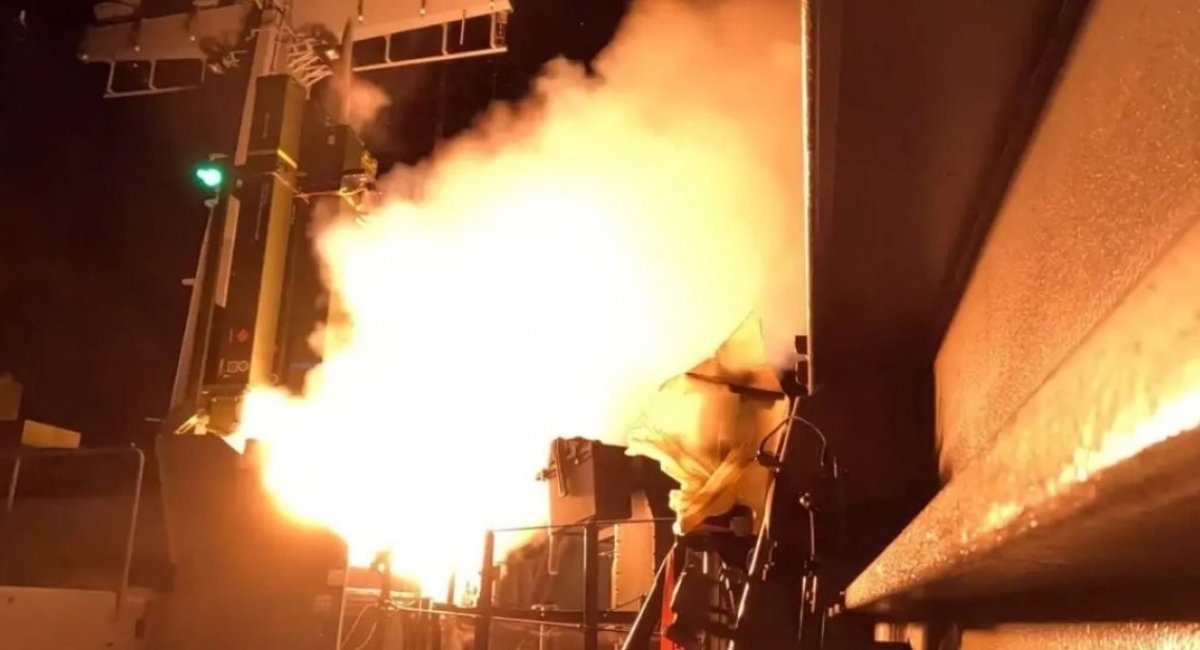
Regarding Iris-T SLM integration, recent experiments immediately come to mind, when a launcher for these missiles was installed directly on board the German F125 frigate. It's noted that given this experiment, integration of Iris-T SLM into the system can be conducted within 10 months.
Probably after integration, Iris-T SLM missiles will be placed four units in each Mk 41 cell, as, for example, was previously done with RIM-162 ESSM. In addition to the medium-range Iris-T SLM variant, short-range SLS and long-range SLX variants up to 80 km could also be integrated into the Aegis system.
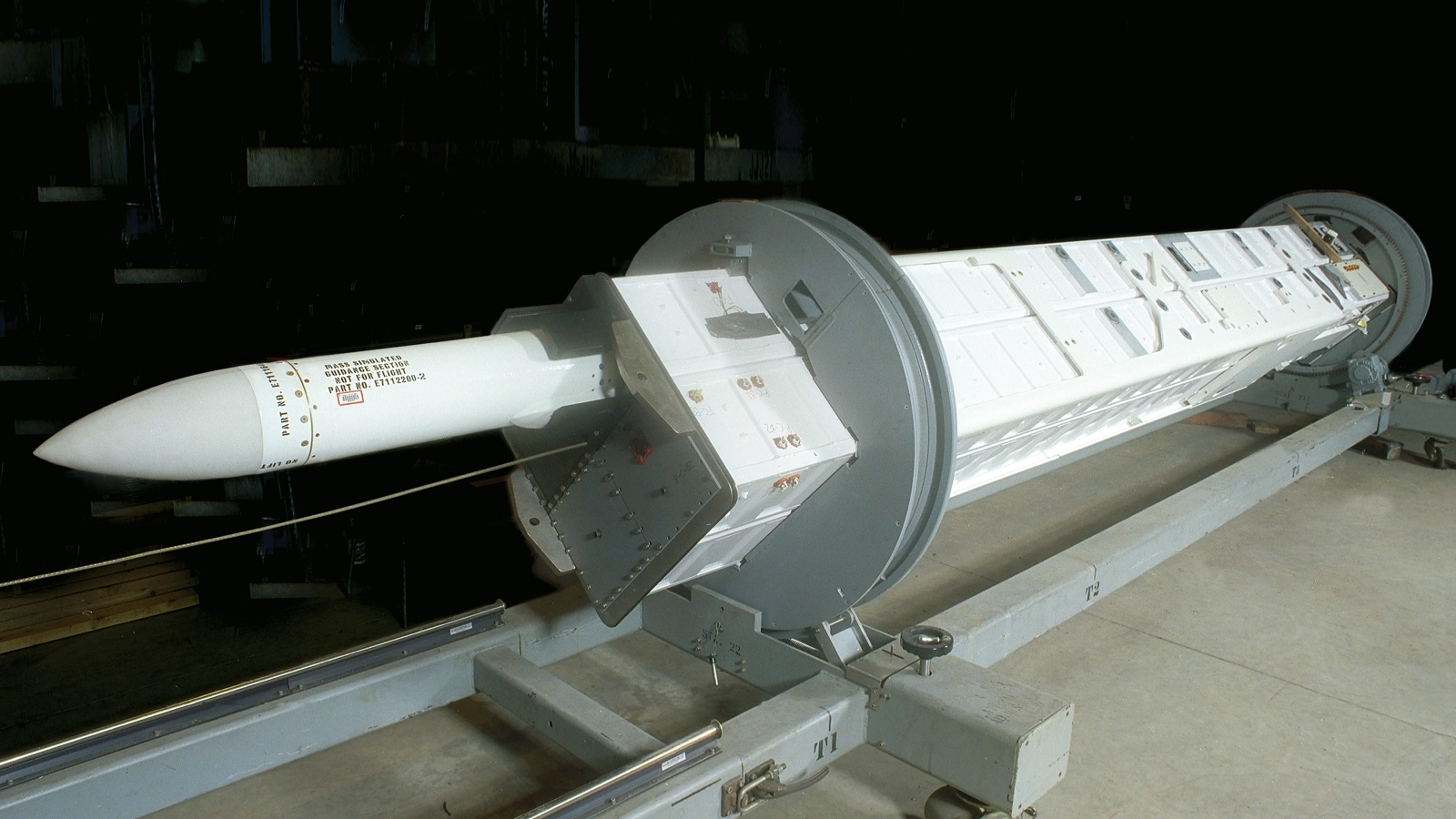
As the publication writes, the most likely carrier of Iris-T SLM will be the future German air defense frigate F127. It will become the first ship of the German fleet equipped with the Aegis combat system.
It's worth noting that potential carriers of Iris-T various versions and in the future HYDEF are all European ships equipped with the combination of Aegis system and Mk 41. And such ships are also operated by Norway and Spain.
Integration of Iris-T on ships will allow unifying missile stocks and simplifying their supply. These missiles have already managed to prove themselves well in Ukraine and demonstrated their effectiveness. Their production is now well-established and located directly in Europe, which is very desirable for European countries given U.S actions.
Therefore, integration of Iris-T, and in the future HYDEF into the Aegis system is an excellent opportunity for European countries to reduce their own dependence on supplies of American air defense missiles, replacing them with locally produced assets.
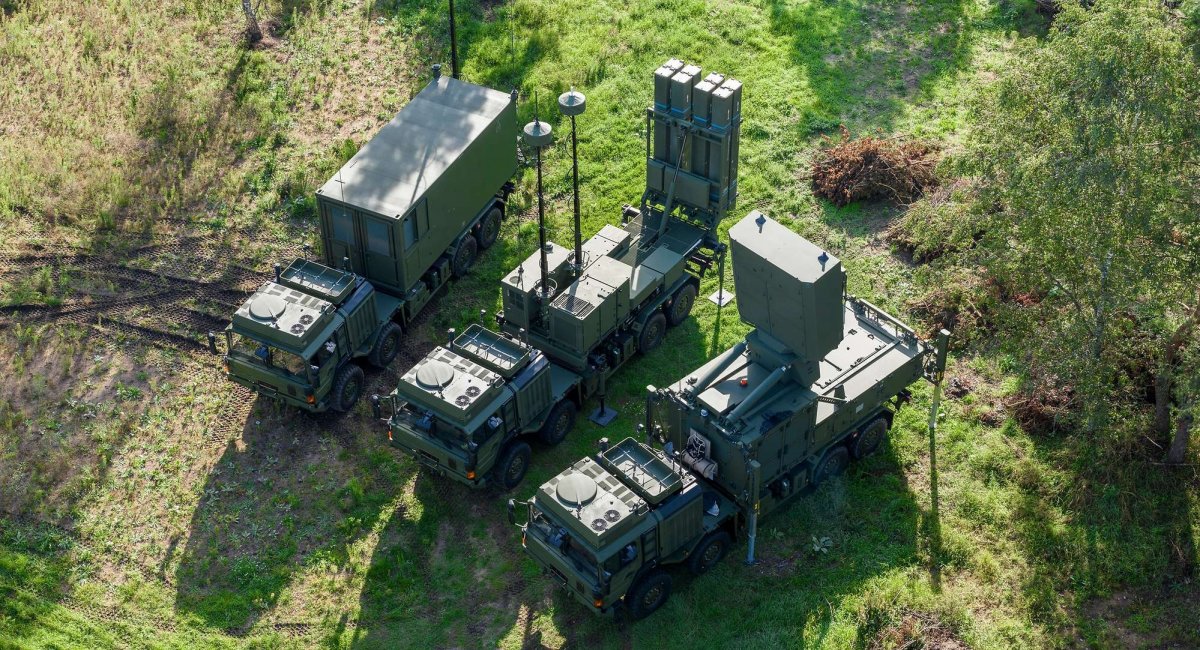
Also, within the framework of the agreement, the possibility of integrating Iris-T into the ground-based Mk 70 launcher, which uses the same Mk 41 cells, will be considered. Although this will be quite strange, because ground-based launchers have long existed for Iris-T, which are smaller and more mobile, while the number of missiles in the launcher will probably be the same.
Germany, by the way, just wants to receive the Typhon complex with Mk 70 launchers, and it was already stated then about the possibility of integrating certain European air defense missiles into them, which as we now know turned out to be Iris-T.
Read more: What Are the Long-range Missiles Promised by Germany to Ukraine, If We Are Not Talking About Taurus