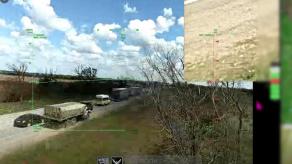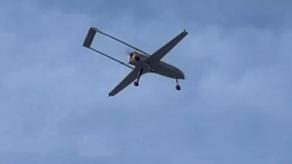



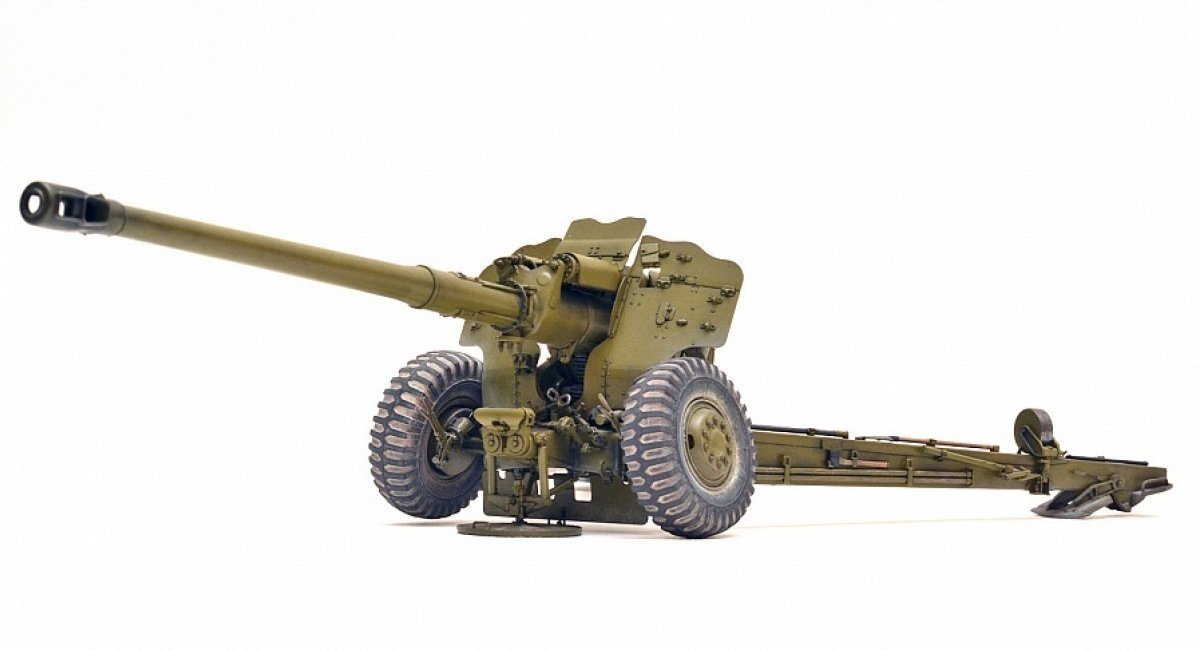
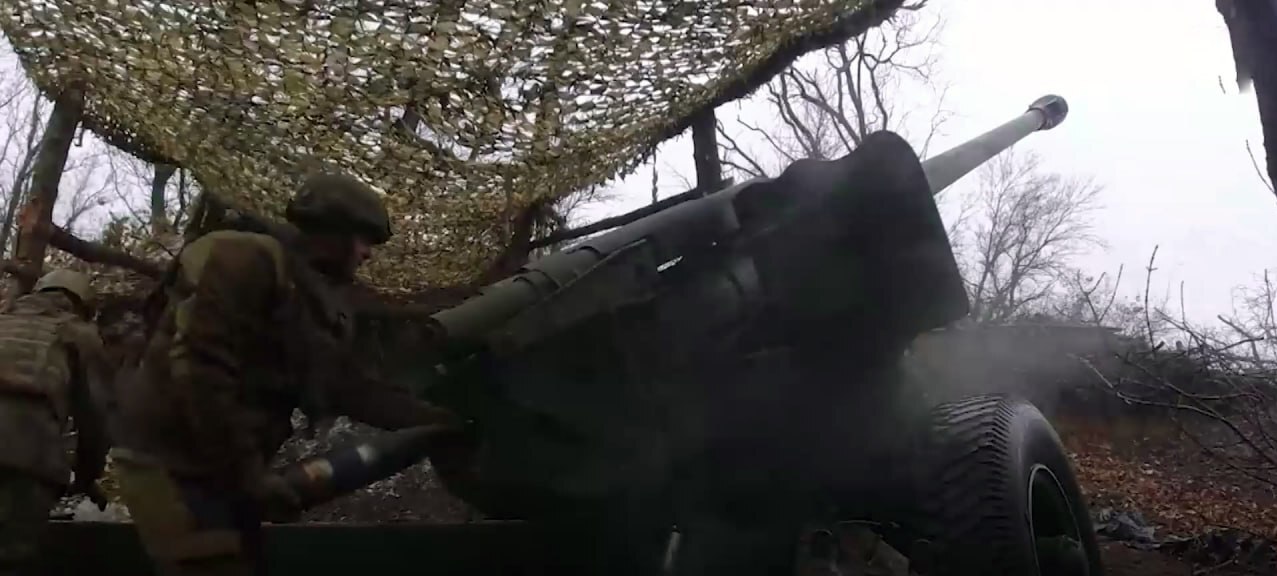
UAV operators of the 413th Raid Battalion of the Unmanned Systems Forces located and destroyed a rare 122 mm D-74 corps artillery gun during one of their operations. The incident raises an important question: where exactly did the russian occupiers obtain this artillery system, given that the D-74 was not formally listed among the stored assets of the russian Armed Forces. Moreover, these guns were originally produced in the 1950s.
Of course, it cannot be completely ruled out that the occupiers had D-74 guns in storage as part of so-called "unaccounted reserves" that had not previously been disclosed. However, a more plausible explanation is that the russian army received its D-74 systems from north Korea, where such artillery pieces reportedly remain in active service.
Read more: If russia Receives Hwasal-1 Ra-3 Cruise Missiles with a One-Ton Warhead from north Korea, What Threats Would This Pose?
This assumption is further supported by materials posted by russian occupiers on social media, which show that north Korean copies of the Soviet 122 mm OF-472 high-explosive fragmentation shells are being used to fire the D-74. russia's defense industry is likely incapable of producing these rounds today. This conclusion is based on the absence of any publicly available images of OF-472 shells bearing markings that would indicate russian manufacture.
The most important characteristic of the D-74 is its stated maximum firing range of up to 23.9 kilometers. This allows such artillery systems to be deployed at a considerable distance from the line of contact, theoretically reducing their vulnerability to Ukrainian UAV strikes. By comparison, the 122 mm D-30 howitzer has a maximum range of only up to 16 kilometers, which further underscores why the D-74's range is particularly valuable to the enemy.
Other characteristics of the D-74 include a combat weight of 5.5 tonnes, a rate of fire of 6–7 rounds per minute, and a crew of up to 10 personnel.
Notably, D-74 guns began appearing in the arsenal of russian occupation forces only in autumn 2024. It is particularly telling that the first unit observed operating these systems was the 238th Artillery Brigade of russia's Southern Military District, which had previously been equipped with 152 mm Msta-B howitzers.
Thus, the appearance of the D-74 in russian service further highlights the scale of artillery losses suffered by the enemy during the full-scale war against Ukraine—losses that now total approximately 35,570 artillery systems.
According to available data, at the beginning of 2025 the russian army had around 670 towed artillery systems in active service, predominantly 152 mm guns (approximately 370 units). In storage, russia reportedly retained only about 4,000 towed artillery systems, with the largest share, around 1,000 units, consisting of 122 mm M-30 howitzers dating back to the Second World War.
For comparison, at the beginning of 2022 the russian army had 150 Msta-B towed artillery systems in active service and as many as 12,450 towed artillery systems of various types in storage.
The contrast between these figures clearly demonstrates how severely the aggressor state's reserves of towed artillery have been depleted, even as the enemy has increasingly relied on this category of weaponry. It also highlights how critical any external supplies of artillery systems and ammunition may be for the Kremlin under current conditions.
Ivan Kyrychevskyi, serviceman of the 413th Raid Regiment of the Unmanned Systems Forces of Ukraine and weapons expert at Defense Express.
Read more: What China Is Learning from russia's Failures in Ukraine While Preparing for War — Pentagon Analysis