


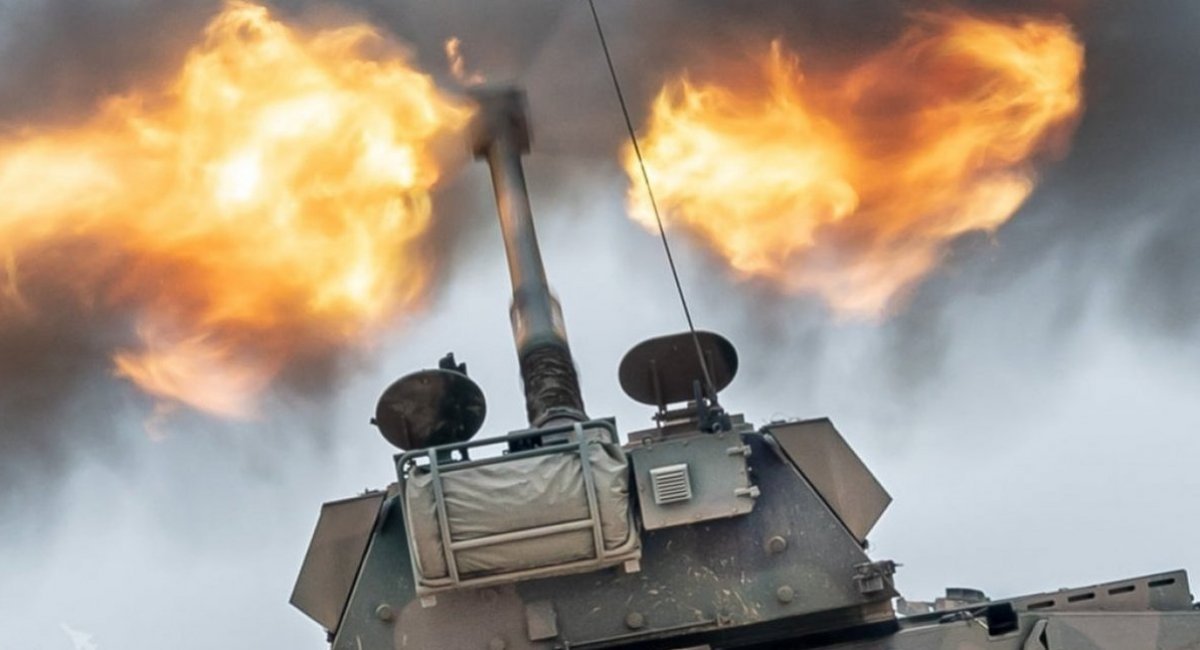
Deputy Chairman of Poland's Parliamentary Committee on National Defense, Michał Dworczyk, has criticized the slow production pace of Poland's 155 mm AHS Krab self-propelled howitzers in a post on the social media platform X, citing Ukraine's production of the 155 mm 2S22 Bohdana artillery system as a comparison.
"When I hear [citing data from PolsatNewsPL – ed. DE] that our "success" amounts to producing 36 Krab self-propelled howitzers in 2025 (while Ukraine has produced more than 400 155 mm Bohdana systems over the same period, with the suspension manufactured by a Polish private company), along with a plan to produce 20 Borsuk infantry fighting vehicles this year, I feel devastated and deeply disappointed," Dworczyk wrote.
Read more: Ukrainian Bohdana Howitzer Could Become the Single Artillery Platform of Ukraine's Armed Forces in the Future
Dworczyk stresses that this is not the fault of individual officials, nor solely the result of decisions made over the past decade. Instead, he attributes the situation to the "consequences of pathologies that have been destroying the state-owned defense industry since the early 1990s." According to him, the solution requires a "prudent revolution" not only in economic policy but also in the procurement system.
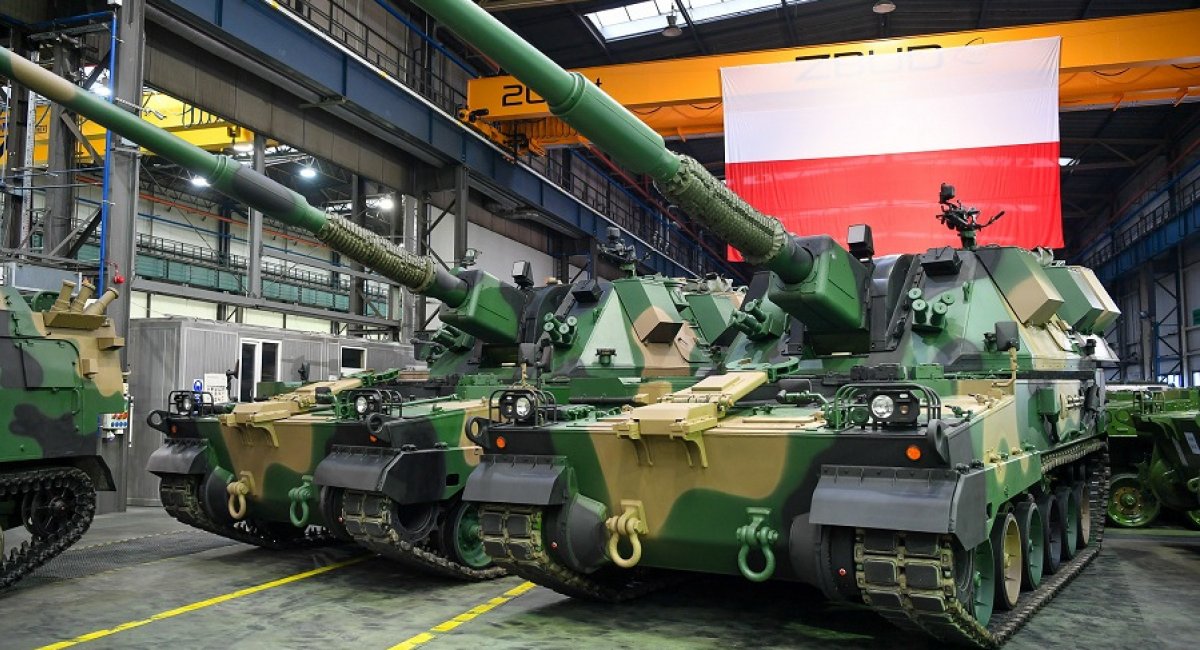
From Defense Express's perspective, the figure of 36 Krab howitzers per year (three vehicles per month) may not be entirely accurate. At the very least, there are grounds to reference statements by Arkadiusz Bąk, Vice President of Polska Grupa Zbrojeniowa (PGZ), who noted late last year that Krab production had exceeded 50 units annually and that, if necessary, Huta Stalowa Wola (HSW) had the capacity to increase output further.
Even so, this still amounts to no more than four to five howitzers per month—nearly ten times fewer than Ukraine's Bohdana. In 2024, Ukrainian production of self-propelled artillery reportedly reached approximately 40 units per month.
It is also worth recalling that when Poland signed a contract in 2023 to procure more than 150 South Korean K9A1/K9PL self-propelled howitzers, a public debate emerged over why domestically produced Krabs were not ordered instead. At the time, the argument was that Huta Stalowa Wola allegedly lacked sufficient production capacity to meet demand.
HSW firmly rejected these claims. At the same time, it should be noted that Poland was heavily supplying AHS Krab systems to the Armed Forces of Ukraine, providing critically important assistance as early as 2022. Before russia's full-scale invasion, Poland possessed 78 Krab howitzers, 54 of which were transferred to Ukraine.
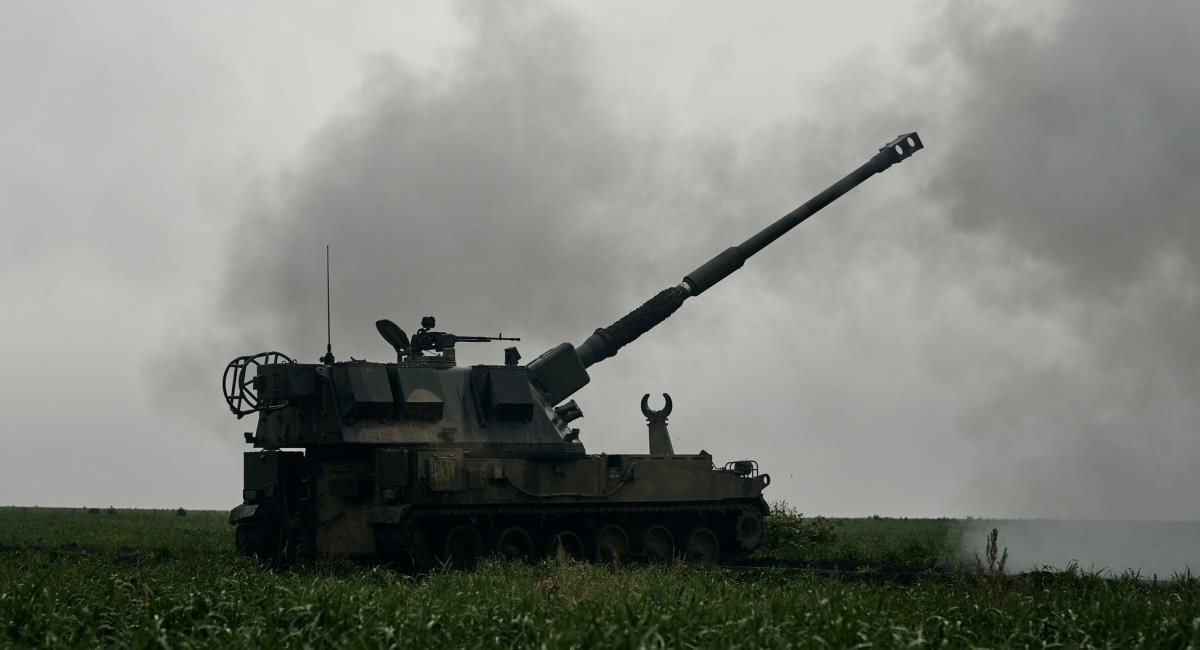
In addition, Poland postponed deliveries under a contract for 48 Krabs signed in September 2022, shifting them to the 2025–2027 timeframe. As a result, last year marked the first time since 2021 that Krab deliveries were made not for Ukraine, but for the needs of the Polish Armed Forces.
Thus, while Poland prioritized supplies to Ukraine, production rates of the AHS Krab, especially in 2022–2023, appear to have been insufficient to meet the needs of Poland's own military. This became one of the key drivers behind the decision to procure foreign-made self-propelled artillery.
At the same time, the intensive battlefield use of the Krab by Ukrainian forces has spurred the development of an upgraded version designated Krab 2. The new variant is expected, at a minimum, to feature an automatic loader and a new gun barrel.
Read more: Air Defense UAVs, Cannons, EW Systems as well as APKWS Tested in Ukraine Are Components of the SAN C-UAV System Ordered by Poland