


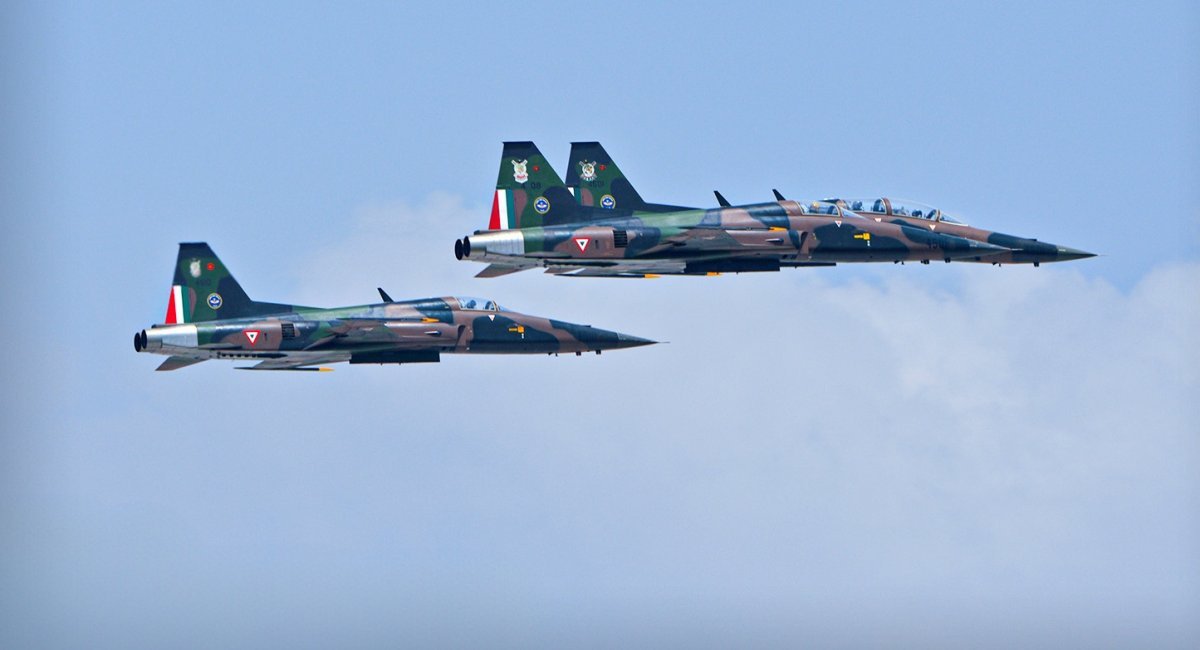
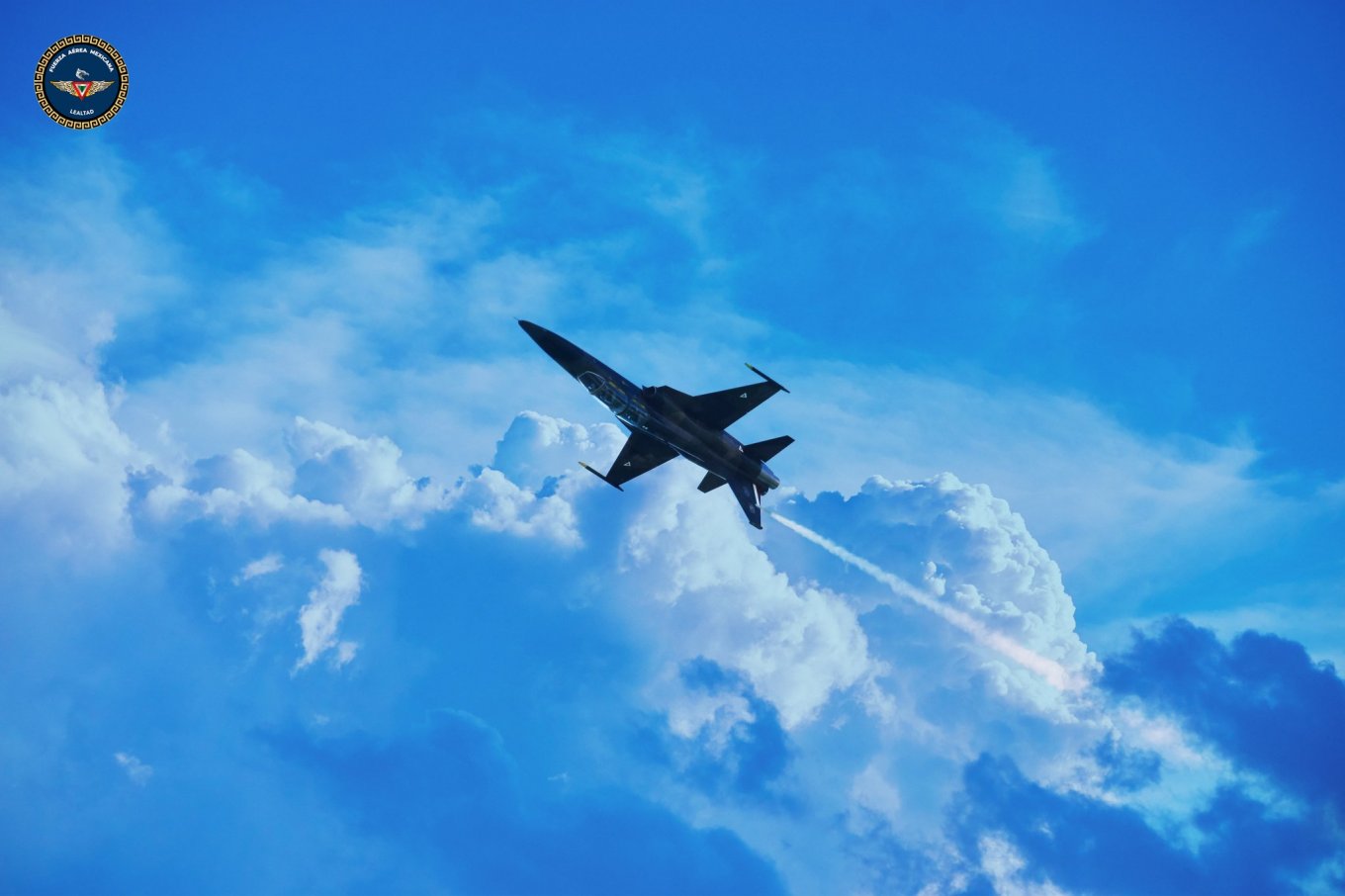
Mexico has begun evaluating options to modernize its combat aviation fleet, which currently relies on aging F-5E/F Tiger II fighters that have remained in service since the early 1980s.
In an interview with Janes, Mexican Air Force commander Román Carmona Landa stated that the country aims to acquire 12 modern 4+ generation fighters by 2028.
Read more: Why Peru Chose F-16 Over Gripen, Rafale, and What Kind of Dirty Competition Ukraine Should Prepare For
The reported shortlist includes the F-16 Fighting Falcon from Lockheed Martin, the Saab JAS 39 Gripen from Saab, as well as lower-cost alternatives such as the KAI FA-50 from Korea Aerospace Industries and the Leonardo M-346 from Leonardo.
For Ukraine, any international competition involving the Gripen is strategically important. Kyiv is reportedly moving closer to a potential future order of between 100 and 150 Gripen fighters.
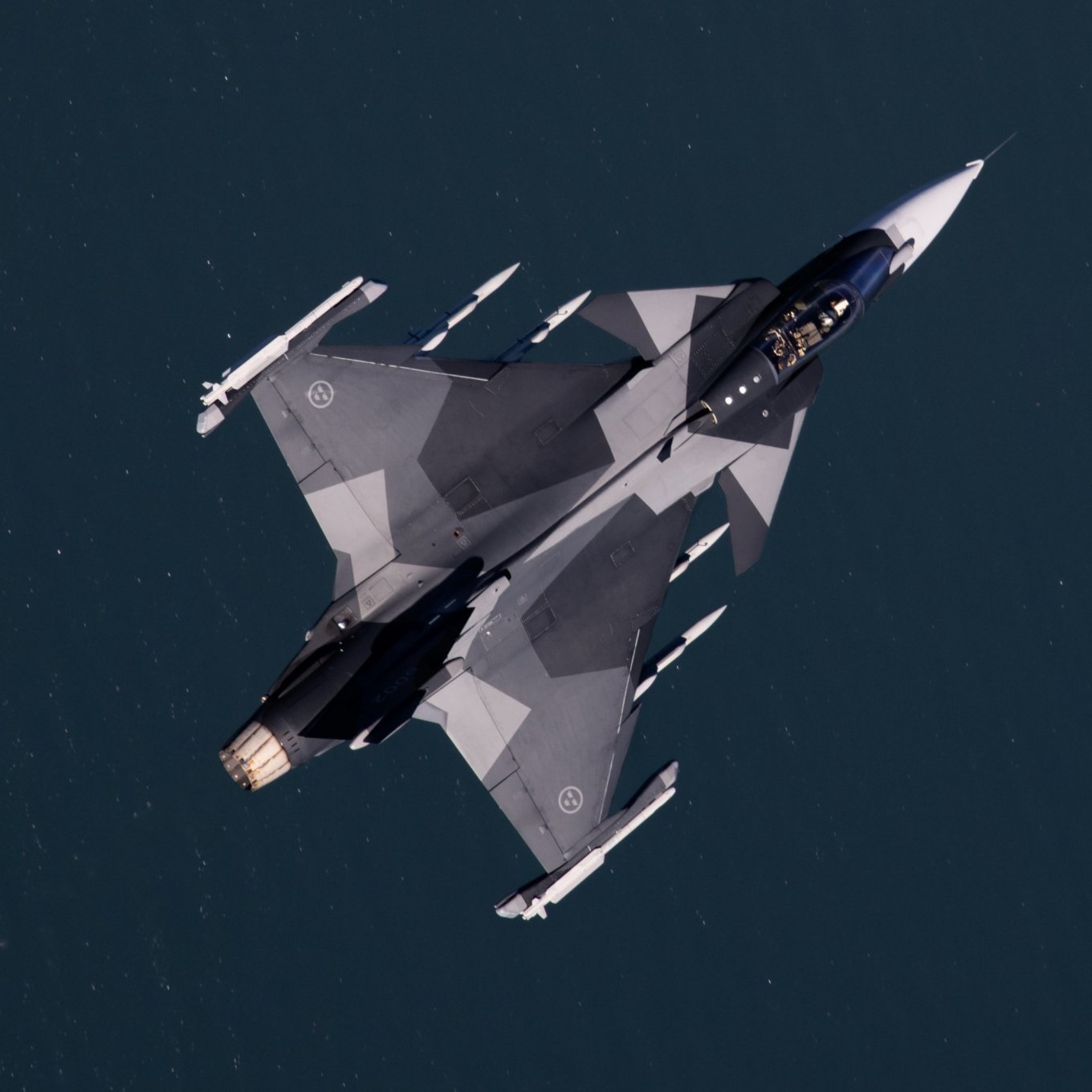
Any additional export contracts would increase pressure not only on Saab's production capacity but also on the wider supplier network supporting Gripen manufacturing. This could extend delivery timelines and increase competition for the General Electric F414 engine produced by GE Aerospace, which powers the Gripen E/F.
At the same time, combat aviation does not appear to be a top military priority for Mexico. The country reportedly operates only five F-5 fighters, which represent its entire fighter fleet. As a result, acquisition cost is likely to become one of the key selection criteria.
In reality, the Mexican armed forces may have a greater operational need for aircraft suited to counterinsurgency and anti-cartel operations against heavily armed criminal groups. However, the commander of the Mexican Air Force emphasized that the future aircraft must also retain air-to-air combat capability. This effectively rules out turboprop aircraft such as the Embraer EMB 314 Super Tucano as a direct replacement for the F-5.
Under these conditions, the FA-50 or M-346 may prove to be the most pragmatic options for Mexico. Even Brazil, despite producing the Super Tucano domestically, is considering the M-346 as a future replacement for its aging A-4 and AMX aircraft.
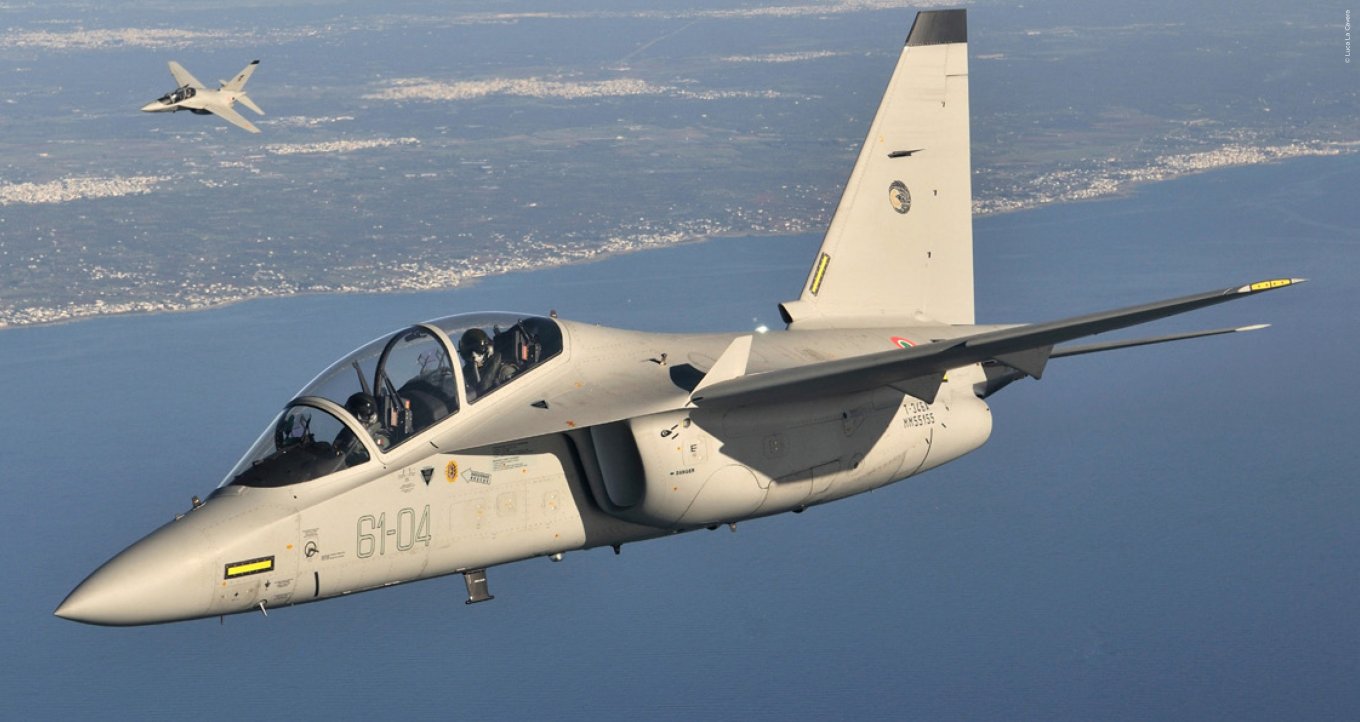
These aircraft are also considerably cheaper than full-scale multirole fighters. In 2025, Australia ordered 12 M-346 aircraft from Leonardo in a deal reportedly worth around €1.5 billion, or roughly €80 million per aircraft including support and associated systems. Meanwhile, Malaysia signed a contract in 2023 for 18 FA-50 aircraft valued at $920 million, or approximately $51 million per aircraft.
However, politics may ultimately play a larger role than operational or financial logic, particularly given potential pressure from the United States.
The recent fighter competition in Peru demonstrated how aggressively Washington can promote the F-16 abroad. Even if Mexico does not necessarily require a full-capability multirole fighter, the United States could still use its political leverage to prevent competitors from strengthening their presence in North America.
A similar example emerged earlier this year when the Embraer C-390 Millennium appeared to lose momentum in Mexicoin favor of the Lockheed Martin C-130J Super Hercules.
For this reason, the chances of Mexico ultimately selecting the Swedish Gripen currently appear relatively low.
Read more: Gripen Deal for Ukraine Gains Momentum, With First Fighters Possibly Coming Soon