


After the U.S. set the price for F-15s, Indonesia ordered additional Rafales, reached an agreement with Turkiye on KAAN, discussed J-10CE with China, JF-17 with Pakistan, and requested a credit from Korea for KF-21. Each of these fighters is several times cheaper than the American one, and some by an order of magnitude.
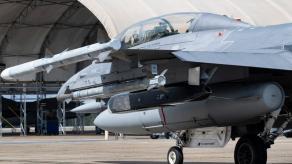
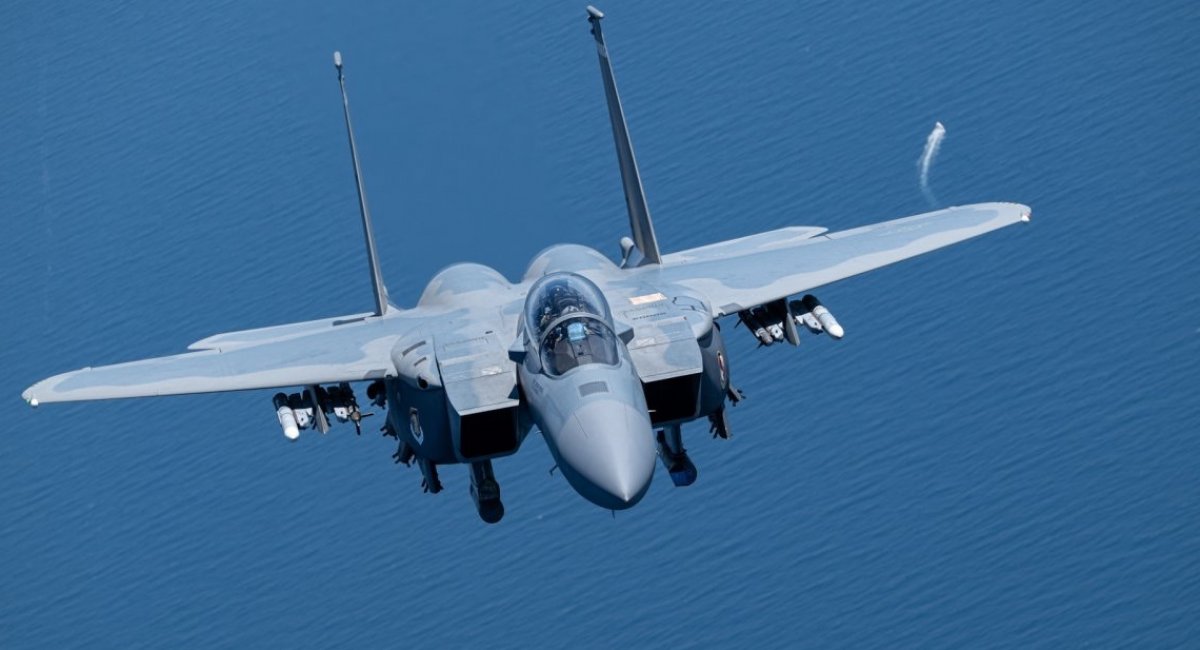
Boeing no longer expects to conclude a firm contract with Indonesia for the F-15ID, a separate version of the new-generation F-15EX aircraft that was actively discussed back in 2022.
Read more: Britain Wants Aster 30 Missiles in Tomahawk Launchers to Unify New Frigate Arsenal
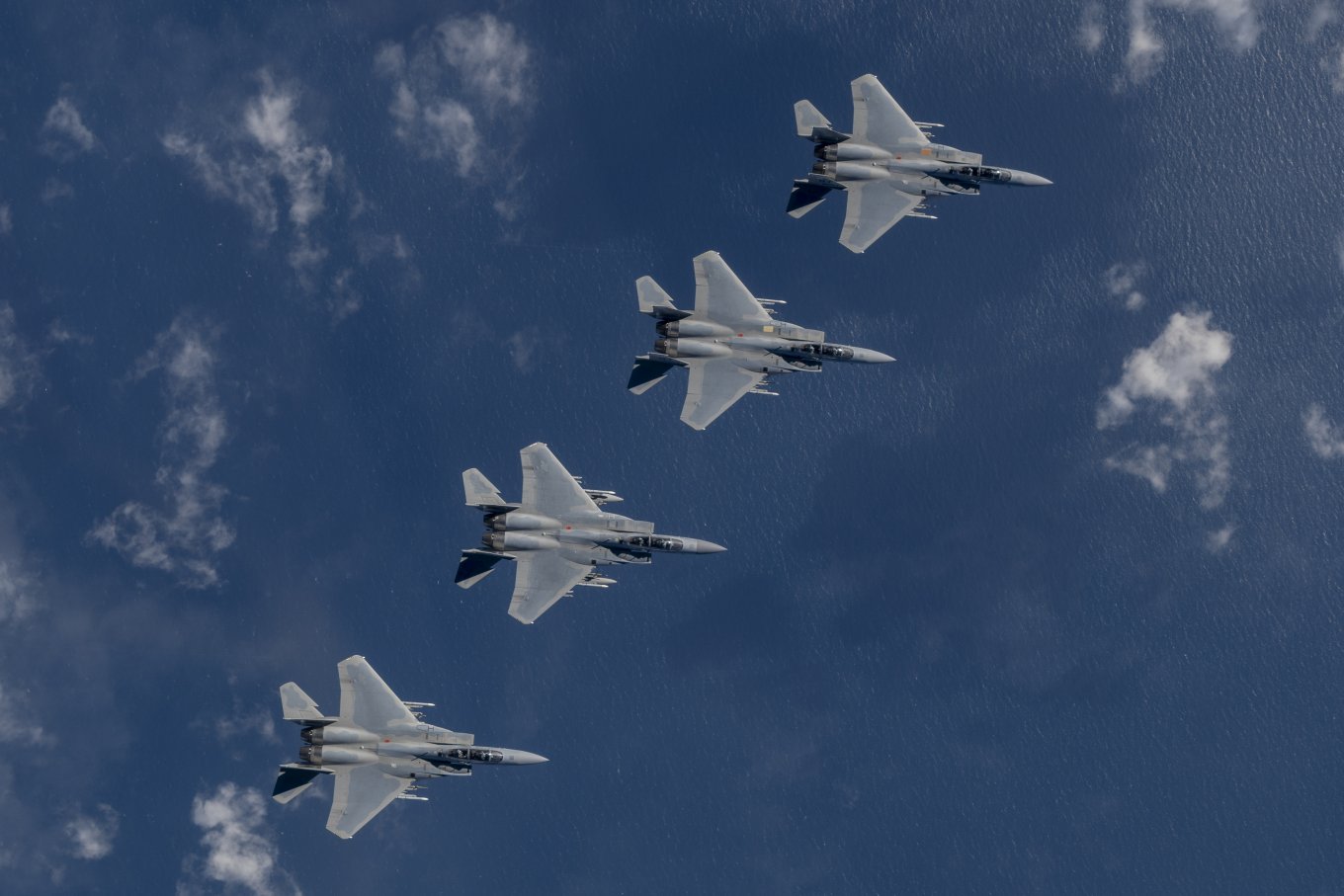
Vice President of Business Development and Strategy Bernd Peters announced this decision in an interview with Aviation Week. He did not specify the reasons for this decision, citing that it was to be an intergovernmental agreement. Still, he emphasized that Boeing's current goal is to increase deliveries of these fighters to the U.S. Air Force to a rate of 24 units per year.
From Defense Express's perspective, there may be two real reasons for ending active negotiations on selling American aircraft to Indonesia. The first is the price the U.S. set for the F-15ID, as the February 2022 sales authorization indicated that the ceiling cost of 36 F-15ID fighters with a spare parts package is up to $13.9 billion.
This means the preliminary price, which could have been lower at the time of signing a firm contract, for one F-15ID was $386.1 million. And this is despite the authorization making no mention of weapons at all. At the same time, it was impossible to call this sum intentionally inflated for Indonesia, as Qatar had previously ordered its 36 F-15QAs for about $12 billion.
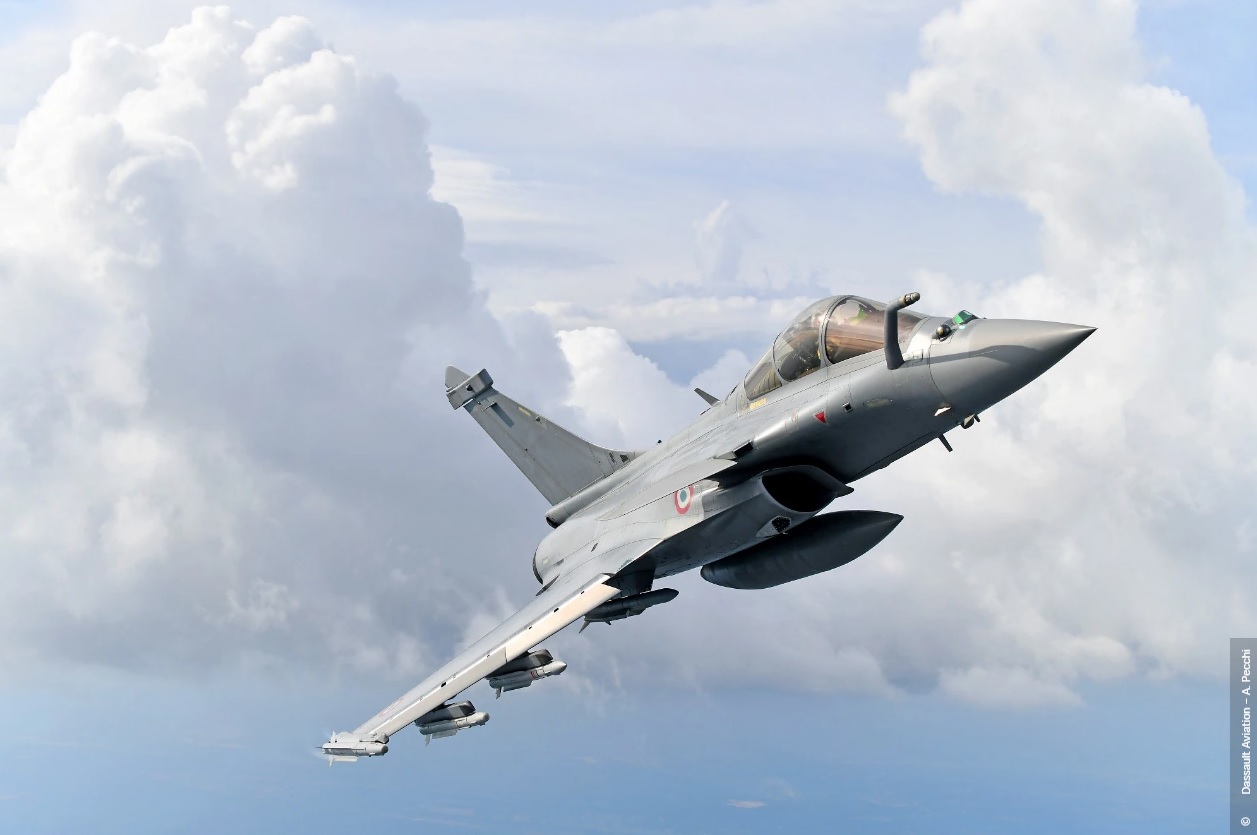
The second reason is that during this time, Indonesia began negotiations and sometimes even ordered five other types of fighters. The first is additional Rafales, the first of which finally arrived in the country, with a total of 50-60 fighters to be received. The second: 48 KAAN fighters ordered from Turkiye. The third: announced interest in the Chinese J-10CE. Fourth, announced negotiations regarding Pakistani JF-17s. And finally, the fifth Indonesian country still wants the Korean KF-21, for whose development it owes money, but is still asking Seoul for a credit to purchase them.
Against the backdrop of such a multi-vector policy from Jakarta, Boeing's lack of hope in selling F-15IDs to this country is now understandable. But justifying the enormous price difference for these American 4+ generation aircraft is quite difficult. In particular, if we take the American proposal of $13.9 billion, Indonesia could now purchase somewhere over half a hundred Rafales for that money.
As for other options, we're also talking about several times more aircraft. It's too early to discuss the cost of KAAN, which is still in the early prototype stage.
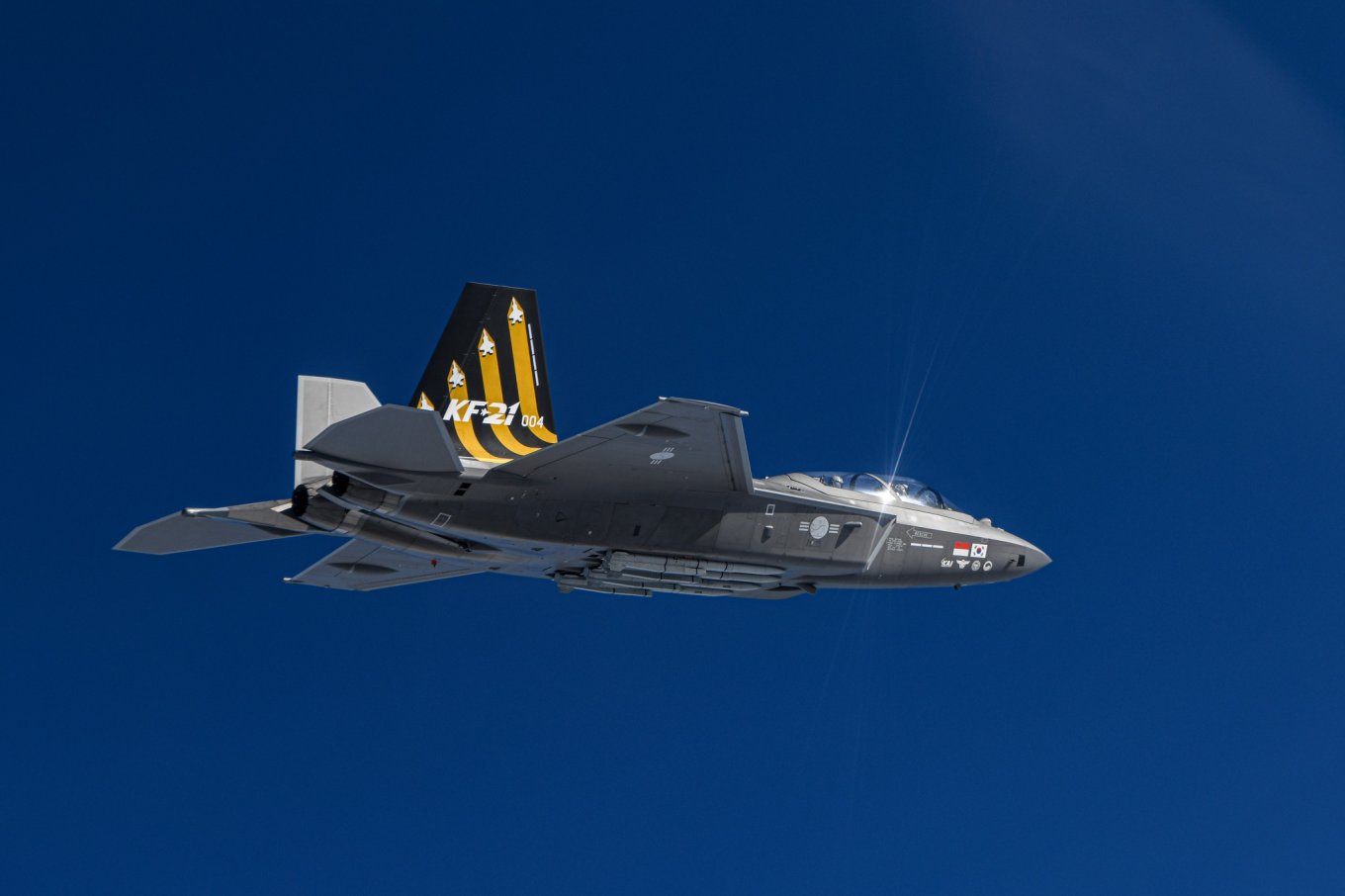
But regarding the KF-21, whose serial production is already underway, we can discuss pricing, as a new batch for the Korean air force is contracted at $87.5 million per unit, to which should be added the cost of two F414 engines at $11.25 million each, which goes through a separate contract. So one KF-21 for Korea costs about $110 million. Export will be more expensive, but with a 1.5x price increase to $165 million, that's over 80 KF-21s for $13.9 billion.
There are no public prices for Chinese J-10CEs, but cost estimates range from $40 million to a more realistic $70 million per unit. That means for the money the Americans wanted, you could buy nearly 200 J-10CEs. And if you believe that the JF-17 price is really only $40 million each, almost 350 Pakistani fighters. And Boeing cannot clearly compete with such mathematics.
Read more: UK Refuses Send Problem Watchkeeper Drones To Ukraine, Will Buy Cost-Effective Systems Instead