


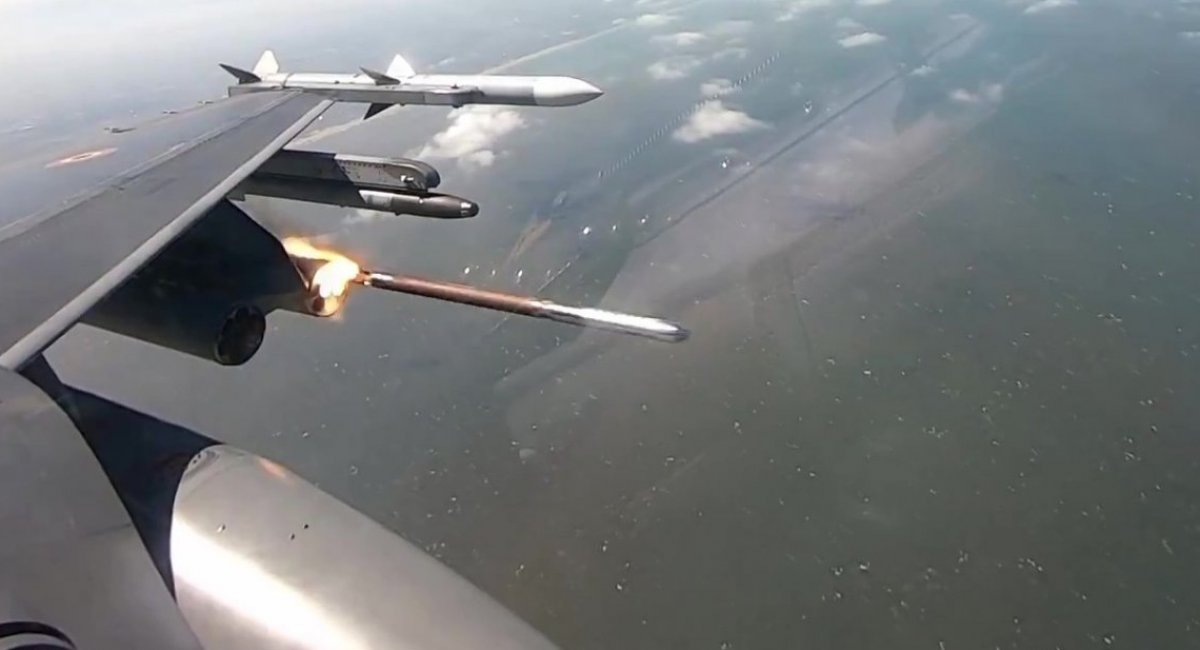
Belgian Air Force has demonstrated the shootdown of a drone target by an F-16 using the FZ275 LGR rocket by Thales Belgium, confirming the effectiveness of the solution.
Video footage captures the moment of target tracking via an electro-optical targeting pod and a direct hit on the drone by an inert rocket carrying no live warhead.
Read more: Ukrainian FP-5 Flamingo-Equipped Brigade Identified Following Strike on russian VNIIR-Progress Plant
The exact date the footage was filmed has not been disclosed, though Belgian F-16s had already been observed carrying these rockets as far back as March, when spotters first photographed a fighter armed with LAU-131/A pods for 70 mm rockets.
The Belgian armed forces subsequently confirmed officially that they are working on the integration of anti-drone rockets — not the APKWS already in active use by both Ukrainian and U.S. air forces, but Belgium's own FZ275 LGR.
As a reminder, the FZ275 LGR shares the same 70 mm caliber and the same semi-active laser homing guidance system as the APKWS, meaning the target must be illuminated until the moment of impact. The primary advantage of such munitions is cost, a fraction of that of any other serial air-to-air missile. A single F-16 can carry a total of six pods across two hardpoints, with seven rockets per pod, for a total of 84 rockets per sortie.
The APKWS, while originally developed by British firm BAE Systems, is manufactured in the United States and has already become a hostage to shifting Washington priorities, its deliveries to Ukraine were previously suspended. With U.S. stocks also under pressure following expenditure during operations against iran, shortfalls could deepen further.
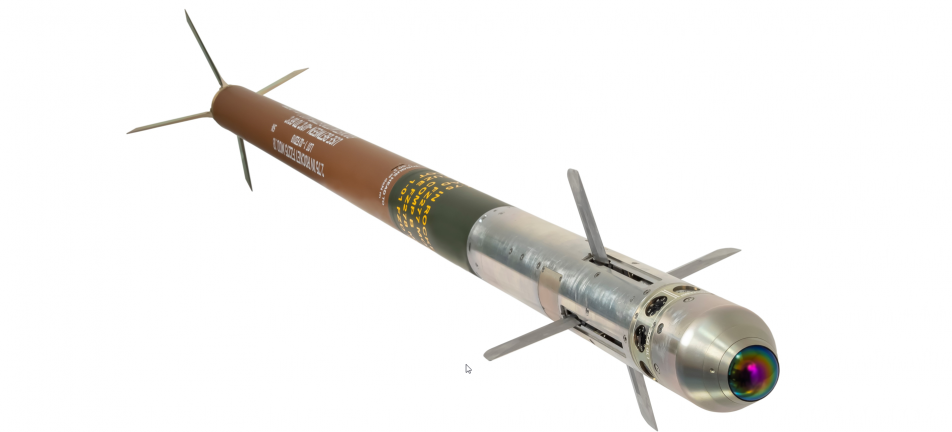
This makes Belgium's work on integrating its own FZ275 LGR particularly significant, especially given that Belgium is one of Ukraine's F-16 donor nations, with 30 aircraft pledged, though none have been delivered yet as Belgium awaits the arrival of a corresponding number of F-35s.
Belgian F-16s are also configured identically to the fighters already transferred to Ukraine, meaning FZ275 LGR integration on those airframes is equally feasible. It should be noted, however, that Thales is currently struggling to keep pace with demand, with plans to reach a production rate of 3,500 rockets per year only by late 2026.
Read more: Ukrainian Lasar's Group Destroys russian R-330Zh Zhitel EW System and Command Vehicle in Kharkiv Region (Video)