


Recently, the CEO of German arms giant Rheinmetall, Armin Papperger, dismissively referred to Ukrainian drone production as a "game of Lego," describing its developers as "housewives with 3D printers in their kitchens." While intended as criticism, the remark inadvertently highlights a profound shift in modern warfare, where million-dollar corporate developments are increasingly outpaced by decentralized, modular solutions.
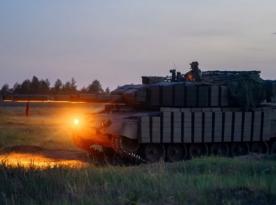
Dismissing Ukrainian engineers in such terms overlooks a key battlefield reality. If a multi-million-dollar tank can be neutralized by a drone-dropped munition equipped with a cheap 3D-printed tail fin, the very rules of warfare are changing. In today's operational environment, victory does not always go to the side that spends years perfecting complex systems in laboratories. It goes to the force that can assemble effective solutions from available "building blocks" the fastest.
Read more: UGVs in Ukrainian Service: How They Overcome Kill Zone and Change Rules of War
The Clash of Doctrines
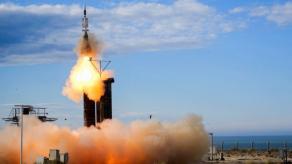
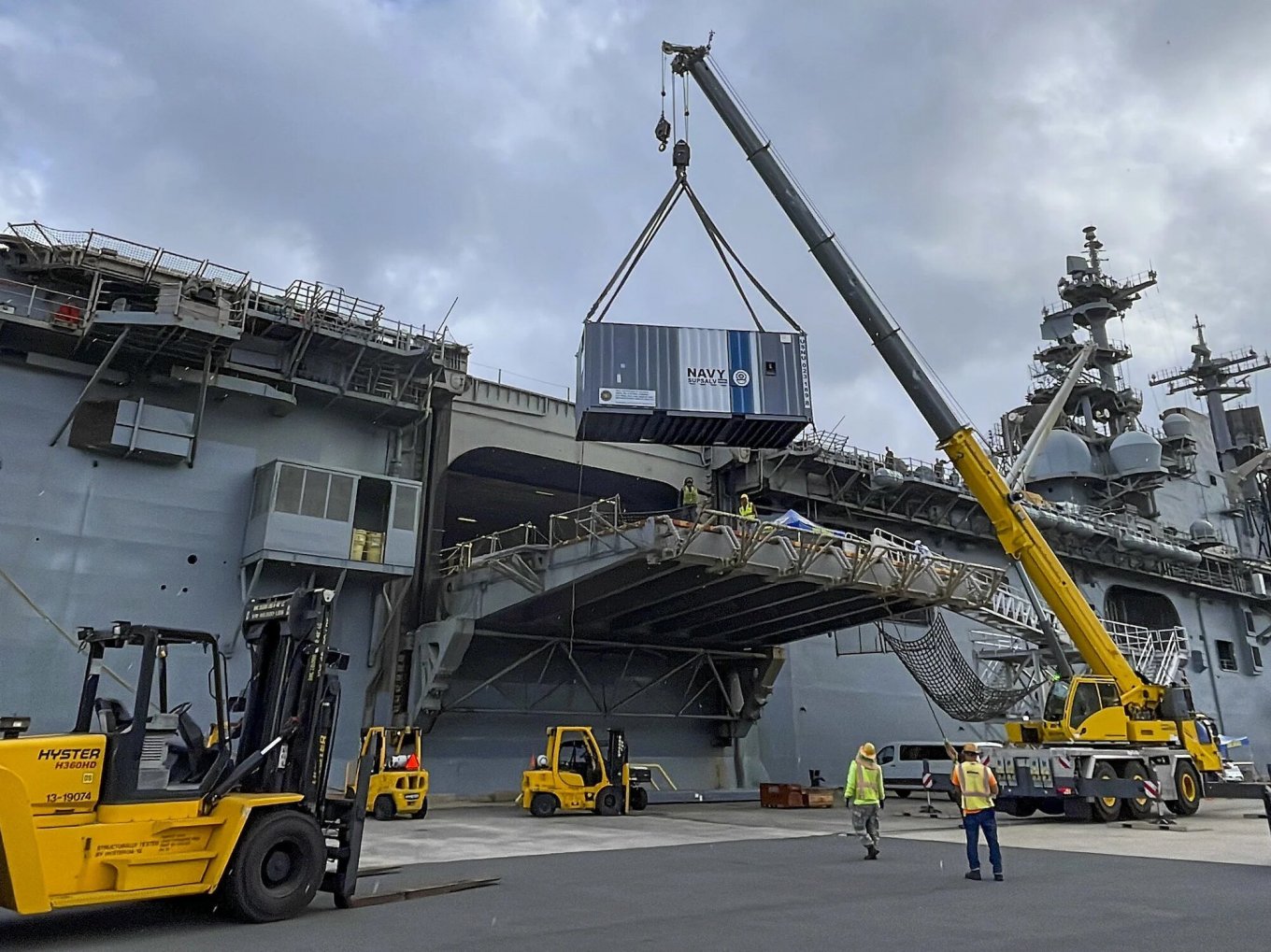
Historically, Western militaries have treated additive manufacturing as a high-end, centralized engineering tool. The U.S. Navy, for example, deploys industrial Selective Laser Melting (SLM) metal 3D printers on aircraft carriers and nuclear submarines to fabricate engine components at sea. Companies like X-Bow Systems use the technology to produce solid rocket motors.
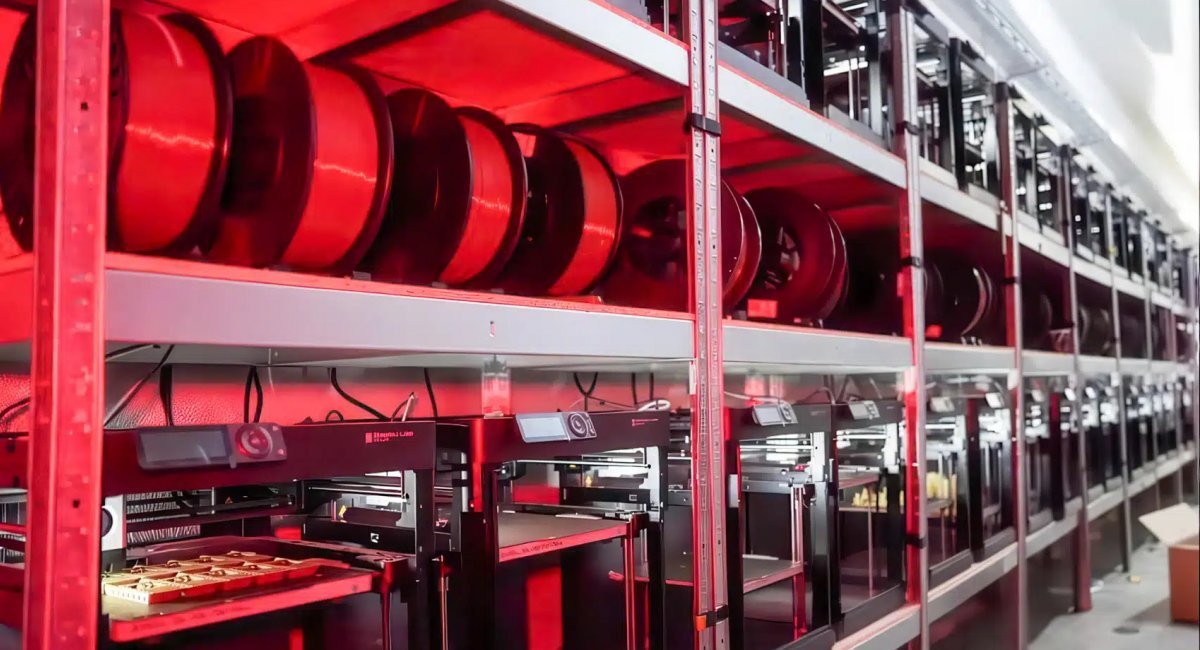
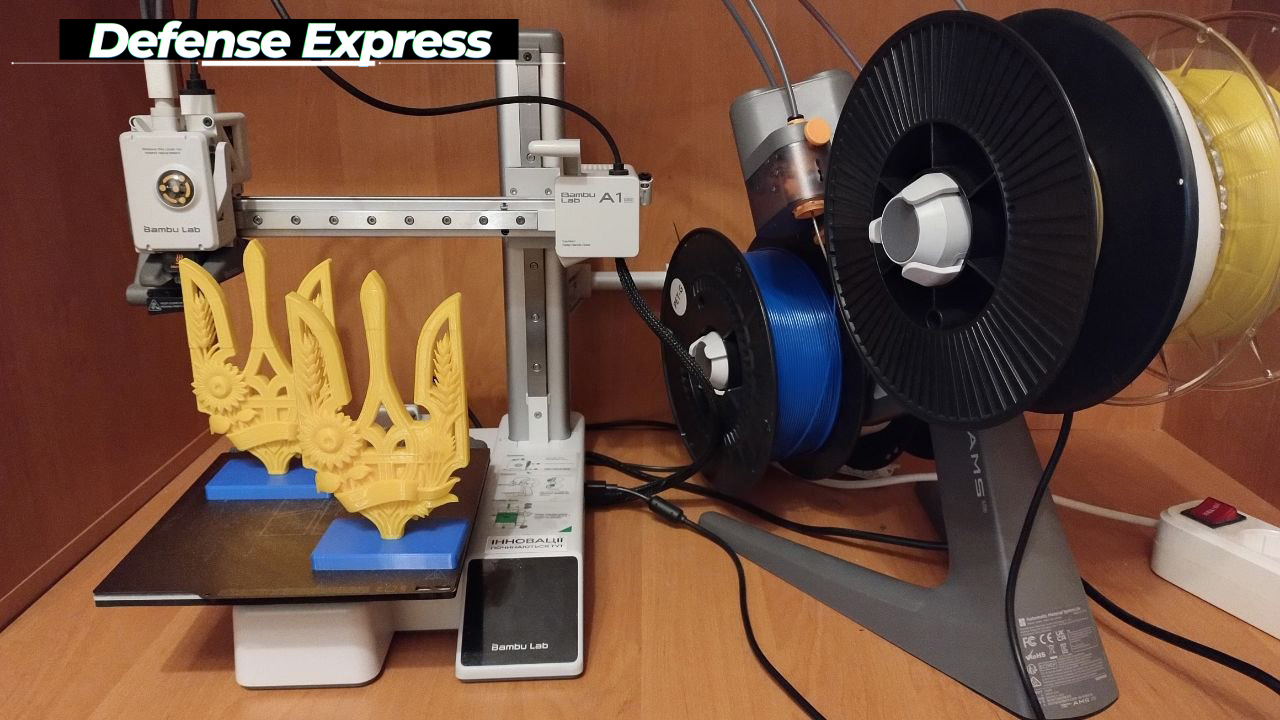
Ukraine's approach stands in sharp contrast. It focuses on scale, speed, and accessibility, relying on widely available FDM and SLA technologies. Standard desktop systems, such as those produced by Creality or Bambu Lab, have effectively been turned into thousands of autonomous micro-factories. This enables combat units to develop localized, mission-specific solutions directly in the combat zone.
From Improvised Fixes to Engineering Ecosystem
At the start of the full-scale invasion in 2022, 3D printing was primarily an emergency response to severe shortages. Volunteers produced simple tail fins, brackets, and improvised drop systems for commercial DJI Mavic drones.
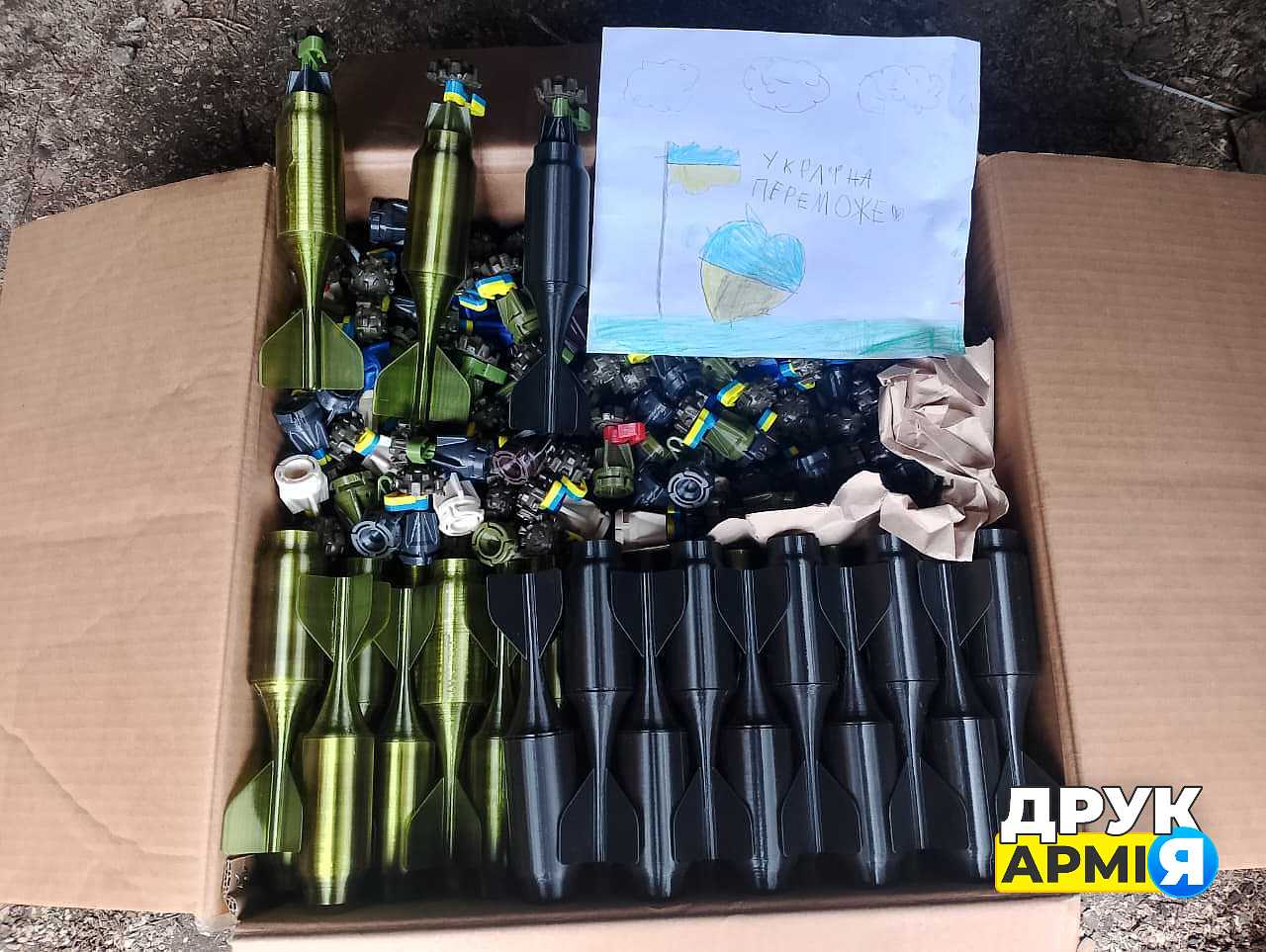
Over the 2024–2026 period, this improvised effort has evolved into a complex engineering ecosystem. Today, decentralized production hubs manufacture specialized mounts for mobile air defense teams, protective casings for unmanned ground vehicles (UGVs), and components that adapt legacy Soviet munitions for aerial deployment.
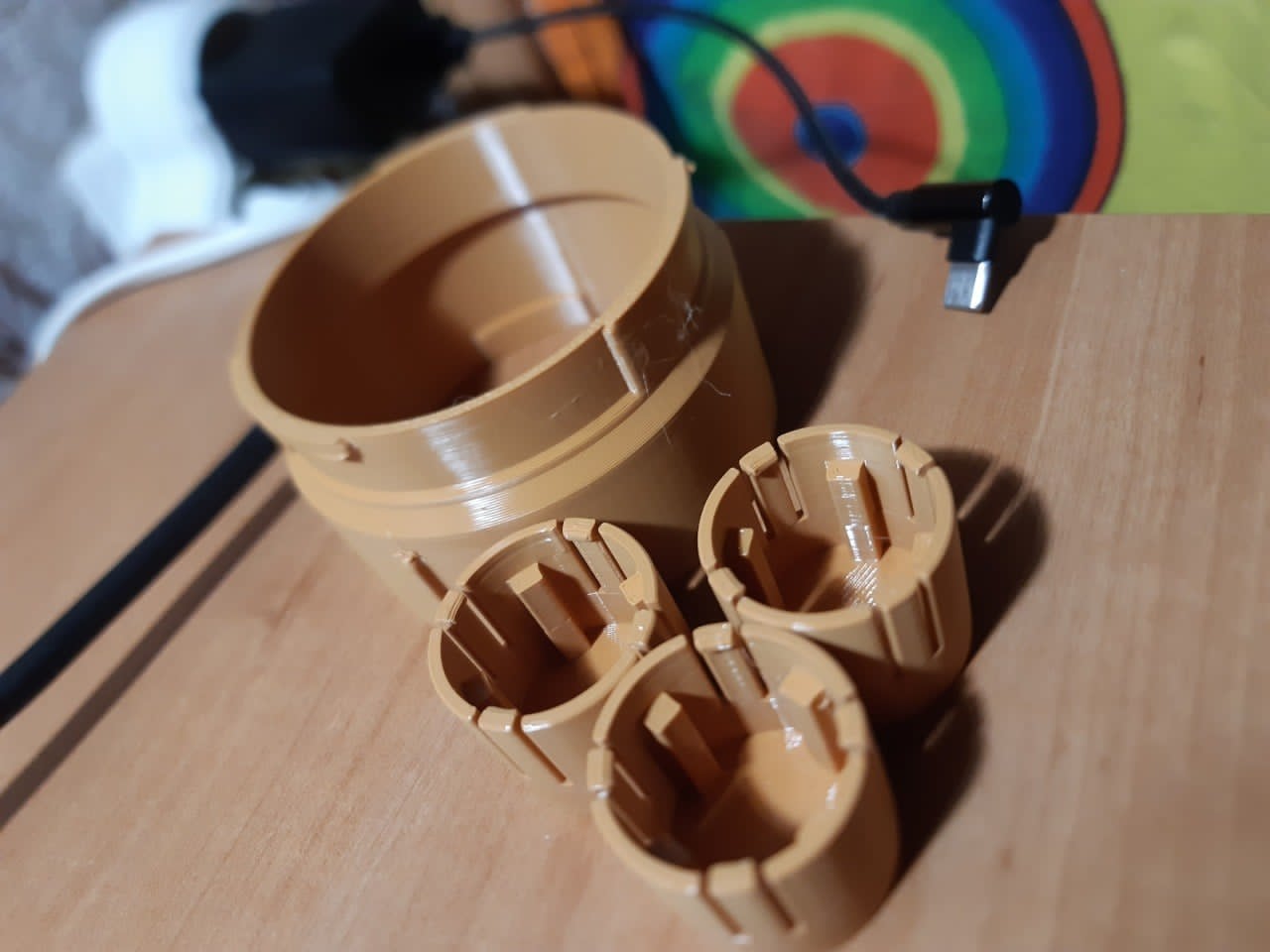
For the rapidly expanding FPV drone sector, 3D printing provides critical modularity. Casings, antenna mounts, and battery holders are continuously redesigned and replaced based on real-time feedback from the frontline.
A Distributed Military Conveyor Belt
The real strength of Ukraine's model lies in its decentralization. There is no single production facility that can be targeted and destroyed. Instead, the network spans from individual volunteers working from their homes to organized engineering communities like Steel Hornets and large-scale manufacturers such as Wild Hornets, which integrate 3D-printed components into serial production.
Coordination platforms like DrukArmy function as a distributed manufacturing hub, effectively acting as a digital conveyor belt that allocates orders across the network.
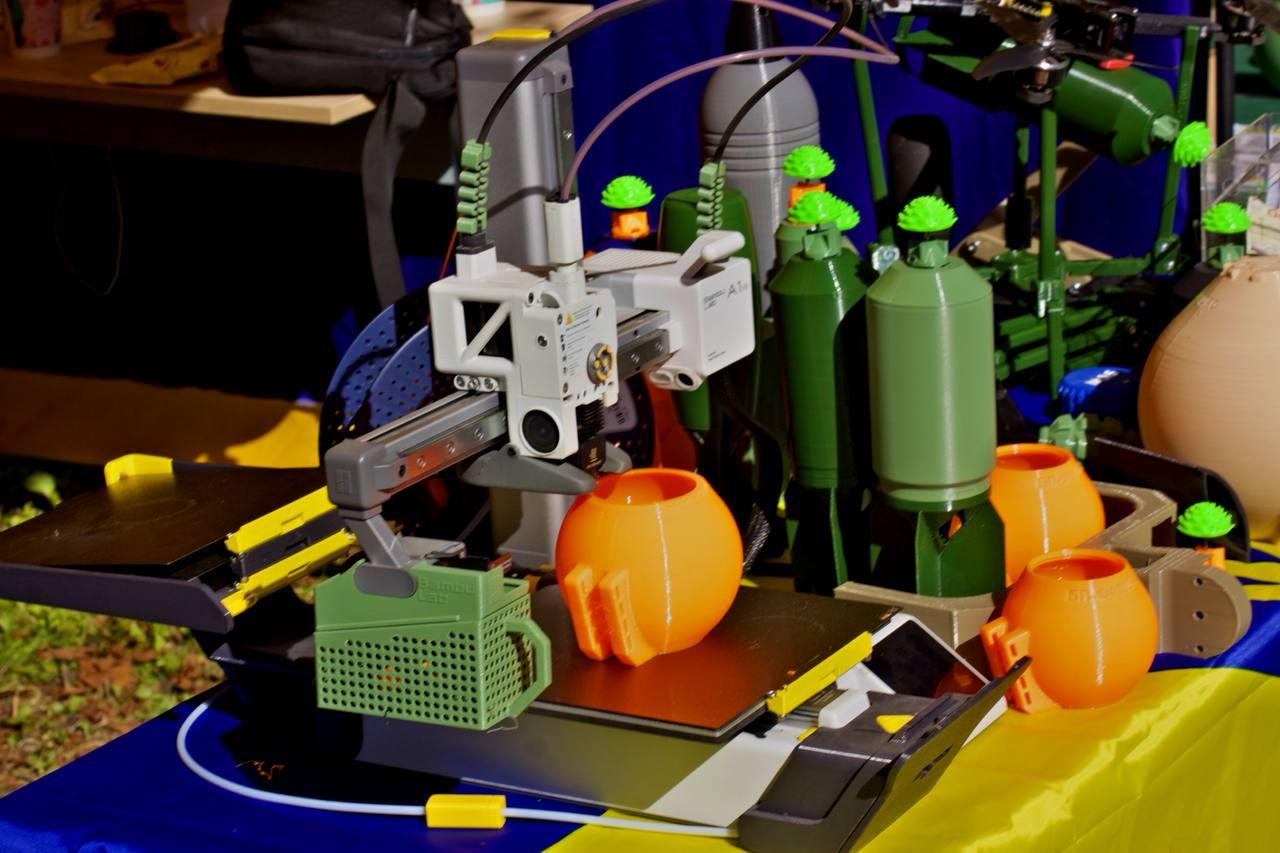
The economics are equally compelling. With filament costing roughly 300 UAH (about $8) per kilogram, the price of individual components is negligible. This eliminates the need for expensive molds and enables fast, cost-effective production of small batches. The time from a new CAD model to a finished part at the frontline can be measured in days.
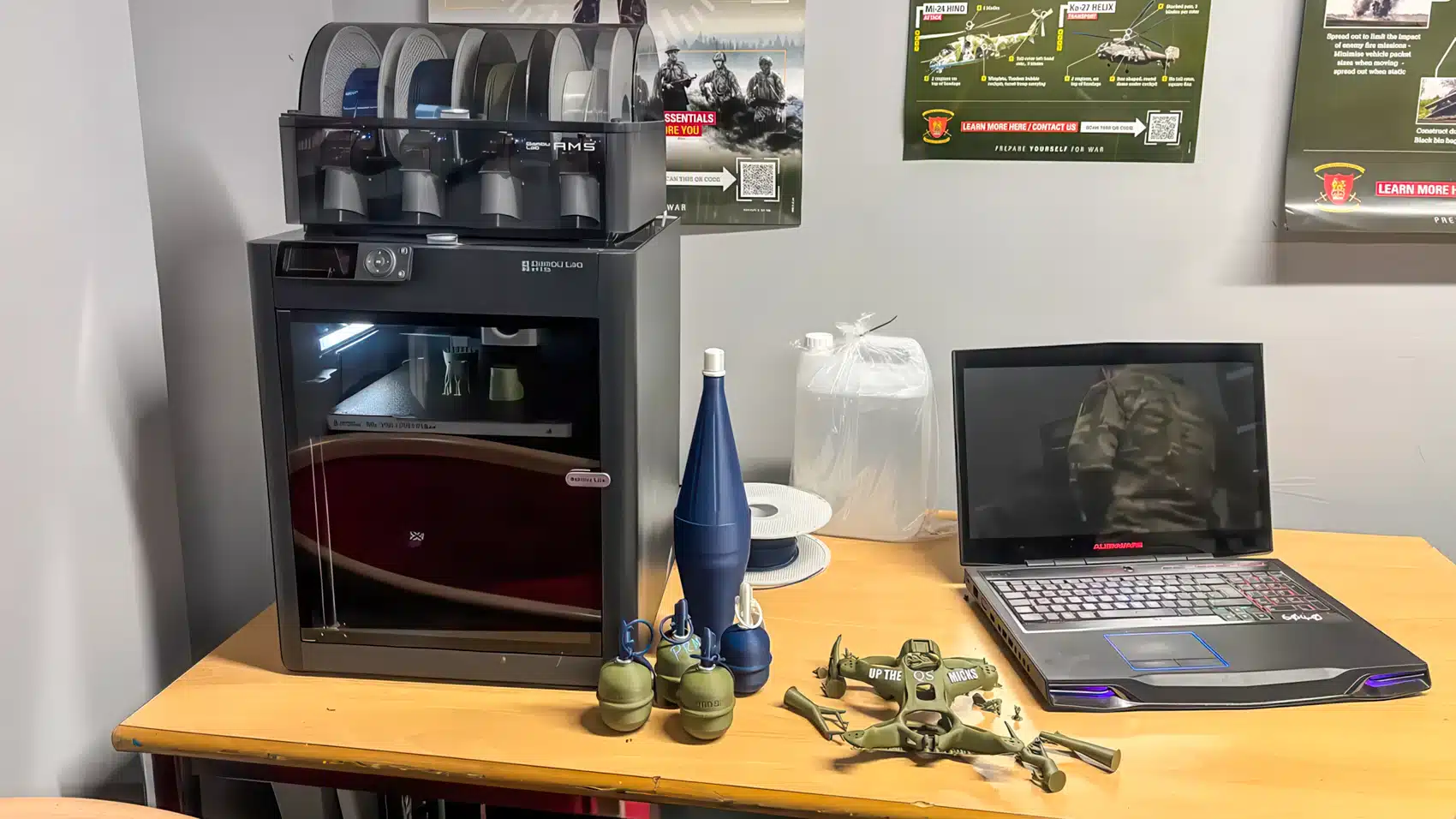
This approach has become so effective that Ukraine’s Ministry of Defense has established a Component Library with over 170 validated digital models for rapid field repairs. The impact of this so-called "kitchen Lego" is already being recognized abroad. In 2026, the UK’s Irish Guards began integrating 3D-printed drone components into training and maintenance processes, drawing directly from Ukrainian battlefield experience.
The Quality Challenge
Early volunteer production revealed serious limitations. Many parts suffered from layer-based structural weakness (anisotropy), while common PLA plastics degraded under heat. The diversity of printers and operators also made standardization difficult.
To address this, coordination platforms like DrukArmy introduced strict quality assurance procedures. New participants must pass entry tests by producing sample parts evaluated by experts. Only verified operators are allowed to fulfill military orders.
At the same time, production shifted toward more durable materials, including PETG, as well as ABS and nylon, which require controlled environments. Over time, this loosely organized network evolved into a structured distributed manufacturing system with its own quality control standards.
Military Medicine and Prosthetics
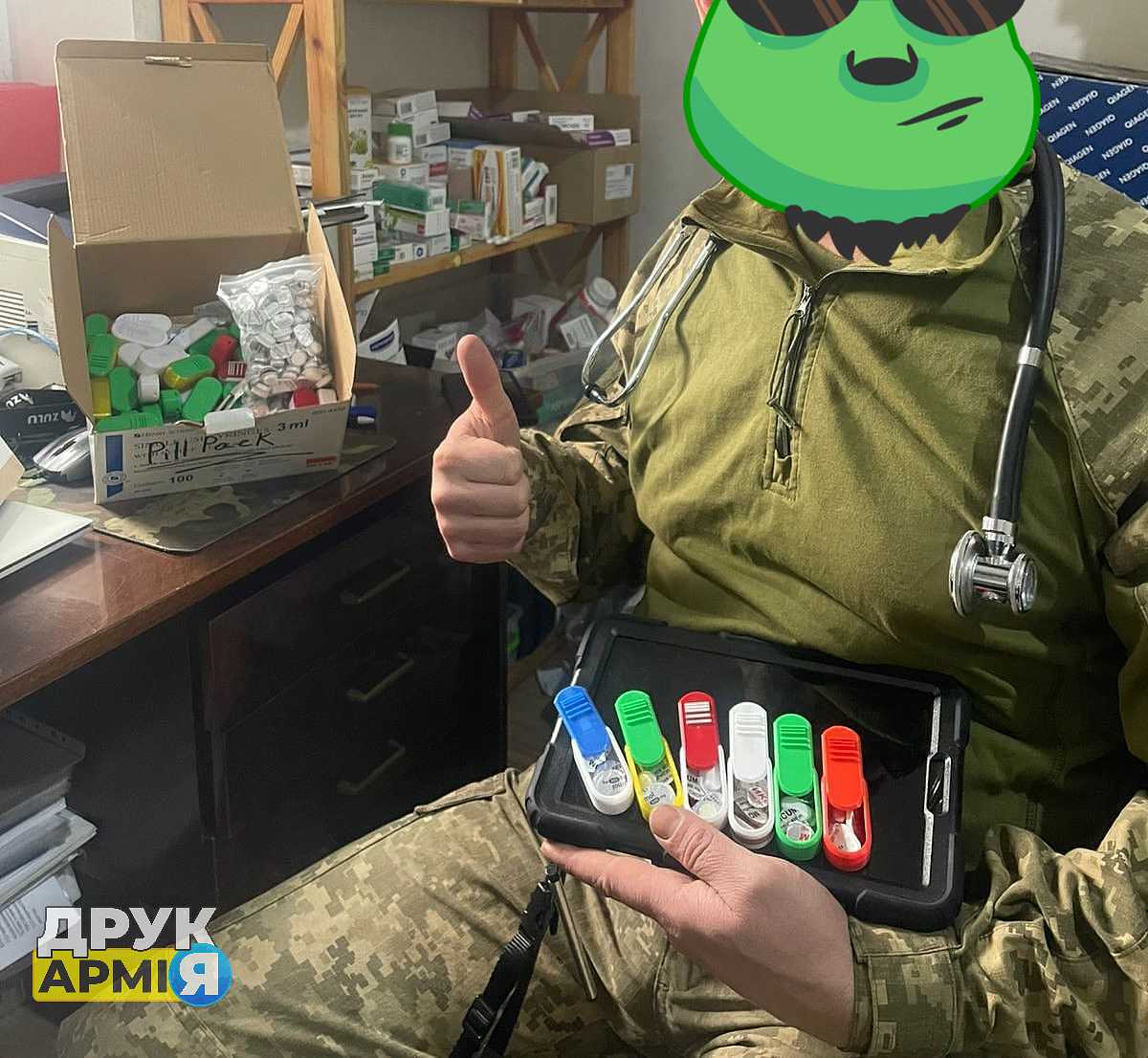
Additive manufacturing has also become deeply integrated into military medicine. Durable polymers are used to produce protective containers for medical supplies, MOLLE-compatible tourniquet holders designed for one-handed use, and protective cases for critical tools such as decompression needles.
Training has also benefited. Instead of relying on expensive imported mannequins, instructors now use 3D-printed bone replicas combined with ballistic gel to simulate realistic injuries.
In rear areas, these technologies support the rehabilitation of wounded soldiers. By combining 3D scanning with printing, specialists can produce custom prosthetic sockets, orthoses, and protective covers. This reduces production time for personalized components from weeks to hours.
Combat Engineering: Tools for Sappers and Signal Units
For explosive ordnance disposal (EOD) teams, 3D printing provides a wide range of specialized tools, including non-magnetic polycarbonate grappling hooks. These allow sappers to safely clear tripwires and handle sensitive munitions, including fragmentation mines such as POM-2 and OZM-72.
Signal units also benefit significantly. Weather-resistant ASA plastics are used to produce protective casings with integrated neodymium magnets, allowing Starlink terminals to be quickly mounted on vehicle roofs. Custom radio mounts and adapters ensure reliable communication in harsh conditions.
Conclusion
Throughout the war, 3D printing has proven to be an essential tool for frontline support. It reduces equipment downtime, enables rapid drone adaptation, and provides critical tools for medics and engineers directly at the point of need.
While desktop systems cannot replace heavy industrial production, they do not need to. Ukraine's experience demonstrates the effectiveness of a hybrid model, where traditional defense industry capabilities are complemented by a decentralized network of agile micro-factories. This combination creates a resilient and highly adaptive supply system, capable of responding quickly to the demands of modern warfare.
Read more: How FrankenSAM Revived Soviet SAMs, Became a Nightmare for Shaheds, and What Lies Ahead