


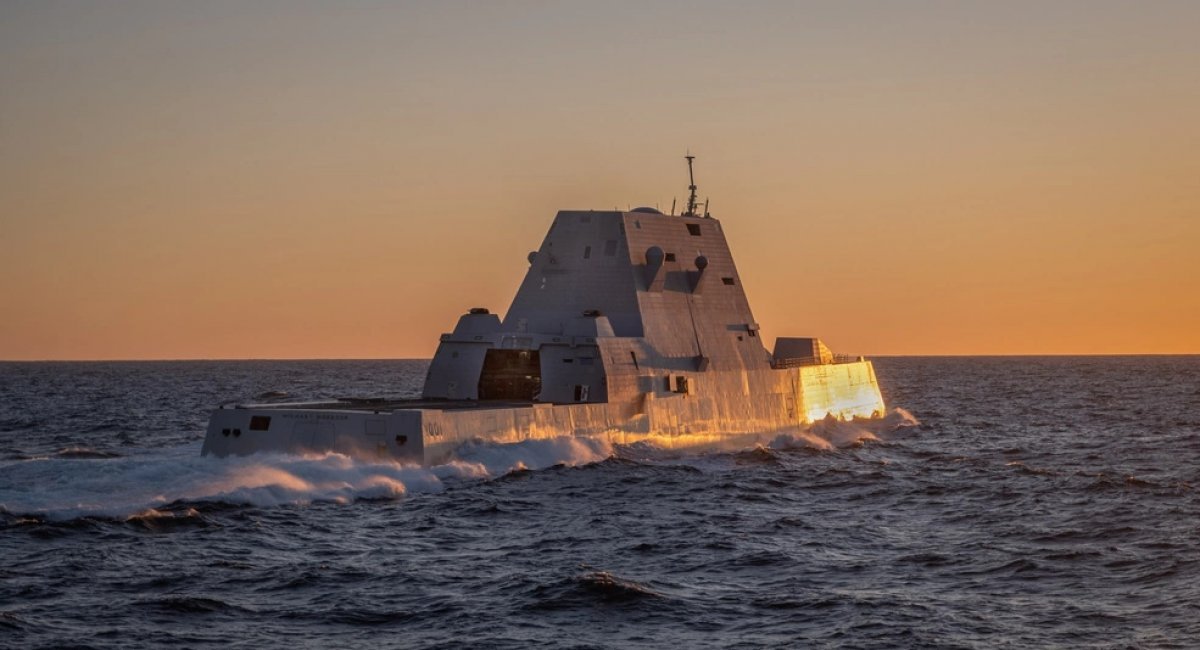
The first ship of the class, USS Zumwalt (DDG-1000), is expected to be reactivated and leave dry dock as early as 2026. This will effectively give the U.S. Navy its own response to russia's Zircon hypersonic missiles.
According to NavalNews, these details were revealed during a panel discussion featuring program manager Captain Clint Lawler. All major modernization work on the ship was completed in 2025, with the Advanced Payload Module missile launchers installed in November of that year.
Read more: The U.S. Boosts SM-6 Output to Defend Its Fleet Against russian Kinzhal and Zircon Missiles
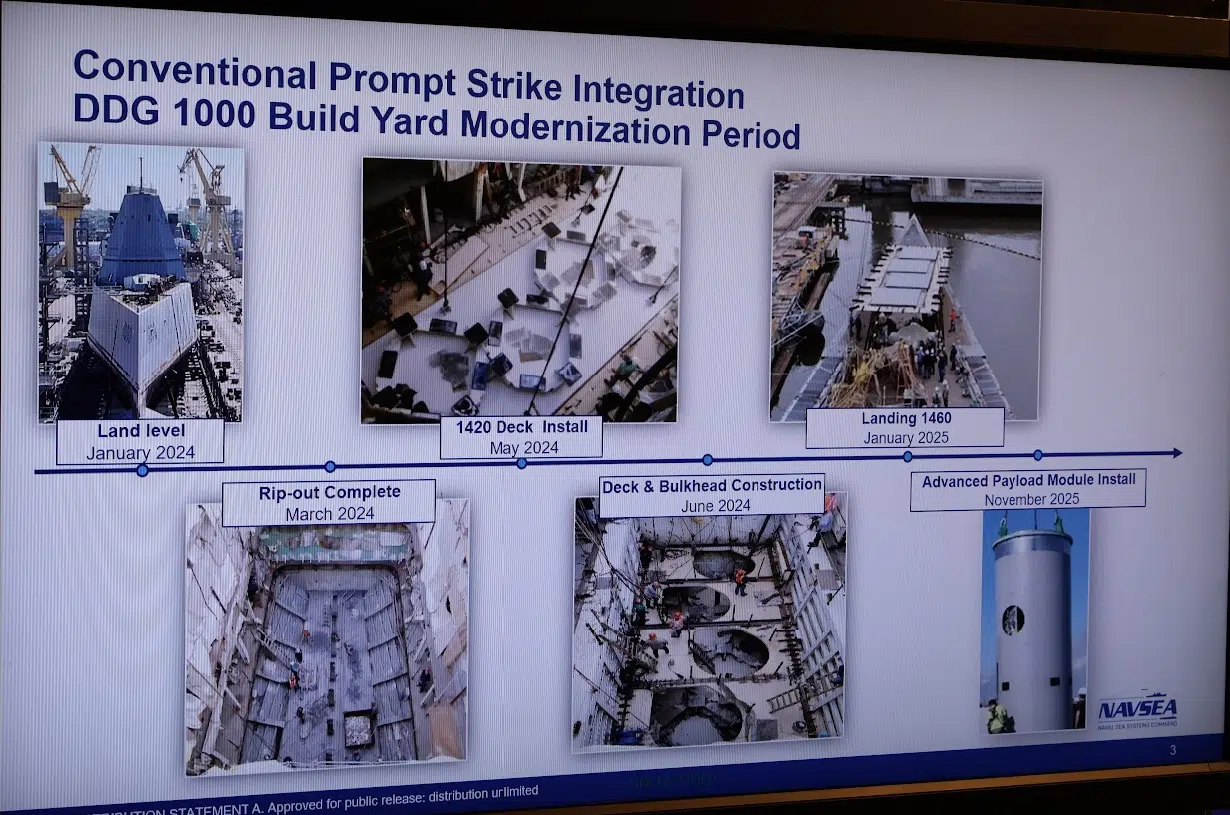
Over three years in dry dock, both 155 mm Advanced Gun Systems (AGS) were removed from Zumwalt. The forward gun mount was replaced with launchers for CPS (Conventional Prompt Strike) hypersonic missiles, while the space freed by the second gun was allocated for other, undisclosed purposes.
The current plan involves the restart of all shipboard systems, after which testing of the new weapons will begin. Previously, such testing was expected to start no earlier than 2027 or even 2028, but it remains unclear whether this timeline has now been revised.
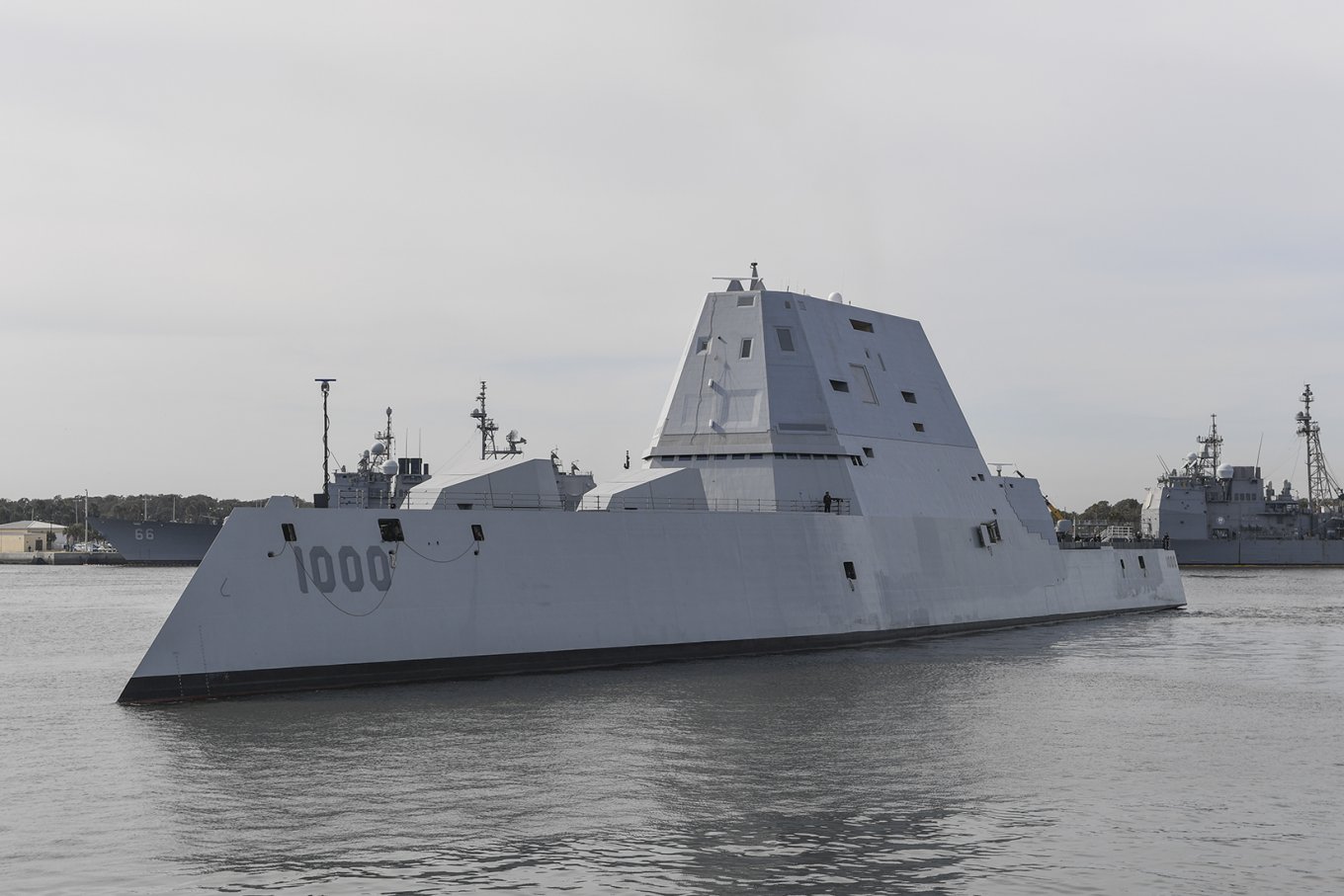
As Defense Express notes, once work on USS Zumwalt is completed, the U.S. Navy will receive its first surface combatant armed with hypersonic weapons. This will represent Washington's first operational answer to russia's Zircon missiles at sea.
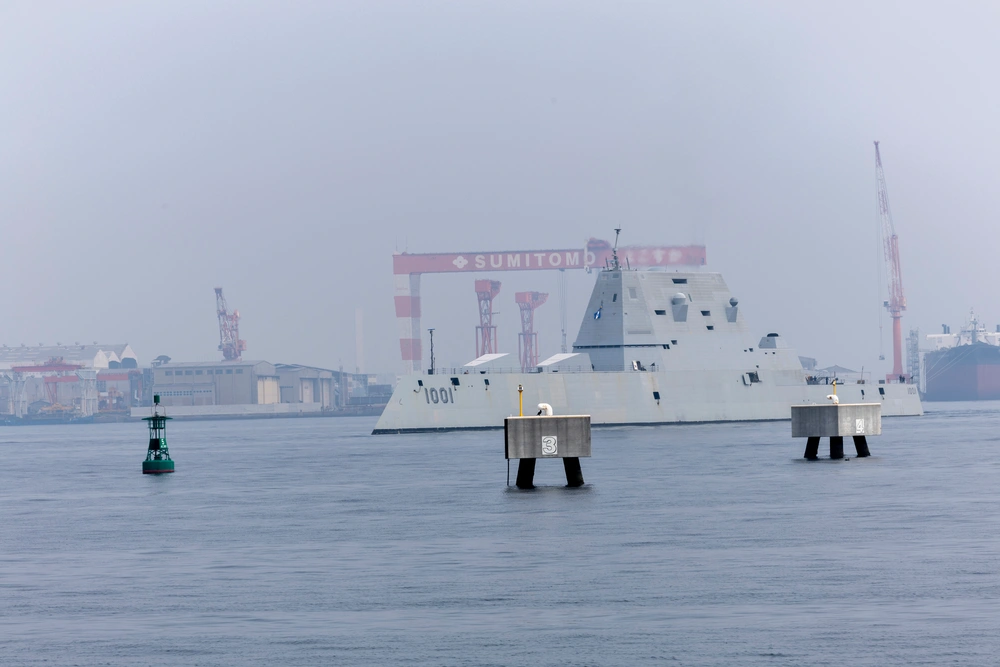
The same modernization is planned for the other two destroyers of the class: USS Michael Monsoor (DDG-1001) and USS Lyndon B. Johnson (DDG-1002). Work on the latter is already underway, with its guns and other non-essential equipment already removed. Meanwhile, Michael Monsoor attracted attention last year due to its visibly worn condition.
Notably, the launchers installed on Zumwalt are identical to those used on Virginia-class nuclear submarines in the Block V configuration. In 2025, the U.S. Navy also ordered the next iteration of these submarines, Block VI.
Thus, this program represents not only the rearmament of destroyers but also an opportunity to test new hypersonic missiles and related systems. This approach should help reduce risks when integrating such weapons on other platforms in the future.
Read more: U.S. Navy Set to Seal Massive Deal for 15 Nuclear Submarines Worth 10 of Billions Aiming to Boost its Underwater Dominance