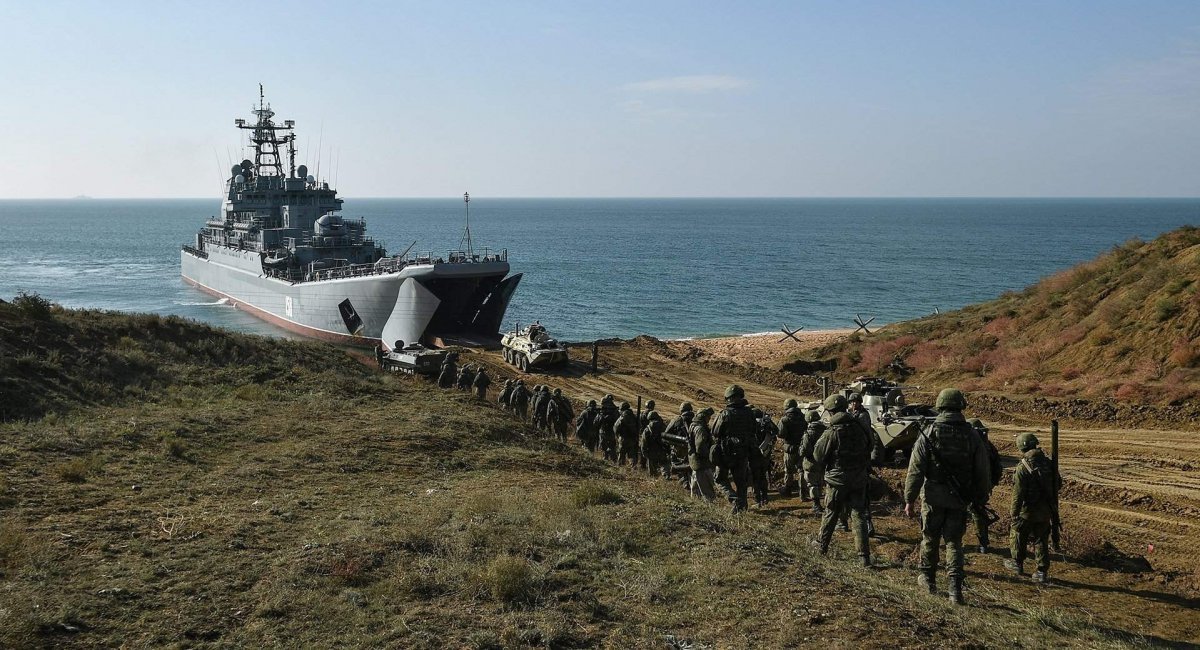
russian sources report that on December 1, 2025, a ceremony was held in Vladivostok to reorganize the 155th Marine Brigade of the Pacific Fleet into the new 55th Marine Division. They also mention the start of the transformation of the 336th Marine Brigade of the Baltic Fleet into the 120th Marine Division.
The military-political leadership of the aggressor state first announced plans to form marine divisions back in late 2022, but in reality began implementing this nearly three years later. The restructuring is based on brigades that suffered heavy losses in combat against Ukrainian forces — meaning that, in a very real sense, Ukrainian warriors slowed or postponed this process.
Read more: If russia Has Built Asymmetric Advantages, from Glide Bombs to Rubikon, What Can Ukraine Do in Response?
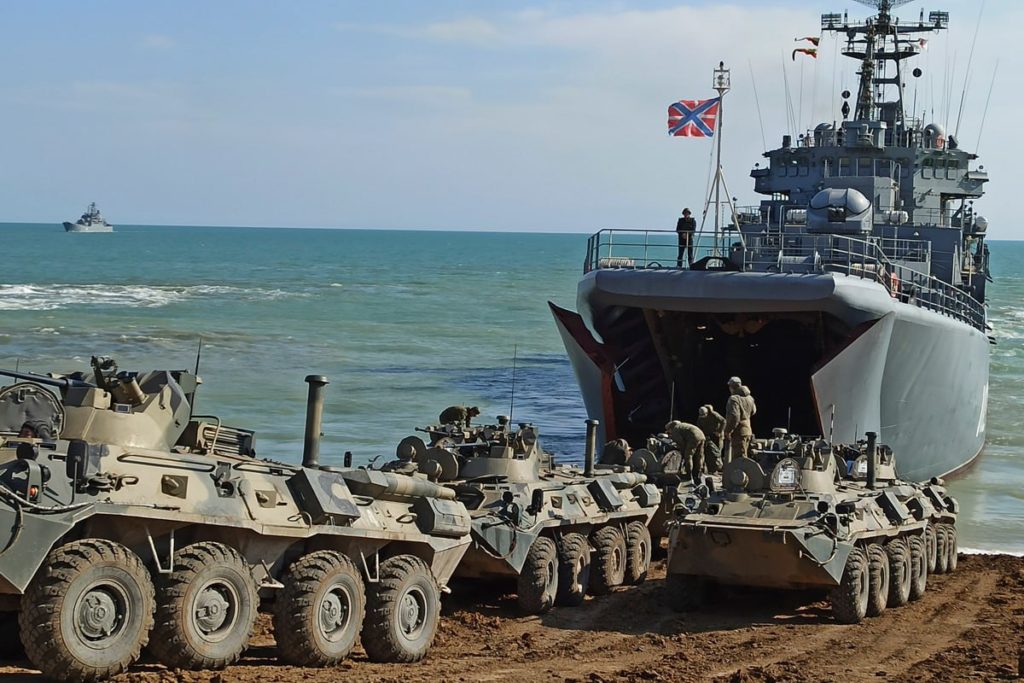
It is worth recalling that, according to open-source information, the 155th Marine Brigade fought against the Defense Forces of Ukraine in the Kursk region from August 2024 until mid-2025. Meanwhile, the 336th Brigade of the Baltic Fleet was observed operating on the Pokrovsk axis during the summer and autumn of 2025.
Why russia Wants These "Monsters"
According to russia's 2022 force-development plan, Moscow intends to create five marine divisions. The term "monsters" is hardly an exaggeration: the Soviet Union had only one marine division — also the 55th — assigned to the Pacific Fleet. It was disbanded in the 2000s, and its remnants ultimately formed today's 155th Brigade.
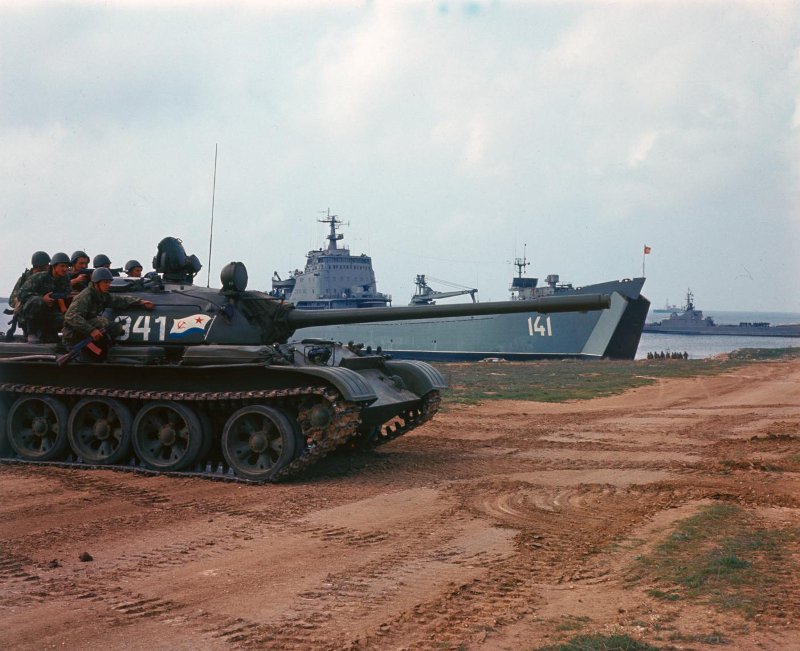
For context, late-Soviet marine forces (1990) included 17,000 personnel, 230 T-54/55 tanks, 150 PT-76 amphibious tanks, and 1,045 armored vehicles. The structure comprised one marine division, three separate brigades, and four special-purpose brigades. The Soviet Navy operated 76 large and medium landing ships.
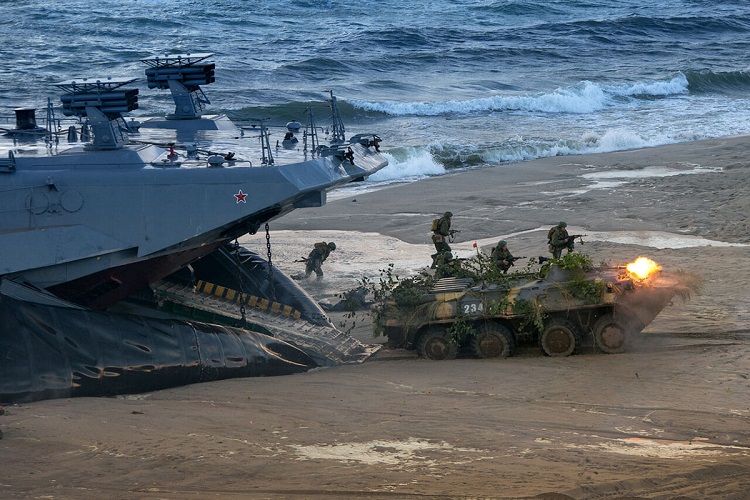
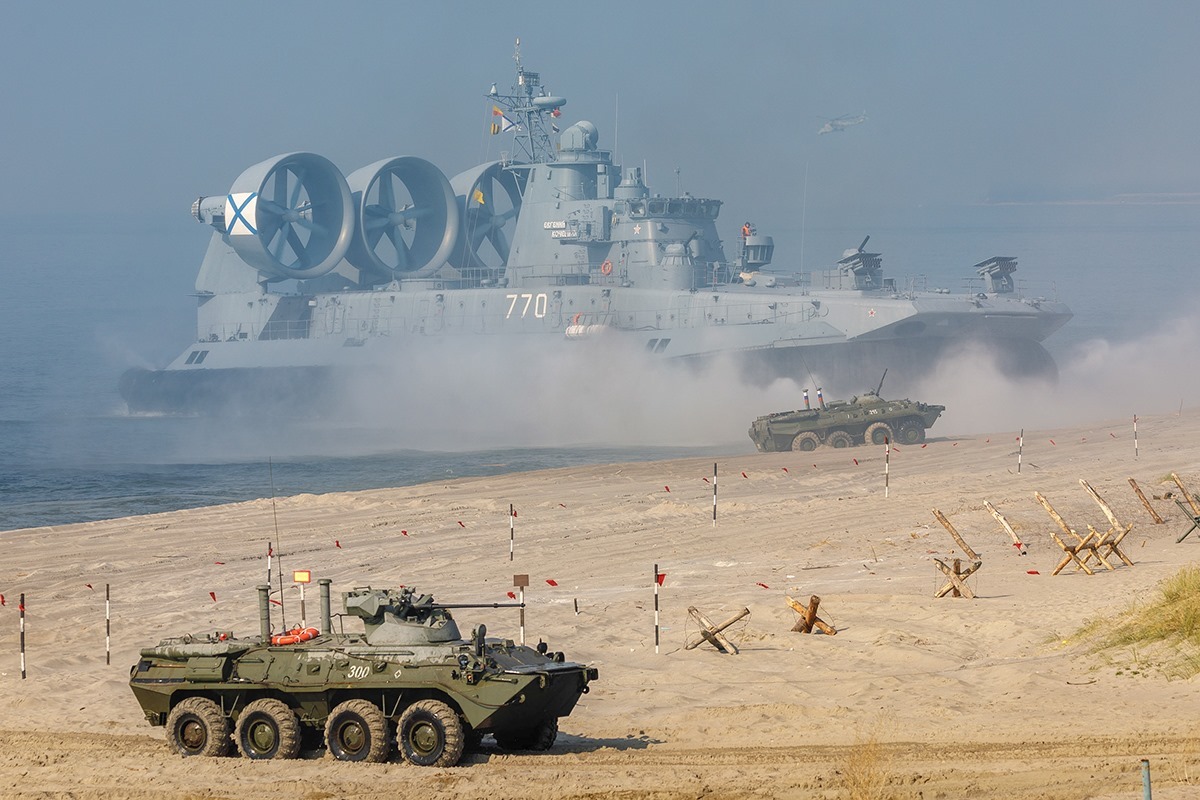
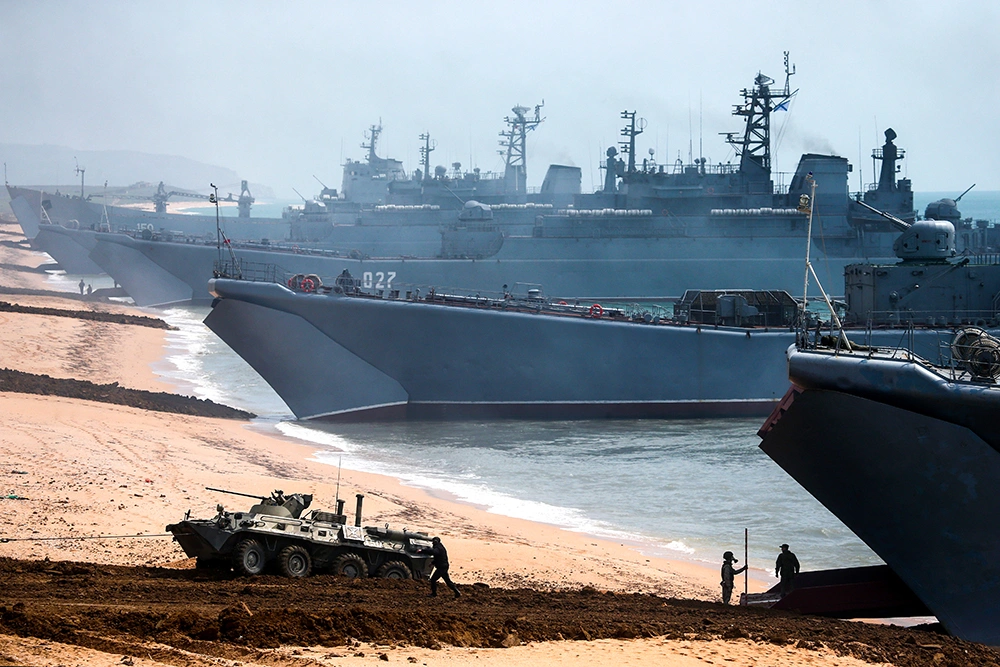
By contrast, in early 2025 russia's marine infantry numbered roughly 10,000 personnel, 90 tanks, around 690 armored vehicles, 300 artillery systems, and 70 short-range air-defense systems (Osa and Strela-10). Its landing fleet consisted of just 26 large and medium landing ships — a fraction of Soviet capability.
Against this backdrop, Moscow appears intent on expanding one of its "elite" branches without increasing the landing-ship fleet required for real amphibious operations. This leads to an unresolved question: to whom will these new divisions report — directly to the russian General Staff (as airborne divisions do), or through the naval district command structure?
What Their Structure Might Be
A russian military analysis outlet suggests that each future marine division may consist of two marine infantry regiments, an artillery regiment, a tank battalion, a reconnaissance battalion, and a UAV battalion.
For comparison, the Soviet-era 55th Marine Division included three marine regiments, air-defense and artillery regiments, a tank battalion, and supporting units. In 1990 it fielded around 7,000 personnel, declining to about 3,000 by the mid-2000s.
Whether russia opts for a structure with two or three regiments, and how many personnel the divisions will ultimately have, likely remains an open question even within the russian leadership.
By late 2024, the aggressor state had formed seven new divisions, the highest rate since the start of the full-scale invasion. Forming marine divisions will require a significant redistribution of personnel and equipment, unavoidably affecting other service branches.
Major General Mikhail Gudkov, originally from the 155th Marine Brigade, served as Deputy Commander of the russian Navy for Marine and Coastal Defense Forces until his death in July 2025, when he was killed by a Ukrainian missile strike on a military facility in the Kursk region. His role and legacy may have influenced the political decision to begin the process with the 155th Brigade.
Conclusions
Although russia announced its intention to form marine divisions in 2022, real progress only began in 2025 — likely delayed by the scale of losses suffered by its marine units in battles against Ukraine.
Moscow now aims to field multiple marine divisions, exceeding even Soviet-era ambitions, despite lacking the landing-ship capacity to employ them as true amphibious forces. As a result, these divisions will likely function primarily as reinforced coastal-defense formations rather than maritime assault units.
Significant questions remain: the final structure of these divisions (two or three regiments), their personnel strength, and the availability of equipment. The choice to start with the 155th Brigade appears to reflect both symbolic considerations and internal bureaucratic dynamics.
Ivan Kyrychevskyi, serviceman of the 413th Raid Regiment of the Unmanned Systems Forces of Ukraine and weapons expert at Defense Express.
Read more: Four russian Landing Ships Sunk — One New Ka-52K-Capable Vessel Built, But There's a Caveat